


Deep cleaning often sounds like an exhausting weekend project.
Many homeowners imagine spending hours scrubbing bathrooms, moving furniture, washing windows, cleaning appliances, organizing closets, and vacuuming every corner of the house. By the end of the day, the work can feel overwhelming, leaving little energy to actually enjoy the clean home.
The good news is that deep cleaning does not have to feel stressful.
With the right plan, realistic expectations, and a room by room approach, you can tackle even a large cleaning project without feeling like it has taken over your entire week.
The goal is not perfection.
The goal is to create a healthier, more comfortable home that is easier to maintain afterward.
Decide Whether You Need Extra Help
Before making your cleaning checklist, take an honest look at your schedule and the condition of your home.
Some deep cleaning projects can easily be handled over a few days. Others may involve years of buildup, multiple floors, or areas that require much more time than expected.
If you are wondering whether bringing in professional help makes sense, you may want to Read the full Homeaglow review here before deciding. Many homeowners find that occasional professional cleaning makes it easier to keep up with regular maintenance instead of spending entire weekends catching up.
Even if you choose to clean yourself, knowing your options can help you build a realistic plan.
Start With a Simple Plan
Do not begin cleaning by grabbing supplies and moving randomly from room to room.
Instead, write a simple checklist.
List every room in the house.
Under each room, write the cleaning tasks that need attention.
This might include dusting, vacuuming, washing windows, wiping baseboards, cleaning light fixtures, or organizing closets.
Breaking the project into smaller pieces immediately makes it feel more manageable.
Gather Everything Before You Begin
Stopping every few minutes to search for supplies interrupts your progress.
Before you begin, gather everything you will need.
This may include microfiber cloths, sponges, scrub brushes, a mop, vacuum, broom, bucket, glass cleaner, all purpose cleaner, disinfectant, gloves, trash bags, and paper towels.
Keep everything together in a cleaning caddy if possible.
Having supplies nearby saves time and helps you stay focused.
Declutter First
Cleaning around clutter takes much longer.
Before wiping surfaces or vacuuming floors, remove anything that does not belong.
Put away shoes, toys, paperwork, laundry, dishes, decorations, and everyday items that have accumulated throughout the house.
If you find items you no longer use, place them into donation boxes.
The fewer unnecessary belongings you own, the easier every future cleaning session becomes.
Work From Top to Bottom
Always clean higher surfaces before lower ones.
Dust falls as you clean.
Begin with ceiling fans, light fixtures, shelves, curtain rods, and cabinet tops.
Then move to countertops, furniture, windows, baseboards, and finally the floors.
Following this order prevents you from cleaning the same area twice.
It is one of the simplest ways to save time during a deep clean.
Focus on One Room at a Time
Trying to clean the entire house at once often leads to frustration.
Choose one room and finish it before moving to the next.
Seeing one completed space creates motivation.
It also prevents half finished rooms throughout the house.
If time is limited, spread rooms across several days instead of forcing yourself to finish everything in one session.
Deep cleaning works better when it feels sustainable.
Deep Clean the Kitchen
The kitchen often requires the most attention.
Start by emptying and wiping countertops.
Clean cabinet fronts, handles, backsplash, appliances, sinks, and faucets.
Remove expired food from the refrigerator.
Wipe shelves inside the refrigerator and freezer.
Clean the microwave, oven, stovetop, dishwasher edges, and range hood.
Do not forget smaller appliances that collect fingerprints and grease.
Finish by sweeping and mopping the floor thoroughly.
Refresh the Bathrooms
Bathrooms benefit greatly from regular deep cleaning.
Scrub sinks, toilets, tubs, showers, mirrors, and floors.
Remove soap residue from shower walls.
Clean behind the toilet.
Disinfect frequently touched surfaces such as light switches and door handles.
Wash bath mats and shower curtains if appropriate.
Replace worn sponges or toilet brushes after completing the cleaning.
Fresh towels help complete the room.
Clean Bedrooms for Better Rest
Bedrooms should feel peaceful.
Wash bedding, pillowcases, blankets, and mattress covers.
Vacuum under the bed.
Dust furniture, lamps, shelves, and windowsills.
Wipe mirrors and closet doors.
Organize nightstands by removing unnecessary items.
If closets have become crowded, take time to sort clothing and donate anything you no longer wear.
A cleaner bedroom often creates a more relaxing environment.
Refresh the Living Room
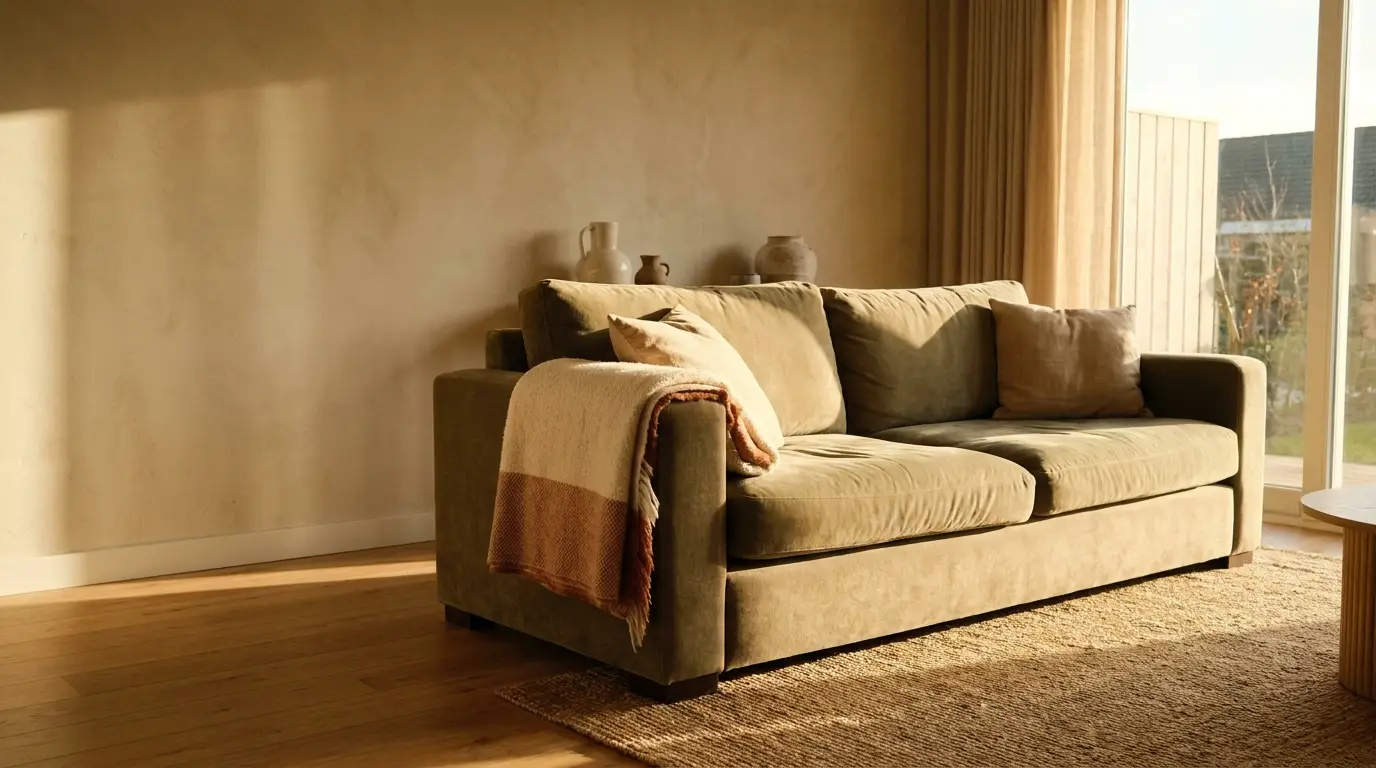
Living rooms collect dust surprisingly quickly.
Vacuum sofas, including beneath the cushions.
Dust electronics carefully.
Wipe tables, shelves, lamps, frames, and decorative pieces.
Wash removable pillow covers if needed.
Straighten books and organize blankets.
Vacuum rugs carefully and move lightweight furniture when possible to clean underneath.
Small details make a noticeable difference.
Do Not Forget Entryways
Entryways create the first impression of your home.
Sweep or vacuum the floor.
Clean the front door inside and outside.
Organize shoes, coats, umbrellas, and bags.
Shake out or wash entry rugs.
Wipe light switches and door handles.
A clean entrance immediately makes the house feel more welcoming.
Clean Windows Throughout the House
Natural light makes every room feel brighter.
Clean both sides of the windows whenever possible.
Wipe window sills, tracks, and frames.
Dust blinds and wash curtains if necessary.
Cleaner windows allow more sunlight into your home and improve the appearance of every room.
Wash Often Forgotten Surfaces
Many homeowners overlook certain areas during regular cleaning.
Take time to wipe:
Light switches
Door handles
Cabinet pulls
Remote controls
Thermostats
Railings
Baseboards
Air vents
These surfaces collect dust and fingerprints over time.
Cleaning them helps the entire house feel fresher.
Give Floors Extra Attention
Floors often receive the most daily wear.
Vacuum carpets slowly, making several passes through high traffic areas.
Move lightweight furniture whenever possible.
Sweep hard floors before mopping.
Use cleaning products appropriate for your flooring material.
Pay special attention to corners, under furniture, and around baseboards where dust often gathers.
Organize Storage Areas
Deep cleaning is an excellent opportunity to organize closets, cabinets, and storage spaces.
Remove everything if possible.
Wipe shelves before putting items back.
Group similar belongings together.
Use bins or baskets where helpful.
Label containers if multiple family members use the space.
Organized storage reduces future clutter.
Create a Donation Box
Keep a donation box nearby throughout the cleaning process.
Whenever you find clothing, books, kitchen tools, decorations, or household items you no longer need, place them inside.
Avoid creating separate piles throughout the house.
Once the cleaning is finished, schedule a donation drop off soon.
Removing unnecessary belongings creates more breathing room in your home.
Take Breaks
Deep cleaning does not have to happen without stopping.
Take short breaks between rooms.
Drink water.
Stretch.
Open windows for fresh air if weather allows.
A rested homeowner works more efficiently than an exhausted one.
Cleaning should improve your home, not leave you completely drained.
Maintain Your Progress
Deep cleaning becomes much easier when regular maintenance follows.
Spend ten to fifteen minutes each day resetting the busiest areas.
Wipe kitchen counters.
Load the dishwasher.
Fold blankets.
Return shoes to the entryway.
Quick daily habits prevent clutter from building into another overwhelming deep clean.
Maintenance is easier than starting over.
Involve the Whole Household
Cleaning should not become one person’s responsibility.
Assign age appropriate tasks to every member of the household.
Children can organize toys, wipe tables, or fold laundry.
Older family members can vacuum, dust, or clean bathrooms.
Working together shortens the cleaning time and teaches everyone to care for the shared space.
Reward Yourself
After completing a deep clean, enjoy your work.
Order your favorite meal.
Watch a movie.
Invite friends over.
Relax with a good book.
A clean home is meant to be lived in and appreciated.
Celebrating your progress helps create positive motivation for future cleaning days.
Build a Realistic Routine
You do not need to deep clean every weekend.
Most homeowners benefit from completing larger cleaning tasks several times throughout the year while maintaining smaller daily habits between them.
Create a schedule that fits your lifestyle.
Some people prefer one room each week.
Others prefer one project each month.
The best routine is the one you can actually maintain.
A Low Stress Deep Clean Starts With Good Planning
Deep cleaning does not have to feel overwhelming.
By breaking the work into manageable sections, gathering supplies ahead of time, focusing on one room at a time, and maintaining simple daily habits afterward, you can keep your home clean without sacrificing every weekend.
Start with decluttering.
Clean from top to bottom.
Take breaks when needed.
Ask for help when appropriate.
Most importantly, remember that progress is more valuable than perfection.
A clean home should support your life, provide comfort, and create a welcoming place for everyone who lives there.
With a thoughtful approach, deep cleaning becomes less of a burden and more of an investment in the home you enjoy every day.