

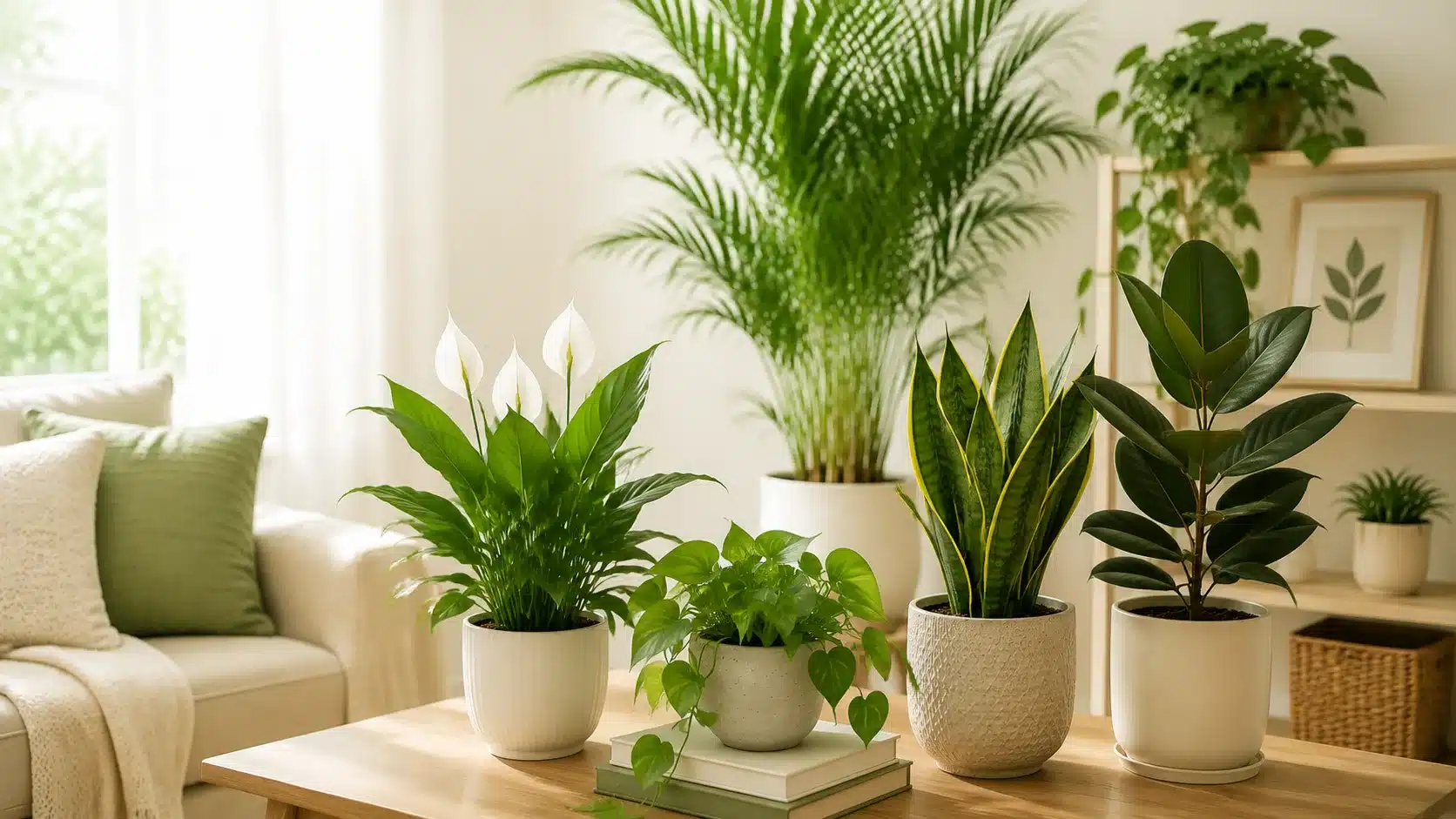
| Best For | Beginners, low-light rooms, humidity-loving spaces, and pet-owning households, depending on the plant |
| Sunlight Range | Low light to full sun, varies by plant |
| Water Needs | Low to moderate for most; ferns and peace lily need more consistent moisture |
| Realistic Air Benefit | Minor humidity and comfort support, not a substitute for ventilation or filtration |
| Maintenance | Low to moderate for nearly all 22 plants below |
Can a few houseplants really make your indoor air feel fresher? If you’re searching for the best plants that clean the air, you’ve probably seen conflicting advice and aren’t sure what actually works.
I know it’s easy to believe a single plant can solve indoor air problems, but the reality is a little different. The good news is that many houseplants still offer real benefits, including added humidity, natural beauty, and a calmer living space.
You’ll also find which plants are easiest to grow, which ones are pet-friendly, and how to care for them so they stay healthy and thrive in your home.
|
Note: The claim that houseplants clean indoor air comes from the NASA Clean Air Study, which tested plants in sealed chambers. However, a 2019 review in Building and Environment found that standard room ventilation removes pollutants far more effectively than houseplants. Grow plants for their beauty, humidity, and calming effect, but rely on good ventilation or an air purifier for meaningful air cleaning. |
How Much Can Houseplants Really Improve Indoor Air Quality?
Not much, at least not enough to change the air quality reading in a normal-sized room.
The NASA study that started this whole conversation used sealed chambers, forced airflow, and concentrated pollutants, conditions nothing like a living room with an open door or a window cracked for ventilation.
That does not make houseplants pointless. In my own greenhouse and client homes, plants raise humidity, which helps with dry winter air and irritated sinuses, and a well-placed plant, including varieties suited for dim corners, genuinely changes how a room feels. I just do not want anyone skipping a window fan or an air purifier because they picked up a spider plant.
Houseplants Worth Growing for Cleaner, Fresher-Feeling Air
Every plant on this list is easy to find at a garden center or nursery, and each earns its spot through genuine growing performance rather than marketing claims. I have grouped the details you need most, light, water, and pet safety, into one table before going through each plant individually.
| Plant | Light | Water | Pet-Safe |
| Snake Plant | Low to bright, indirect | Low | No |
| Spider Plant | Bright, indirect | Moderate | Yes |
| Peace Lily | Medium, filtered | Moderate to high | No |
| Boston Fern | Indirect, humid | High | Yes |
| Dracaena | Indirect | Low to moderate | No |
| Parlor Palm | Low to indirect | Moderate | Yes |
| Golden Pothos | Low to bright, indirect | Low | No |
| Gerbera Daisy | Full sun | Moderate | Yes |
| Rubber Plant | Bright, filtered | Moderate | No |
| English Ivy | Bright, indirect | Moderate | No |
| Pygmy Date Palm | Bright, indirect | Moderate | Yes |
| Aloe Vera | Full sun | Low | No |
| Areca Palm | Bright, indirect | Moderate | Yes |
| Philodendron | Medium, indirect | Moderate | No |
| Weeping Fig | Bright, indirect | Moderate | No |
| Chinese Evergreen | Low light | Low to moderate | No |
| ZZ Plant | Low to bright | Low | No |
| Kimberly Queen Fern | Indirect, humid | High | Yes |
| Bird’s Nest Fern | Filtered, humid | Moderate to high | Yes |
| Cast Iron Plant | Low light | Low | Yes |
| Money Tree | Bright, indirect | Moderate | Yes |
| Orchid | Bright, filtered | Moderate | Yes |
| Wax Plant (Hoya) | Bright, indirect | Low to moderate | Yes |
Pet-safety notes above reflect general guidance from the ASPCA’s plant toxicity database. Always confirm a specific variety before bringing it into a home with cats or dogs.
1. Snake Plant
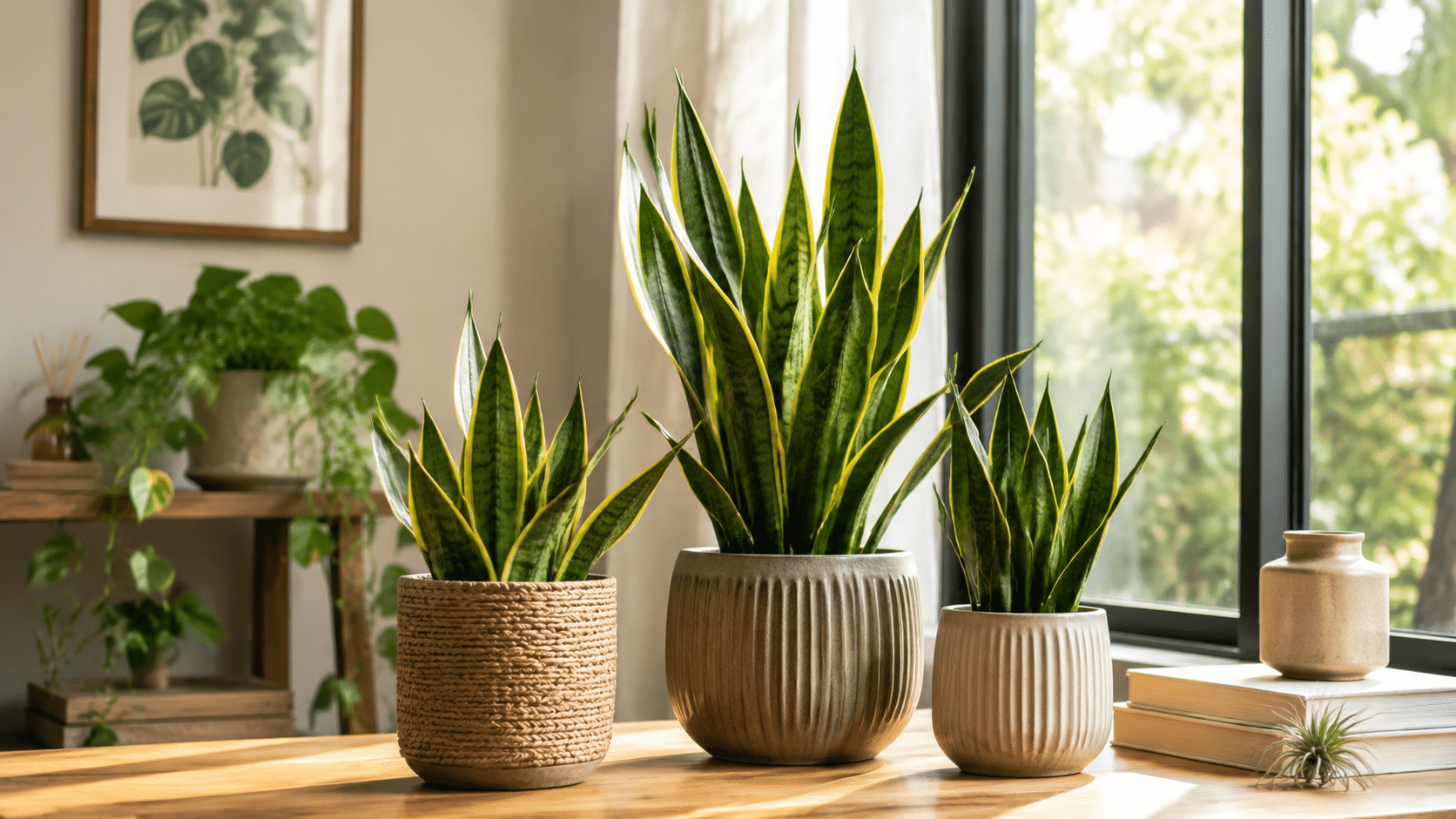
Snake plant (Dracaena trifasciata) has tall, stiff leaves with striking bands, and it is one of the toughest houseplants I recommend to anyone who forgets to water. It tolerates low light, irregular watering, and dry indoor air better than almost anything else on this list.
It fits well in corners, hallways, and rooms with only a north-facing window. Keep it away from cats and dogs since the leaves can cause stomach upset if chewed.
2. Spider Plant
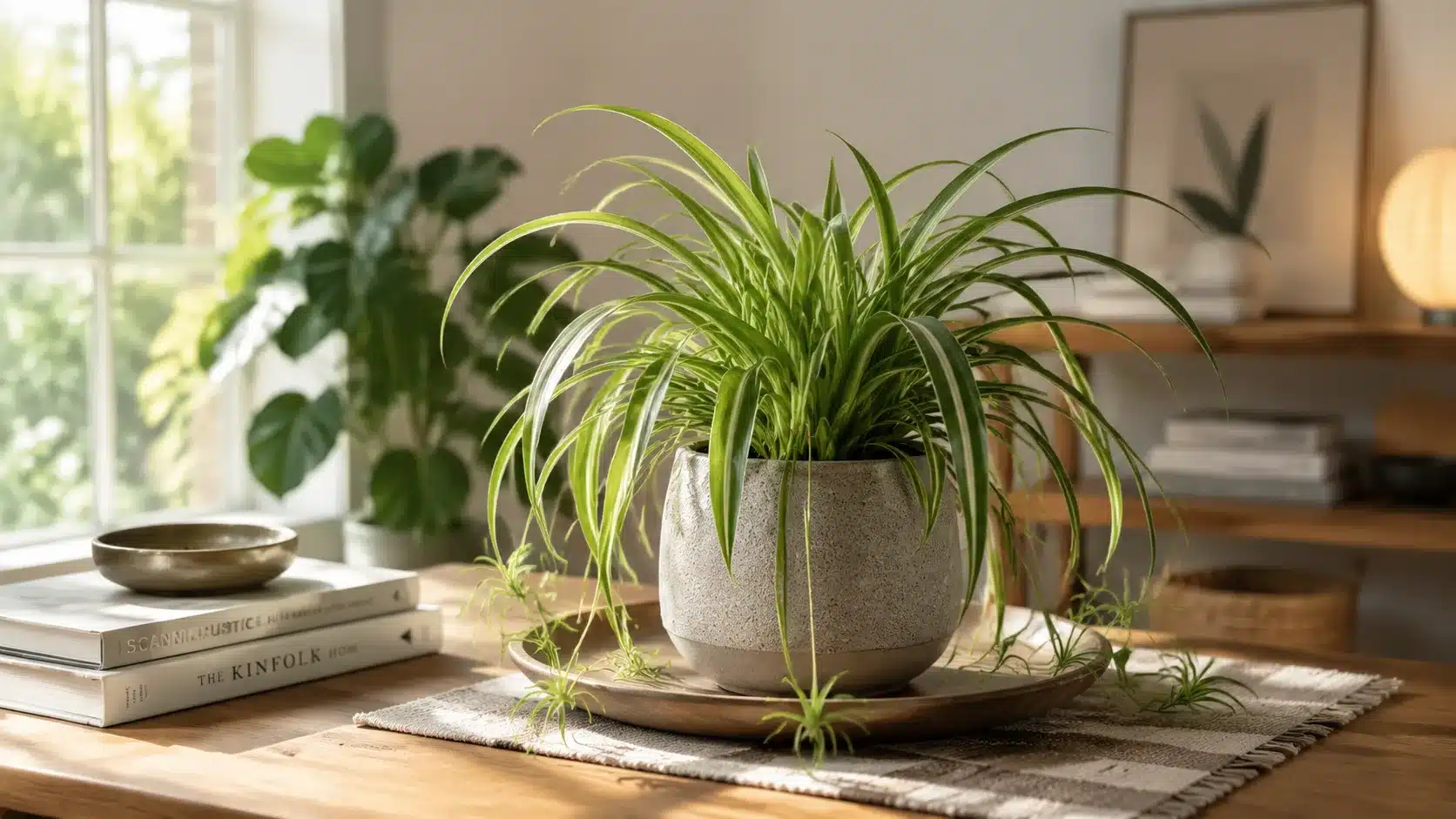
Spider plant was one of the species tested in the original NASA study, and it remains a favorite because it is nearly impossible to kill. Give it bright, indirect light, and it will keep producing new plantlets you can propagate for free.
It works well on a shelf, in a hanging basket, or anywhere its trailing leaves have room to spread. It is fully pet-safe, which makes it one of my top picks for households with curious animals.
3. Peace Lily
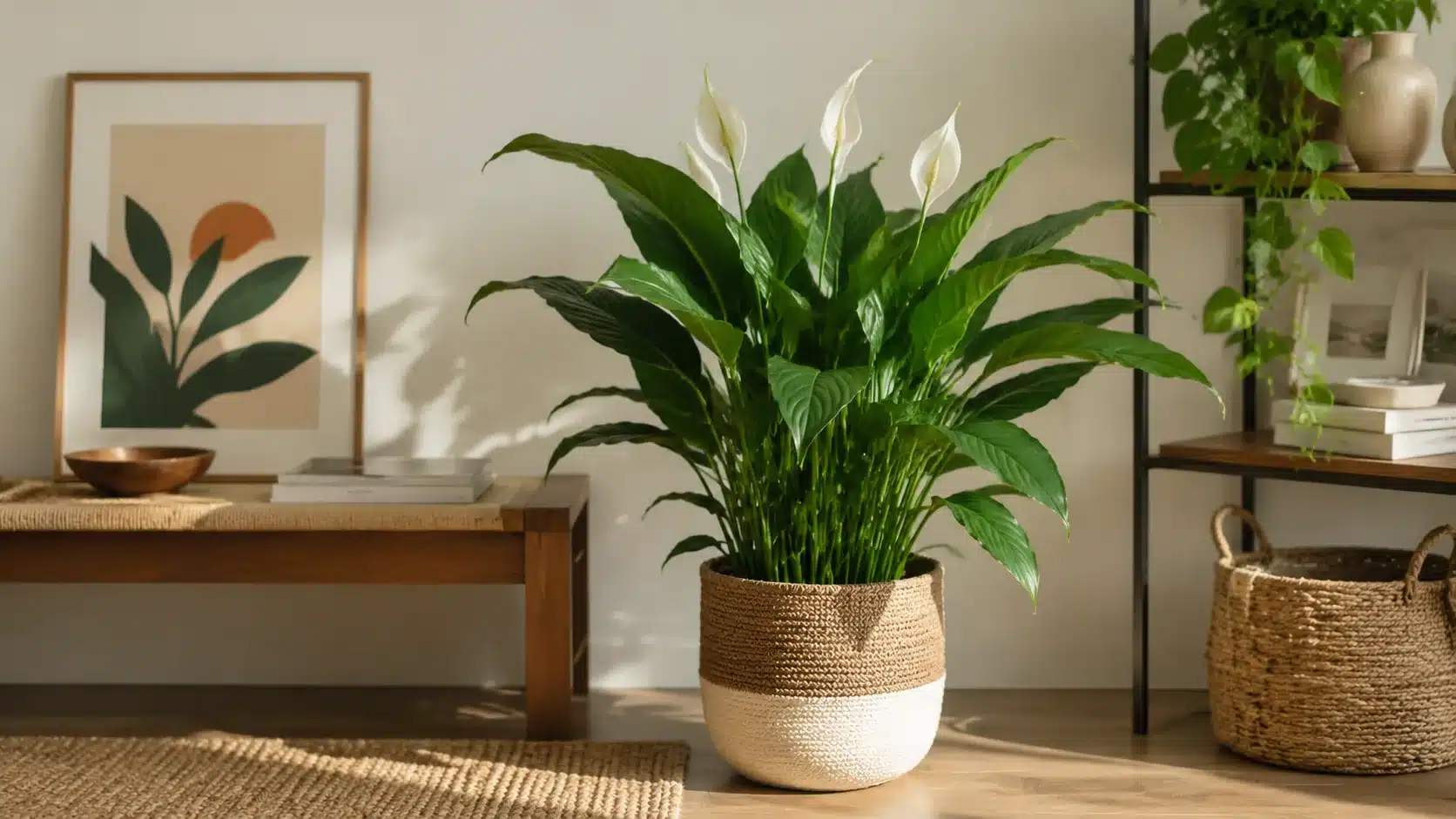
Peace lily rewards consistent moisture with glossy leaves and elegant white blooms, and the flowers themselves are a good visual cue: when they droop, the plant is telling you it is thirsty.
It does best in a humid room with filtered light, such as a bathroom with a window or a kitchen with steady moisture. It contains calcium oxalate crystals that irritate cats and dogs if chewed, so keep it out of reach.
4. Boston Fern
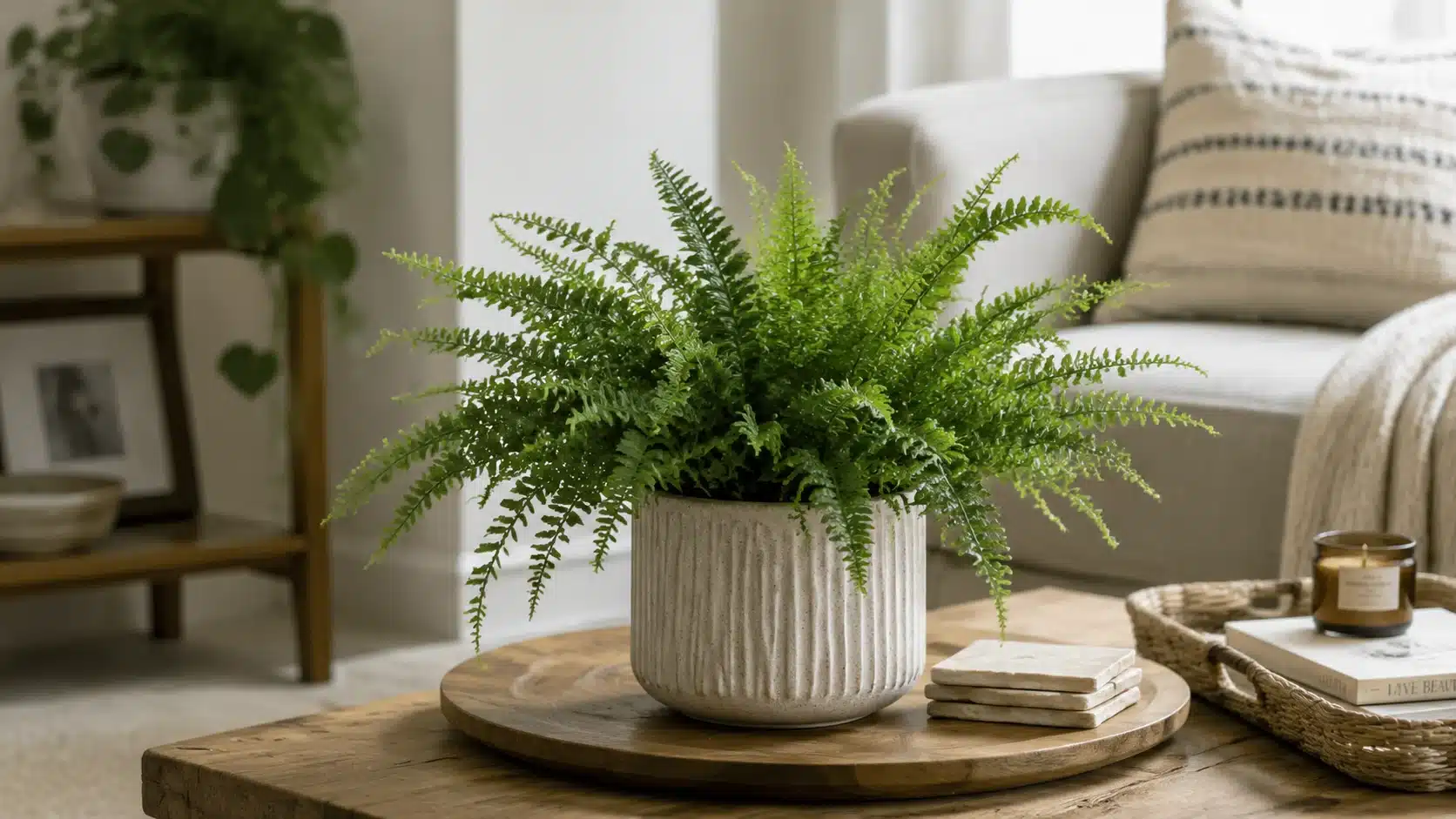
Boston fern needs more attention than most plants on this list, mostly in the form of humidity. Dry indoor air will brown the fronds quickly, so a bathroom, kitchen, or regular misting routine keeps it looking full.
Hanging baskets or elevated shelves show off its flowing fronds well. It is safe for cats and dogs, making it a solid choice for pet owners who want lush greenery without a toxicity risk.
5. Dracaena and Parlor Palm
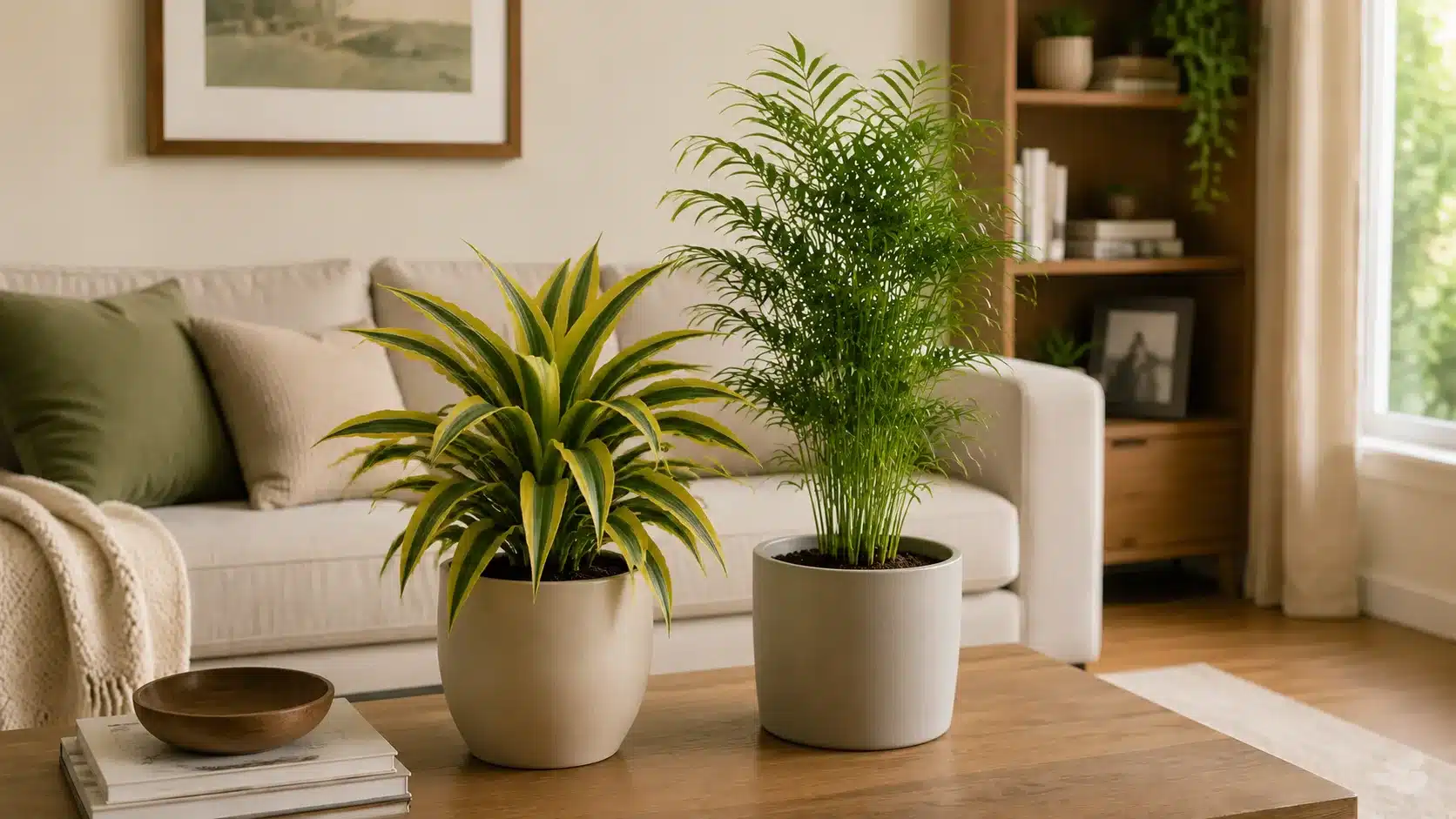
Dracaena’s upright, structured leaves and the parlor palm’s softer, arching fronds both tolerate the indirect light most homes actually have, which is why I pair them for readers deciding between a bold statement plant and a softer one.
Dracaena suits a corner that needs height, while parlor palm fits nicely on a dresser or open shelf. Parlor palm is pet-safe, but most Dracaena varieties can cause vomiting or drooling if pets chew the leaves.
6. Golden Pothos
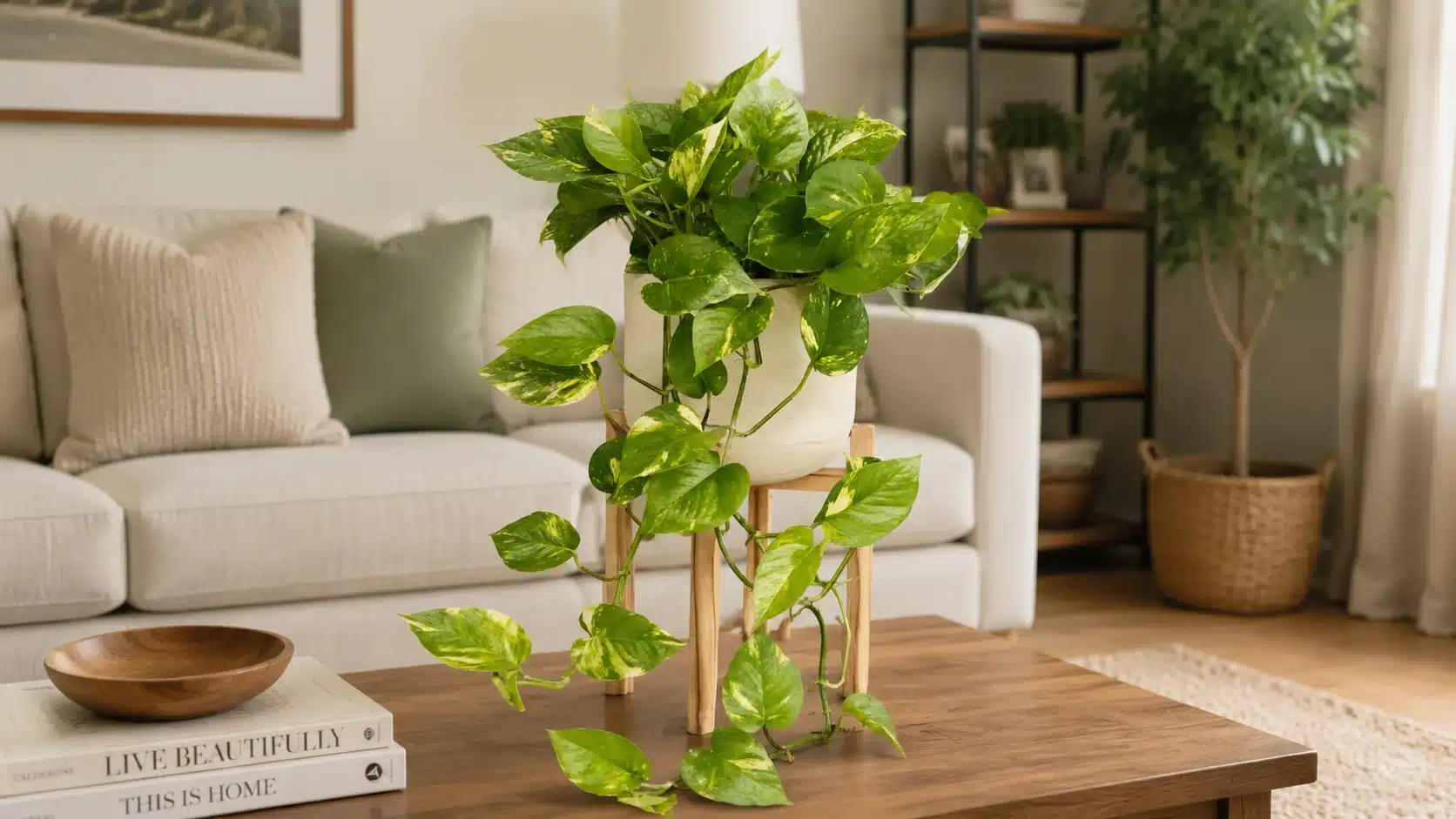
Pothos grows fast, tolerates almost any indoor light level, and forgives missed waterings better than most plants I grow. A single cutting rooted in water will fill out a hanging pot within a season, especially once you settle into a few care habits.
It works in nearly any room, from a dim hallway to a bright kitchen shelf. It is not pet-safe, since the leaves contain compounds that irritate the mouth and stomach if chewed.
7. Gerbera Daisy
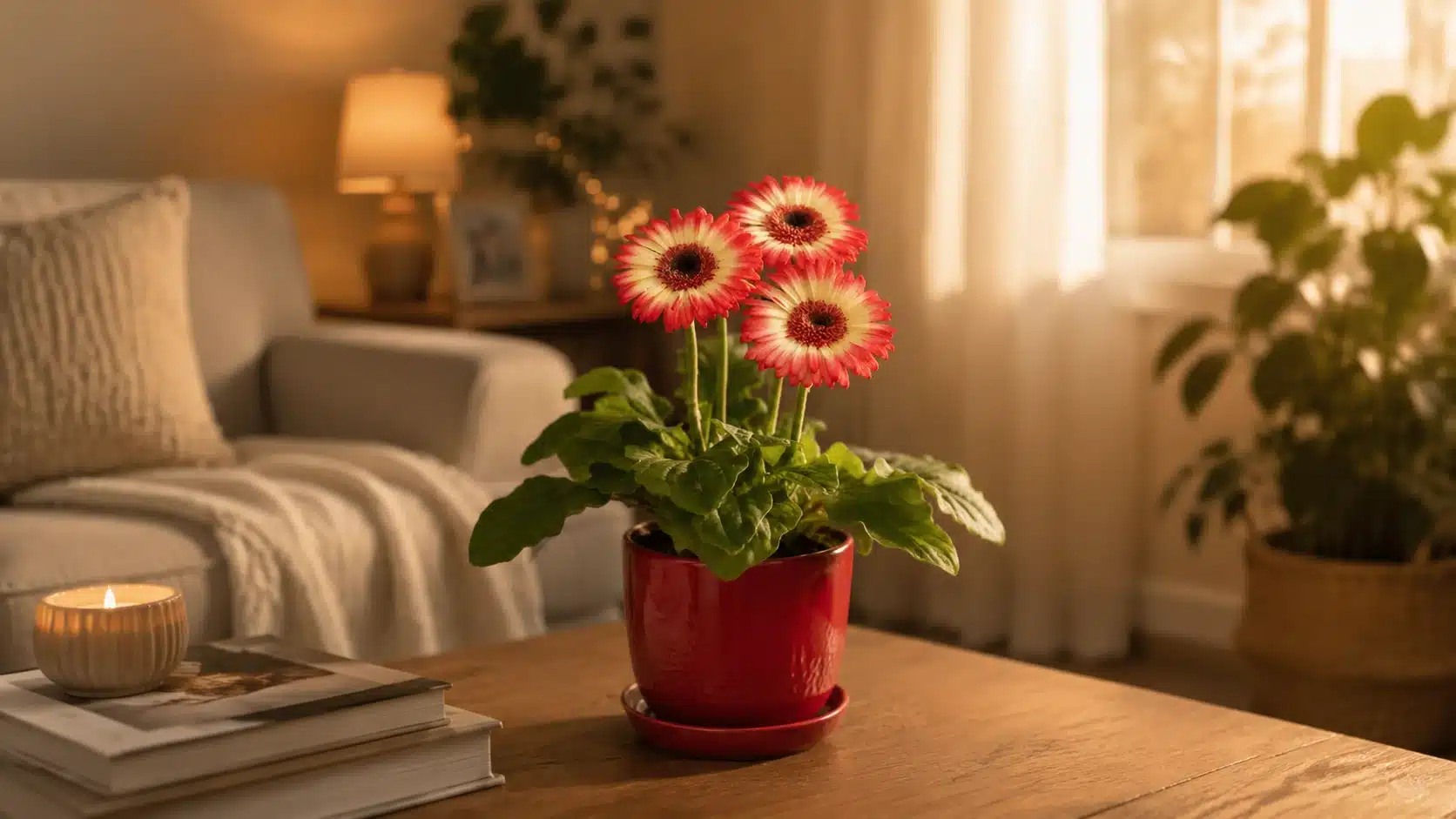
Gerbera daisy asks for more light and attention than the rest of this list, but the payoff is a cheerful bloom that most houseplants cannot match. Give it several hours of direct sun and it will keep flowering for weeks.
A sunny windowsill is the best spot for this one indoors. It is fully pet-safe, so it is a good flowering option for homes with cats and dogs.
8. Rubber Plant
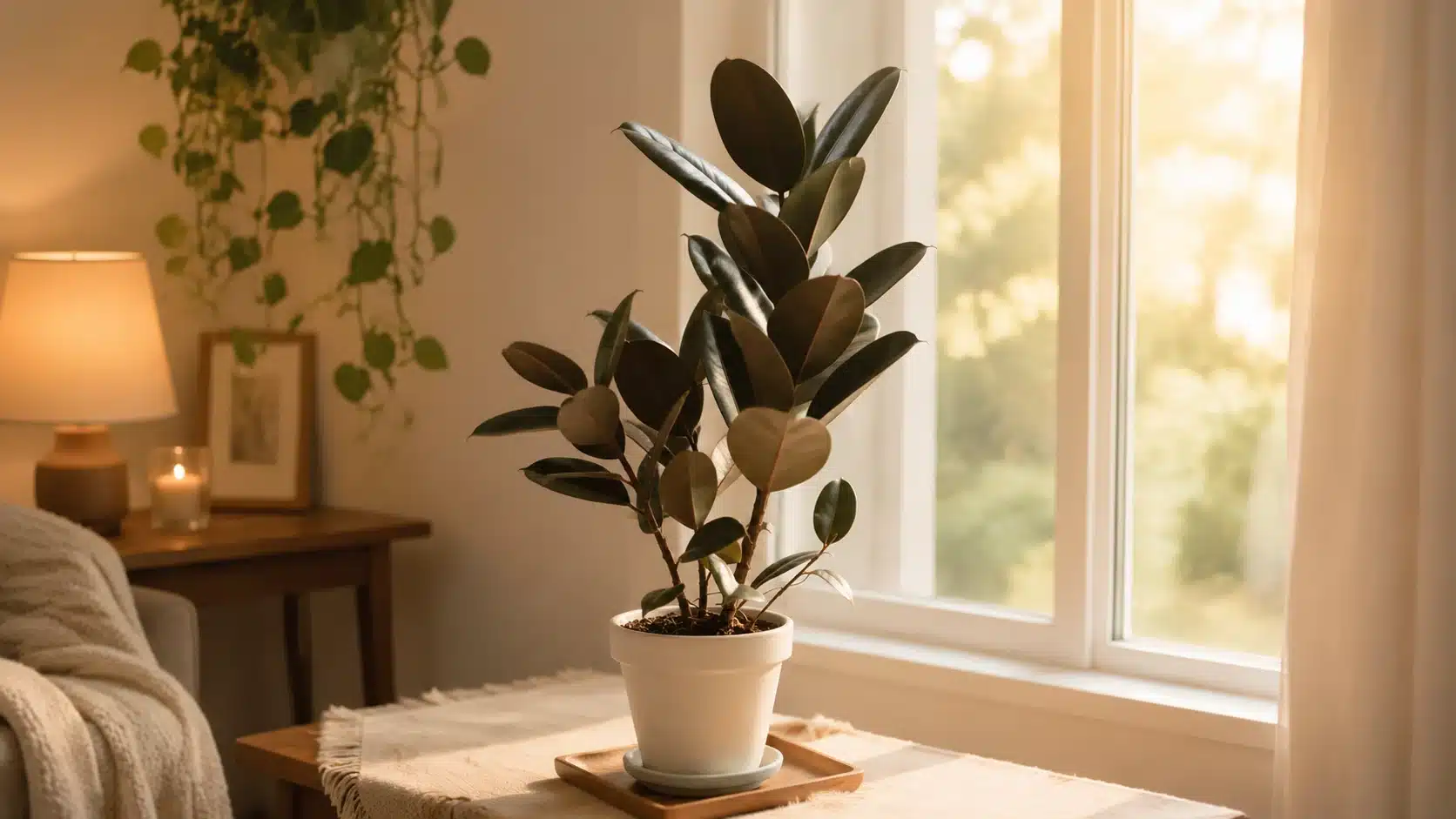
Rubber plant’s large, glossy leaves make it a good floor plant once it matures, and I like recommending it to people who want one statement plant rather than a shelf full of smaller ones.
Give it bright, filtered light and enough floor space to grow. Its sap can irritate cats and dogs if they chew the leaves, so keep young pets away from lower foliage.
9. English Ivy
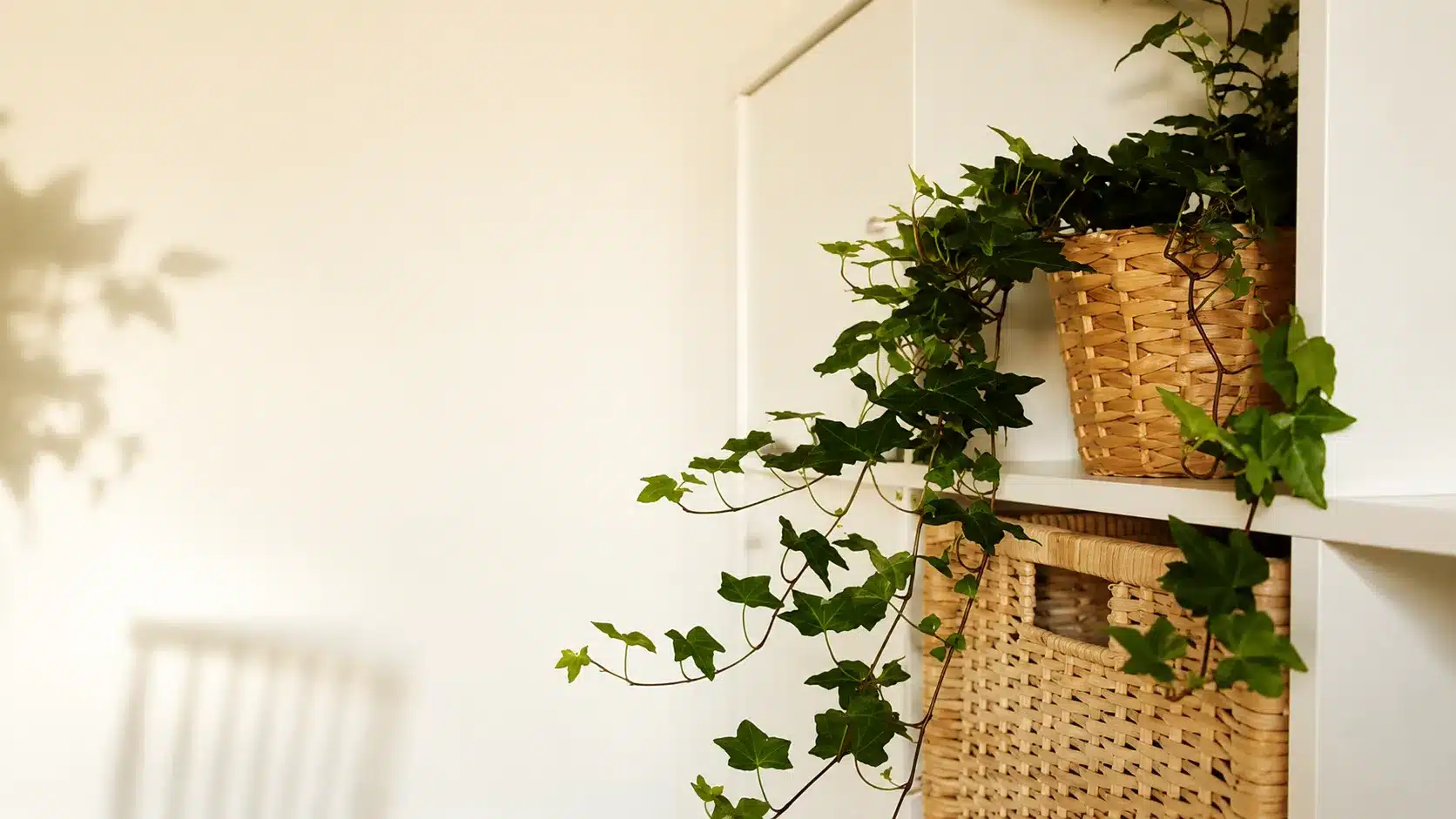
English ivy grows quickly once established and adds texture wherever it is allowed to trail, pairing well with other bold foliage-color varieties nearby. It prefers cooler rooms with bright, indirect light and good airflow rather than a hot, stuffy corner.
A hanging planter near a window lets the vines spread without crowding furniture. It is toxic to cats and dogs if chewed, so it is better suited to pet-free rooms or high shelves.
10. Pygmy Date Palm
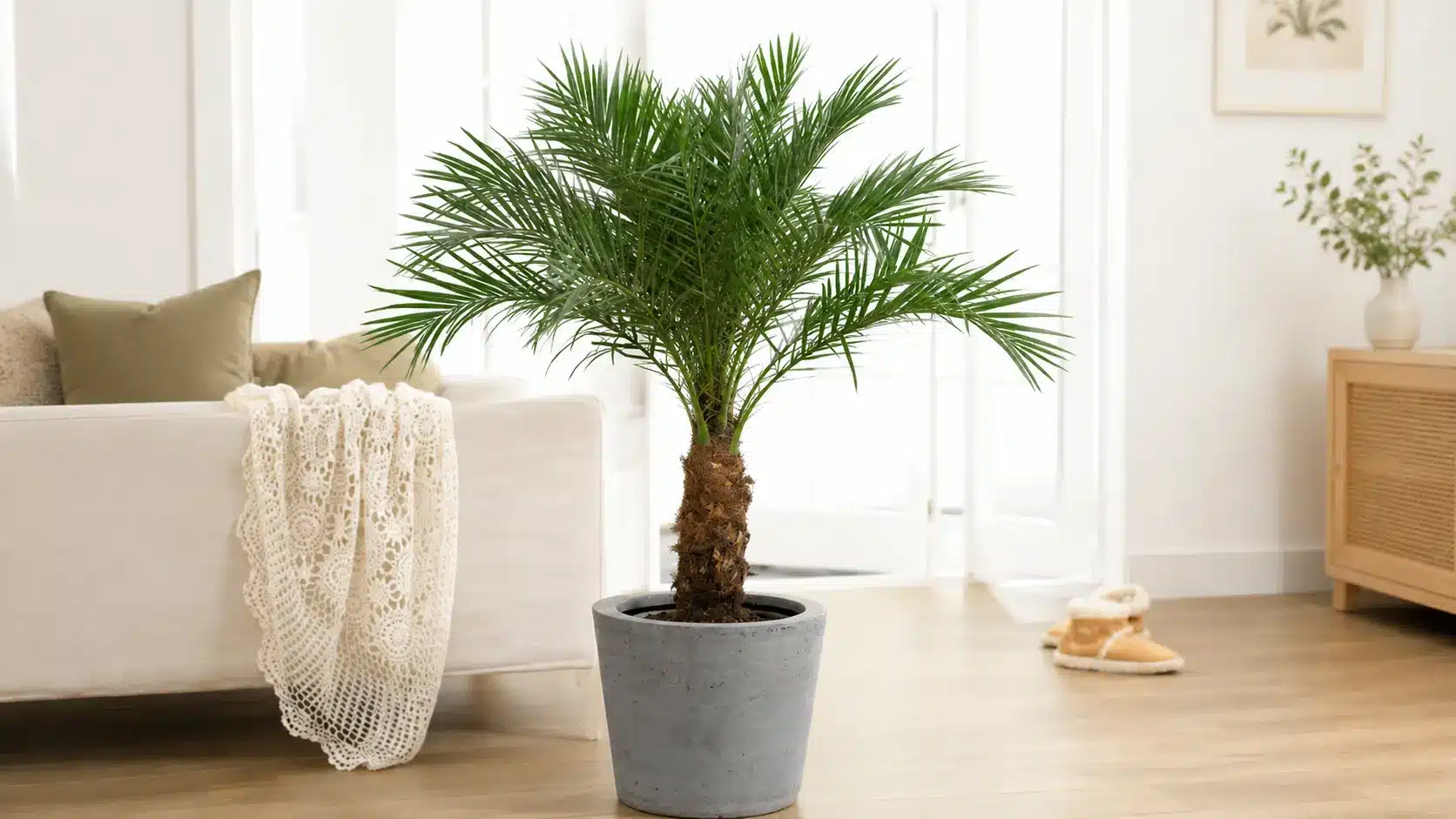
Pygmy date palm grows slowly, which makes it easier to manage indoors than larger palm varieties. Its soft, arching fronds bring a relaxed, tropical look without demanding constant repotting.
It needs bright, indirect light and enough room for its fronds to spread, so give it space near a window rather than a tight corner. It is one of the few palms considered fully pet-safe.
11. Aloe Vera
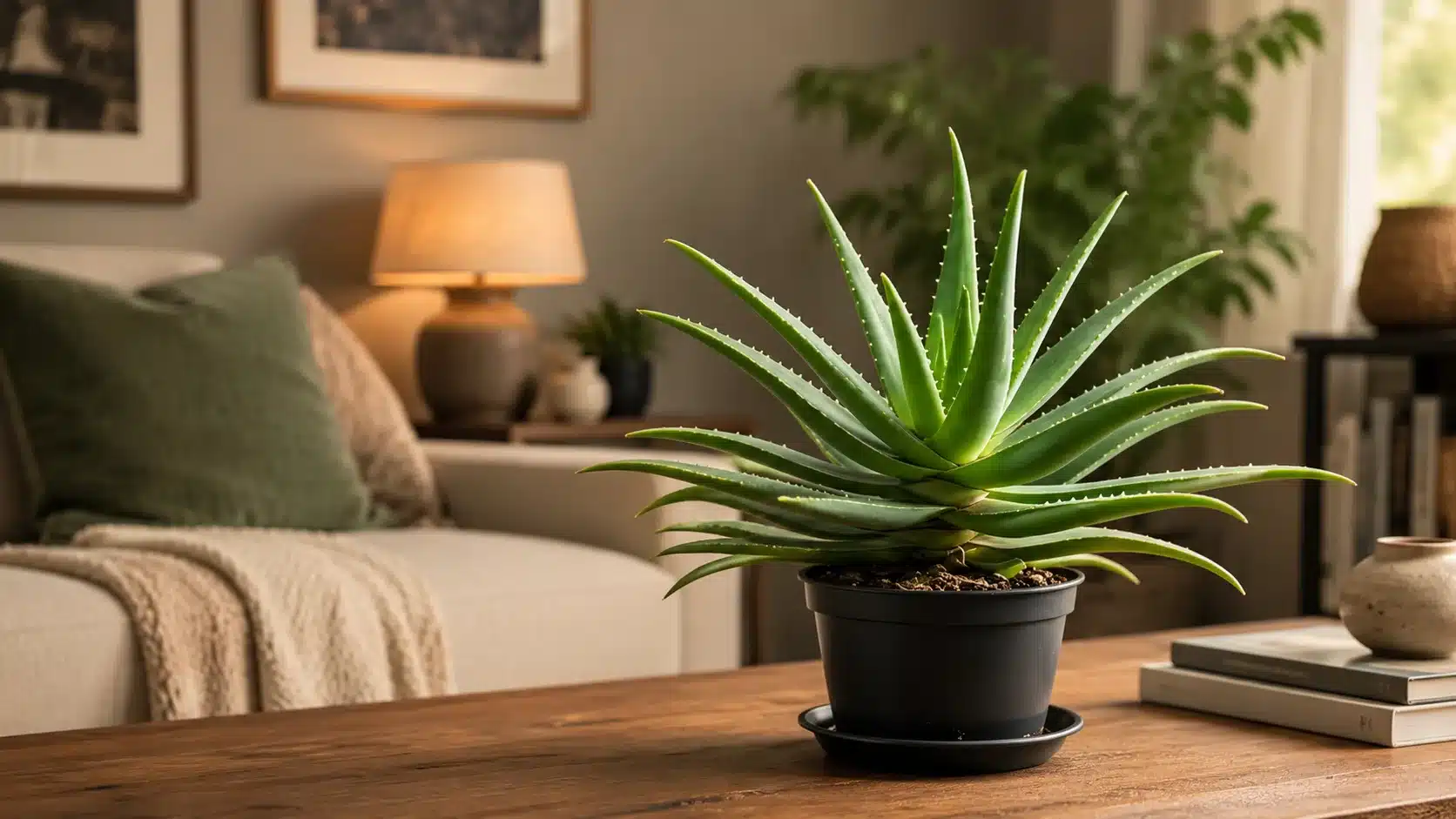
Aloe vera is a succulent, so treat it like one: bright, direct sun and infrequent watering. Overwatering is the single most common mistake I see with this plant, and it shows up as soft, mushy leaves.
A south- or west-facing windowsill suits it best. The gel and outer leaf material can cause vomiting or diarrhea in cats and dogs if eaten, so it is not a pet-safe option despite its use in human skin care.
12. Areca Palm
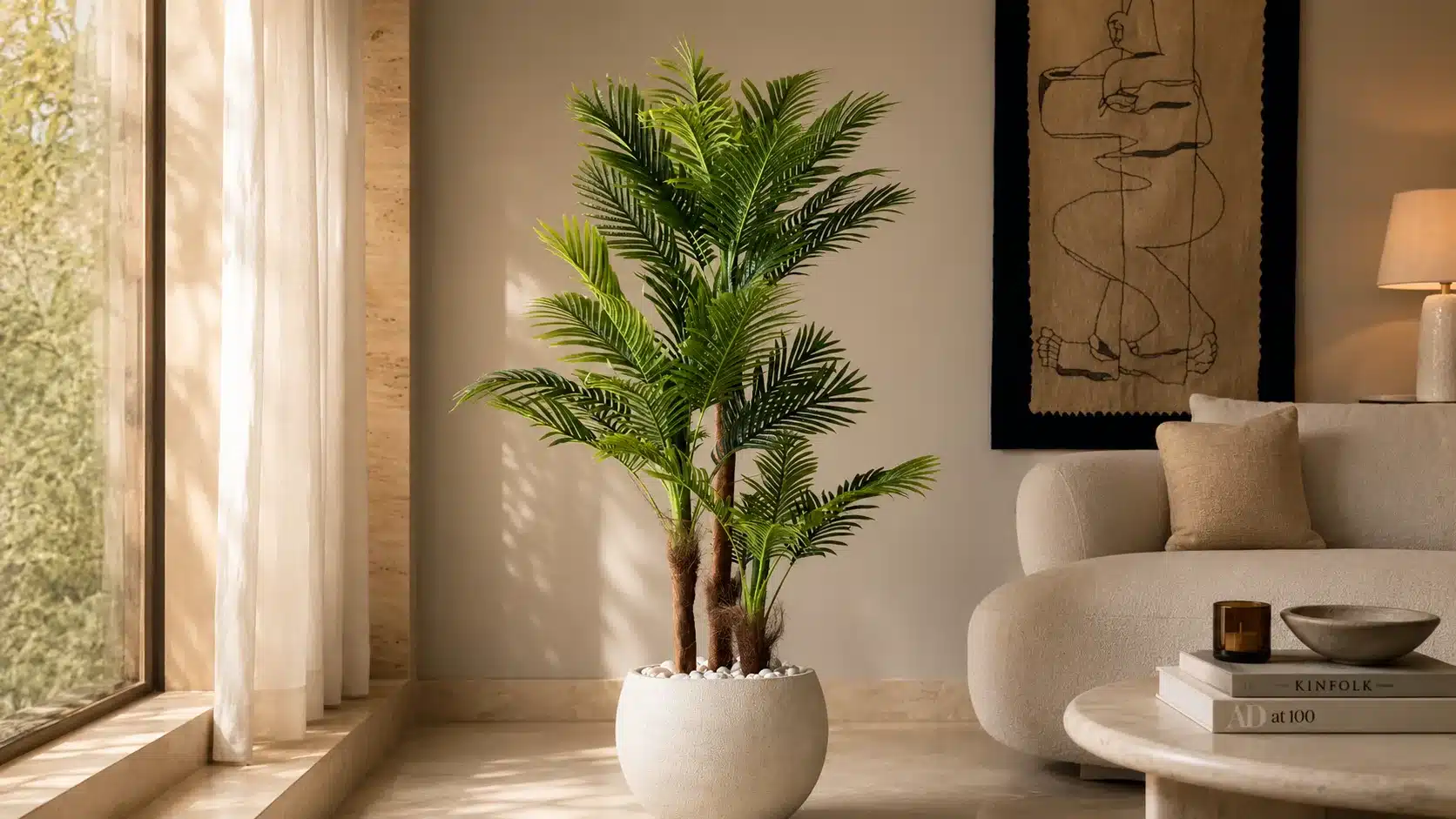
Areca palm has long, arching fronds that fill out a larger room without becoming difficult to maintain. I recommend it for open corners that could use some height and volume.
Give it plenty of indirect light and room to spread. It is one of the safer palms for households with pets.
13. Philodendron
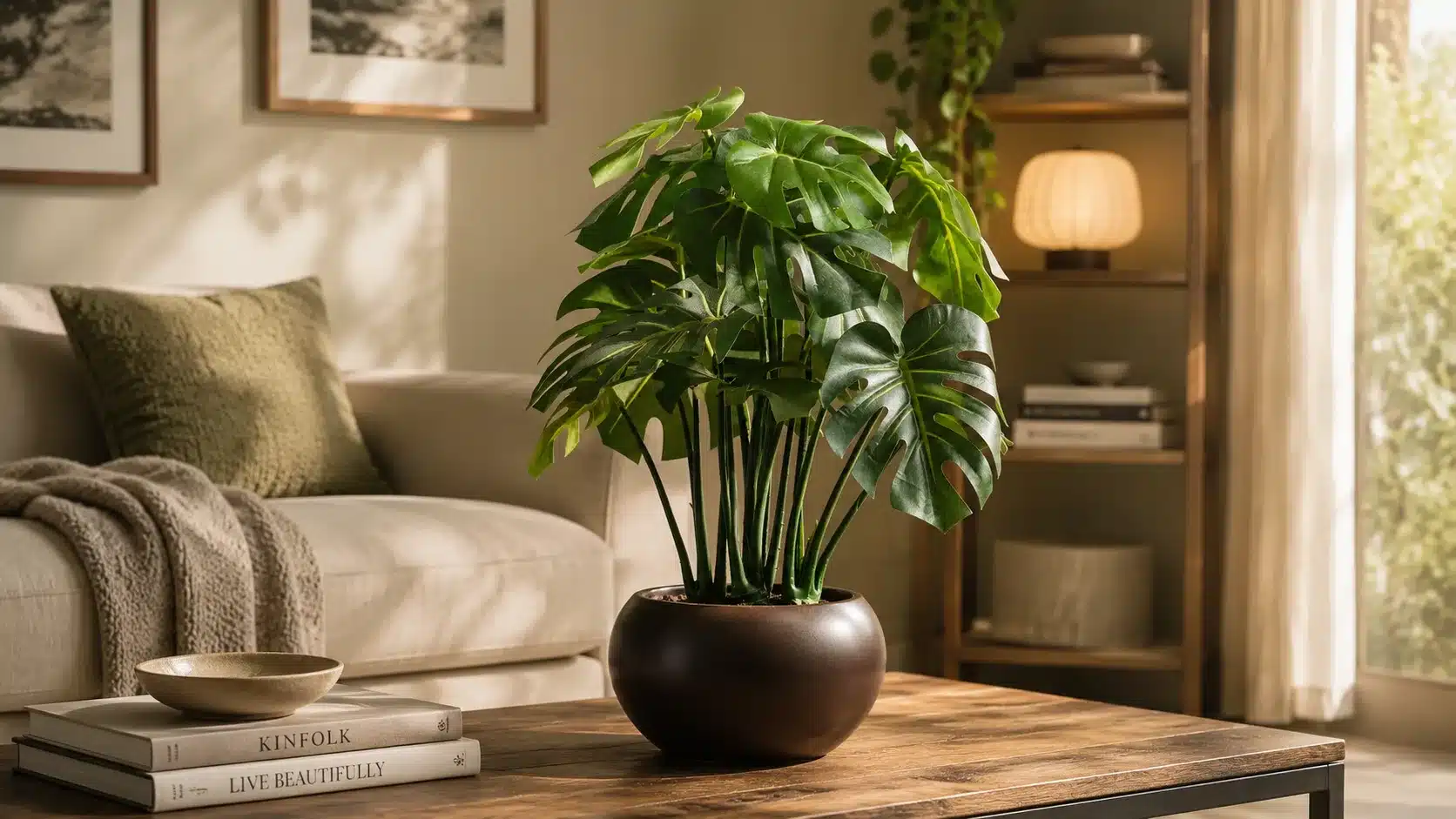
Philodendron’s heart-shaped leaves and flexible growth habit, trailing or climbing depending on the variety, make it one of the easiest tropical plants to place almost anywhere with medium indirect light.
It suits shelves, desks, and hanging planters equally well. It is not pet-safe; the leaves can cause mouth and stomach irritation if chewed.
14. Weeping Fig
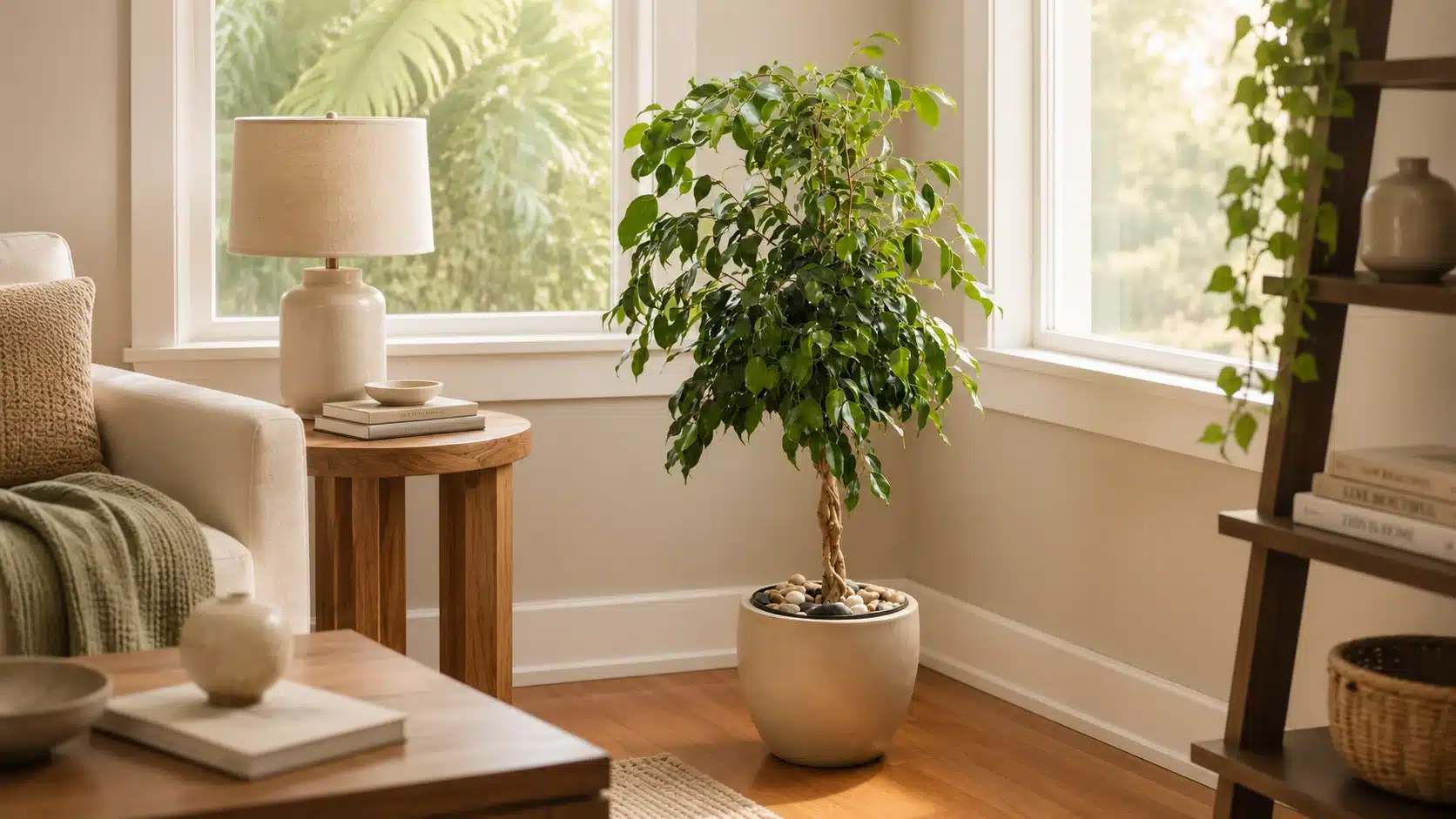
Weeping fig grows into a tree-like shape with small, glossy leaves, and it rewards a stable spot with consistent light. Moving it around or exposing it to cold drafts is the fastest way to trigger leaf drop.
A bright corner away from doors and vents keeps it healthiest. Its sap can irritate pets and cause stomach upset if eaten, so keep it away from cats and dogs that chew.
15. Chinese Evergreen
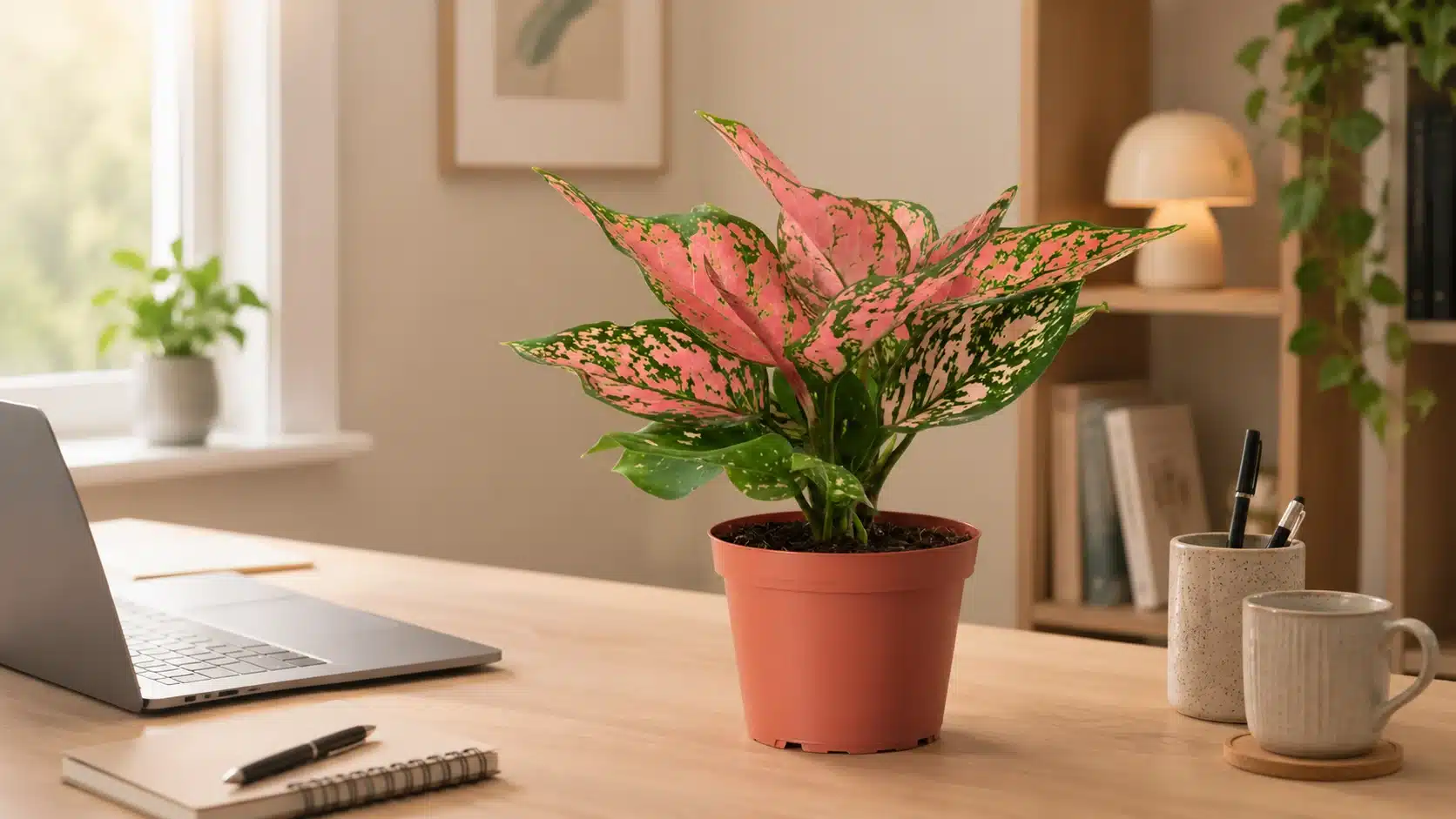
Chinese evergreen handles low light better than almost any patterned houseplant I grow, which makes it a dependable pick once you have everyday plant upkeep settled into a routine, even in an apartment with limited natural sunlight.
It works well on a desk, shelf, or bedside table without taking up much space. It may be toxic if ingested by cats or dogs, so keep it out of reach in pet households.
16. ZZ Plant
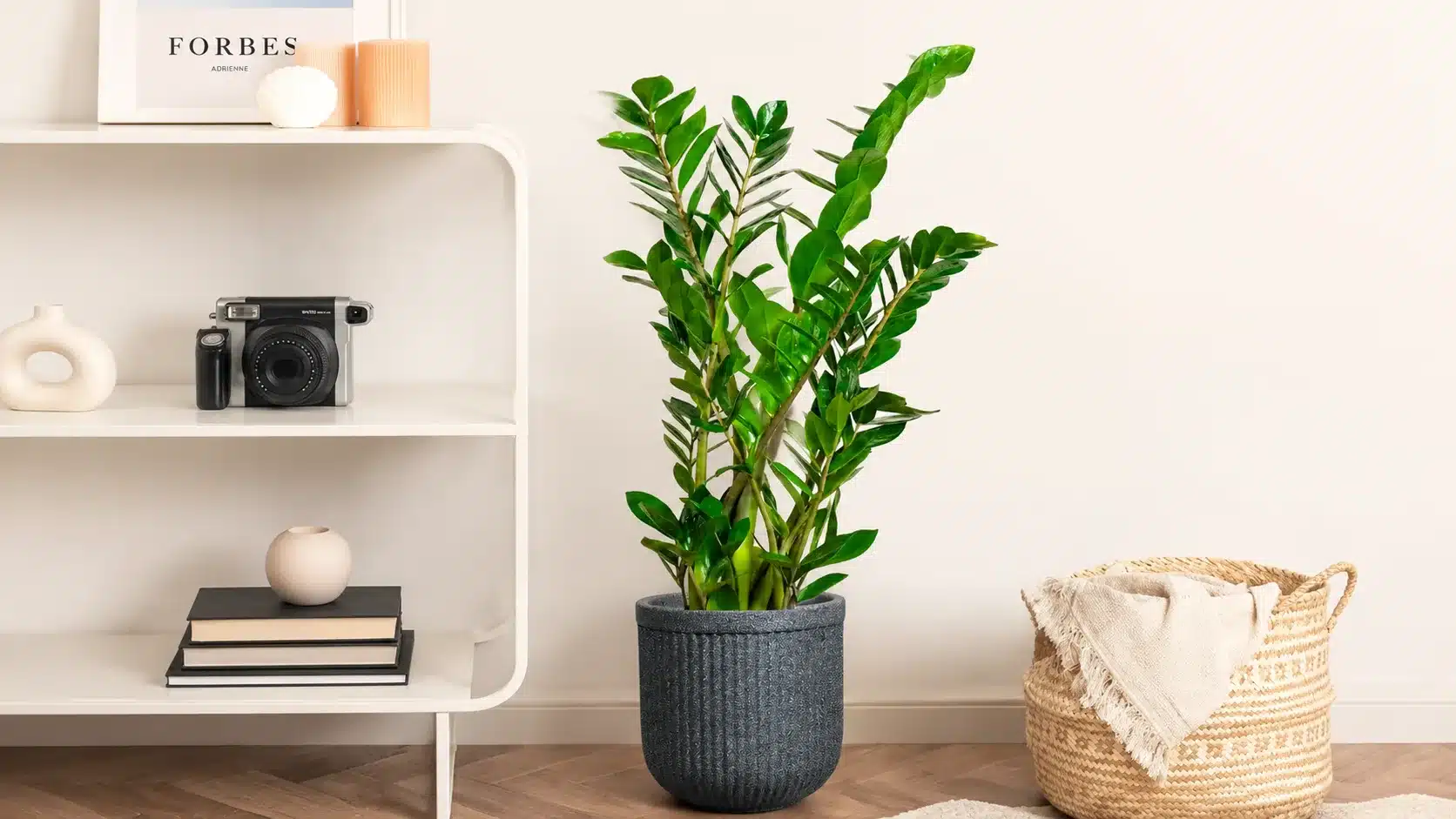
ZZ plant stores water in its thick stems, which is why it tolerates weeks of neglect better than most houseplants. It is my default recommendation for anyone with a busy schedule and inconsistent watering habits.
It fits neatly on shelves, desks, or small corners with limited sunlight. It can cause irritation and digestive upset if pets chew it, so it is not a pet-safe choice.
17. Kimberly Queen Fern
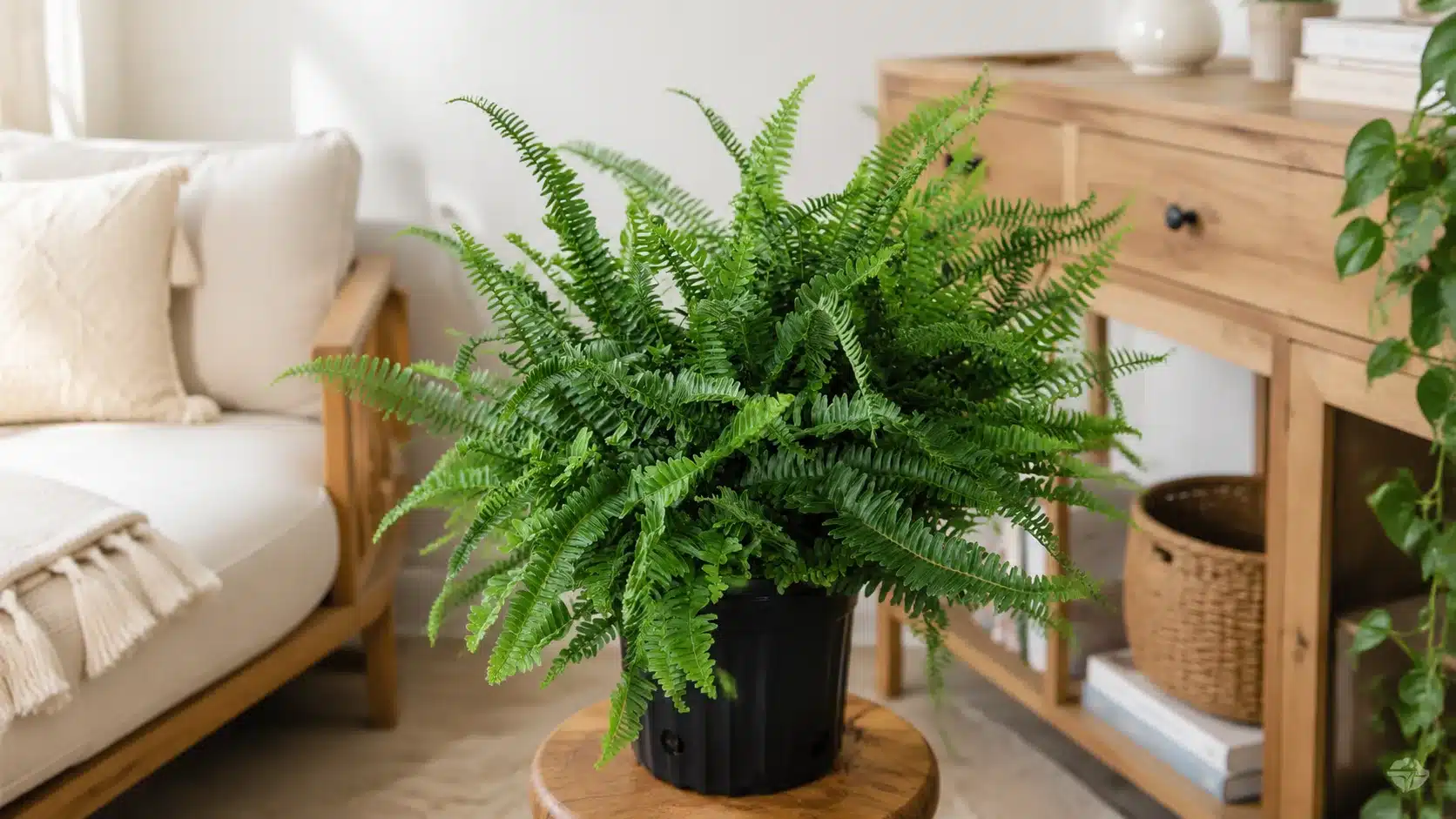
Kimberly Queen fern has upright, sword-shaped fronds that hold up better than a traditional Boston fern in average indoor humidity, though it still prefers consistent moisture.
It needs indirect light and enough space for its upright growth, so give it room near a window rather than a cramped shelf. It is safe for cats and dogs.
18. Bird’s Nest Fern
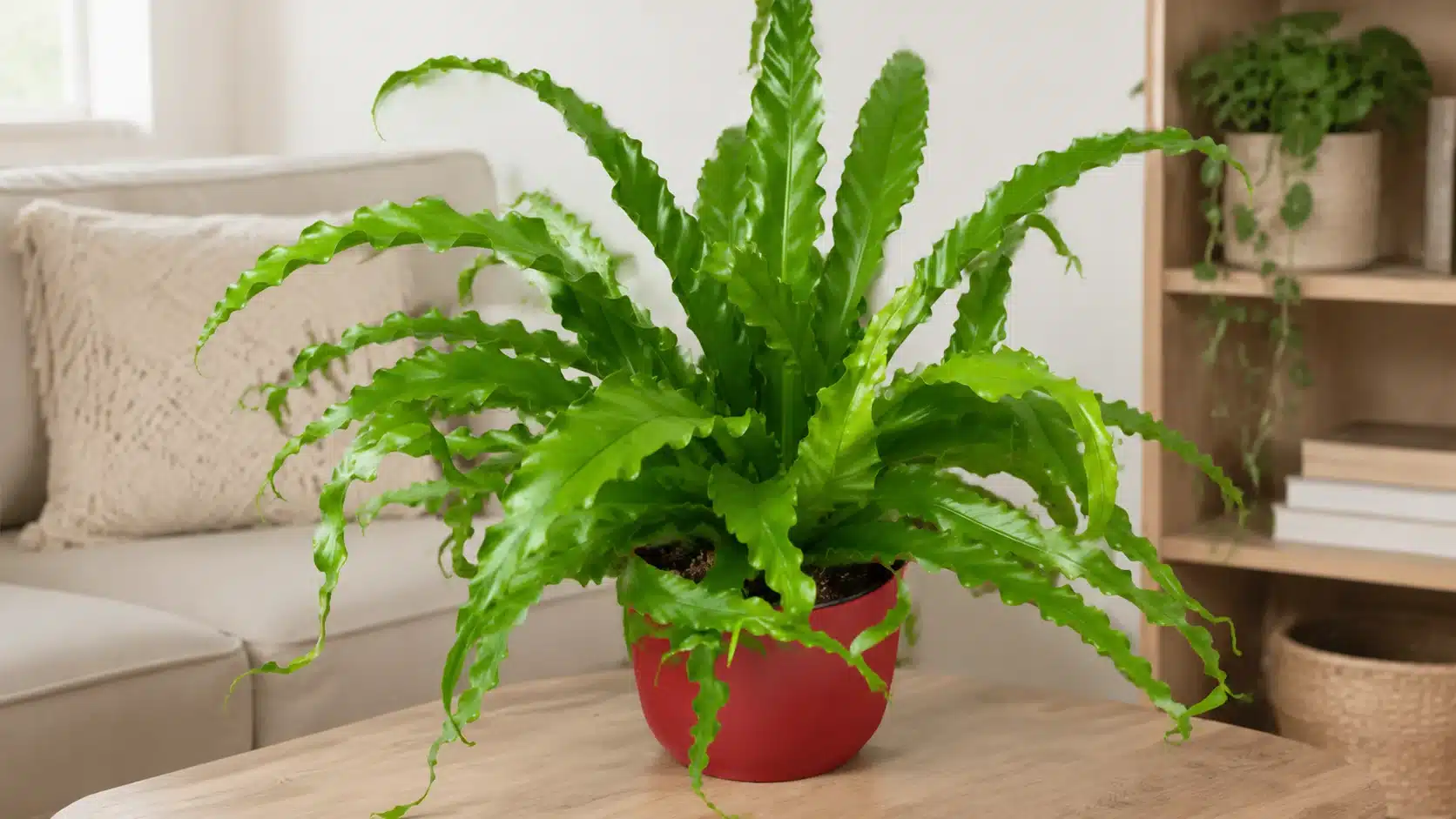
Bird’s nest fern grows wide, wavy leaves from a central rosette and prefers stable, humid conditions over sudden changes in light or temperature.
Filtered light away from harsh direct sun works best, and a bathroom with a window can provide the humidity it wants. It is safe for cats and dogs.
19. Cast Iron Plant
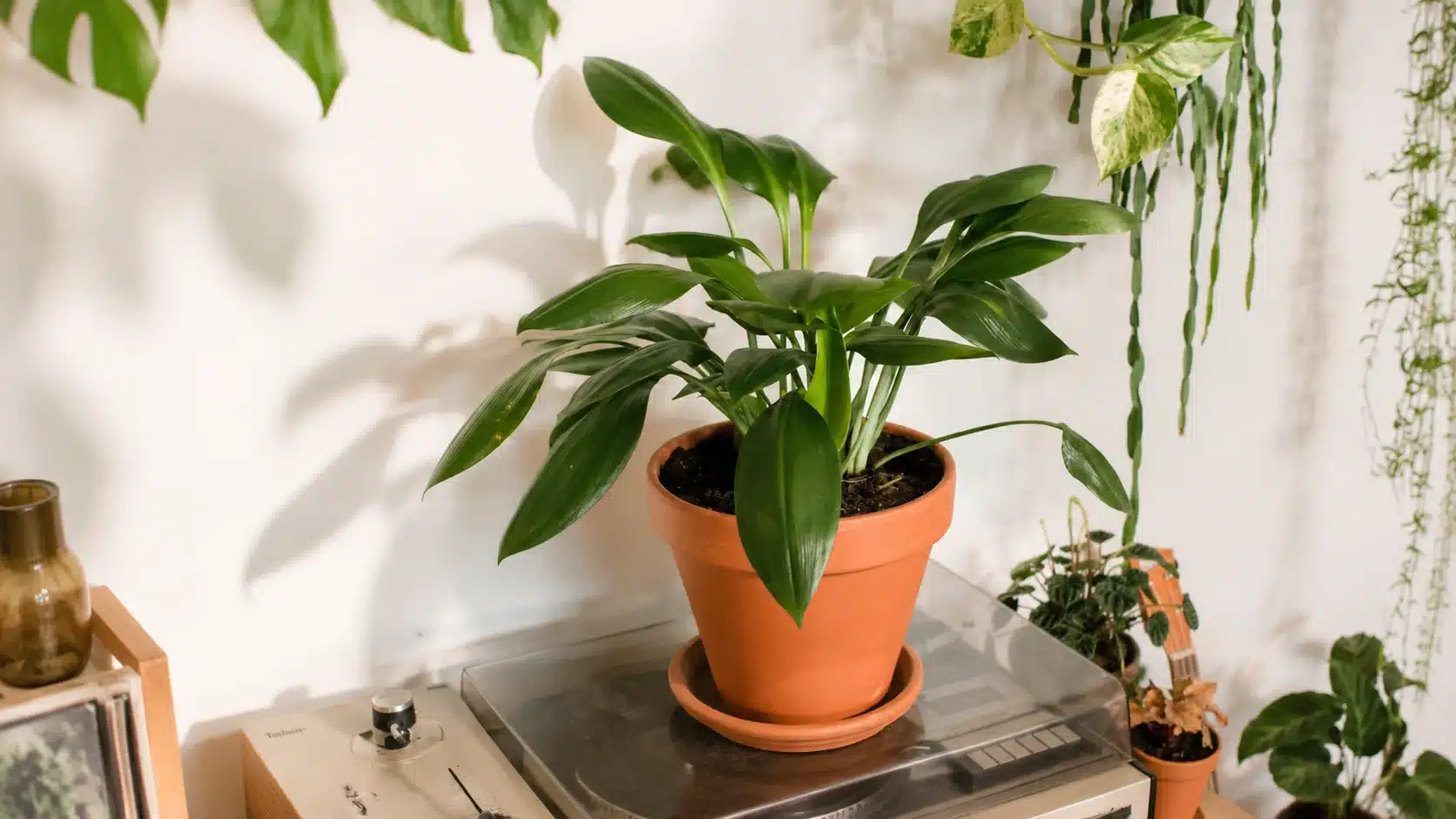
Cast iron plant earns its name honestly. It survives low light, irregular watering, and general neglect better than nearly anything else I recommend for a difficult room.
Its compact size fits in corners, on shelves, or in rooms with limited window space. It is safe for cats and dogs, and its slow growth means it rarely needs repotting.
20. Money Tree
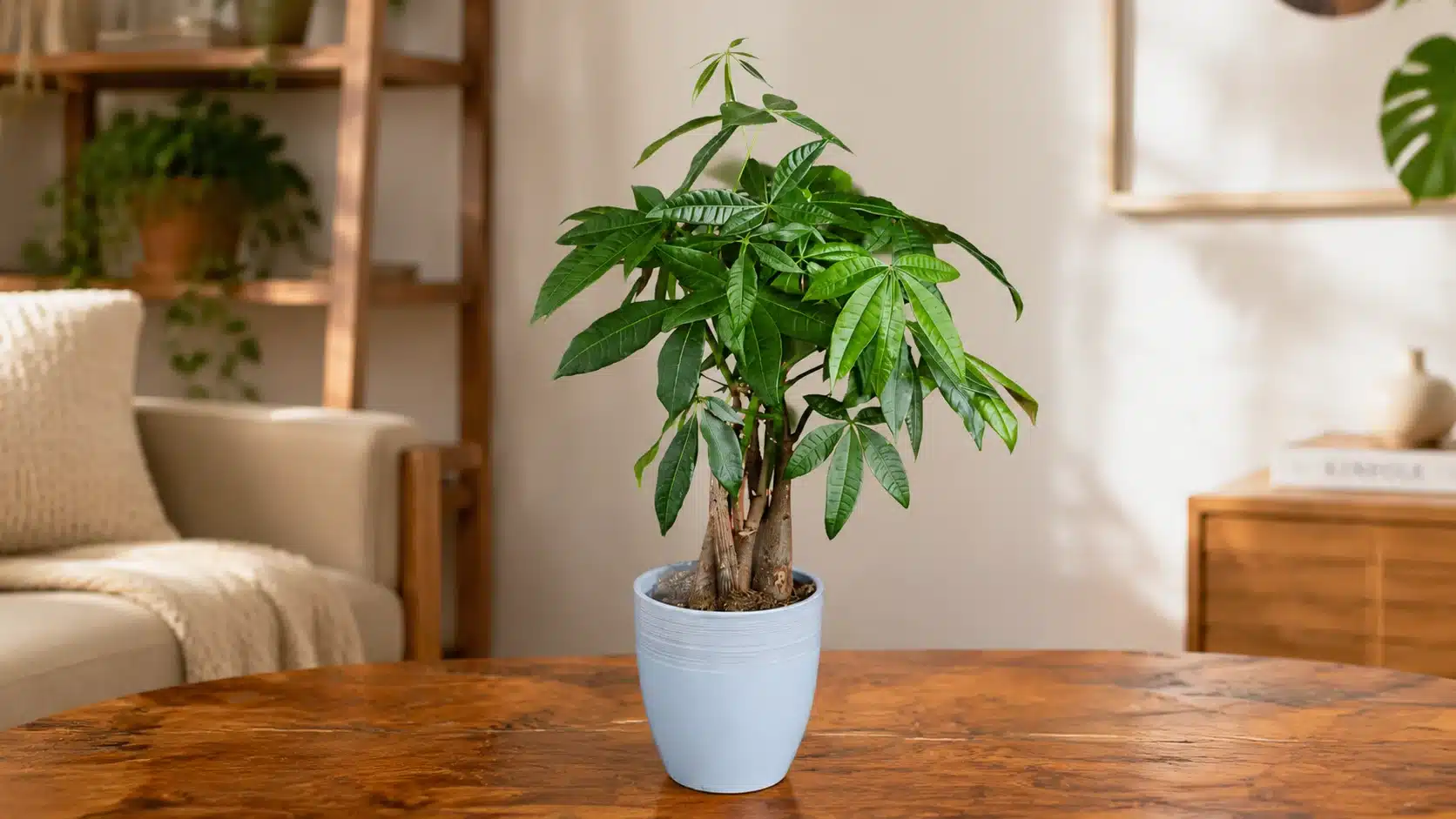
Money tree’s braided trunk and bright leaves give it a decorative look that holds up with moderate care. It prefers bright, indirect light rather than direct sun, which can scorch the leaves.
A table, dresser, or open corner near a window suits its growth. It is considered safe for cats and dogs.
21. Orchid
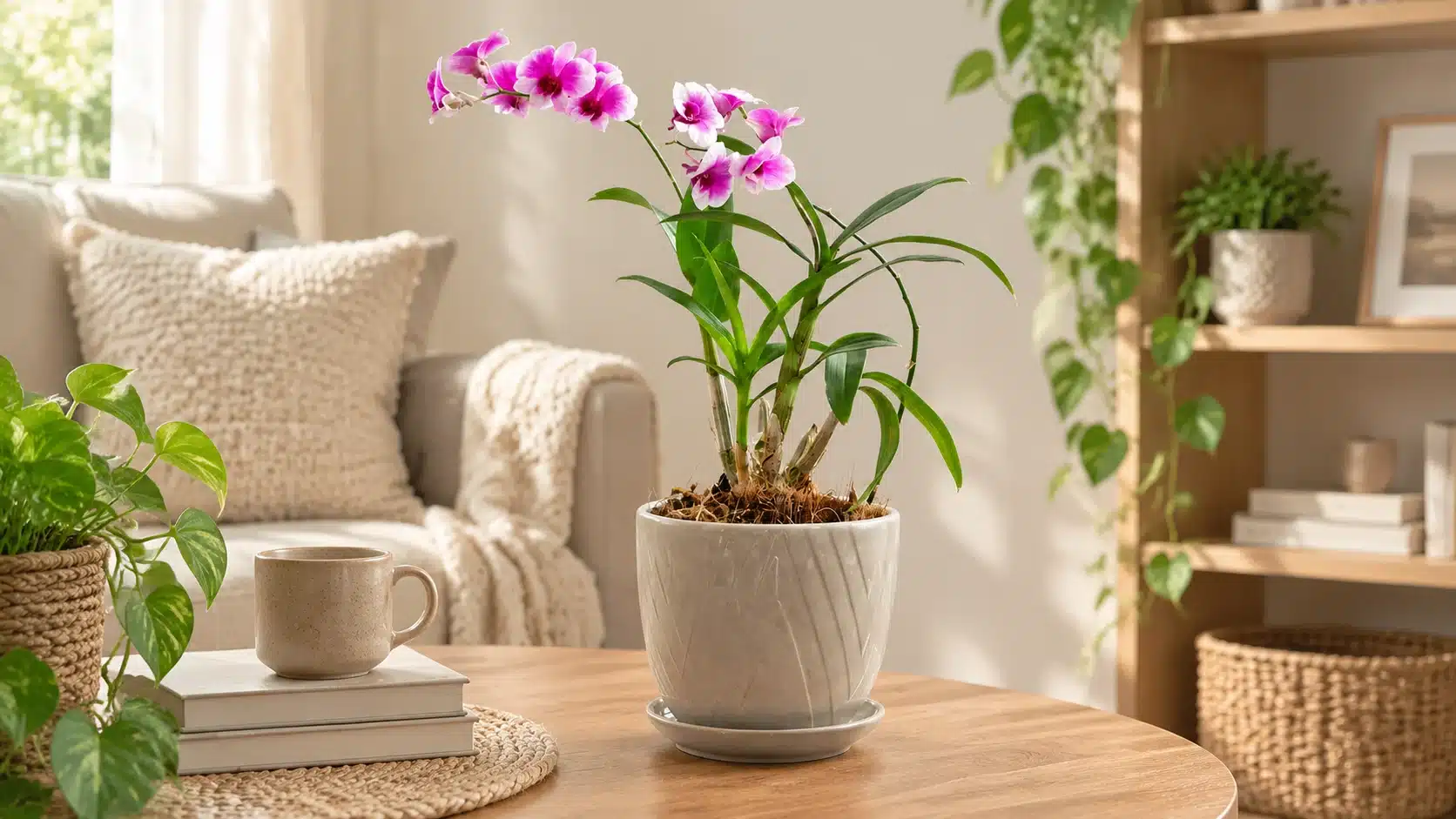
Orchid takes more careful watering than most plants on this list, since sitting in wet roots is the fastest way to kill one. Water only when the roots turn silvery-green rather than on a fixed schedule.
Bright, filtered light near a window with morning sun helps it rebloom. It is generally considered safe for cats and dogs.
22. Wax Plant (Hoya)
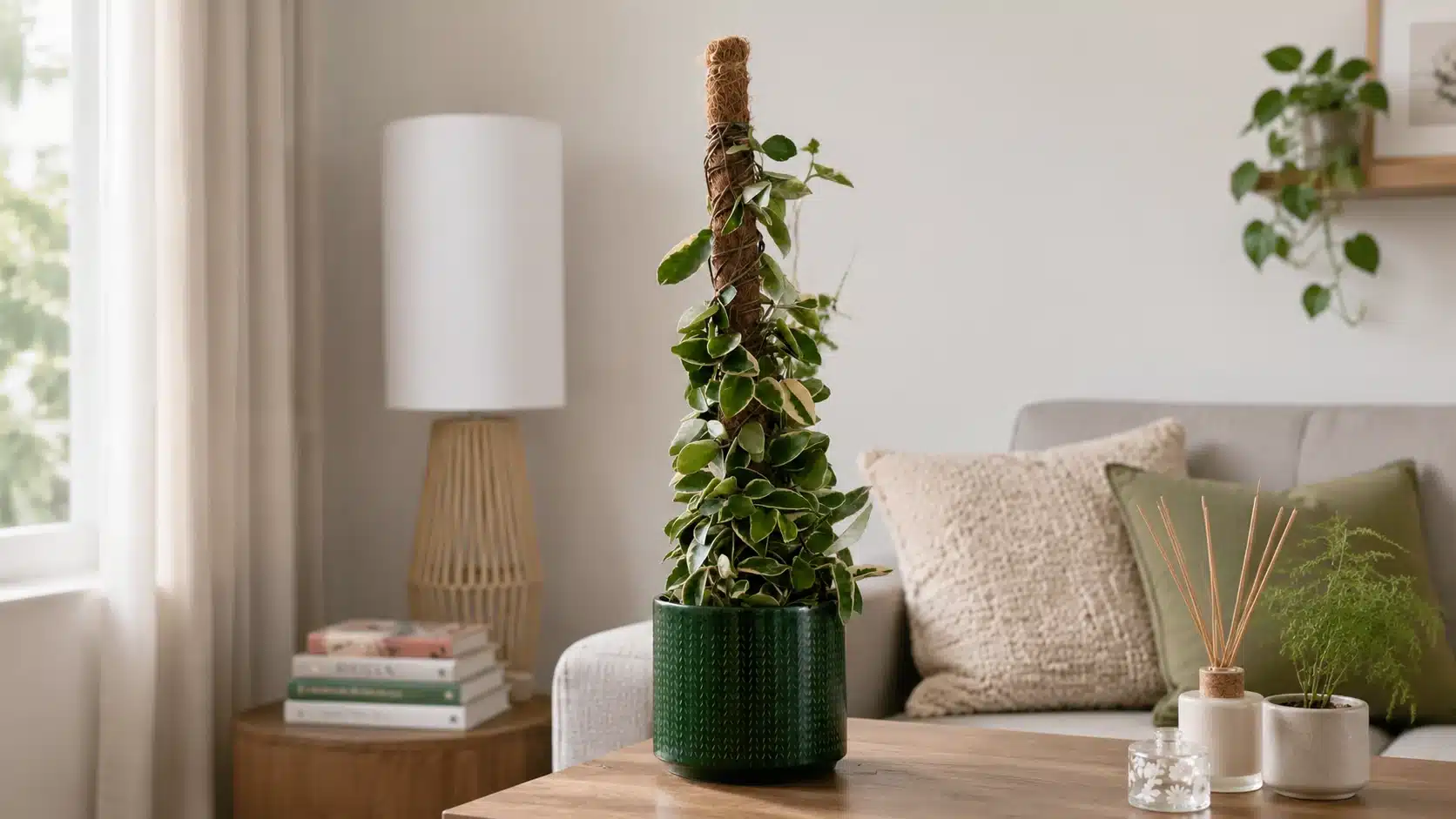
Wax plant is a slow-growing vine with thick leaves and clusters of star-shaped flowers, and patience is the main skill it demands. Overwatering, not underwatering, is the mistake that kills most hoyas.
Bright, indirect light with a moss pole or trellis lets its vines climb naturally. It is considered safe for cats and dogs.
| Tip: Group two or three plants together instead of spacing them around a room. Clustering raises humidity right around the plants, which is the one air-quality benefit houseplants reliably deliver, and it makes watering and misting far easier to keep consistent. |
How to Get the Most Out of Air-Cleaning Houseplants
None of these plants will do much good if they are struggling. A few simple habits keep them healthy and looking their best, which matters more for your home’s comfort than any air-cleaning claim.
- Wipe dust off leaves every few weeks so plants can absorb more light and keep growing steadily.
- Match each plant to the light level it actually needs rather than where it looks best.
- Water only when the top inch of soil is dry to avoid root rot, the most common cause of houseplant failure.
- Group plants together to raise humidity naturally instead of relying on individual misting.
- Use well-draining potting soil and pots with drainage holes every time.
- Open a window or run an exhaust fan regularly. Ventilation, not plants, is what actually clears VOCs and dust.
- Remove yellowing or dead leaves promptly and check for pests like spider mites or mealybugs.
- Rotate pots a quarter turn every couple of weeks to keep growth even on all sides.
Once your care routine is solid, the next question is usually which room to start in, and that is where a beginner-friendly houseplant makes the biggest difference.
Final Verdict
Choosing plants that clean the air is less about replacing an air purifier and more about creating a healthier, more enjoyable indoor space.
I hope you now have a clearer understanding of what houseplants can realistically do, as well as the best options for different light conditions, care levels, and pet-friendly homes.
Healthy plants add greenery, improve humidity, and make rooms feel more inviting when they receive the right care. Pair them with proper ventilation for the best indoor environment.
Try adding one or two varieties that suit your space, share your favorite houseplants in the comments, or check out more indoor gardening guides for additional inspiration.
Frequently Asked Questions
Where should I place air-cleaning houseplants in my home?
Place houseplants where they receive the right amount of light rather than choosing a location based on air-cleaning claims. Healthy plants thrive better and contribute more to humidity and overall indoor comfort.
Do larger houseplants clean the air better than smaller ones?
Larger plants have more leaf surface area, but the difference is too small to noticeably improve indoor air quality in a typical home. Choose plants based on available space and care requirements instead.
Can I keep air-cleaning houseplants in the bedroom?
Yes, many houseplants grow well in bedrooms if they receive enough natural or artificial light. Choose low-maintenance varieties that match your room’s lighting conditions and available space.
How often should I repot indoor houseplants?
Most indoor plants benefit from repotting every one to two years or when roots begin circling the pot. Fresh potting mix provides nutrients and gives roots more room to grow.
Which houseplants are best for apartments?
Snake plant, ZZ plant, cast iron plant, parlor palm, and spider plant are excellent apartment choices because they tolerate limited space and varying light conditions while requiring minimal maintenance.
Can artificial lights help houseplants grow indoors?
Yes. Full-spectrum LED grow lights can supplement natural light, especially in rooms with few windows. Position the light according to the plant’s needs and follow the manufacturer’s recommended daily duration.
Why are the leaves on my houseplant turning yellow?
Yellow leaves are often caused by overwatering, poor drainage, insufficient light, or natural aging. Check the soil moisture and growing conditions before making changes to your care routine.
Is it better to buy small or mature houseplants?
Small plants are usually less expensive and adapt more easily to a new environment, while mature plants provide an instant decorative effect. The best choice depends on your budget, patience, and available space.