

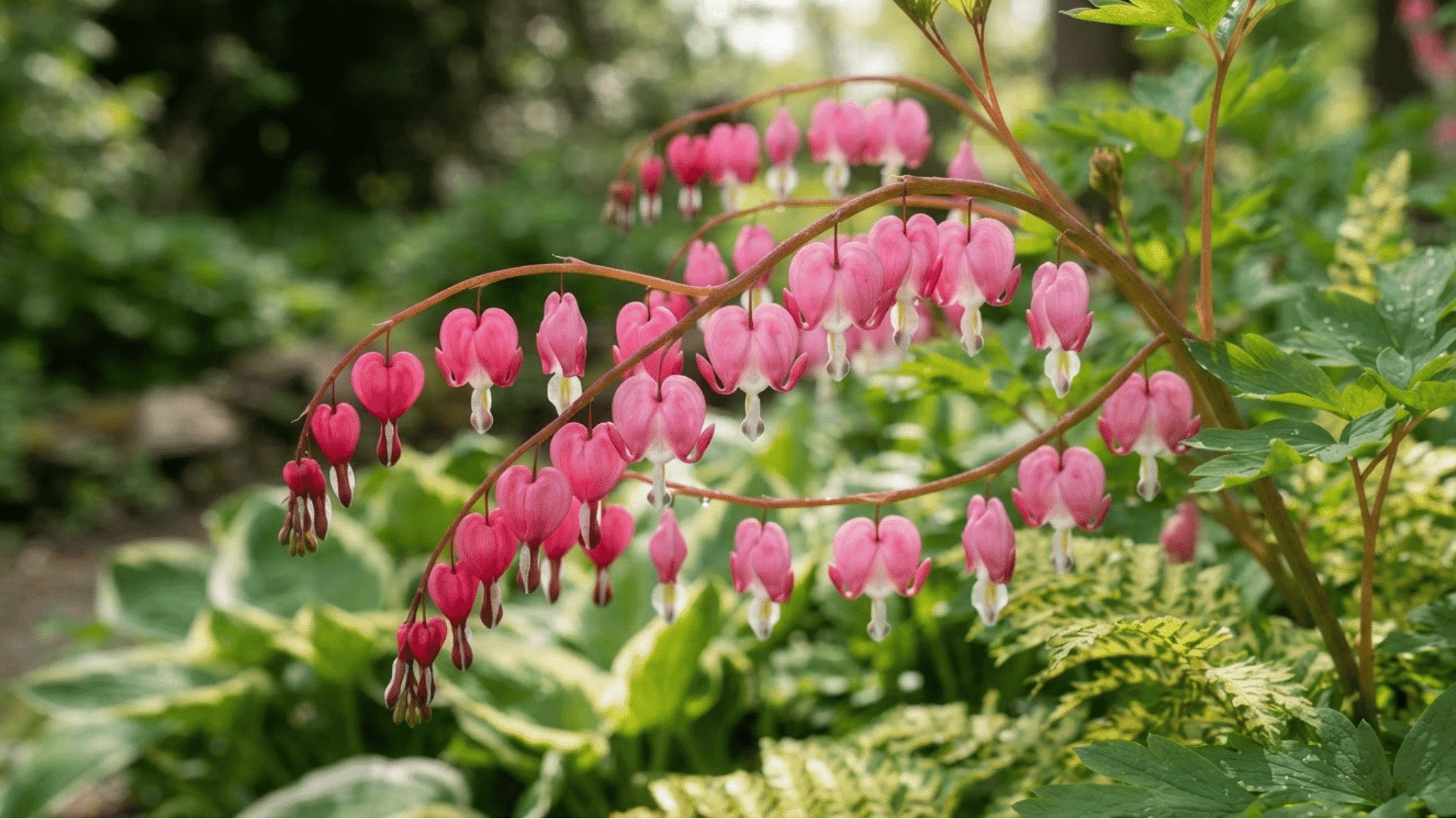
Have you ever seen a flower that looks like tiny hearts hanging from a stem? That is exactly what makes the bleeding heart flower so easy to remember.
Its soft pink and white blooms brighten shady gardens each spring and bring gentle color after winter.
Known by its botanical name, Dicentra spectabilis, this popular perennial is loved for its unusual shape and easy care.
I like how it returns year after year with very little effort once it settles in. If you want a spring flower that stands out without demanding constant attention, this plant is a great choice.
Key Takeaways
|
Bleeding Heart Varieties and Seasonal Growth
Choose the right bleeding heart variety and learn how it grows through each season for healthy plants and beautiful spring blooms.
| Cultivar / Species | Flower Color | Key Features | Best For |
|---|---|---|---|
| Old Fashioned Bleeding Heart | Pink and white | Tall, arching stems; spring bloomer | Shade gardens |
| White Bleeding Heart (Alba) | White | White blooms with green leaves | Bright shady areas |
| Gold Heart | Pink and white | Golden-yellow foliage | Colorful borders |
| Valentine | Deep red | Red flowers with dark stems | Bold flower beds |
| King of Hearts | Pink | Compact with fern-like leaves | Containers and small gardens |
| Fernleaf Bleeding Heart | Pink to rose | Fern-like foliage; long bloom season | Woodland gardens |
| Fringed Bleeding Heart | Pink, lavender, or white | Native species with long blooms | Pollinator gardens |
How to Care for a Bleeding Heart Flower?
Bleeding hearts are among the most eye-catching spring flowers, bringing pink and white color to shady garden areas.
- Sunlight Requirements: Grow in partial to full shade. Protect from strong afternoon sun.
- Best Soil Type: Use rich, moist, well-drained soil with plenty of organic matter.
- Water Needs: Keep the soil evenly moist, especially during spring and dry periods.
- Temperature & Humidity: Prefers cool temperatures and grows best in moderate humidity.
- Fertilizer Needs: Feed with compost or a balanced slow-release fertilizer in early spring.
- Mulching Tips: Apply 2–3 inches of mulch to keep roots cool and retain moisture.
How to Propagate Bleeding Heart from Cuttings?
Growing bleeding heart from cuttings is a simple way to make new plants. Follow these easy steps to help your cuttings develop healthy roots and grow well.
Step 1: Take Cuttings at the Right Time
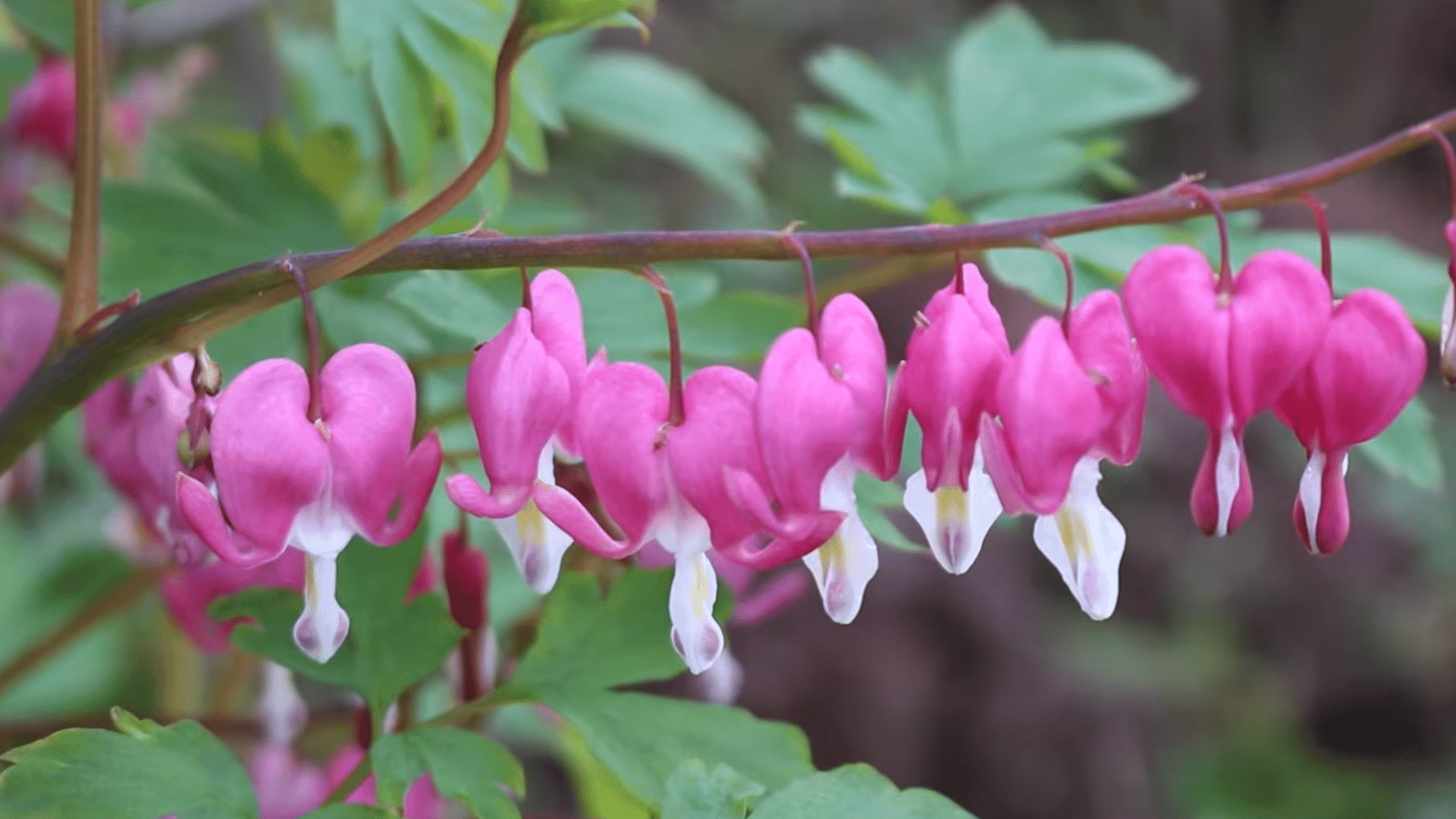
Wait until your bleeding heart plant has finished blooming in spring before taking cuttings. Choose the early morning because the stems are full of moisture and less likely to wilt.
Healthy, fresh stems root better than dry ones. Picking the right season and time gives your cutting the best chance to grow into a strong new plant.
Step 2: Choose a Healthy Softwood Stem
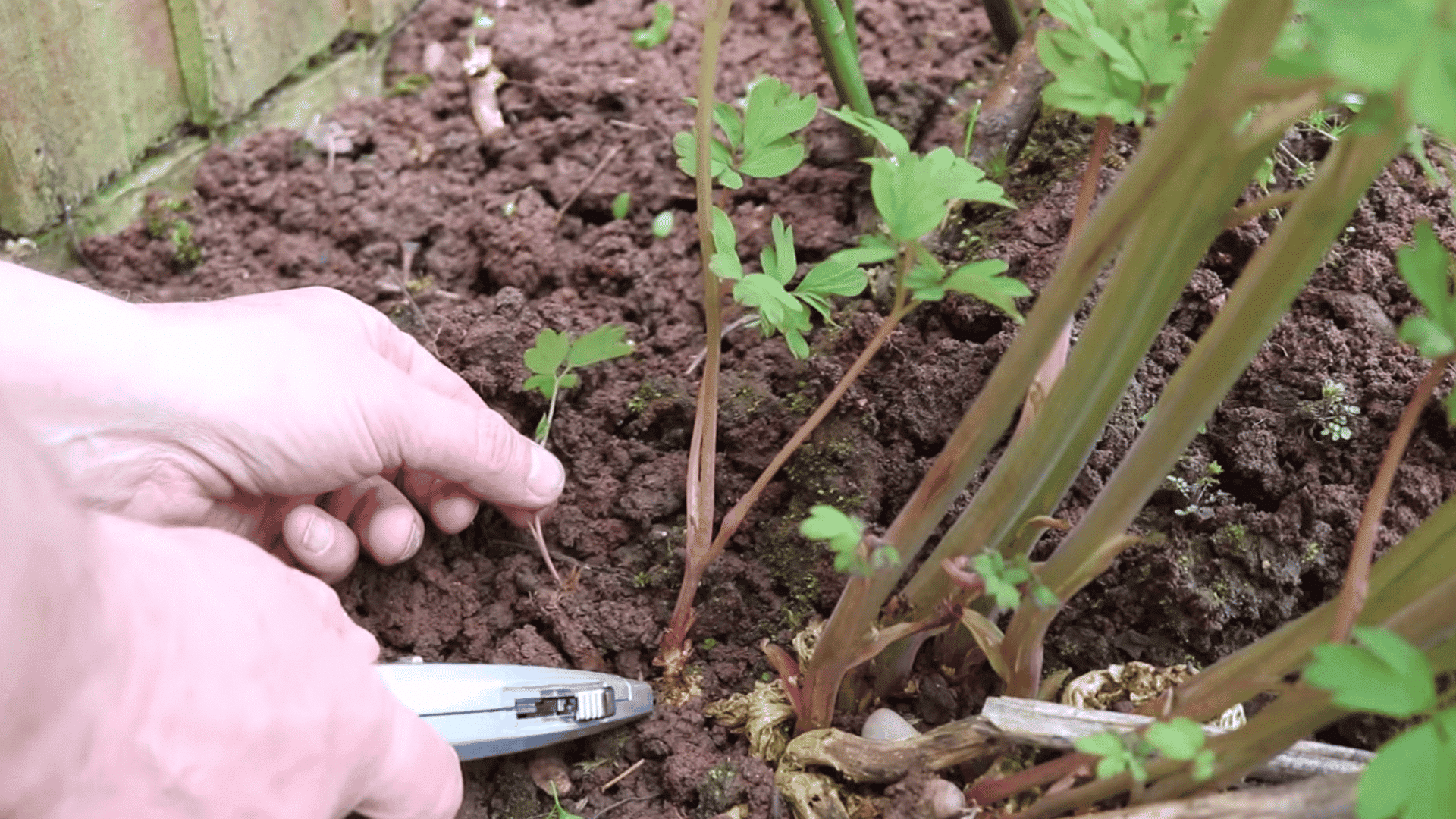
Select a young, soft stem from the outside edge of the plant. Avoid old, thick, or damaged stems because they are slower to root.
Gently pull or cut the stem, trying to keep a small piece of root attached if possible. This extra root tissue can help the cutting settle faster and begin growing new roots.
Step 3: Protect the Cutting From Drying Out
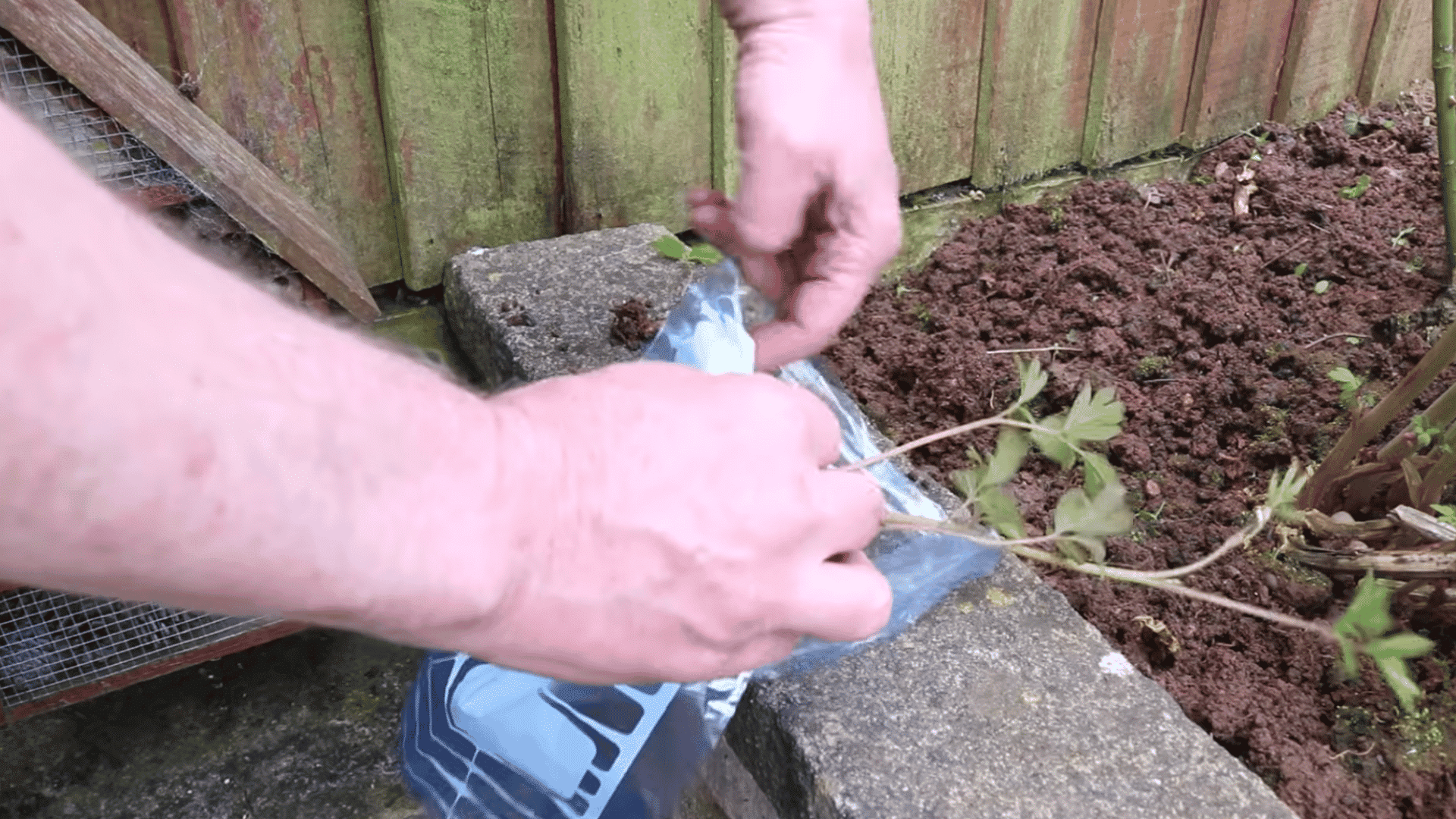
Place the cutting into a plastic bag as soon as you remove it from the plant. Fresh cuttings lose moisture through their leaves very quickly.
The plastic bag traps humidity around the cutting and helps keep it fresh while you prepare the pot. This simple step lowers stress and improves the chances of successful rooting.
Step 4: Plant the Cutting in Well-Drained Compost
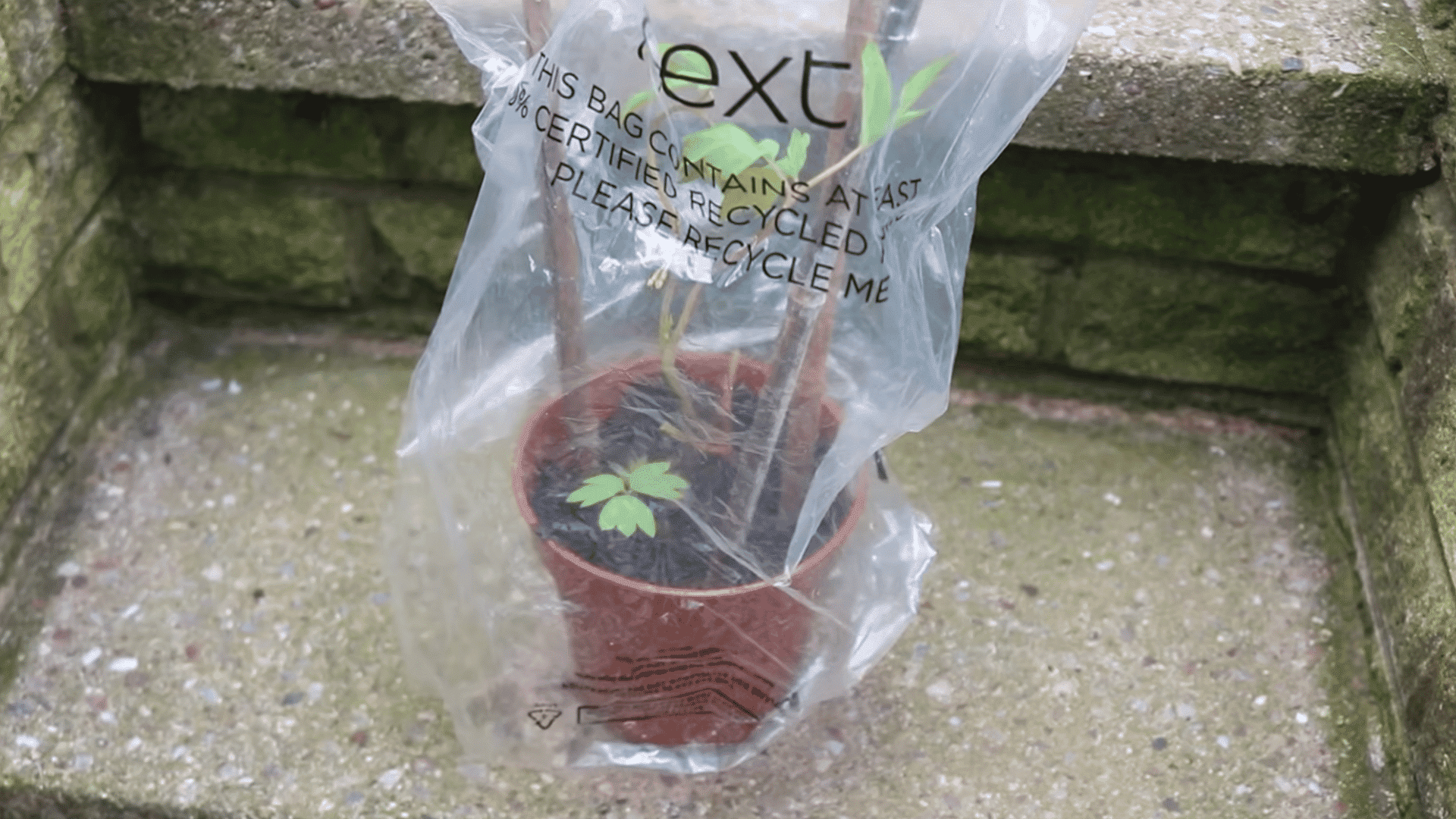
Remove the lower leaves so the cutting can focus its energy on growing roots instead of supporting extra foliage. Fill a small pot with well-drained compost and water it well.
Insert the cutting, then gently twist it so the compost sits firmly around the root. Cover the pot with a supported plastic bag to hold moisture.
Step 5: Keep the Cutting Warm and Moist
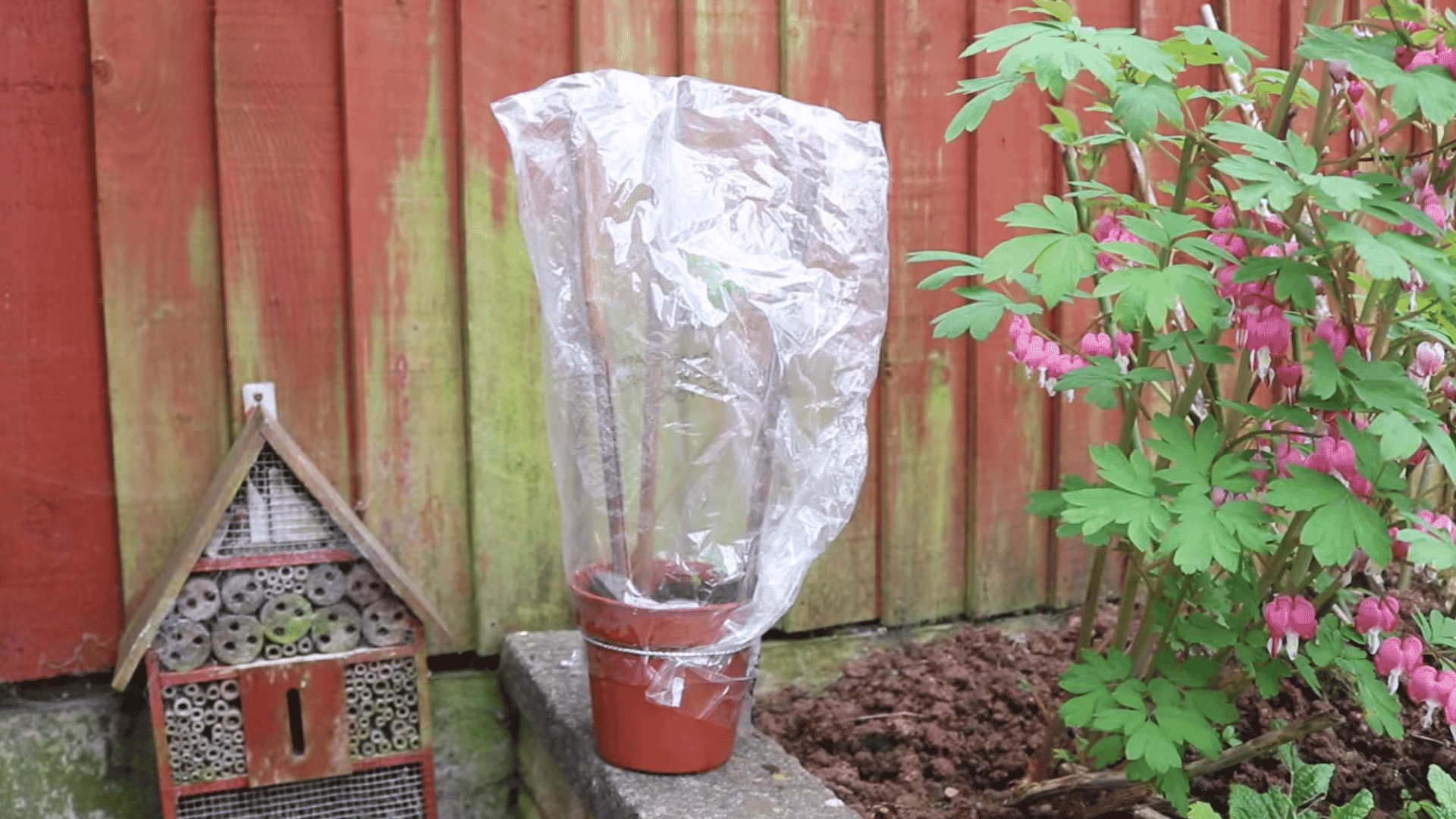
Place the covered pot in a bright spot with indirect sunlight. Keep the compost lightly moist, but avoid making it too wet because soggy soil can cause rot.
A daytime temperature between 18°C and 24°C is ideal for rooting. Leave the plastic cover in place until you notice healthy new growth on the cutting.
Step 6: Remove the Cover and Plant Outdoors
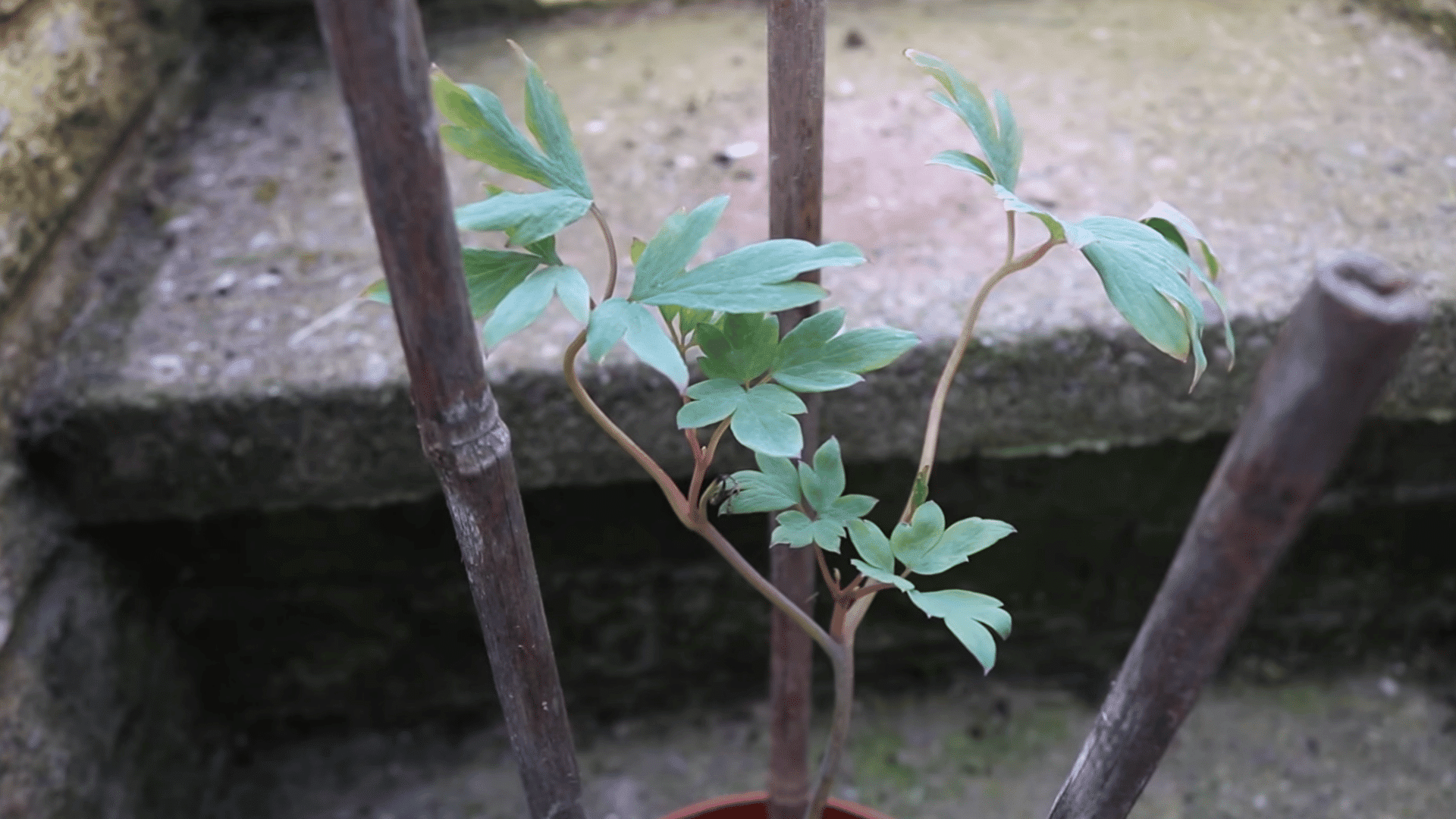
New leaves or shoots are a sign that the cutting has formed healthy roots. Remove the plastic bag and slowly help the plant adjust to outdoor conditions.
Put it outside during the day and bring it indoors at night for several days. Once it is fully hardened off, plant it in its permanent garden location.
These steps are inspired by a useful video from LearnHow2. You can watch the original tutorial on their YouTube channel here or view it below.
Propagation Methods for Bleeding Heart Flowers
Bleeding hearts can also be grown through division, seeds, or cuttings, much like many other methods used to propagate plants.
| Method | Best Time | How to Grow | Pros | Cons |
|---|---|---|---|---|
| Stem Cuttings | Late spring | Take a softwood cutting, remove lower leaves, plant in moist compost, and cover with a plastic bag until rooted. | Fast and produces identical plants. | Needs high humidity while rooting. |
| Divide Mature Plants | Early spring or fall | Lift the plant, split the root clump into sections, and replant immediately. | Quick and reliable. | Requires a mature plant. |
| Grow From Seed | Fall or spring after cold stratification | Collect seeds, chill for 6–8 weeks, then sow in moist soil. | Low cost and grows many plants. | Slow; may take 2–3 years to bloom. |
Is the Bleeding Heart Flower Poisonous?
Yes. Bleeding heart flowers are poisonous if eaten by people, dogs, or cats, but touching the plant is generally safe.
The plant contains natural compounds that can upset the stomach and cause other health problems if swallowed. The roots contain the highest amount of these compounds, though the leaves, stems, and flowers are also toxic.
Children and pets are more likely to be affected because they may chew on the plant.
If someone or a pet eats any part of a bleeding heart plant, watch for symptoms such as vomiting, diarrhea, drooling, weakness, or stomach pain and seek medical or veterinary help promptly.
| This is for informational purposes only. If you suspect a person or pet has eaten part of this plant, contact Poison Control or a veterinarian right away rather than relying on this guide alone. |
Find and Buy Bleeding Heart Plants
You can buy bleeding heart plants as live plants, bare roots, or seeds from several online nurseries and garden retailers.
| Plant / Variety | Plant Form | Nursery / Seller | Best For |
|---|---|---|---|
| Dicentra spectabilis | Live potted plant | J. Parker’s | Ready-to-plant gardens |
| Dicentra spectabilis | 1-gallon live plant | New Blooms Nursery | Established garden planting |
| Dicentra spectabilis | Bare roots | DeVroomen | Seasonal bare-root planting |
| Dicentra spectabilis ‘Alba’ | Bare root | White Flower Farm | White bleeding heart flowers |
| Dicentra spectabilis | Seeds | Sheffield’s Seed Company | Growing bleeding hearts from seed |
Before buying, check the plant carefully. Bare roots should feel firm and healthy, not dry or soft. Potted plants should have fresh green leaves without wilting or damage.
Companion Plants for Bleeding Heart
Bleeding heart grows well with other shade-loving plants, especially those that help fill the space after its foliage dies back in summer.
- Hosta: Large leaves help cover the space left by dormant bleeding hearts.
- Ferns: Their similar shade and moisture needs make them easy companions.
- Astilbe: Summer flowers add color after bleeding heart blooms begin to fade.
- Columbine (Aquilegia): Blooms in spring and prefers similar growing conditions.
- Coral bells (Heuchera): Colorful foliage helps keep shaded beds looking full later in the season.
Pests and Diseases that Affect Bleeding Hearts
Bleeding heart plants are generally easy to grow, but a few pests and diseases can affect their health. Early care helps prevent serious damage.
| Pest / Disease | Signs | How to Manage |
|---|---|---|
| Aphids | Curled leaves, sticky sap | Spray with water or use insecticidal soap. |
| Slugs and Snails | Holes in leaves | Hand-pick pests or use slug bait and barriers. |
| Powdery Mildew | White powder on leaves | Improve airflow and remove affected foliage. |
| Leaf Spot | Brown or black leaf spots | Remove infected leaves and avoid overhead watering. |
| Verticillium Wilt | Wilting and yellowing leaves | Remove infected plants; avoid planting in contaminated soil. |
| Root Rot | Yellow leaves, soft roots | Plant in well-drained soil and avoid overwatering. |
Common Problems when Growing Bleeding Heart
Healthy bleeding heart plants grow well with proper care. Avoid these common mistakes to encourage strong growth, healthy leaves, and reliable spring blooms.
- Overwatering may cause yellow leaves, weak growth, and root rot.
- Poor soil drainage can keep the roots wet and damage the plant.
- Letting the soil dry out too much may cause wilting and slow growth.
- Cutting back green foliage too early can reduce next year’s blooms.
- Mistaking summer dormancy for plant death may lead to unnecessary removal.
- Planting the crown too deep can limit growth and flowering.
Conclusion
Spring perennials are a great choice if you want flowers that come back year after year with little effort.
By planting them in the right soil, giving them enough sunlight or shade, and watering them properly, you can enjoy healthy plants that bloom each spring.
Wide varieties are also easy to divide, so you can grow your garden without spending more money.
With simple care, these plants add lasting color and life to your yard for many seasons.
If you’re ready to refresh your garden, start with a few spring perennials and enjoy beautiful blooms that return every year.
Frequently Asked Questions
What Does the Bleeding Heart Flower Symbolize?
The bleeding heart flower symbolizes love, compassion, and deep emotions. It is also linked with heartbreak, forgiveness, and lasting affection, making it a meaningful choice for gardens and floral gifts.
Do Hummingbirds Like Bleeding Heart Flowers?
Yes. Hummingbirds are attracted to the hanging, tube-shaped flowers because they provide nectar. Planting bleeding hearts can help bring more hummingbirds to your spring garden.
Is Bleeding Heart an Invasive Plant?
No. Bleeding heart is not considered an invasive plant. It grows in clumps and spreads slowly, making it easy to manage in most home gardens.
Why Isn’t My Bleeding Heart Blooming?
Bleeding heart may not bloom due to too much sun, too much water, or recent planting. Young plants may also need time to establish before flowering.