

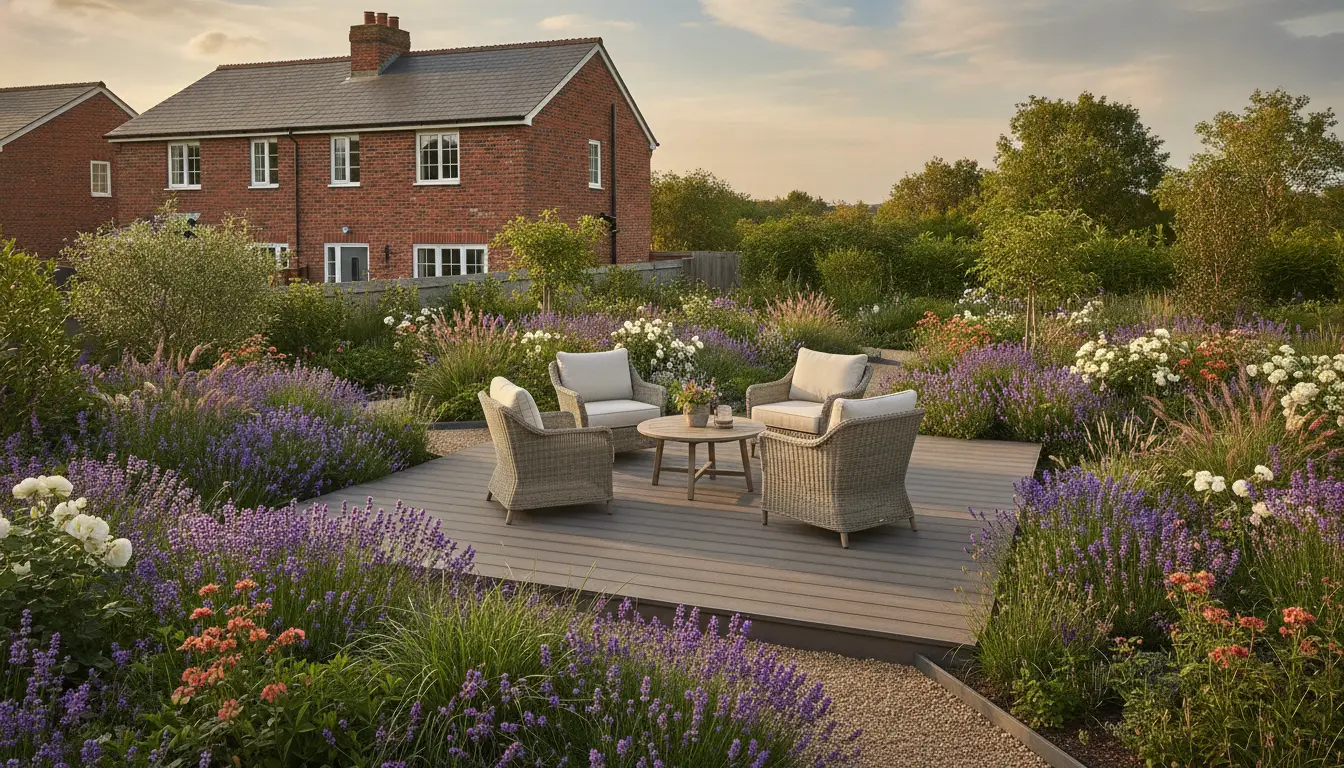
The UK’s Garden Design Boom: Why Demand Is at an All-Time High
It’s Sunday evening, you’ve spent three hours down a Pinterest rabbit hole, and you’ve saved enough garden inspiration to redesign a small stately home.
There’s a sleek Japanese courtyard, a Mediterranean patio, and a fire pit your partner has already vetoed before you’ve even mentioned it. Sounds familiar?
Homeowners across the UK are finally abandoning the ‘mow-and-hope’ method and investing in creative garden designs. So, before you buy another bag of gravel you don’t need, let’s explore what’s driving the trend and how you can design a garden you’ll enjoy.
Outdoor Living
Your garden is no longer just somewhere to store the bins and dry the washing. Increasingly, homeowners are treating outdoor spaces as extensions of their houses—somewhere to eat, socialise, work, and unwind.
After a few years of spending more time at home, people started noticing that their gardens weren’t set up for everyday use. A patchy lawn and a wobbly patio table don’t exactly scream ‘outdoor dining experience.’
Instead of mowing and hoping for the best, you can create a sheltered spot for morning coffee, a corner for the kids, and a decent area for barbecues. That kind of thinking calls for detailed design plans, not just a trip to B&Q on a Saturday afternoon.
Property Value
If you’re thinking about selling your home at some point, your garden could do some of the heavy lifting. First impressions count, and a well-designed outdoor space can significantly boost your property’s kerb appeal.
Buyers notice gardens that feel intentional. Thoughtful planting, clear structure, and a layout that makes sense all signal that your home has been looked after.
That’s why many homeowners now see garden design as an investment instead of another weekend project. Luckily, you don’t need a garden worthy of the Chelsea Flower Show. You just need one that feels practical and enjoyable to spend time in.
Low-Maintenance Gardens
Here’s the truth: most people want a gorgeous garden, but very few want to spend every spare weekend weeding, pruning, and replacing plants.
Because of this, low-maintenance designs have exploded in popularity. Nowadays, it’s better to choose layouts and planting schemes that look great but don’t demand constant attention. That includes hardy perennials, gravel borders, and composite decking.
Professional garden styling services have picked up on this change, too. Many now specialise in creating outdoor spaces that balance style with long-term practicality, so you get a garden that works with your schedule instead of against it.
Climate Change
Even if your garden hasn’t changed in the last decade, the weather certainly has. The conditions you originally designed your space for aren’t the same anymore. Summers are hotter, rainfall is heavier, and hosepipe bans have become the norm across the UK.
All of this is pushing homeowners toward climate-resilient designs. Drought-tolerant plants like lavender and sedum are replacing thirstier species. Permeable paving and rain gardens are also gaining popularity as practical ways to handle sudden downpours.
Designing with the climate in mind doesn’t mean sacrificing style. It means picking plants and materials that can handle what the British weather throws at them.
How to Design a Garden That Works for You
With so many ideas floating around online, you may be tempted to skip straight to the fun part: choosing plants, picking paving, ordering that fire pit your partner definitely said no to. But the best garden designs start with a plan. Here’s what you should keep in mind.
Start with How You Want to Use the Space
Before you choose a single plant, ask yourself what you actually need your garden to do. Do you want somewhere to entertain? Space for children or pets to run around? A quiet corner for reading? Or maybe you’ve always fancied growing your own vegetables.
Your answers will shape everything from layout to materials. A garden designed around your lifestyle will always feel more useful and enjoyable than one copied from a magazine.
Work with Your Garden’s Natural Conditions
Every garden has its own quirks, whether it’s heavy clay soil, a shady corner that never dries out, or a south-facing wall that bakes everything planted near it.
Understanding these conditions before you start will save you a fortune in dead plants and wasted effort. The more you work with your garden’s natural conditions, the easier it becomes to create a space that’s both attractive and easy to maintain.
Choose Plants You’ll Enjoy Looking After
It’s easy to fall for lush planting schemes in the garden centre when everything is in full bloom and a professional has been watering it daily. Once those plants are in your garden, however, keeping up with their feeding schedule is often easier said than done.
To avoid this, pick plants that suit your soil, your climate, and the amount of time you’ll realistically spend looking after them. Native species and hardy perennials, in particular, tend to be forgiving, which is exactly what most of us need.
Plan for Every Season
A garden that only looks good for six weeks in June and July is a missed opportunity. However, if you combine evergreen cultivars with seasonal flowers and textural plants, you’ll have something worth looking at all year round.
Winter doesn’t have to mean staring at bare soil, either. Grasses that catch the frost, berries that carry colour through December, and evergreen hedges will all keep your garden feeling alive even when everything else has gone dormant.
Leave Room for the Future
Your garden will change, and so will your life. The toddler who needs a sandpit today will want a football goal in three years and a firepit area a decade later.
So, build flexibility into your layout. Leave room for plants to mature and resist the urge to fill every last centimetre on day one. Rearranging your outdoor furniture is easy. Relocating a fully grown tree is a different conversation entirely.
Conclusion
Your garden is already out there, waiting. Whether you’re after a full redesign or just a smarter layout that makes weekends easier, the hardest part is usually getting past the Pinterest board and into the actual planning.
So, start small, think practically, and don’t be afraid to ask for help. After all, your goal isn’t to create the most impressive garden on the street. It’s to design one you’ll actually enjoy using.