

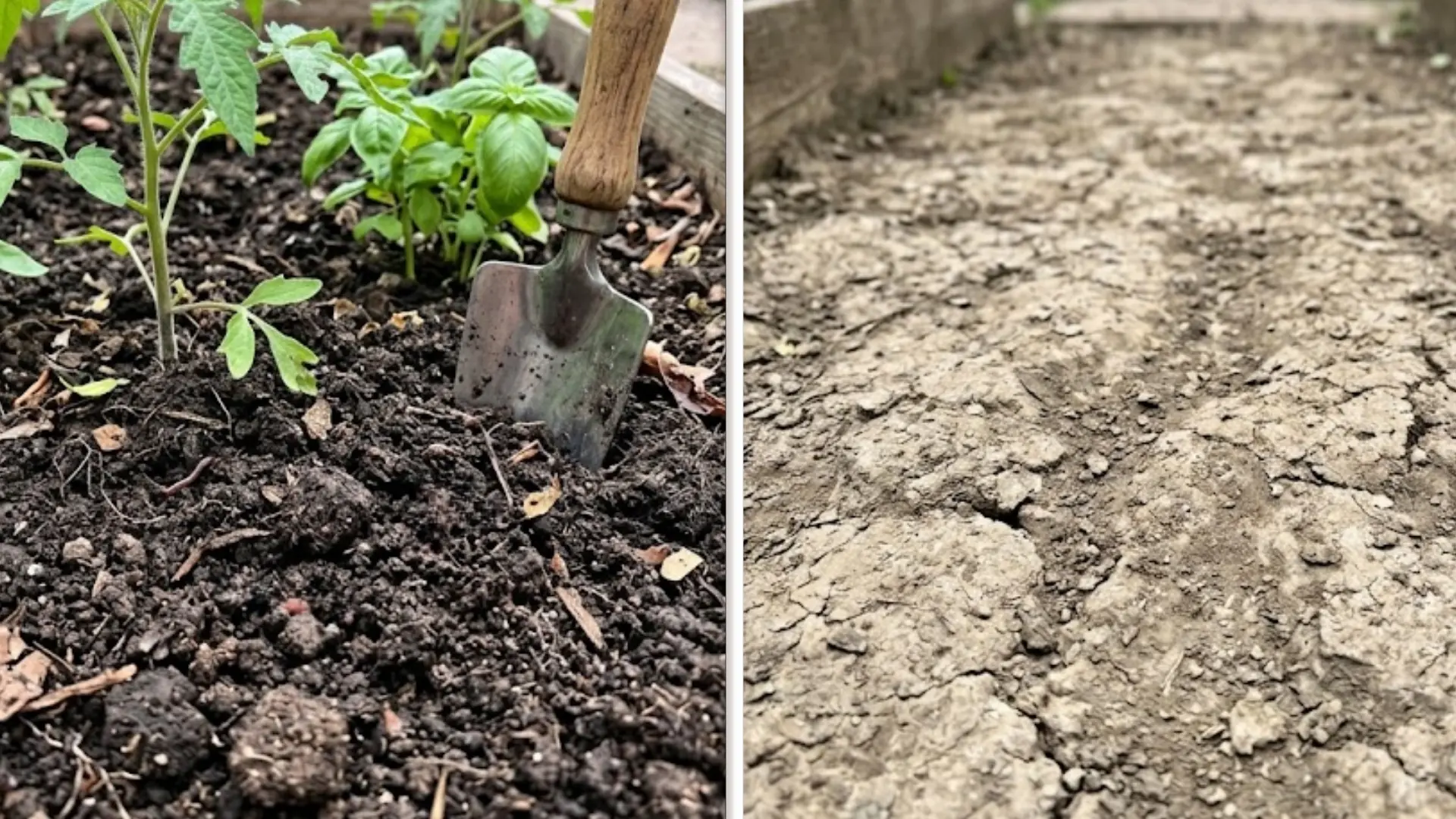
Some ground grows plants easily, while other ground just sits there. Soil vs. dirt isn’t just two words for the same thing. It’s a real difference that decides how well your plants grow.
Not every brown pile in your yard deserves the same name. Some patches feel loose and rich, while others feel packed and flat.
I’ve seen gardens struggle simply because someone used plain dirt instead of soil. You deserve to know what’s under your feet before you plant anything.
A little knowledge here saves you time, money, and wasted effort later. Once you understand this soil vs. dirt divide, your garden choices get so much easier.
Now let’s break down exactly what sets them apart.
What Is Soil?
Soil is more than just dirt under your feet. It’s a mix of tiny mineral bits, broken-down leaves and plants, water, air, and living things like worms and bacteria.
All these parts work together. Soil gives plant roots a place to grow and hold on. It also acts like a sponge, storing water for roots to sip on later.
Nutrients sit in the soil too, feeding plants what they need to grow strong. Without healthy soil, plants would struggle to survive.
It’s the quiet foundation that keeps gardens, farms, and forests alive and growing.
What Does “Dirt” Really Mean?
Dirt isn’t really a science word. It’s just how people talk about soil in daily life. When soil gets tracked onto your kitchen floor, you call it dirt.
When crews dig up ground at a construction site, that pile gets called dirt too. Even hard, compacted ground that plants can’t grow in might get called dirt.
So the word changes based on where soil ends up or how it’s being used. It’s not that dirt and soil are two totally different things.
It’s more about context, location, and whether the material still has any life or use left in it.
Soil vs Dirt: Breaking Down the Differences
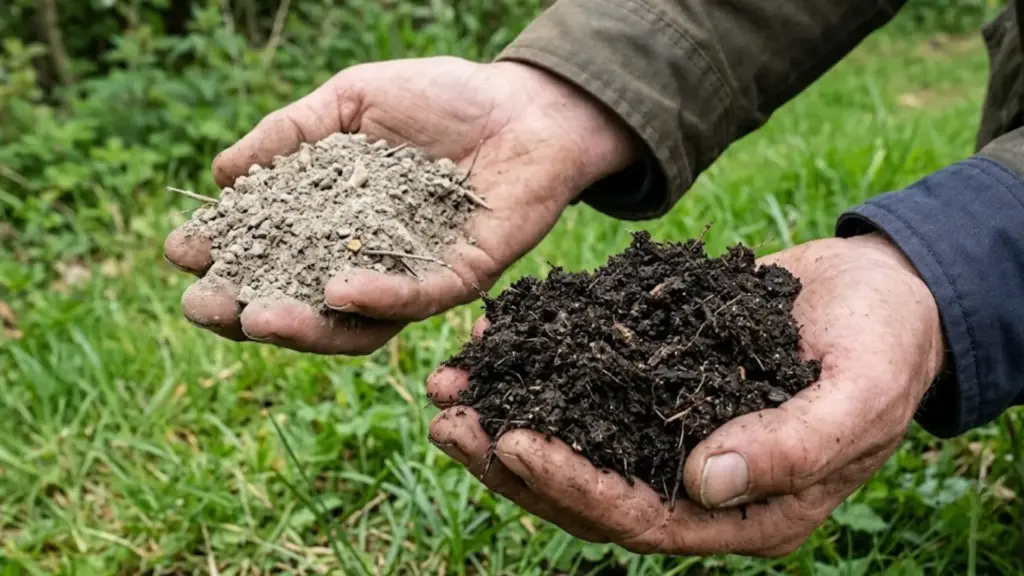
Soil is alive and helps plants grow, while dirt is just what I call earth I don’t want around. Here’s how I tell the two apart:
1. Biological Activity
Soil: Healthy soil is packed with life working together underground. Microorganisms, fungi, insects, and plant roots all interact in it.
Dirt: Dirt usually gets talked about without any focus on the living things inside it. Nobody thinks about bacteria or fungi when sweeping up a dusty floor. The word skips over biology completely and just points at the material itself.
2. Structure
Soil: Good soil has clumps called aggregates with small gaps called pore spaces between them. These gaps let water and air move through.
Dirt: Dirt often lacks that same organized structure entirely. It may be packed tight, with no clear aggregates or open pore spaces. Water can’t move through it well, air can’t circulate, and roots struggle to push through.
3. Organic Matter
Soil: Soil often contains decomposed leaves, old plant bits, and humus. These materials feed the living things inside it.
Dirt: Dirt is sometimes just mineral material with very little organic matter left in it. It may have been scraped away during digging or construction work. Organic matter levels also vary widely between soils, so this isn’t a strict rule.
4. Disturbance and Compaction
Soil: Undisturbed soil keeps its natural layers and structure over time. Roots, water, and air all move through it easily.
Dirt: Dirt often comes from ground that’s been dug up, driven over, or worn down by erosion. Construction equipment and foot traffic can flatten the structure. Once compacted this way, it loses the gaps that air and water need to pass through.
5. Function for Plants
Soil: Healthy soil gives roots something to grip onto as they grow. It also holds moisture, air, and nutrients close by.
Dirt: Compacted or disturbed dirt usually can’t offer plants the same support. Roots have a harder time pushing through packed ground. Without good structure and biological activity, plants often struggle to thrive there.
Can Dirt Become Soil?
Yes, dirt can turn into healthy soil over time. It just takes some patience and the right steps. Adding organic matter, like compost, gives helpful microbes something to feed on.
This boosts biological activity in the ground. Loosening up compacted dirt helps air and water move through it again. A layer of mulch on top protects the surface from sun and heavy rain.
Even plant roots help by slowly breaking up tight, packed ground as they grow. Compost worked into poor garden soil can also make a big difference. For bare or construction-flattened ground, hydroseeding your lawn is another route people take to get grass and organic activity going faster.
None of this happens overnight, though. Rebuilding soil is a slow, steady process, not an instant fix.
What Gardeners Say About Soil and Dirt?
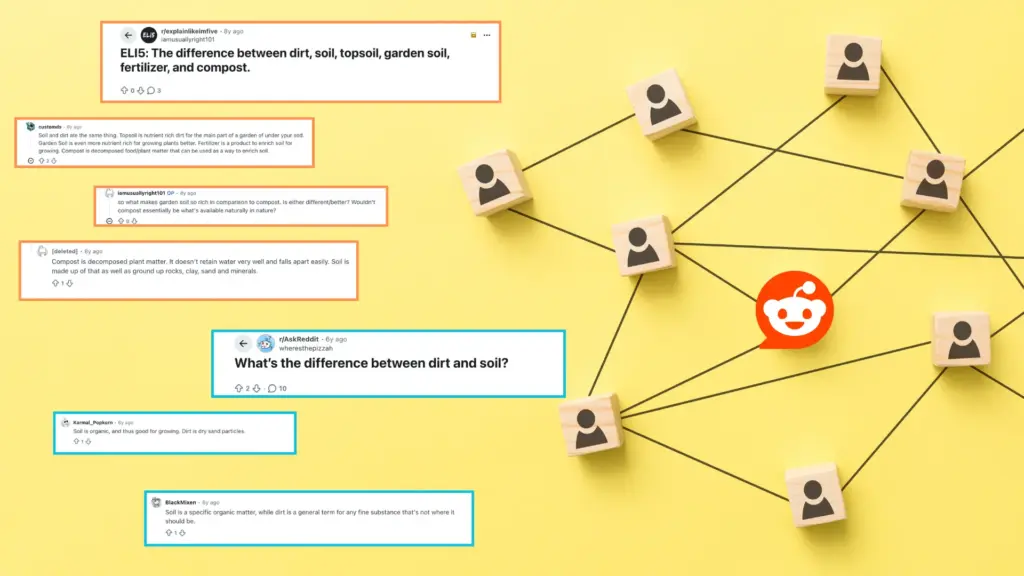
Regular gardeners often debate this exact topic online. In one Reddit thread, someone explained that soil and dirt are the same thing.
They added that topsoil means nutrient-rich dirt found under your lawn or garden bed. Garden soil is even richer, made specifically to help plants grow better.
Fertilizer and compost both work to boost that richness over time.
In another thread, a commenter offered a simpler rule: soil is organic, while dirt is just displaced material. Both explanations line up with what most gardeners already believe.
How to Tell If You Have Healthy Soil or Poor Dirt?
A few simple checks can tell you a lot. Here’s what I look for:
- Texture: Healthy soil feels loose and crumbly in your hand. Poor dirt often feels sticky, powdery, extremely hard, or heavily compacted.
- Water movement: Good soil drains at a steady pace without pooling. Poor dirt may show standing water, surface crusting, or heavy runoff after rain.
- Signs of life: Healthy soil usually has earthworms, roots, insects, and fungal activity. You’ll also spot decomposing leaves and plant bits mixed in.
- Plant growth: Strong roots, healthy leaves, and steady growth point to good soil. Stunted or weak plants often signal poor, unhealthy dirt.
- Soil test: When in doubt, a simple soil test confirms pH levels and nutrient content. It’s the most reliable way to know for sure.
These checks only take a few minutes but tell you so much. Once you know what you’re working with, you can decide what steps to take next.
Frequently Asked Questions (FAQs)
Can You Grow Plants in Dirt?
Plants can struggle in dirt since it often lacks nutrients, structure, and living organisms. Soil supports growth far better than plain dirt.
Is Potting Soil the Same as Garden Soil?
No, potting soil is a specialized mix made for containers. Garden soil is meant for outdoor ground and in-ground planting beds.
How Long Does It Take Dirt to Become Soil Naturally?
Naturally, this process can take many years or even decades. Adding organic matter and reducing disturbance speeds up the transformation significantly.
The Bottom Line
Now you know soil and dirt aren’t the same thing at all. Life makes the difference between ground that helps plants and ground that doesn’t.
Dirt just sits there, but soil breathes, feeds, and grows things you love. You now know why one pile of ground beats the other every time. Check your yard before planting anything new.
Your plants deserve real soil, not tired, worn-out dirt. Small changes like adding compost or loosening tight ground can turn things around fast.
You hold the power to bring dead ground back to life. Grab a handful of your ground right now and see what you’re really working with. Drop a comment below and tell me what you found!