

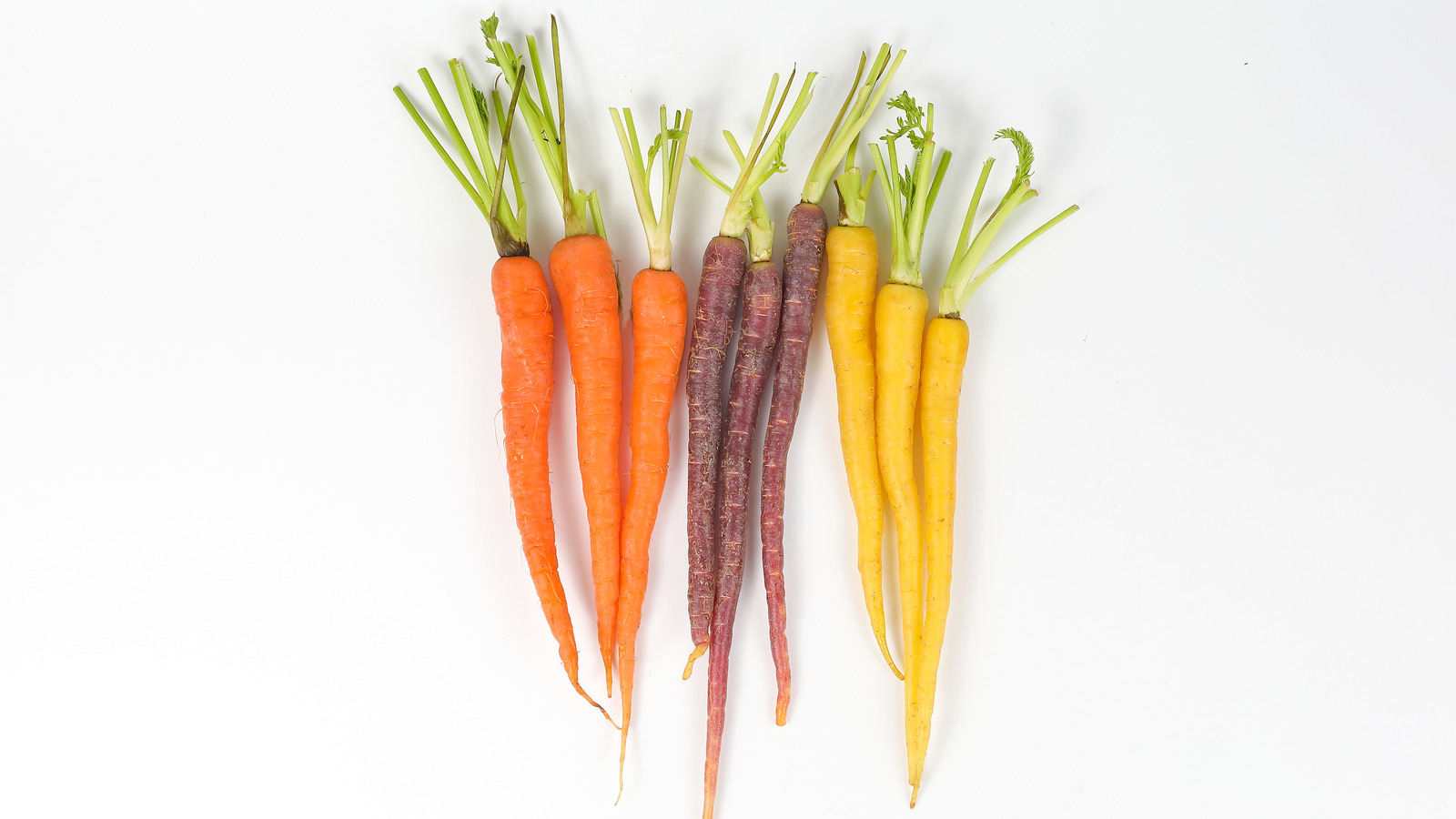
Have you ever noticed that carrots growing in one part of your garden do much better than those planted somewhere else?
The difference is often more than just soil or watering. Many experienced gardeners rely on companion planting to help reduce pest problems, make better use of space, and encourage healthier crops.
Carrot companion plants can play an important role when chosen carefully, but not every neighboring plant is a good match.
In this guide, you’ll find some of the best plants to grow with carrots, which combinations to avoid, and practical tips from real gardening experience to help you grow a stronger, more productive crop.
Quick Answer: What Is Companion Planting?
Companion planting is the practice of growing different plants close together so they can support each other’s growth and create a healthier garden.
Compatible plants may help deter certain pests, attract beneficial insects, improve soil health, provide shade, or make better use of available space.
This gardening method is commonly used in vegetable gardens to encourage stronger, more productive crops without relying solely on chemical treatments.
While companion planting can offer several benefits, it works best when combined with proper watering, fertile soil, adequate spacing, and regular garden maintenance.
Benefits of Carrot Companion Planting
Companion planting can improve carrot growth by creating a healthier garden environment and reducing common growing challenges.
- Helps Reduce Pest Problems: Certain companion plants, such as onions and chives, may help mask the scent of carrots and discourage pests like carrot flies.
- Makes Better Use of Garden Space: Fast-growing or shallow-rooted companions can grow alongside carrots without competing heavily for space, allowing you to maximize your garden beds.
- Improves Soil Health: Legumes such as peas and beans add nitrogen to the soil, supporting nearby plants and contributing to overall soil fertility.
- Attracts Pollinators and Beneficial Insects: Flowers like marigolds, calendula, and alyssum attract pollinators and predatory insects that help keep harmful pests under control.
- Provides Light Shade: Leafy vegetables can offer partial shade during hot weather, helping the soil stay cooler and retain moisture around developing carrot roots.
- Reduces Weed Growth: Companion plants that spread across the soil surface can suppress weeds, reducing competition for water and nutrients.
- Encourages Better Garden Biodiversity: Growing a variety of compatible plants creates a more balanced garden ecosystem, which can improve resilience against pests and diseases.
- Supports Healthier Carrot Growth: When paired with suitable companions and proper care, carrots are more likely to develop strong foliage and straight, well-formed roots.
Best Carrot Companion Plants
The following companion plants are widely recommended by experienced gardeners because they can support healthier carrot growth and improve garden diversity.
1. Onions and Other Alliums
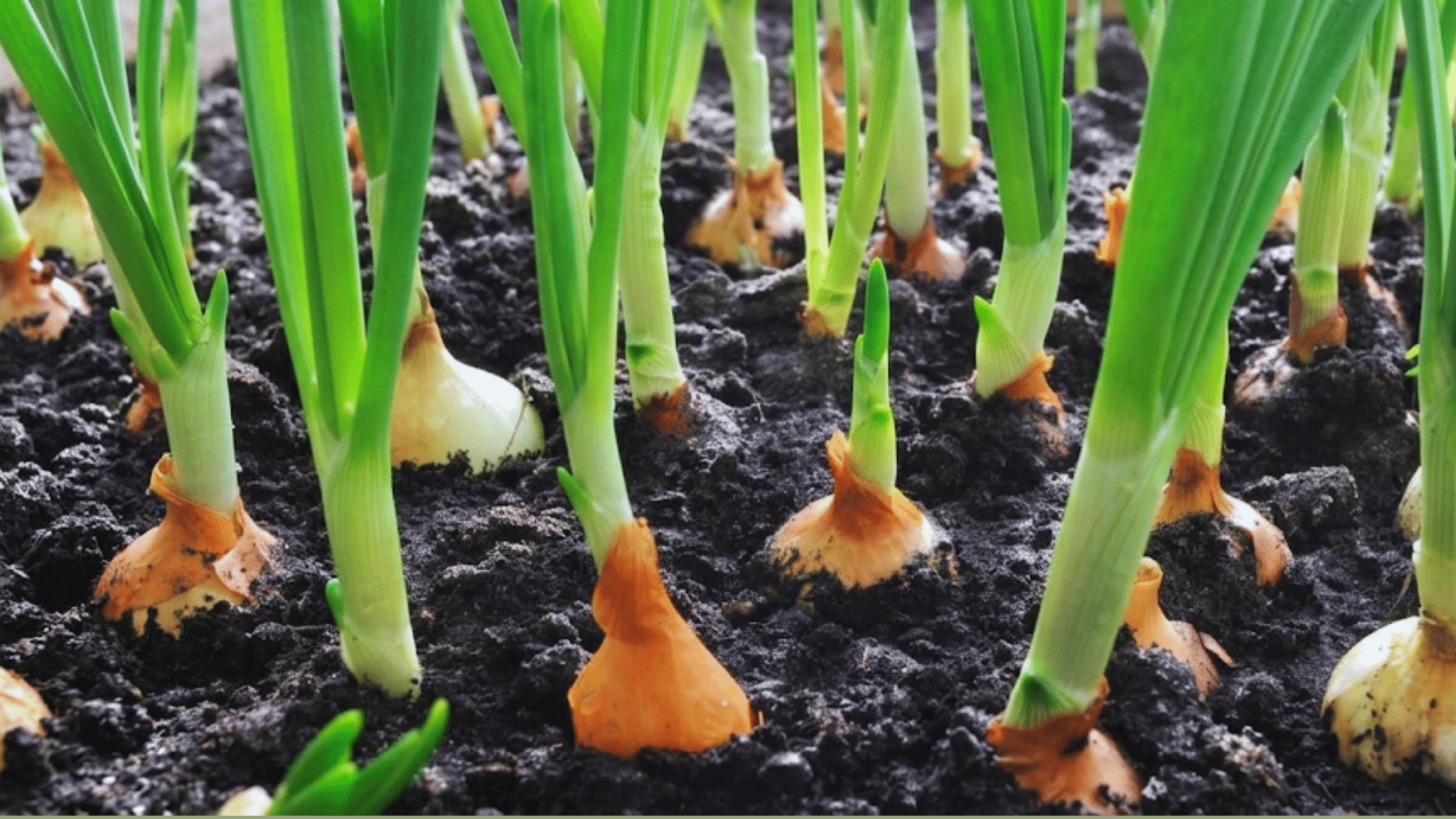
Onions and other alliums, including garlic, chives, leeks, and shallots, are among the best carrot companion plants.
Many gardeners grow them together because their strong aroma may help mask the scent of carrots, making it more difficult for carrot flies to locate the crop.
At the same time, carrots can help confuse pests that target alliums.
These plants generally have compatible growing habits and do not compete heavily with carrots for nutrients.
Leave 4 to 6 inches of spacing between alliums and carrot rows to promote good airflow and give both crops enough room to develop healthy roots and bulbs.
2. Lettuce and Leafy Greens
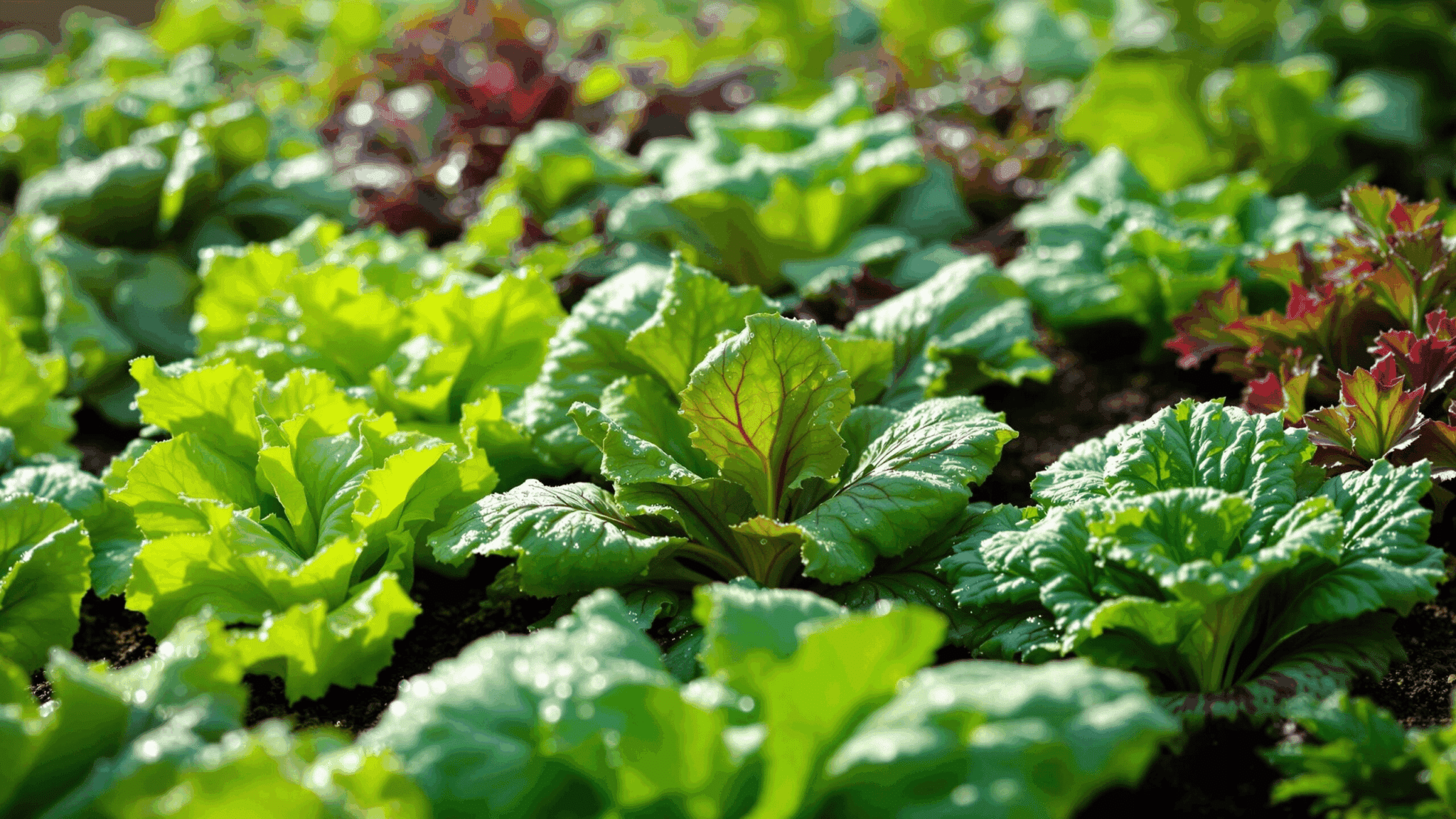
Lettuce and other leafy greens, such as spinach, are excellent companions for carrots because they provide light shade that helps keep the soil cool during warm weather.
Their broad leaves reduce moisture loss by limiting evaporation, creating more stable growing conditions for developing carrot roots.
Leafy greens have shallow roots, while carrots grow deeper, so they rarely compete for space or nutrients.
Most lettuce varieties also mature much sooner than carrots, allowing you to harvest them early and leave extra room for carrots to continue growing.
3. Radishes
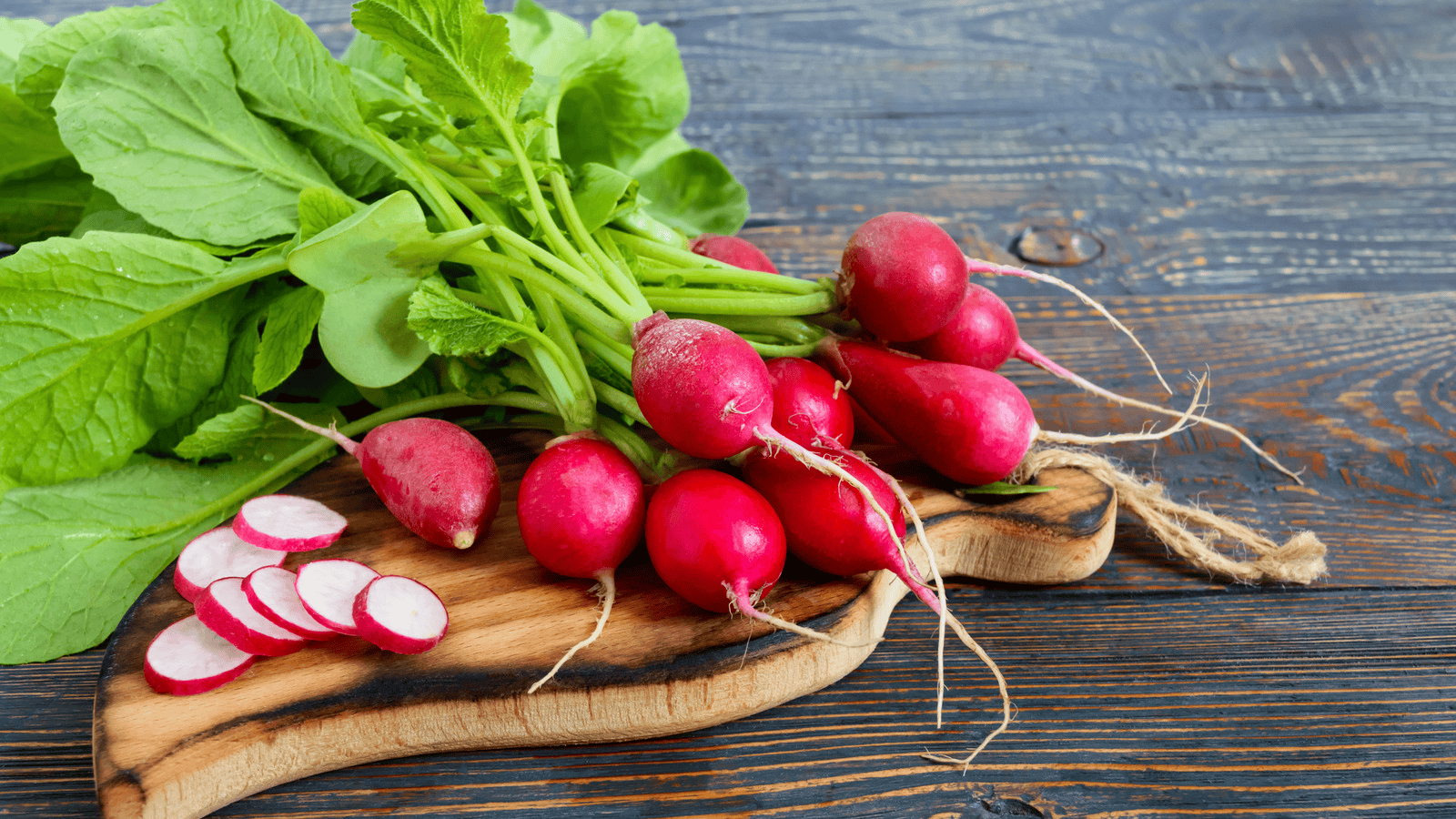
Radishes are a classic companion plant for carrots because they germinate much faster, making it easier to identify carrot rows before the slower-growing seedlings emerge.
As radish roots develop, they can help loosen the top layer of soil, creating a better path for young carrot roots.
Gardeners often sow both crops at the same time, using radishes as natural row markers.
Since radishes mature quickly, they are usually harvested weeks before carrots, leaving extra space for the carrots to continue growing without overcrowding.
4. Tomatoes
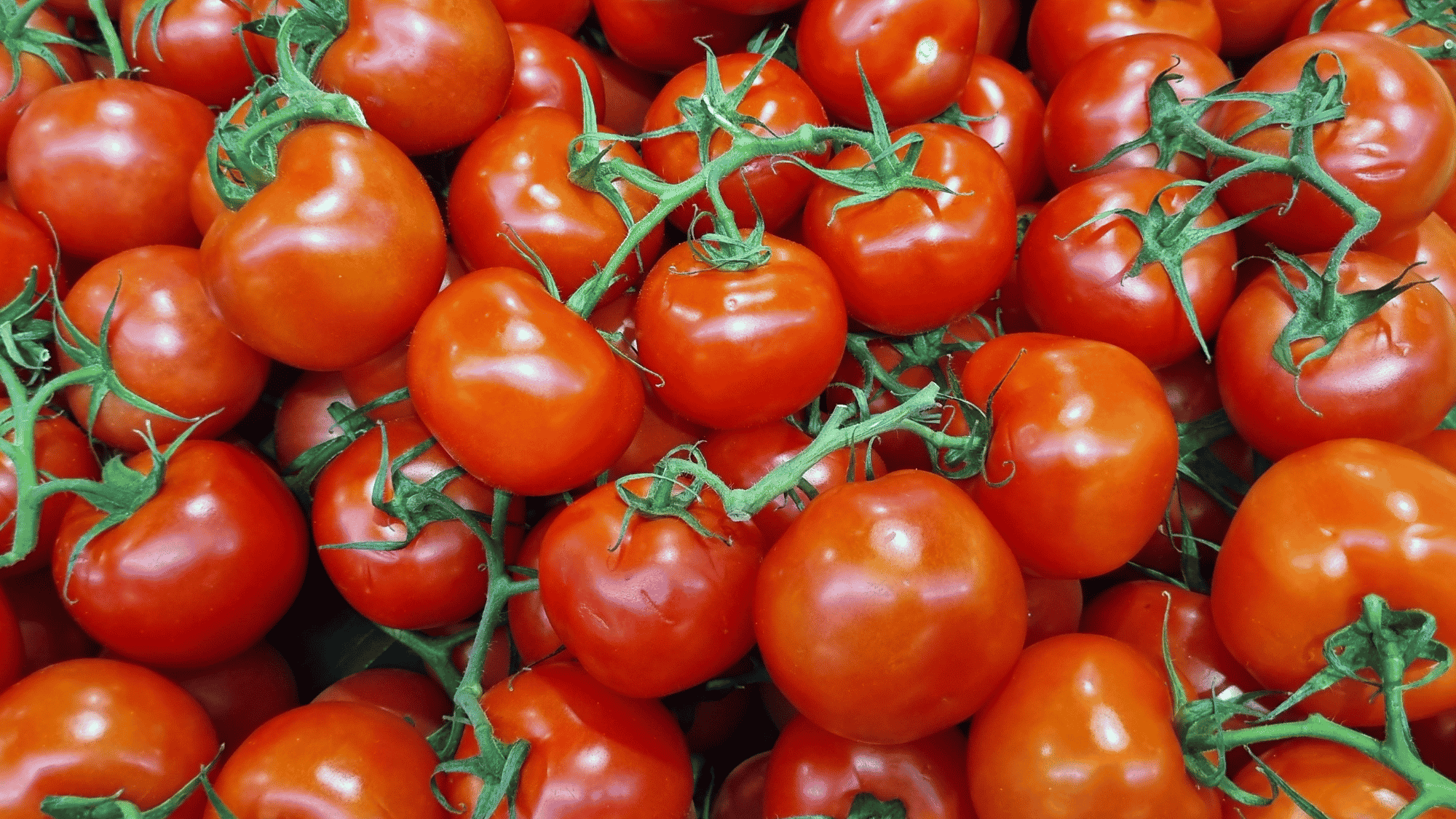
Tomatoes and carrots are a popular companion planting combination because they can grow well together when given enough space.
Taller tomato plants provide light afternoon shade, which helps keep the soil cooler during hot weather and reduces moisture loss.
Since tomatoes grow upward while carrots develop underground, they make efficient use of garden space. However, tomatoes are heavy feeders and can compete with carrots for nutrients and sunlight if planted too closely.
Leave at least 18 to 24 inches between tomato plants and avoid overcrowding to give both crops enough room to thrive.
5. Peas and Beans
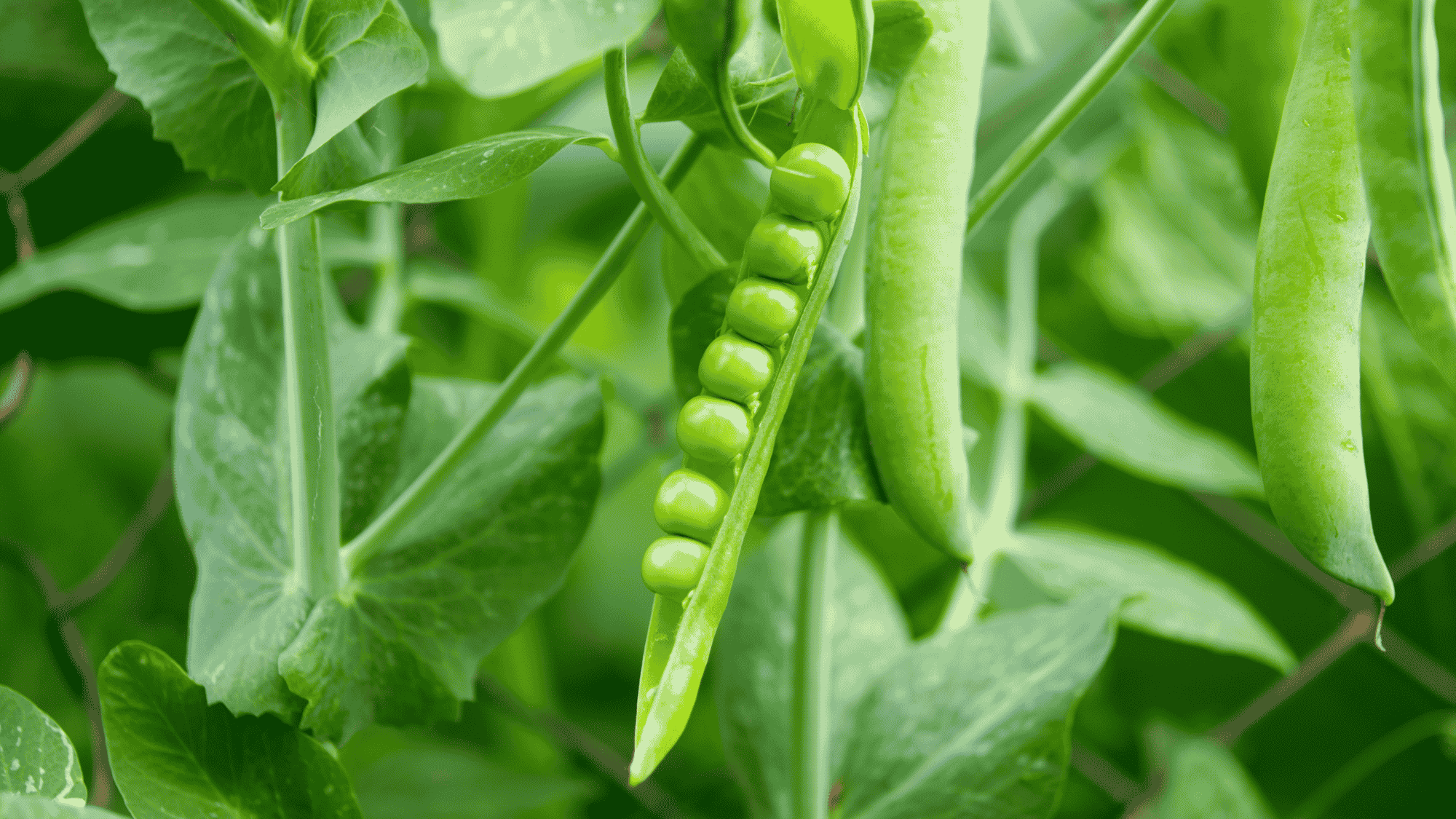
Peas and beans are beneficial carrot companion plants because they are legumes that help improve soil by fixing nitrogen, making nutrients more available for surrounding plants over time.
While carrots do not need large amounts of nitrogen, healthier soil supports overall garden productivity.
Trellising peas is a good way to save space and keep vines from spreading over carrot rows.
Whether growing peas or beans, avoid planting them so densely that they cast too much shade, as carrots still need plenty of sunlight to develop strong, healthy roots.
6. Rosemary, Sage, and Other Herbs
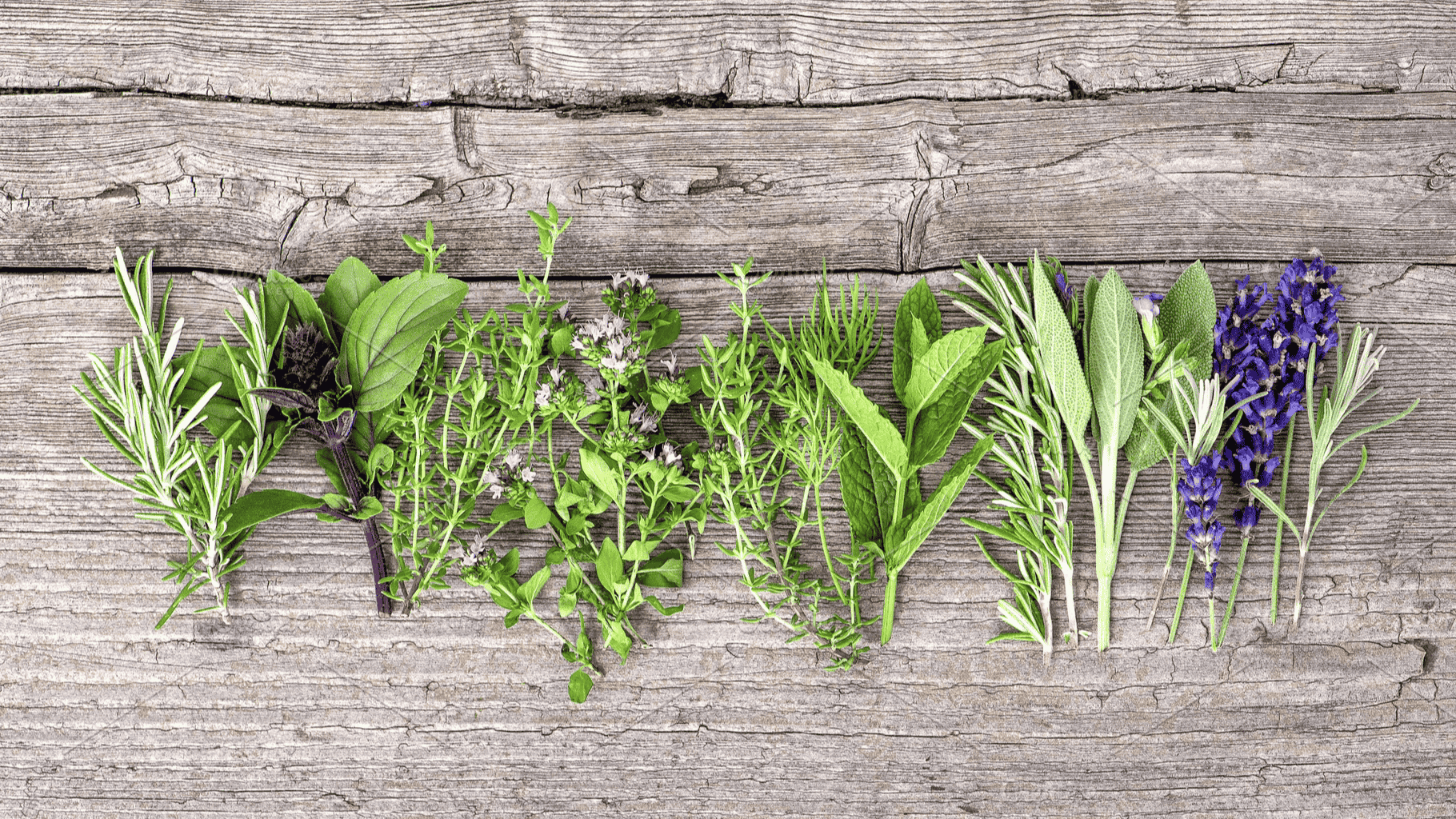
Aromatic herbs such as rosemary, sage, thyme, and oregano make useful companions for carrots in many home gardens.
Their strong fragrance may help deter certain insect pests while also attracting beneficial insects such as bees and hoverflies that contribute to a healthy garden ecosystem.
These herbs generally have modest water needs and can grow well near carrots when spaced properly.
Avoid planting them too closely, as overcrowding can reduce airflow and limit the space carrots need to develop straight, well-formed roots.
7. Marigolds and nasturtiums
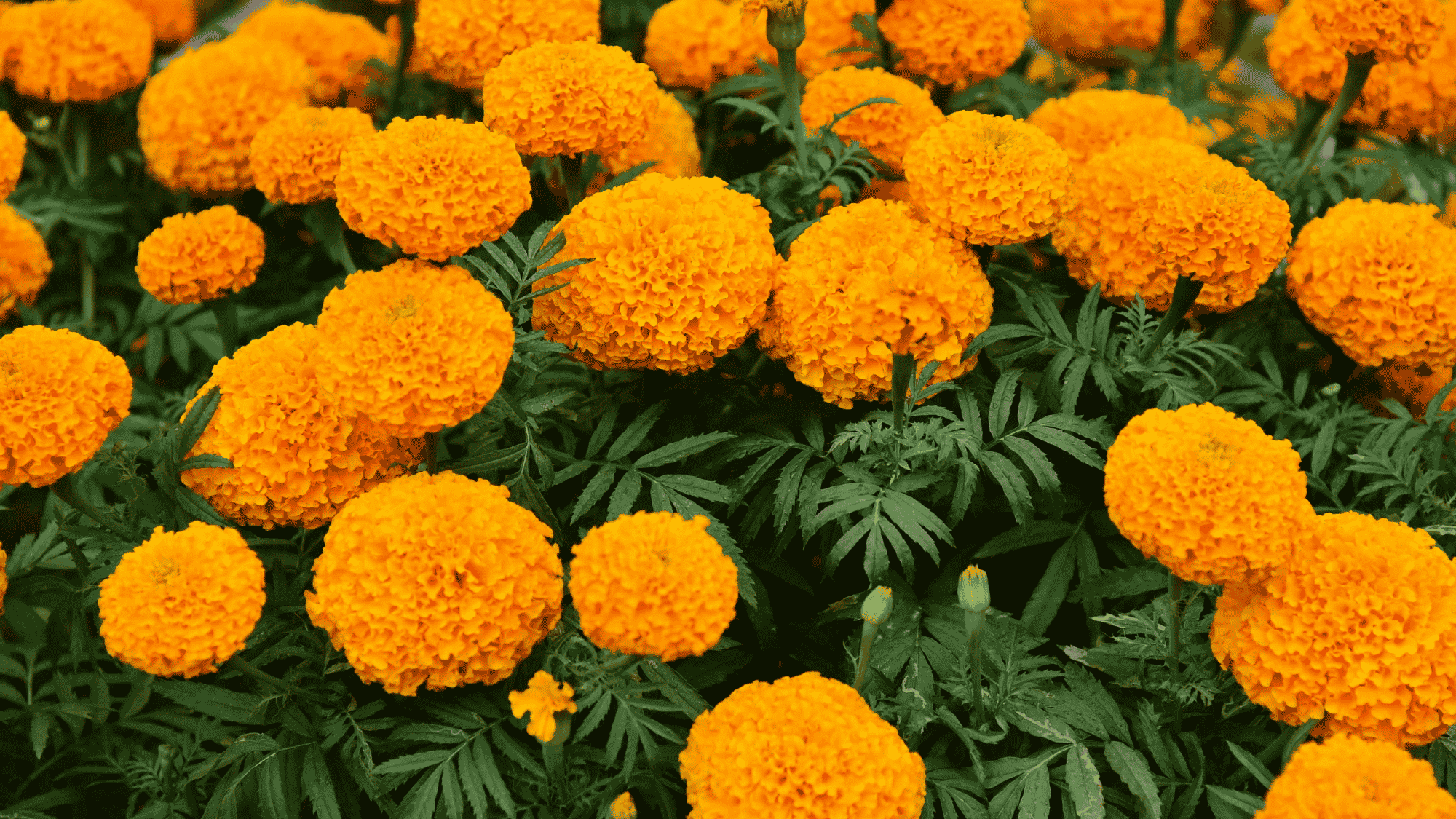
Marigolds and nasturtiums are popular companion flowers because they attract pollinators and help support beneficial insects such as ladybugs, lacewings, and hoverflies.
Their bright blooms also add colorful borders, making vegetable gardens more attractive while increasing garden biodiversity.
Nasturtiums can serve as a trap crop for certain pests, drawing them away from nearby vegetables.
Plant these flowers around the edges of carrot beds rather than directly among dense rows, so they provide benefits without competing for growing space.
8. Lavender
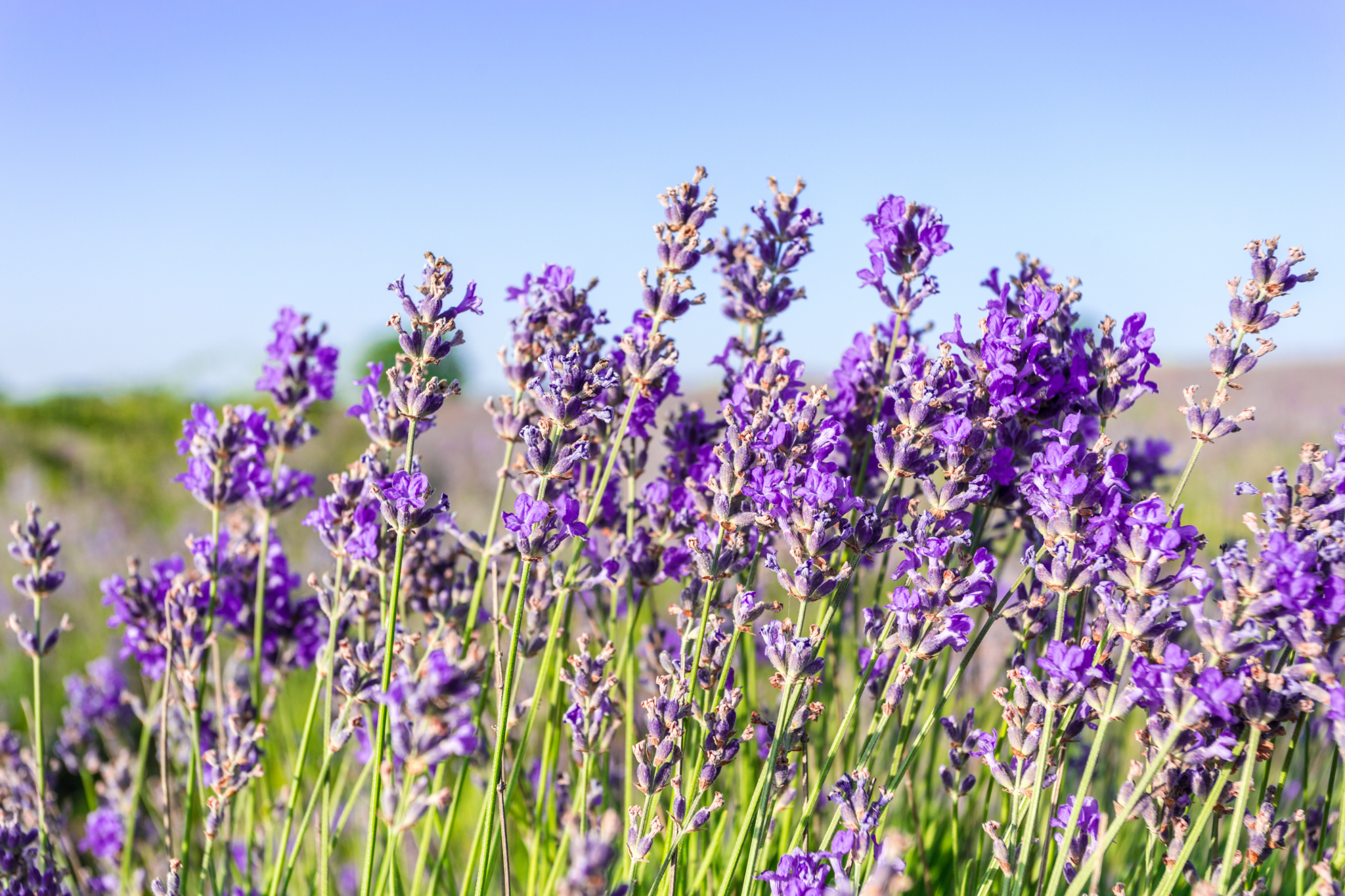
Lavender is an excellent companion plant for carrots because its fragrant flowers attract a wide range of pollinators, including bees and butterflies, which help support a healthy and diverse garden ecosystem.
Many gardeners also grow lavender because its strong aroma may help discourage certain pests, such as aphids, from settling nearby.
Beyond its benefits in the garden, lavender is valued for its ornamental beauty and many household uses.
Plant it along the edges of carrot beds with enough spacing so it does not compete with carrots for sunlight or airflow.
9. Peppermint
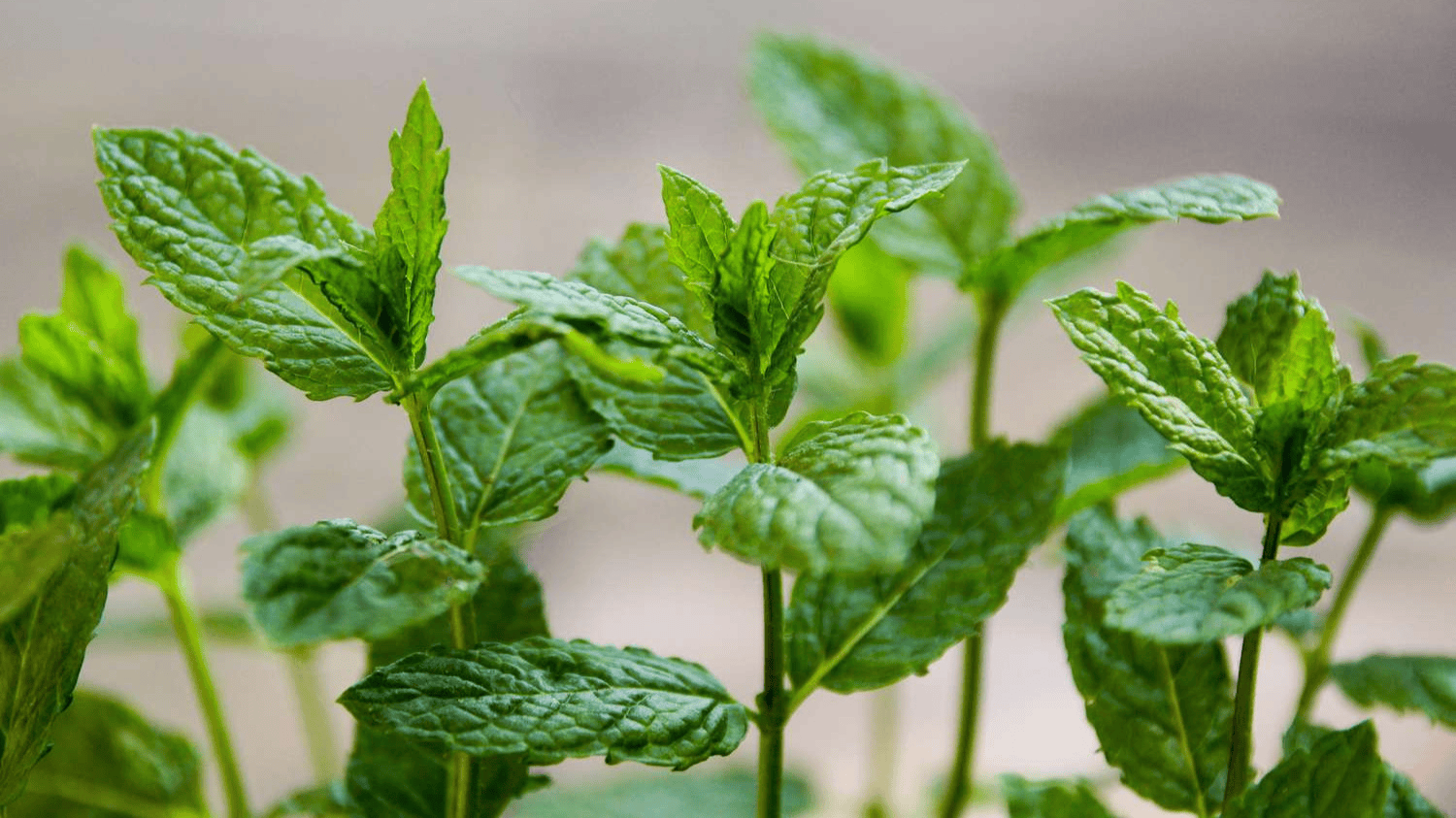
Peppermint is a fragrant herb that many gardeners grow alongside vegetables because its strong scent may help discourage certain insect pests, including flea beetles.
Keeping pest populations lower can contribute to healthier growing conditions for nearby carrots.
Peppermint is also easy to grow and attracts pollinators when it flowers. However, it spreads quickly through underground runners and can take over garden beds if left unchecked.
For this reason, it is best grown in containers or with root barriers placed near carrot plants rather than directly among them.
10. Parsley
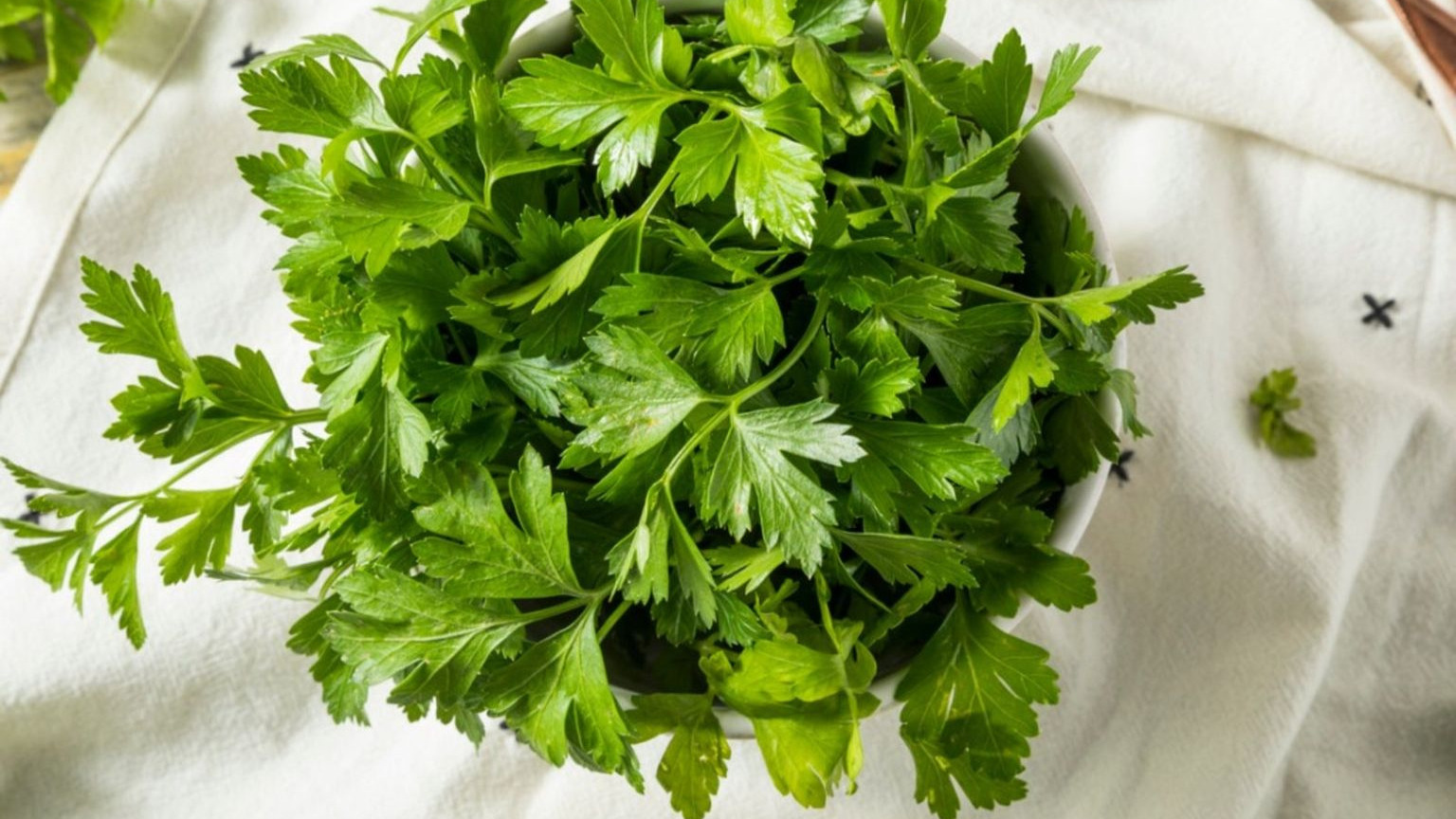
Parsley is a useful companion plant for carrots because, when it flowers, it attracts beneficial insects such as hoverflies, parasitic wasps, and other pollinators.
Hoverfly larvae are natural predators that feed on common garden pests like aphids and mealybugs, helping reduce pest pressure without relying on chemical treatments.
Parsley also fits well into mixed vegetable gardens because it has similar growing requirements to carrots.
Give both plants adequate spacing to maintain good airflow and ensure they have enough room to grow without overcrowding.
11. Daffodils
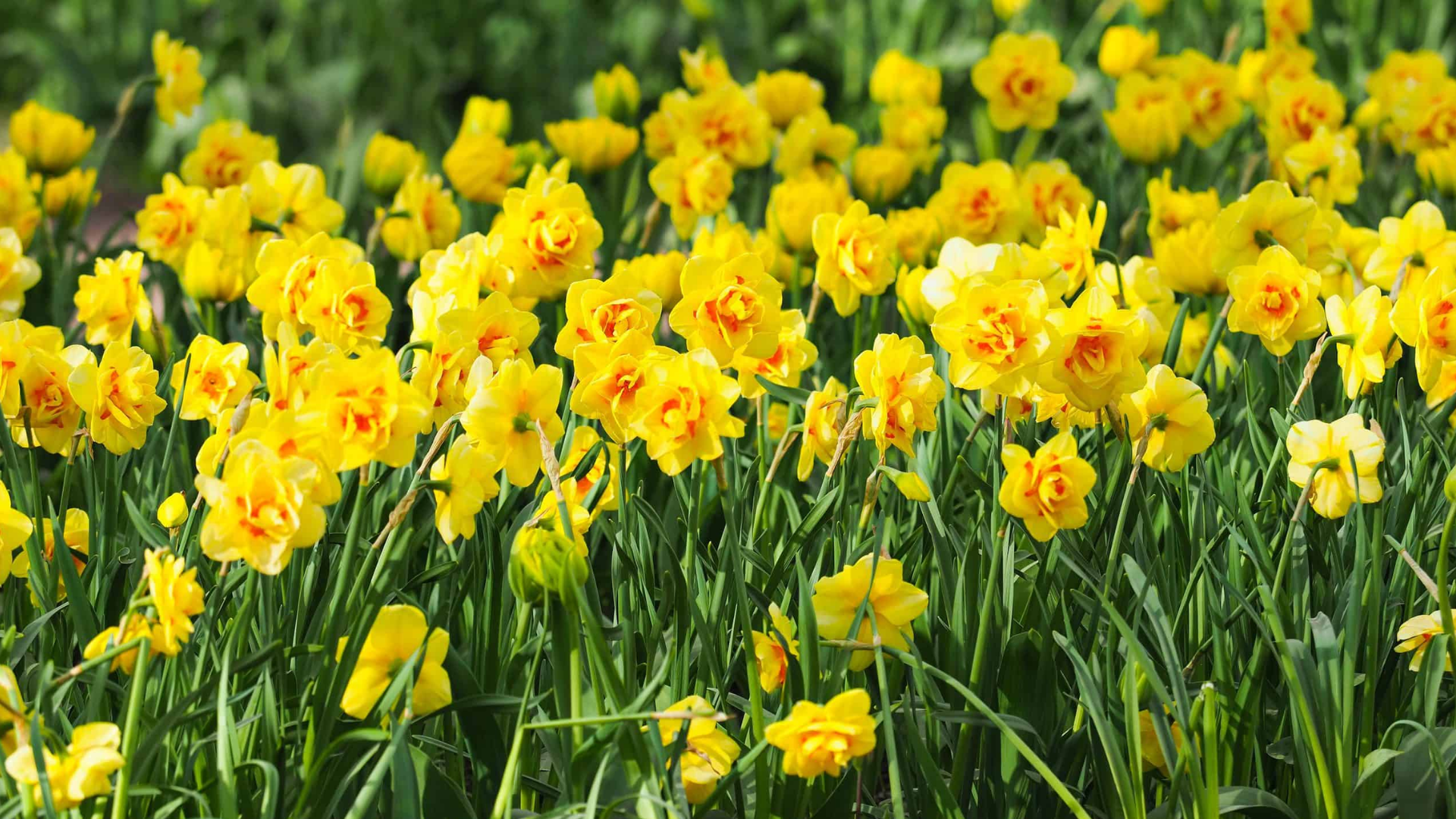
Daffodils are a beneficial companion plant for carrots because their strong scent may help discourage certain garden pests while adding early-season color to vegetable beds.
These spring-blooming flowers also attract pollinators such as bees, supporting a healthier and more diverse garden ecosystem.
Since daffodils grow from bulbs and complete much of their growth before carrots reach full size, they usually do not compete heavily for space or nutrients.
Plants to Avoid Near Carrots
While many plants grow well with carrots, some can create problems by competing for nutrients, attracting the same pests, or interfering with healthy root development.
| Plant | Why It Can Be a Problem | Best Practice |
|---|---|---|
| Dill | Competes for space and nutrients and may cross-pollinate with carrots if saving seeds. | Grow in a separate bed. |
| Parsnips | Shares the same pests and diseases as carrots. | Plant separately and rotate crops. |
| Potatoes | Heavy feeder that competes for nutrients and disturbs carrot roots during harvest. | Grow in a different bed. |
| Fennel | May slow the growth of nearby plants due to its allelopathic properties. | Plant away from carrots and other vegetables. |
| Coriander (Cilantro) | Can shade young carrots and compete for moisture if allowed to overgrow. | Harvest regularly and provide enough spacing. |
Essential Tips for Growing Healthy Carrots
Good companion plants can support carrot growth, but the best harvests come from combining them with proper soil preparation, watering, spacing, and regular garden maintenance.
- Prepare loose, stone-free soil: Grow carrots in soft, well-drained soil free of rocks and debris to encourage straight root development. Mix in well-rotted compost to improve soil texture and support healthy growth.
- Water consistently: Keep the soil evenly moist with deep, regular watering. Consistent moisture helps prevent cracked or woody carrots while encouraging roots to grow deeper.
- Thin seedlings at the right time: Remove extra seedlings once they are large enough to handle. Proper spacing reduces competition and allows carrots to develop larger, straighter, and healthier roots.
- Keep weeds under control: Pull weeds regularly to reduce competition for sunlight, water, and nutrients. Applying a light layer of mulch also helps suppress weed growth and conserve soil moisture.
- Rotate crops each season: Avoid planting carrots in the same location year after year. Crop rotation helps reduce the buildup of soil-borne pests and diseases while maintaining healthier soil for future harvests.
What Reddit Users Say About Carrot Companion Plants?
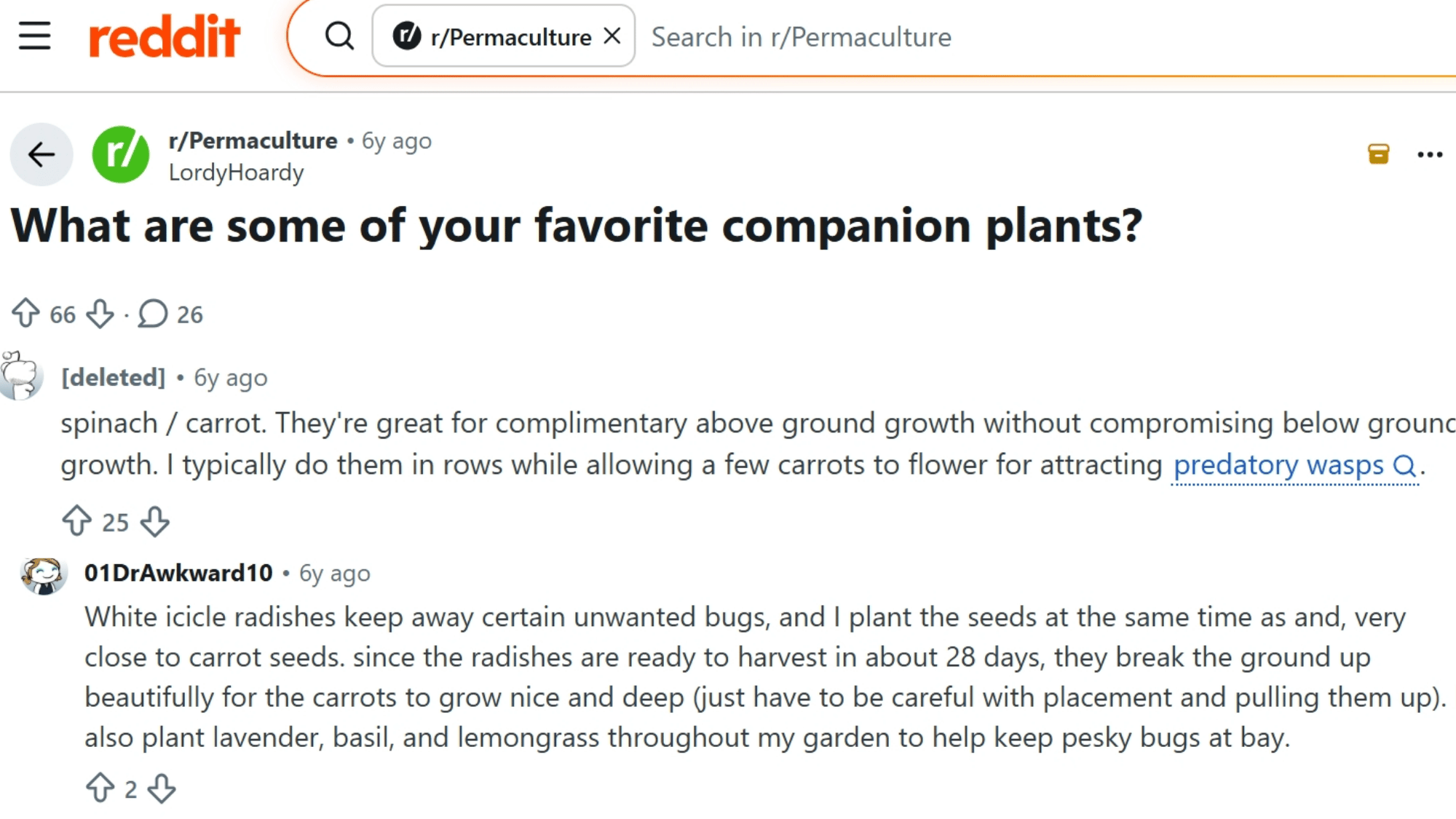
Reddit gardeners often recommend pairing spinach with carrots because the two crops use space efficiently without competing heavily below ground.
Spinach grows quickly above the soil while carrots continue developing their roots. Another commonly suggested companion is white icicle radish, which is sown alongside carrot seeds.
The fast-growing radishes loosen the soil as they mature and are harvested before carrots need the extra space.
Reddit users also mention planting lavender, basil, and lemongrass around vegetable beds, noting that their strong aromas may help deter unwanted insects while attracting beneficial pollinators and supporting a healthier garden ecosystem overall.
Common Carrot Companion Planting Mistakes
Even the best companion plants can cause problems if they are not planned carefully. Avoid these common mistakes to keep carrots healthy and productive.
- Planting too close together: Crowded plants reduce airflow, increase root competition, and create damp conditions that encourage diseases. Follow recommended spacing for each crop.
- Ignoring mature plant size: Tall or spreading plants can shade carrots and compete for sunlight, water, and nutrients. Plan your layout based on each plant’s mature size.
- Pairing plants with similar pests: Avoid growing carrots with crops like parsnips that attract the same pests or diseases, as this can increase the risk of pest or disease infestation.
- Skipping crop rotation: Growing carrots in the same spot every year can lead to soil nutrient depletion and pest buildup. Rotate crops every season to maintain healthier soil and reduce recurring problems.
Conclusion
Successful companion planting is about choosing plants that support one another rather than simply filling empty garden space.
By understanding which carrot companion plants encourage healthy growth and which combinations to avoid, you can create a more balanced and productive vegetable garden.
Remember that companion planting works best when paired with consistent watering, healthy soil, and crop rotation.
If you started this guide wondering what to plant with carrots, you now have the knowledge to make informed choices for your next planting season.
Try these pairings to find what helps your carrots grow healthier and stronger each season.
Frequently Asked Questions
How Far Apart Should Companion Plants Be from Carrots?
The ideal spacing depends on the companion plant. Leave enough room for airflow and mature growth, and always follow the spacing recommendations for both crops to prevent overcrowding.
Can Carrots Be Grown with Flowers?
Yes. Flowers such as marigolds, nasturtiums, lavender, and sweet alyssum can be excellent companions. They attract pollinators and beneficial insects while adding color and biodiversity to the vegetable garden.
Can Companion Plants Help Reduce Weeding Around Carrots?
Yes. Low-growing companions like lettuce can cover the soil surface, helping suppress weed growth and reduce moisture loss, although regular weeding is still necessary.
What Should You Not Plant After Carrots?
Avoid planting crops from the same family, such as parsnips, immediately after carrots. Rotating to unrelated crops helps reduce the buildup of pests and soil-borne diseases.
Can Carrots Be Planted Next to Peppers?
Yes, carrots can grow next to peppers if there is adequate spacing. Peppers have deeper root systems and generally do not interfere with carrot growth when both crops receive enough sunlight and water.