

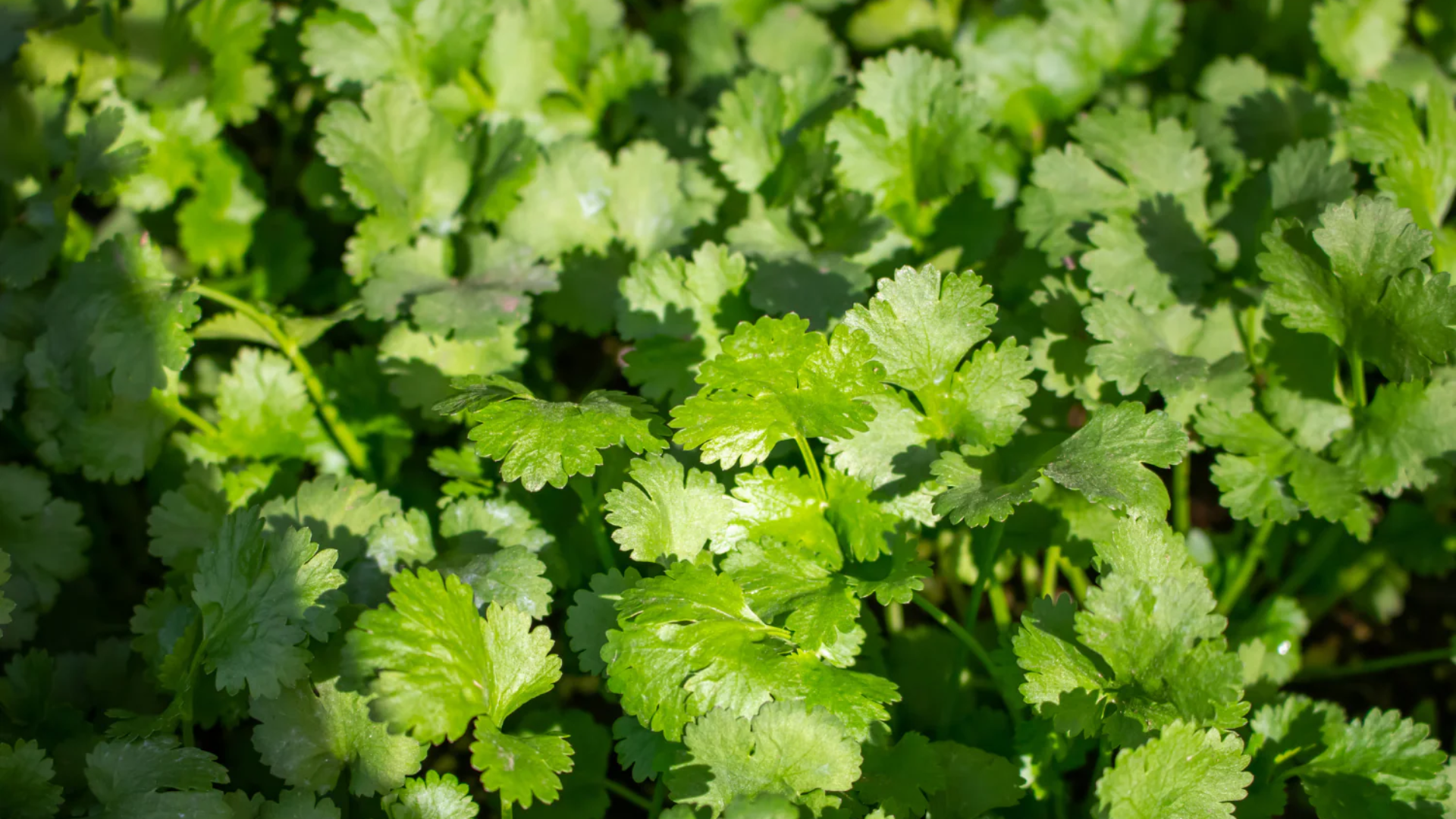
A growing cilantro patch often depends as much on its neighbors as on the care it receives. Cilantro companion plants can help create a healthier growing environment by attracting beneficial insects, discouraging common pests, and making better use of available garden space.
While companion planting offers many advantages, it works best when combined with proper watering, well-drained soil, adequate sunlight, and enough spacing for good airflow.
Choosing the right plant combinations can encourage stronger growth and make your garden easier to manage throughout the season.
You’ll also learn which plants pair well with cilantro, which ones are better kept apart, and practical tips for planning a more productive vegetable or herb garden.
Importance of Choosing the Right Neighboring Plants
The plants growing around cilantro can affect its health, pest resistance, and overall productivity throughout the season.
- Supports healthier growth: Plants with similar sunlight, water, and soil needs grow well together without competing for resources.
- Reduces pest problems: Certain companion plants attract beneficial insects or repel pests that commonly feed on cilantro.
- Makes better use of garden space: Pairing plants with different growth habits allows you to maximize planting areas efficiently.
- Improves air circulation: Properly matched companions help maintain spacing, reducing excess moisture and lowering the risk of fungal diseases.
- Encourages pollinators and beneficial insects: Flowering companions attract bees, hoverflies, and parasitic wasps that benefit the entire garden.
- Helps maintain harvest quality: Healthy neighboring plants reduce stress on cilantro, supporting better leaf production and extending the harvest period.
Best Cilantro Companion Plants
These companion plants share compatible growing conditions or provide garden benefits that help cilantro grow more successfully.
1. Lettuce
Source: Epic Gardening
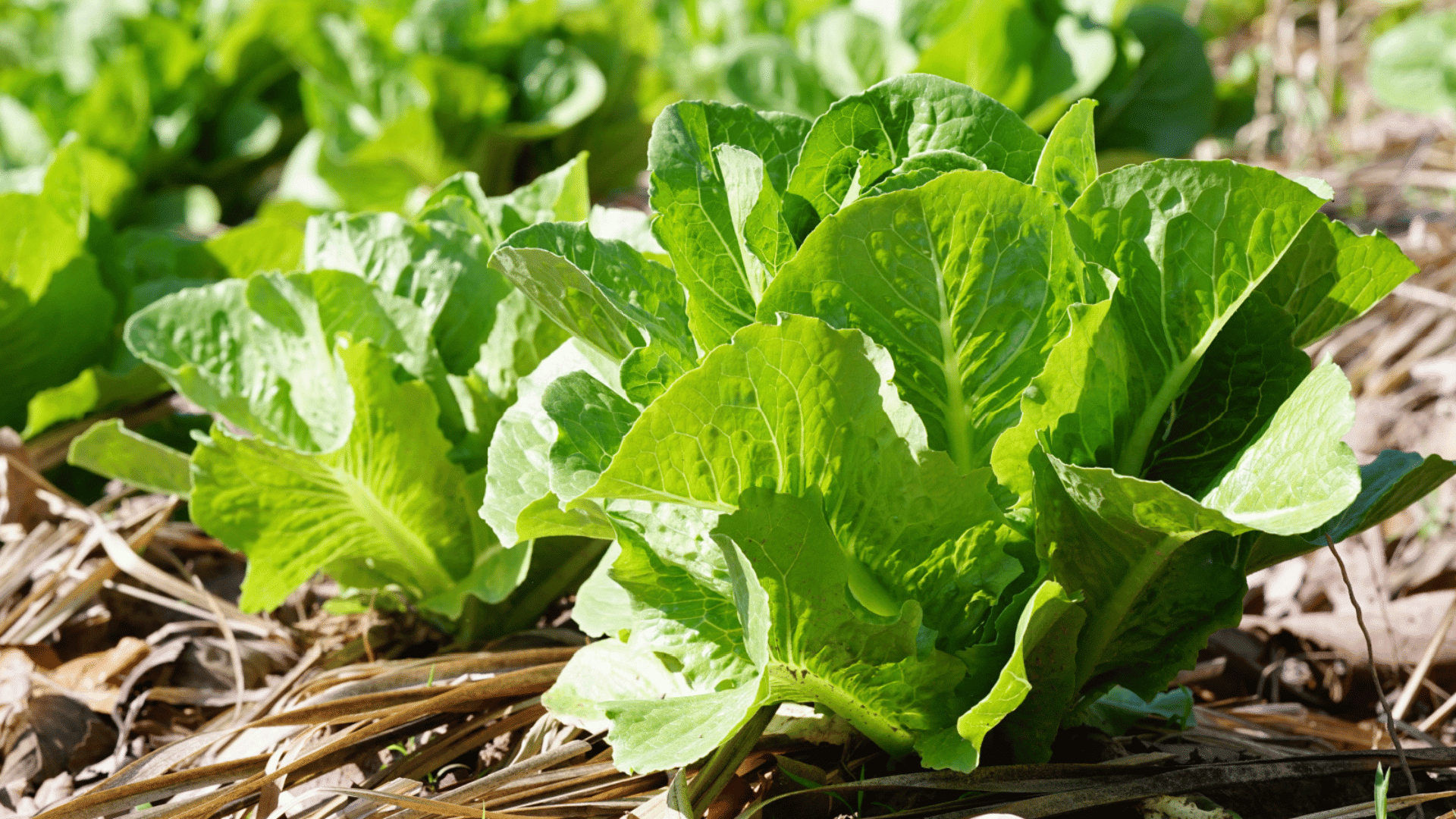
Lettuce is one of the best companions for cilantro because both thrive in cool weather, consistently moist soil, and partial to full sunlight.
Their similar growing requirements make watering and maintenance much easier.
Since lettuce grows close to the ground, it uses garden space efficiently without competing heavily for sunlight.
Planting them together also allows gardeners to harvest both crops within a similar timeframe, making this pairing especially useful for spring and fall vegetable gardens.
2. Spinach
Source: Serious Eats
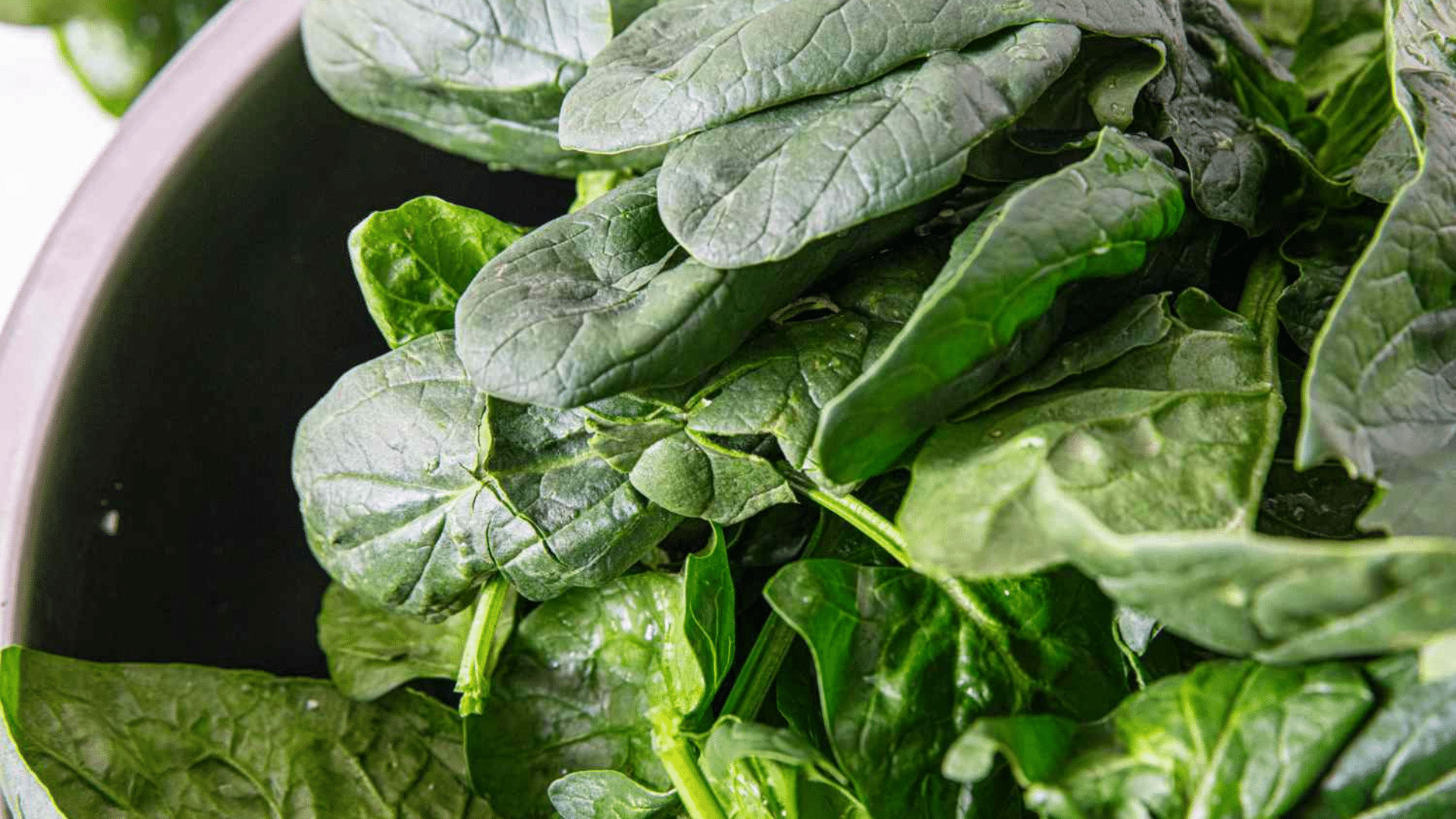
Spinach pairs well with cilantro because both crops prefer cool temperatures, fertile soil, and regular moisture.
Their matching growth habits simplify watering schedules and seasonal planting.
Since both mature relatively quickly, gardeners can practice succession planting to enjoy continuous harvests throughout the cool growing season.
Spinach also has a compact growth habit that allows it to share beds with cilantro without crowding, provided proper spacing is maintained for healthy airflow and steady plant development.
3. Carrots
Source: Mother Earth News
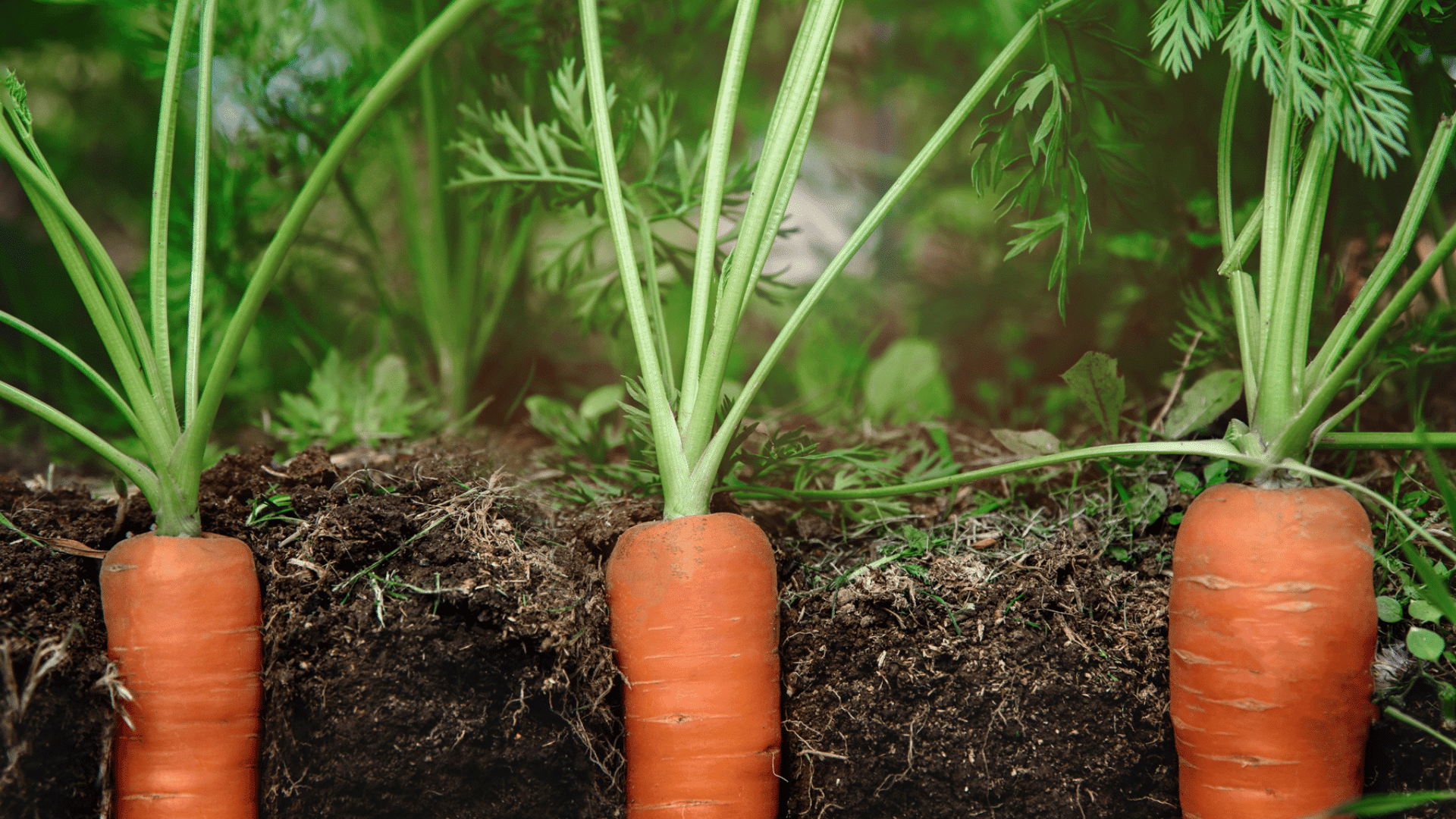
Carrots and cilantro complement each other by using different parts of the soil. Carrots develop deep roots, while cilantro has a shallower root system, reducing competition for nutrients and moisture.
This difference allows both crops to grow efficiently in the same bed without limiting each other’s development.
Their similar preference for cool weather and consistently moist soil further makes them an excellent pairing.
Careful spacing ensures both plants have enough room to mature properly and produce healthy harvests.
4. Tomatoes
Source: Thresh Seed Co.
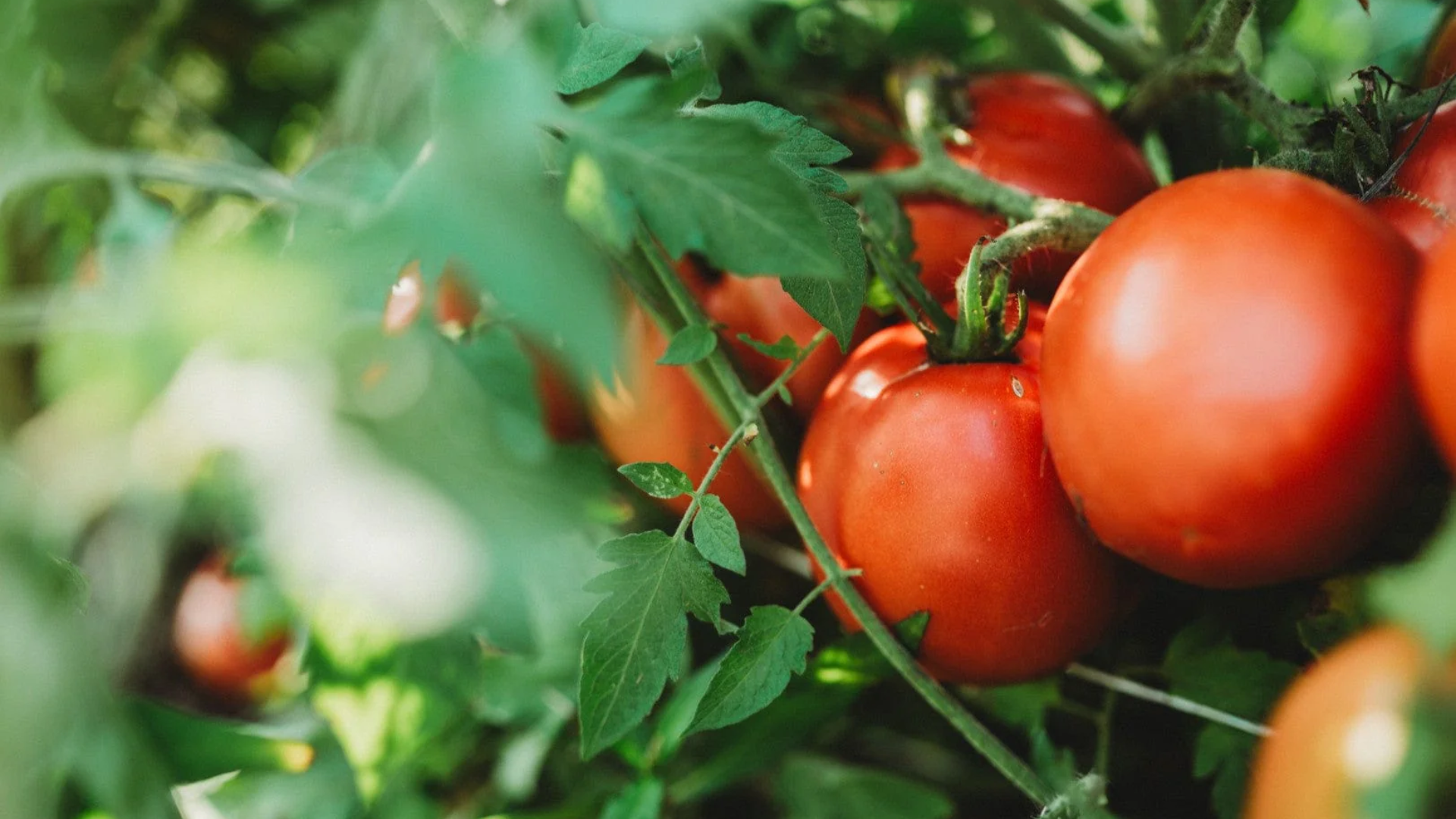
Tomatoes can benefit cilantro in warmer regions by providing light afternoon shade that helps delay bolting during hot weather.
However, proper spacing is essential because tomato plants grow much larger as they mature.
Keeping enough distance maintains good airflow and ensures cilantro still receives sufficient sunlight during the day.
This combination works best when cilantro is planted near, rather than directly beneath, established tomato plants, allowing both crops to grow without excessive competition for space.
5. Peas
Source: The Old Farmers’ Almanac
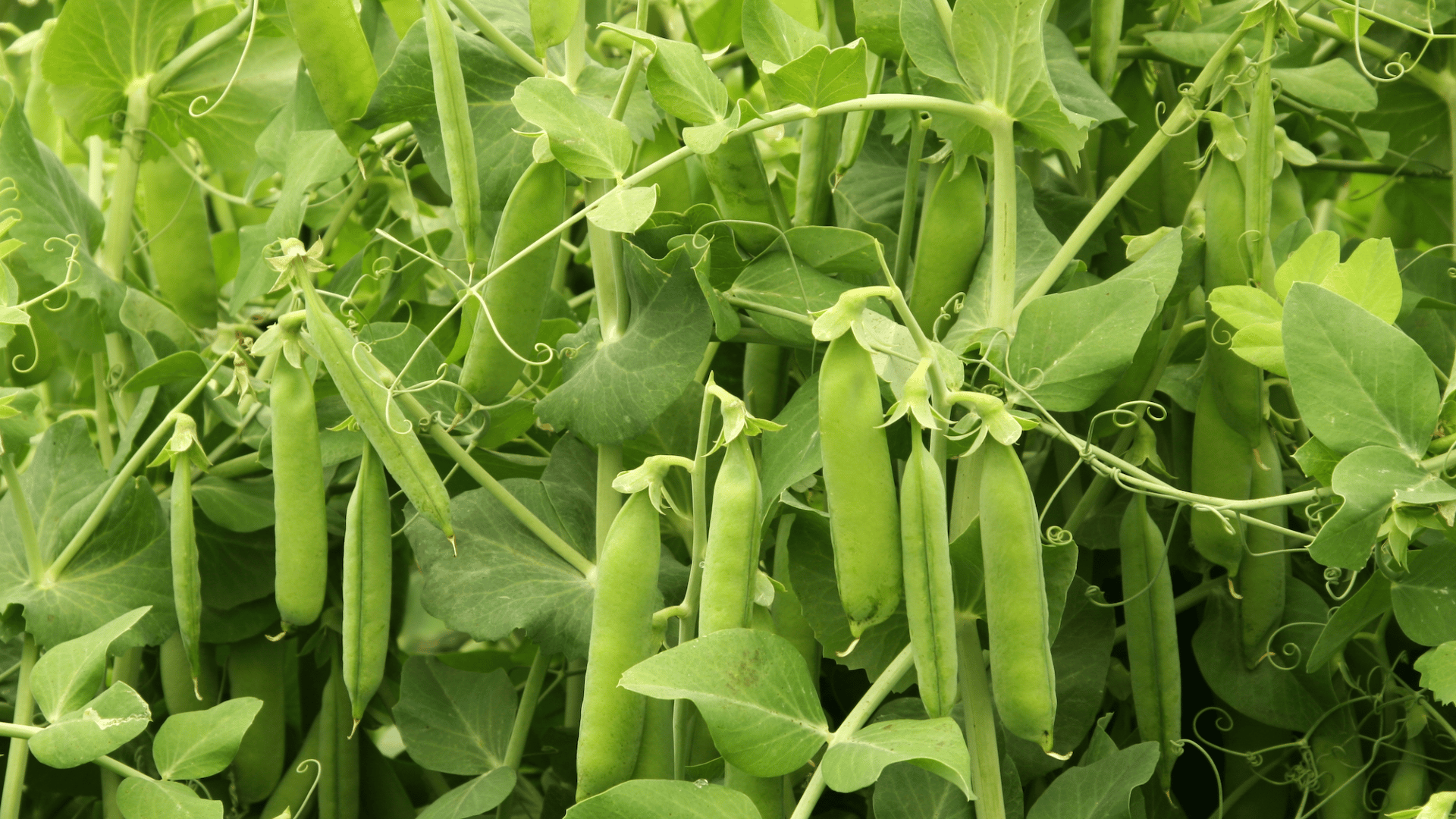
Peas are an excellent spring companion for cilantro because both crops grow well during cooler weather.
As legumes, peas work with beneficial bacteria that naturally fix nitrogen in the soil, contributing to long-term soil fertility.
Their upright growth habit also allows cilantro to occupy the lower space efficiently without significant competition.
Since both plants prefer regular watering and moderate temperatures, they can be grown together successfully during early growing seasons before summer heat becomes intense.
6. Beans
Source: The Spruce
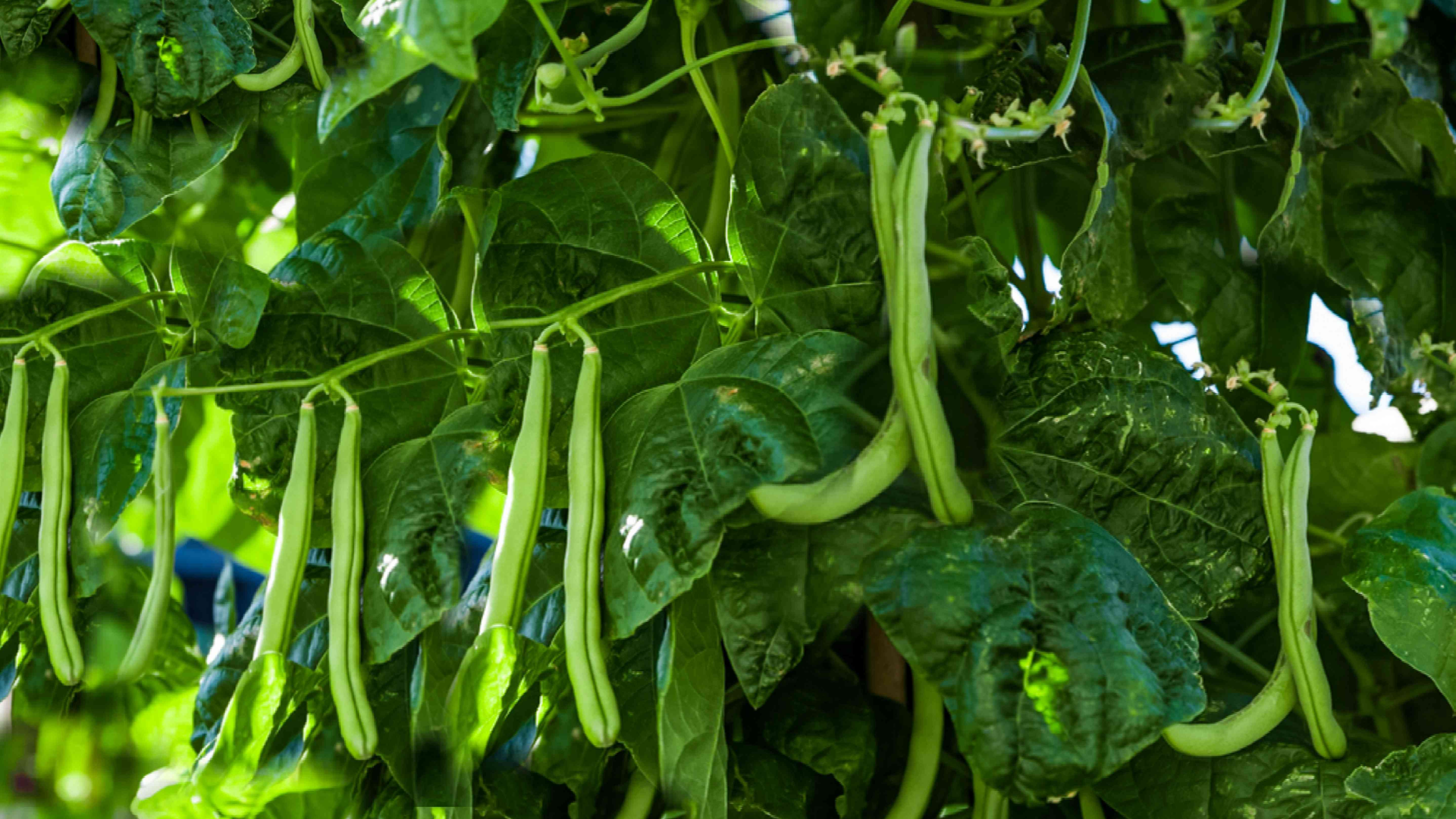
Beans can improve overall soil health through nitrogen fixation, making them a valuable companion in vegetable gardens.
Bush beans usually pair better with cilantro because they are less likely to create excessive shade than pole varieties.
If climbing beans are grown nearby, they should be positioned carefully to avoid blocking sunlight needed for healthy cilantro growth.
With thoughtful spacing, beans and cilantro can share space while contributing to a more diverse and productive garden.
7. Onions and Garlic
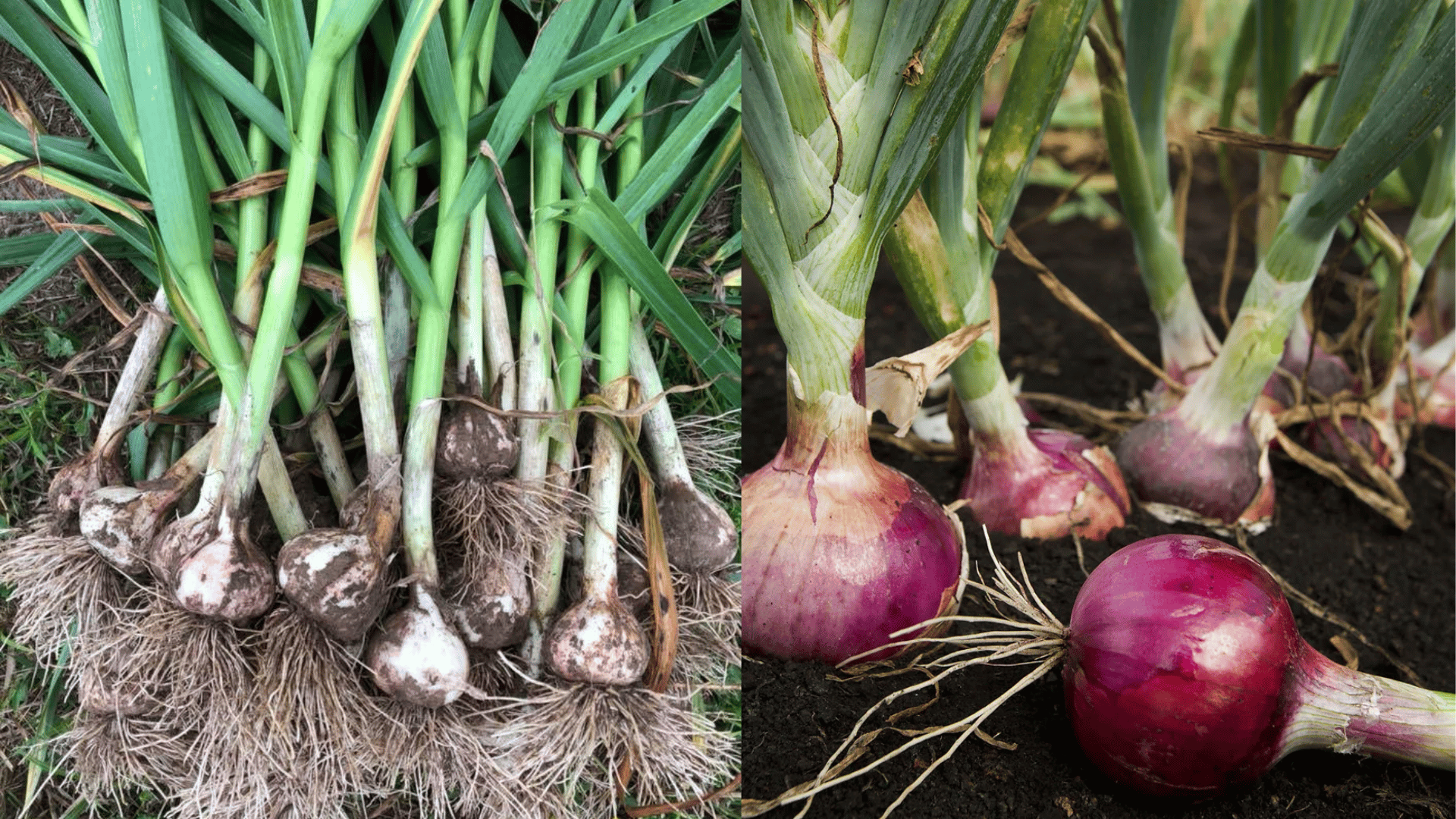
Onions and garlic are often planted near cilantro because their strong aroma may help discourage certain garden pests.
These alliums also have different nutrient demands and growth habits, reducing direct competition when planted with adequate spacing.
Their upright leaves occupy little horizontal space, allowing cilantro to grow comfortably nearby.
Although they are compatible companions, gardeners should still provide consistent moisture for cilantro without overwatering onions or garlic, which generally prefer slightly drier soil conditions.
8. Marigolds
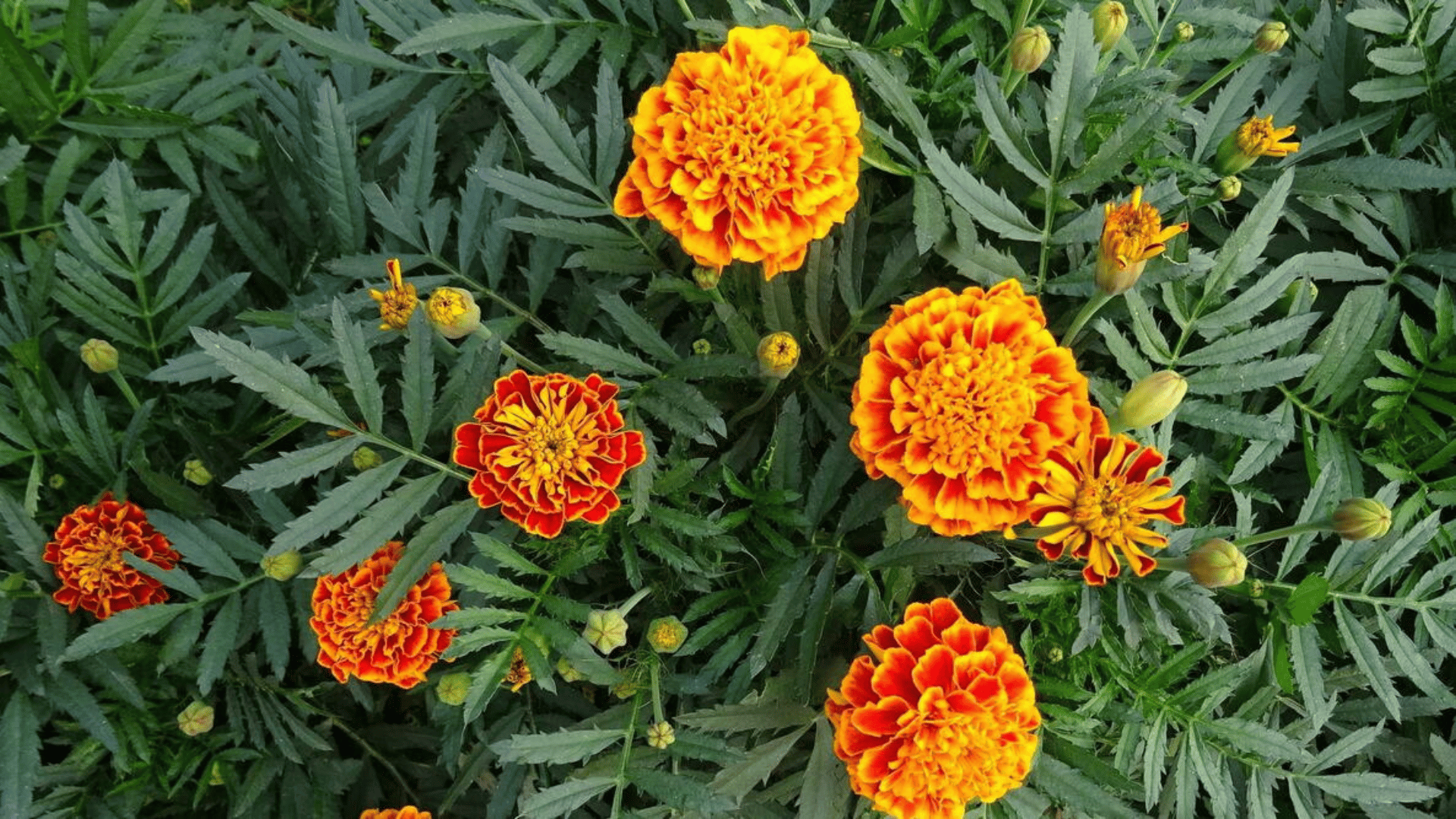
Source: The Old Farmers’ Almanac
Marigolds are widely valued as companion plants because their flowers attract pollinators and beneficial insects such as hoverflies and ladybugs.
These helpful insects contribute to natural pest control throughout the vegetable garden.
Marigolds also increase biodiversity, creating a healthier and more balanced growing environment for cilantro and nearby crops.
Planted around garden beds or between vegetables, they add bright color while supporting beneficial insect populations without competing heavily for growing space or essential nutrients.
9. Radishes
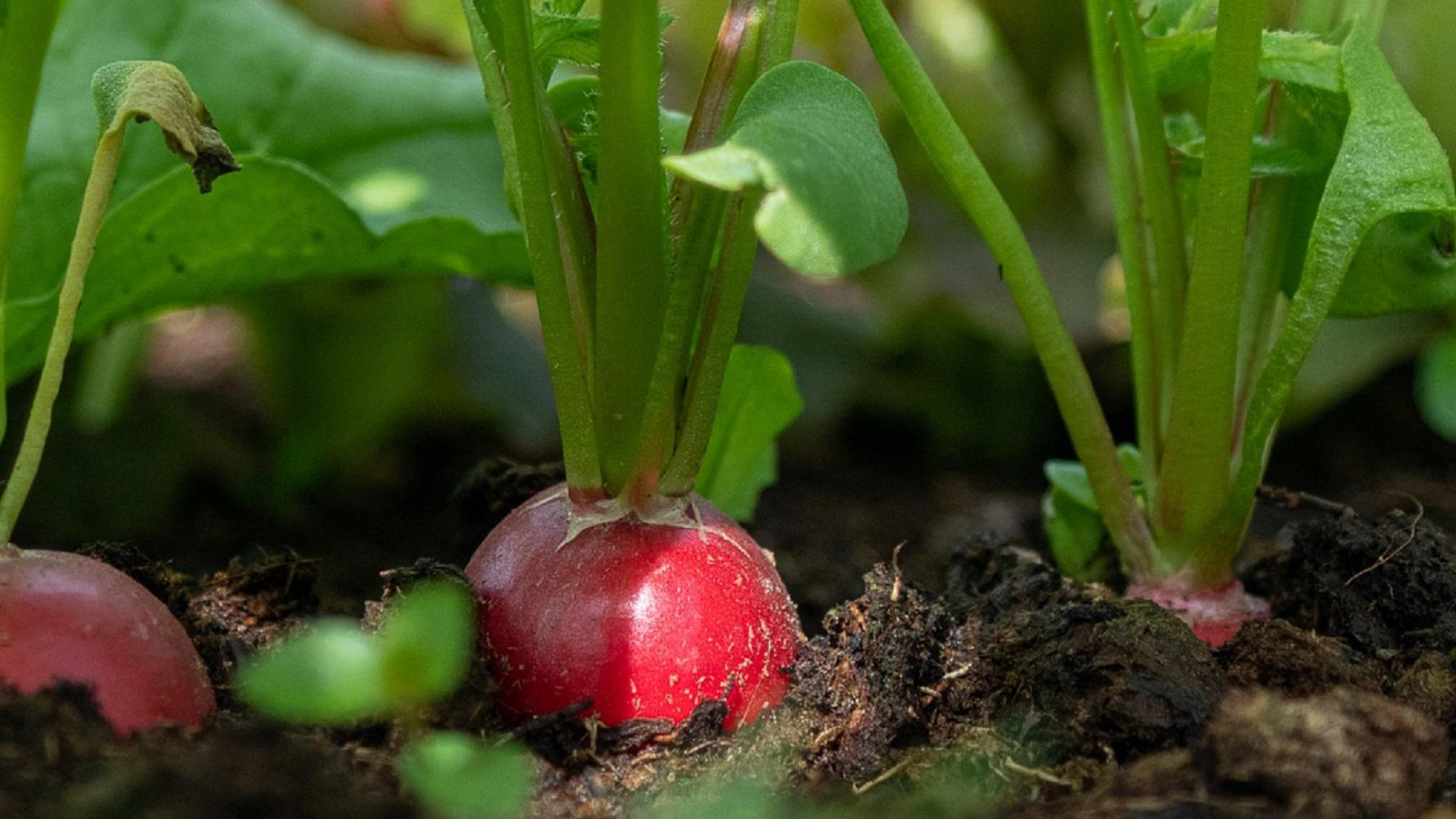
Source: University of Maryland Extension
Radishes are an excellent companion for cilantro because both prefer cool weather, fertile soil, and consistent moisture.
Their fast growth allows gardeners to harvest radishes before cilantro reaches full size, making efficient use of limited garden space.
As radishes develop, they help loosen the upper soil, supporting healthy root growth nearby.
Since the two crops occupy different growing stages and mature quickly, they rarely compete heavily. With proper spacing and regular watering, both plants can produce healthy, productive harvests throughout the cool growing season.
10. Beets
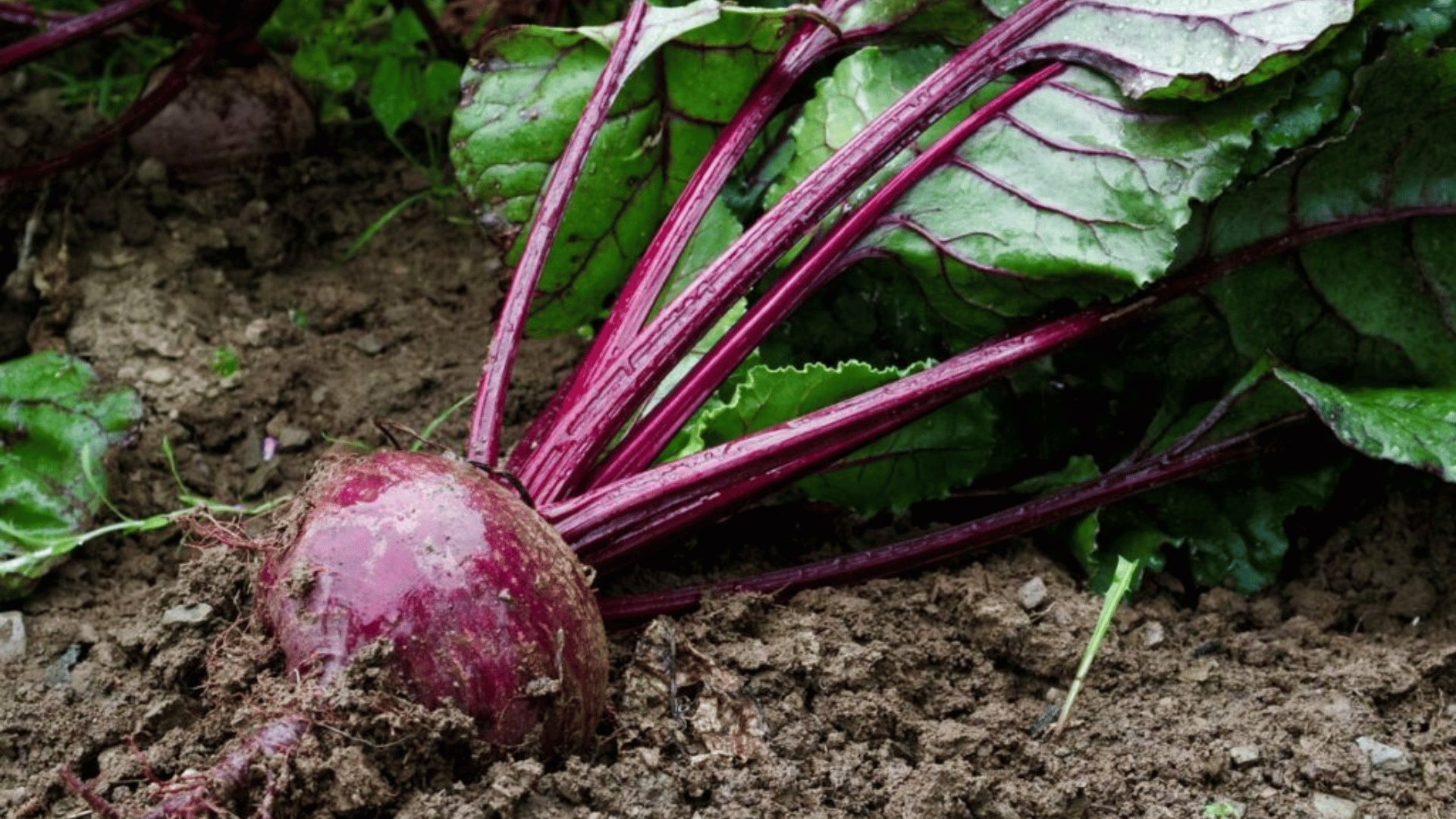
Source: Melissa K. Norris
Beets grow well with cilantro because both crops thrive in cool temperatures, well-drained soil, and steady moisture.
Beet roots develop deeper underground while cilantro uses the upper soil layer, reducing competition for nutrients and water.
Their similar care requirements make watering and maintenance simple throughout the season.
This pairing works especially well in raised beds and small gardens where space is limited.
Providing enough spacing between plants improves airflow, supports healthy growth, and helps both crops reach their full harvest potential.
11. Cabbage
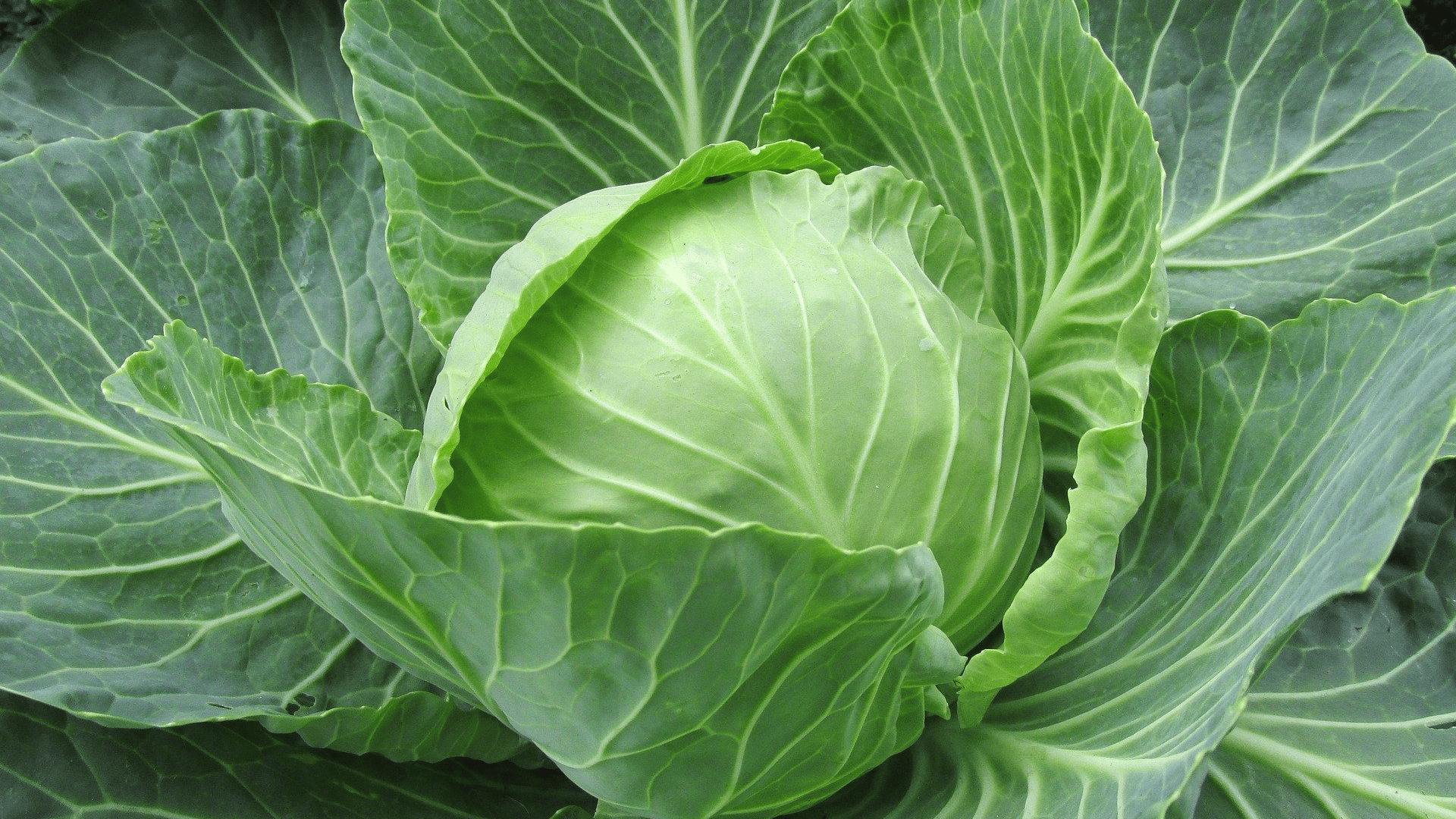
Source: University of Maryland Extension
Cabbage is a beneficial companion for cilantro because both plants grow best during cool seasons with evenly moist, nutrient-rich soil.
When cilantro flowers, it attracts hoverflies, ladybugs, and parasitic wasps that help naturally reduce aphid and cabbage worm populations.
Cabbage leaves may also provide light afternoon shade, helping cilantro resist bolting in warmer conditions.
Gardeners should still leave enough space between plants to improve airflow, reduce disease risk, and ensure both crops receive sufficient sunlight for healthy development.
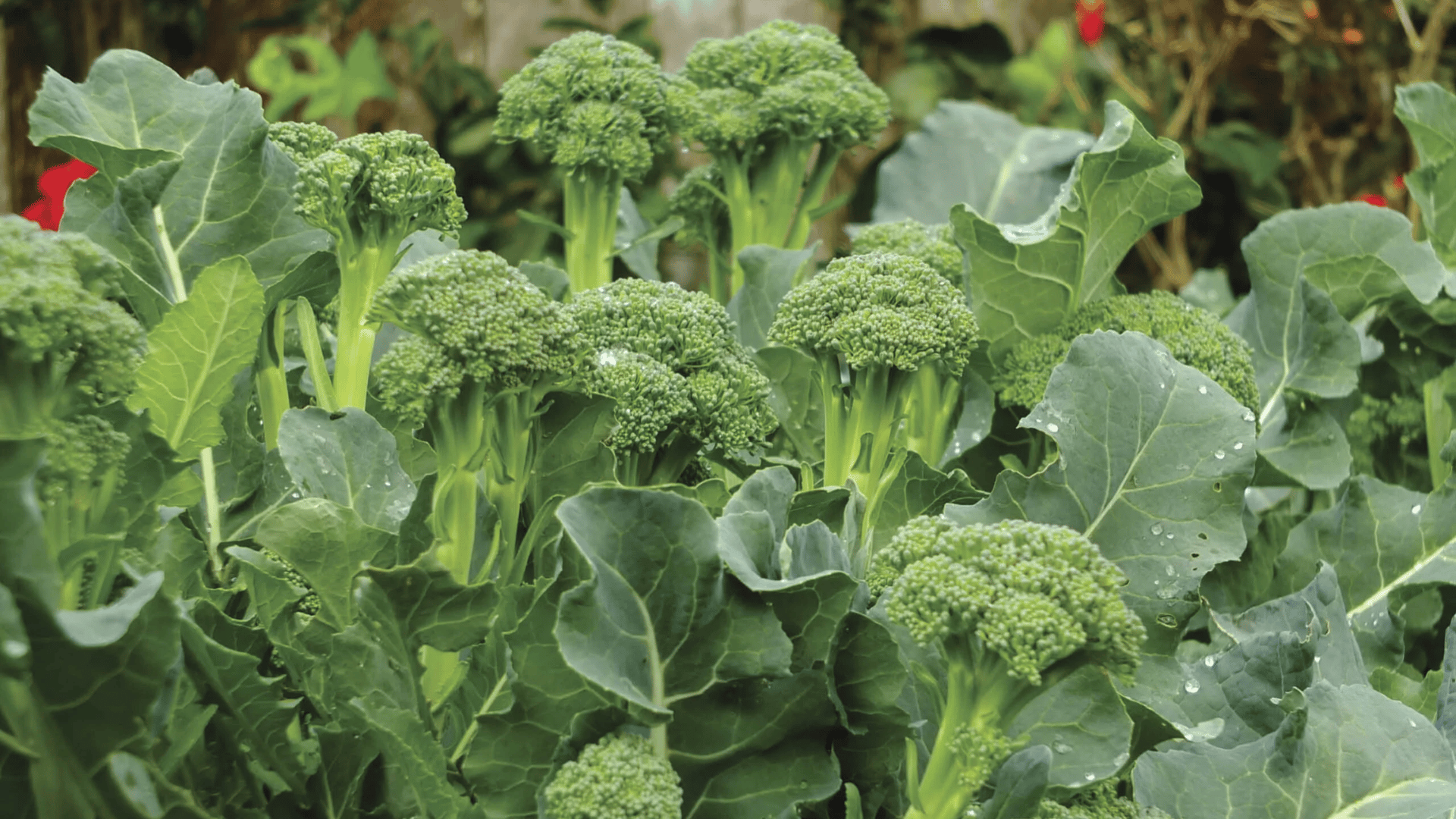
12. Broccoli
Source: ABC Organic Gardener Magazine
Broccoli pairs well with cilantro because both enjoy cool weather, fertile soil, and regular watering.
Flowering cilantro attracts pollinators and beneficial insects that help control aphids and caterpillars commonly found on broccoli plants.
Their similar growing requirements simplify garden maintenance and seasonal planning. Since broccoli becomes much larger as it matures, generous spacing is essential to prevent overcrowding and maintain airflow.
Growing these crops together supports healthier plants while encouraging greater biodiversity and natural pest control throughout the garden.
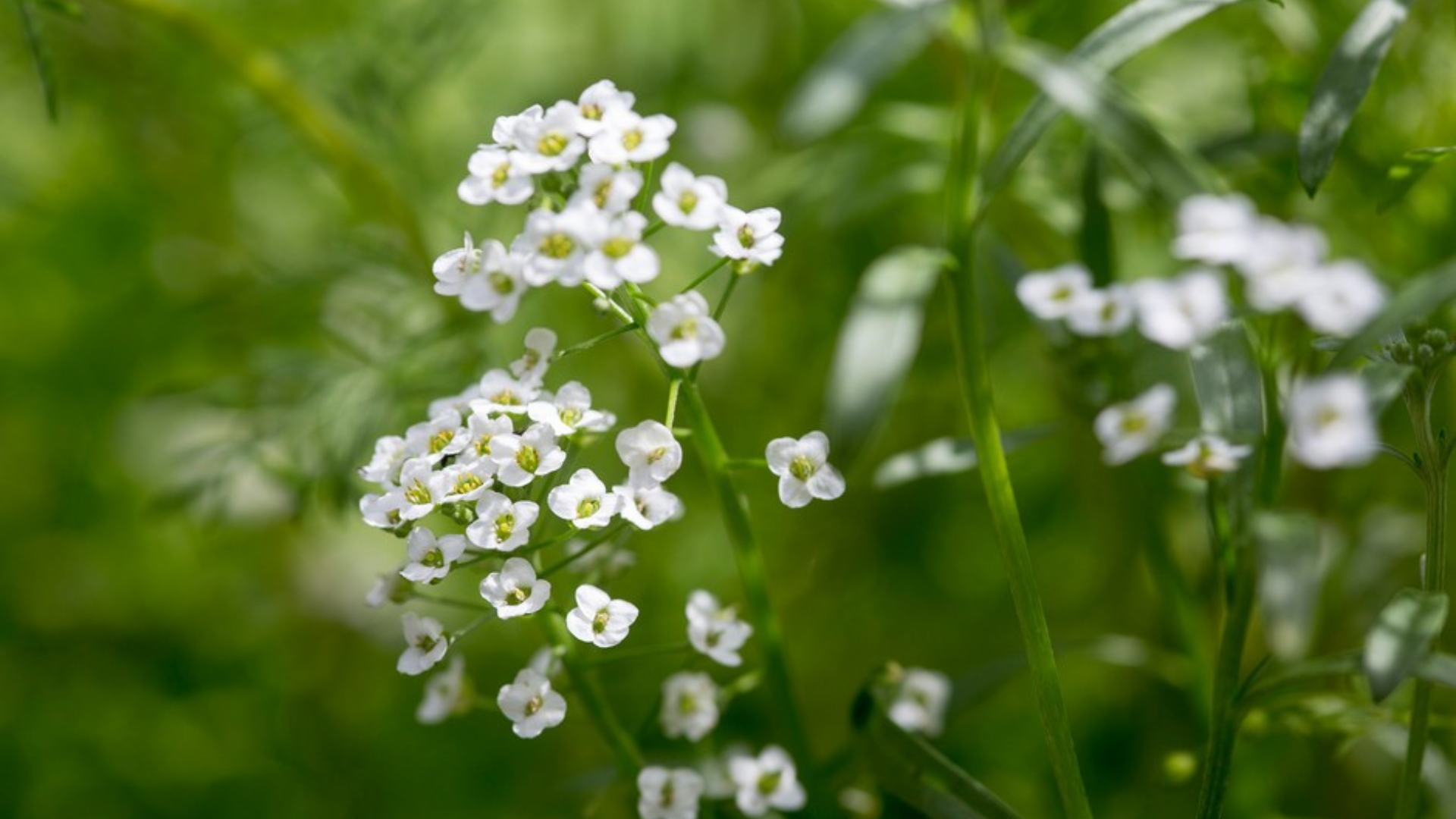
13. Sweet Alyssum
Source: Gardener’s World
Sweet alyssum is one of the best flowering companions for cilantro because it attracts hoverflies, lacewings, parasitic wasps, and other beneficial insects.
These insects naturally feed on aphids and similar pests that can damage nearby vegetables and herbs.
Its low-growing habit makes it an excellent border plant without competing heavily for sunlight or nutrients.
Sweet alyssum blooms for an extended period, providing a reliable nectar source that improves biodiversity and supports a healthier garden ecosystem.
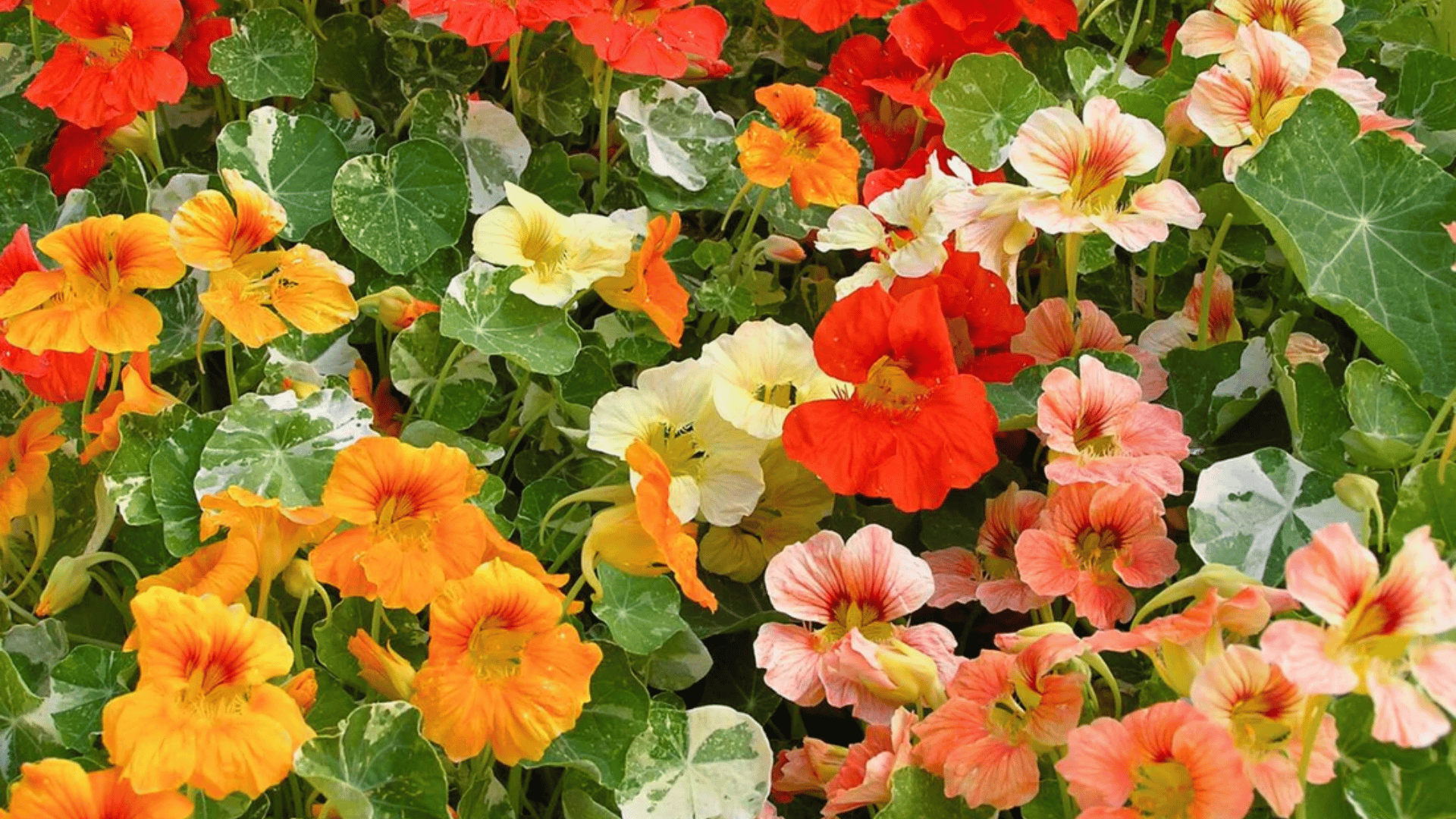
14. Nasturtiums
Source: Renee’s Garden
Nasturtiums are valuable companion plants for cilantro because they attract pollinators while serving as a trap crop that draws aphids away from nearby vegetables.
Their spreading growth helps shade the soil, reducing moisture loss and suppressing weeds around cilantro. Bright flowers also encourage beneficial insects that contribute to natural pest management.
Since nasturtiums grow vigorously, occasional pruning and proper spacing prevent overcrowding.
Together, these plants create a more balanced, productive garden with fewer pest problems during the growing season.
Signs Your Companion Planting is Working
Healthy companion planting creates a balanced growing environment where cilantro and neighboring plants thrive together.
- Healthy, Leafy Cilantro Growth: Plants produce vibrant green leaves with steady new growth throughout the season.
- Fewer Pest Problems: Aphids, caterpillars, and other common garden pests appear less frequently or cause minimal damage.
- More Beneficial Insects: Bees, hoverflies, ladybugs, and parasitic wasps are regularly seen visiting the garden.
- Consistently Moist Soil: The soil retains moisture longer without becoming waterlogged, reducing plant stress.
- Minimal Competition Among Plants: Companion plants have enough space to grow without overcrowding or excessively shading cilantro.
- Lower Weed Growth: Nearby plants help cover the soil surface, naturally reducing weed emergence.
- Healthy Harvests from Multiple Crops: Both cilantro and its companion plants grow vigorously and produce good yields at the same time.
Cilantro Companion Plant Combinations at a Quick Glance
This table highlights the best and worst planting partners for cilantro to help you plan a healthier and more productive garden.
| Companion Plant | Good or Bad | Main Benefit or Concern |
|---|---|---|
| Lettuce | Good | Similar growing conditions |
| Spinach | Good | Shares cool-season needs |
| Carrots | Good | Uses a different root space |
| Tomatoes | Good | Light afternoon shade |
| Peas | Good | Improves soil nitrogen |
| Beans | Good | Supports soil fertility |
| Onions | Good | A strong scent may deter pests |
| Garlic | Good | Similar pest-deterring benefits |
| Marigolds | Good | Attract beneficial insects |
| Fennel | Avoid | Can inhibit nearby plants |
| Mint | Avoid | Spreads aggressively |
| Mature Dill | Use Carefully | May compete after Flowering |
Plants to Avoid Growing with Cilantro
Some plants have growing habits or care requirements that make them less suitable companions for cilantro.
- Fennel: Fennel releases natural compounds that can suppress the growth of nearby plants, so it is generally best grown in a separate part of the garden.
- Mint: Mint spreads rapidly through underground runners and can quickly crowd out cilantro, competing for water, nutrients, and growing space.
- Tall Brassicas: Large crops like broccoli, cabbage, and Brussels sprouts can create excessive shade as they mature, reducing the sunlight cilantro needs for healthy leaf growth.
- Mature Dill (During Flowering): While young dill is often compatible, mature flowering dill can compete more heavily for nutrients and attract some of the same insect pests.
- Woody Herbs (Rosemary, Lavender, and Sage): These Mediterranean herbs prefer dry, well-drained soil and infrequent watering, unlike cilantro, which thrives in consistently moist soil.
- Aggressive Spreading Plants: Vigorous growers that spread quickly can overcrowd cilantro, limiting airflow and increasing competition for moisture and nutrients.
- Heavy-Feeding Vegetables: Crops such as pumpkins, squash, corn, and large tomato plants consume substantial water and nutrients, which may reduce cilantro’s growth when planted too closely.
What Makes a Good Companion Plant?
A good companion plant shares similar growing conditions while supporting nearby plants through natural pest control, beneficial insects, and compatible root systems.
A good companion plant shares the same sunlight, soil, and watering needs as nearby crops.
It should also help reduce pest problems by repelling harmful insects or attracting beneficial predators and pollinators.
Plants with different root depths are often better companions because they compete less for water and nutrients.
Good companions also improve airflow, use garden space efficiently, and support healthy soil without crowding nearby plants.
When these qualities work together, companion planting creates a healthier, more balanced growing environment that encourages stronger growth, better harvests, and improved overall garden productivity.
Common Companion Planting Mistakes
Avoiding a few common mistakes helps companion planting work more effectively and keeps cilantro growing in healthier conditions.
- Planting Too Closely: Crowded plants compete for sunlight, water, and nutrients, reducing airflow and increasing the risk of fungal diseases.
- Ignoring Mature Plant Size: Small seedlings can grow into large plants that overshadow cilantro, limiting its access to light and growing space.
- Pairing Plants with Different Moisture Needs: Growing cilantro with drought-tolerant plants or water-loving crops can make proper watering difficult for both.
- Creating Excessive Shade: Too much shade slows cilantro’s growth and reduces leaf production, even though light afternoon shade can help in hot weather.
- Assuming Companion Planting Solves Every Problem: Companion planting supports a healthier garden but should be combined with good soil, regular watering, proper spacing, and routine pest monitoring.
Conclusion
Choosing the right cilantro companion plants can improve growing conditions, make better use of garden space, encourage beneficial insects, and help reduce common pest problems.
Pairing cilantro with compatible vegetables, herbs, and flowers while avoiding incompatible neighbors creates a healthier, more balanced garden.
Companion planting works best with proper watering, fertile soil, good spacing, and regular care.
With thoughtful planning, you can enjoy stronger cilantro growth and a more productive harvest throughout the season.
If you found this information helpful, share it with anyone planning their next garden.
Frequently Asked Questions
Does Cilantro Help Keep Pests Away?
Cilantro flowers attract beneficial insects that prey on garden pests, helping to create a healthier, more balanced growing environment naturally.
Is Companion Planting Enough to Keep Cilantro Healthy?
No, companion planting cannot prevent bolting, but proper watering, cooler temperatures, and partial shade may help delay flowering naturally.
Can Cilantro be Grown As a Companion Plant in Containers?
Yes, cilantro’s shallow, mostly downward-growing taproot makes it well-suited to containers at least 12 inches deep and wide, with drainage.