

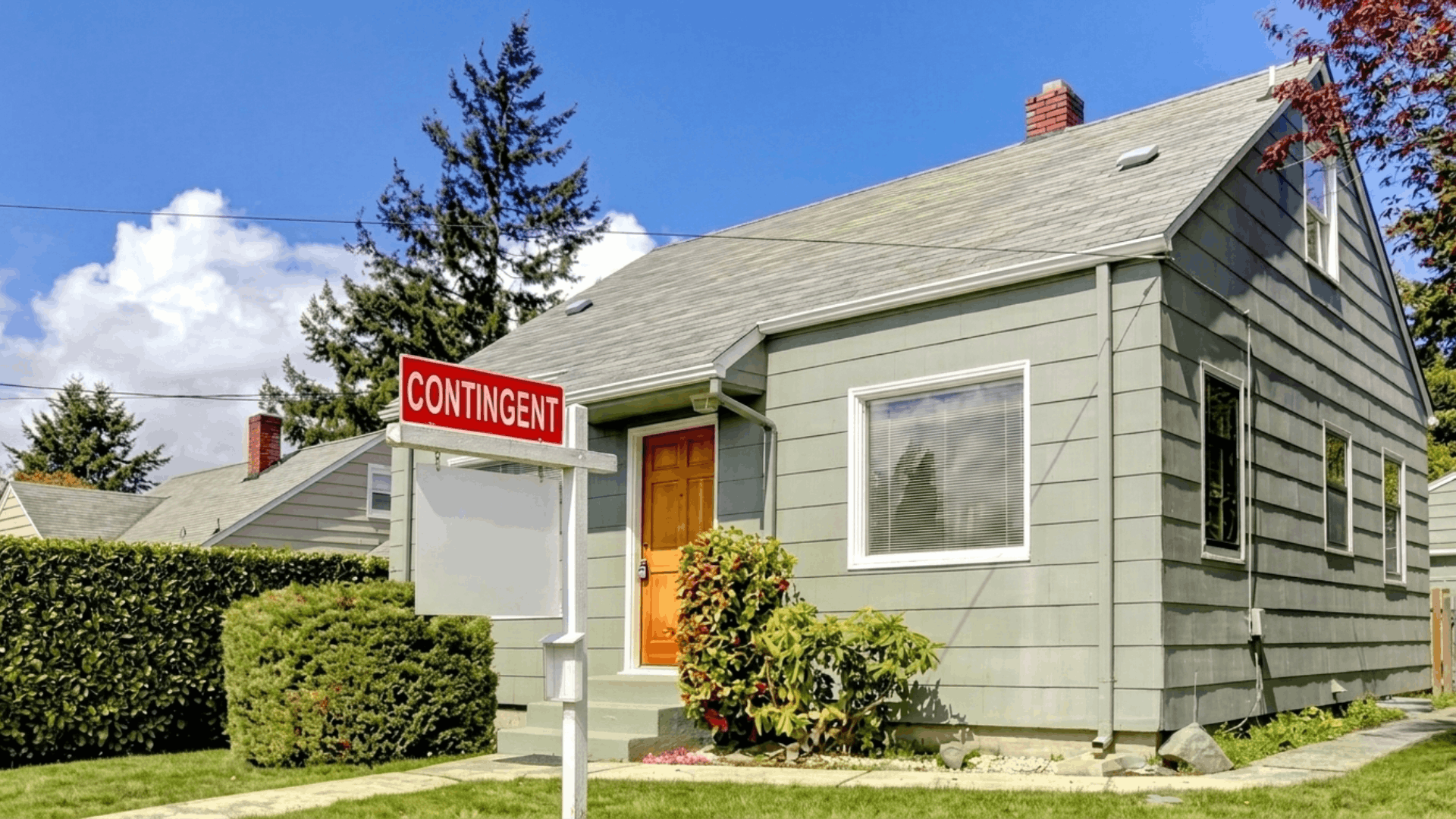
If you’re searching for a home online, you’ve probably seen listings marked as “contingent” or “pending.”
These terms may seem similar, but they have different meanings and can affect your chances of buying a property. So, what does contingent mean in real estate?
A contingent status means the seller has accepted an offer, but the sale can proceed only if certain conditions are met.
Understanding the difference between contingent and pending helps buyers and sellers make better real estate decisions.
In this guide, you’ll learn how these statuses work, what they mean, and how they can impact a home sale. Keep reading to avoid costly misunderstandings and navigate the real estate market with confidence.
What Does Contingent Mean in Real Estate?
In real estate, a contingent status means a seller has accepted a buyer’s offer, but the sale is not final yet.
The transaction depends on certain conditions, known as contingencies, being met before the deal can move forward.
Common contingencies include a home inspection, mortgage approval, appraisal, or the sale of the buyer’s current home.
During this period, the property is typically taken off the active market, although some sellers may still accept backup offers.
If all contingencies are satisfied, the sale usually moves to a pending status and then closes. However, if a contingency is not met, the deal may be canceled, allowing the property to return to the market.
What Is the Difference Between Contingent and Pending?

A contingent and pending status both mean a seller has accepted an offer, but they represent different stages of the home-selling process.
1. Stage of the Real Estate Transaction
A contingent status appears earlier in the transaction process. At this stage, the buyer and seller have agreed on a contract, but certain requirements still need to be completed before the sale can move forward.
A pending status comes later and indicates that most or all major contingencies have been satisfied.
The deal is now much closer to closing, and both parties are primarily focused on completing final paperwork and preparing for ownership transfer.
2. Remaining Conditions and Requirements
The biggest difference between contingent and pending properties is the presence of contingencies.
A contingent home still has conditions that must be met, such as financing approval, a satisfactory home inspection, or an acceptable appraisal.
A pending home has usually cleared major issues, meaning the sale is closer to closing.
As a result, pending sales generally face fewer obstacles before reaching the closing table.
3. Likelihood of the Deal Falling Through
Contingent sales are more likely to fall apart because key conditions remain unresolved.
If a buyer cannot secure financing, receives a poor inspection report, or encounters appraisal problems, the contract may be canceled.
Pending sales carry less risk because the major concerns have typically already been addressed.
Although a pending deal can still fail under rare circumstances, it is generally considered much more secure than a contingent transaction.
4. Opportunity for Backup Offers
Many sellers continue to accept backup offers while a property is listed as contingent. This provides a safety net if the original buyer cannot complete the purchase.
Buyers interested in the property may still have a chance to submit an offer and secure a backup position.
Once a property becomes pending, sellers are often less likely to entertain additional offers because the transaction has progressed further and has a stronger chance of closing successfully.
5. Buyer Flexibility During the Process
A contingent status provides buyers with more flexibility because contingencies offer legal protection.
Buyers can often renegotiate terms, request repairs, or even withdraw from the agreement under certain conditions without facing significant penalties.
In a pending transaction, those opportunities are usually much more limited because the contingency period has ended.
Buyers are generally expected to move forward toward closing unless a serious issue arises that affects the transaction.
6. Seller’s Level of Confidence
When a property is contingent, sellers may still feel some uncertainty because key conditions have not been met.
They must wait for inspections, appraisals, financing decisions, and other requirements before knowing if the sale will proceed.
A pending status gives sellers greater confidence since the buyer has already cleared most of these hurdles.
While closing is not guaranteed, a pending sale typically signals that the transaction is on track for completion.
7. Chances of Purchasing the Property
For buyers searching for homes, a contingent property may still present an opportunity. Since the deal can fail if contingencies are not met, interested buyers may be able to submit backup offers and remain under consideration.
A pending property is generally much harder to acquire because it is closer to closing and less likely to return to the market.
Therefore, buyers often have better odds with contingent listings than with pending ones.
Why Do Homes Become Contingent?
Homes become contingent when a seller accepts an offer, but certain conditions must be met before the sale can move forward. These conditions help protect both buyers and sellers during the transaction process.
- Home Inspection Requirement: Buyers often request a professional inspection to check the property’s condition. If major issues are found, they may negotiate repairs or reconsider the purchase.
- Financing Approval: Most buyers need a mortgage to purchase a home. The sale remains contingent until the lender fully approves the loan application.
- Property Appraisal: Lenders require an appraisal to confirm the home’s market value. If the property appraises below the agreed price, the deal may need adjustments.
- Buyer’s Home Sale: Some buyers must sell their current home before completing a new purchase. This contingency helps ensure they have the funds needed to close.
- Title Review Process: A title search checks for legal issues such as liens or ownership disputes. Any problems must be resolved before the transaction can proceed.
- Insurance or Contract Requirements: Certain contracts require proof of homeowners’ insurance or other documentation. The sale remains contingent until these requirements are successfully completed.
Understanding the Types of Contingencies in Real Estate

Different contingencies help protect buyers and sellers during a real estate transaction. They allow both parties to address potential issues before the sale becomes final.
1. Inspection Contingency
An inspection contingency gives buyers the right to have the property professionally inspected before completing the purchase.
During the inspection, experts check the home’s structure, systems, and overall condition for hidden problems.
If major issues such as roof damage, plumbing concerns, or foundation defects are discovered, buyers can request repairs, negotiate a lower price, or withdraw from the agreement.
This contingency helps buyers avoid unexpected expenses after moving into the property.
2. Financing Contingency
A financing contingency protects buyers who need a mortgage to purchase a home.
Even after receiving preapproval, lenders must complete a full review of the buyer’s income, employment history, credit score, and financial records.
If the buyer cannot secure the required loan, this contingency allows them to cancel the contract without severe financial consequences.
Sellers also benefit because it ensures buyers have a realistic path toward obtaining the funds needed to complete the transaction.
3. Appraisal Contingency
An appraisal contingency ensures the property’s value supports the agreed purchase price. Mortgage lenders typically require an appraisal before approving a loan.
If the appraiser determines that the home’s value is lower than the contract price, the lender may reduce the loan amount.
Buyers and sellers must then negotiate a solution, such as lowering the price or increasing the buyer’s down payment.
This contingency protects buyers from paying significantly more than the property’s estimated market value.
4. Home Sale Contingency
A home sale contingency allows buyers to make an offer on a new property while still needing to sell their current home.
This condition helps buyers avoid carrying two mortgages at the same time or purchasing a home without enough available funds.
However, it can create uncertainty for sellers because the transaction depends on another sale occurring first. In competitive housing markets, sellers may be less willing to accept offers that include this type of contingency.
5. Title Contingency
A title contingency protects buyers from legal issues related to property ownership. The search may uncover problems such as unpaid taxes, liens, ownership disputes, or filing errors.
Before closing, a title company conducts a detailed search to verify that the seller legally owns the property and has the right to transfer it.
If significant title issues are found, they must be resolved before closing can proceed. This contingency helps prevent future legal complications for buyers.
6. Insurance Contingency
An insurance contingency allows buyers to confirm that they can obtain homeowners’ insurance for the property.
Insurance companies may refuse coverage or charge extremely high premiums if a home is located in a high-risk area, has a history of claims, or contains safety concerns.
If acceptable insurance coverage cannot be secured, buyers may choose to cancel the contract.
This contingency provides financial protection and ensures the property can be properly insured after ownership is transferred.
What Happens During the Contingency Period?
The contingency period is the time between an accepted offer and the next major step toward closing. During this stage, buyers and sellers work through key checks before the sale becomes more secure.
- Buyer Reviews the Home Inspection: The buyer hires an inspector to check the property’s condition. If problems arise, the buyer may request repairs or a price adjustment.
- Lender Reviews the Buyer’s Loan: The lender checks the buyer’s income, credit, debt, and documents. The sale can move forward once the loan approval process stays on track.
- Property Appraisal Is Completed: An appraiser checks the home’s value for the lender. If the value is too low, the buyer and seller may need to renegotiate.
- Title Search Is Done: A title company checks for ownership issues, liens, or unpaid taxes. Any title problems must be fixed before closing can happen.
- Repairs or Credits Are Negotiated: If the inspection shows issues, both sides may discuss repairs or seller credits. This helps settle concerns before the buyer removes contingencies.
- Contingencies Are Removed, or the Deal Ends: Once each condition is met, the buyer may remove contingencies in writing. If a major condition fails, the contract may be canceled.
Can a Contingent Home Still Accept Offers?
Yes, a contingent home can still accept offers in many cases. The seller has accepted an offer, but the sale is not final yet.
It depends on certain conditions being met, such as financing approval, a home inspection, or an appraisal.
Since these contingencies create a risk that the deal could fall through, sellers may continue to accept backup offers from other interested buyers.
A backup offer gives another buyer a place in line if the original contract is canceled. However, the seller cannot proceed with the backup offer unless the first agreement terminates.
For buyers, contingent homes can still be worth considering because they may become available again before the sale closes.
How Does a Contingent Offer Work?
A contingent offer depends on specific conditions being met before the transaction can move forward. The deal remains active, but both parties must satisfy the agreed-upon requirements before it becomes final.
- Offer Is Accepted With Conditions: The buyer or seller agrees to the offer, but certain requirements must be fulfilled before the transaction is finalized.
- Required Checks and Verifications Take Place: Depending on the situation, inspections, appraisals, financing approval, or background checks may be completed during this stage.
- Parties Work to Meet the Contingencies: The buyer, seller, lender, or other involved parties take the necessary steps to satisfy the conditions outlined in the offer.
- Issues May Be Negotiated: If problems arise, such as inspection concerns or financing challenges, both sides may negotiate repairs, credits, price changes, or other solutions.
- Conditions Are Reviewed Before the Deadline: Each contingency must be resolved within the timeframe stated in the agreement to keep the deal moving forward.
- Offer Becomes Final or Ends: Once all conditions are met, the contingent offer becomes binding and proceeds to closing. If a major contingency cannot be satisfied, the offer may be canceled.
What Happens If a Contingency Is Not Met?
If a contingency is not met, the transaction may be delayed, renegotiated, or canceled, depending on the terms of the agreement.
In many cases, the buyer can withdraw from the deal without facing penalties if the unmet contingency is covered by the contract.
When a contingency fails, both parties typically review their options before deciding how to proceed.
For example, a low appraisal may lead to price negotiations, while financing issues could require the buyer to seek alternative funding. Inspection-related concerns may result in repair requests or seller concessions.
If the issue cannot be resolved within the contingency period, the contract may be terminated.
The exact outcome depends on the type of contingency involved and the conditions outlined in the purchase agreement.
What Does Contingent Mean for Buyers and Sellers?
A contingent status affects both buyers and sellers, but in different ways. Buyers gain certain protections during the transaction, while sellers wait for key conditions to be satisfied before the sale can proceed.
| Factor | What It Means for Buyers | What It Means for Sellers |
|---|---|---|
| Purchase Protection | Buyers are protected by contingencies that allow them to inspect the property, secure financing, and verify important details before completing the purchase. | Sellers must wait for these conditions to be satisfied before the transaction can proceed toward closing. |
| Home Inspection | Buyers can identify hidden issues and negotiate repairs, credits, or price adjustments if major problems are found. | Sellers may need to address repair requests or negotiate new terms to keep the deal moving forward. |
| Financing Approval | Buyers have time to secure final mortgage approval and submit any required financial documents. | Sellers must wait for the lender’s decision before knowing whether the buyer can complete the purchase. |
| Appraisal Process | Buyers receive confirmation that the home’s value supports the agreed purchase price. | Sellers may need to renegotiate if the appraisal comes in lower than expected. |
| Negotiation Opportunities | Buyers can use inspection or appraisal results to request changes that better fit their needs and budget. | Sellers may face additional discussions regarding repairs, credits, or pricing adjustments. |
| Progress Toward Closing | Buyers move closer to ownership once all contingencies are removed and approved. | Sellers gain greater confidence that the sale will close successfully after all conditions are met. |
How Long Does a Home Stay Contingent?
A home typically stays contingent for about 30 to 60 days, although the exact timeline depends on the terms of the purchase agreement and the type of contingencies involved.
During this period, buyers complete inspections, mortgage approval, appraisals, title reviews, and insurance arrangements.
Some transactions move quickly and clear contingencies within a few weeks, while others take longer if issues arise that require additional negotiations or documentation.
Lender delays, repairs, appraisals, or another home sale can extend the contingency period.
Once all conditions are satisfied, the listing usually changes from contingent to pending and moves closer to the closing date.
How to Move from Contingent to Pending?
Moving from contingent to pending means the buyer and seller have successfully completed most of the conditions outlined in the purchase agreement.
- Complete the Home Inspection: The buyer finishes the inspection process and reviews the findings. Any repair requests or negotiations are resolved between both parties.
- Secure Final Loan Approval: The lender completes its review of the buyer’s finances and approves the mortgage. This confirms the buyer has the funds needed to proceed.
- Receive a Satisfactory Appraisal: The property’s appraised value must support the agreed purchase price. Any appraisal-related concerns are addressed before moving forward.
- Clear the Title Search: The title company verifies ownership and checks for liens or legal issues. Any problems found during the search must be resolved.
- Meet All Contract Contingencies: Inspection, financing, insurance, and other required contingencies are completed. Both parties confirm that the agreed conditions have been satisfied.
- Remove Contingencies and Update Status: Once the conditions are met, contingencies are officially removed from the contract. The listing status then changes from contingent to pending.
Conclusion
Understanding what contingent means can help you make better home buying or selling decisions. A contingent status indicates that an offer has been accepted, but certain conditions must be met before the sale can proceed.
Knowing the difference between contingent and pending can also help you understand how close a property is to closing and what risks may still exist.
Understanding these listing statuses can help you avoid confusion and set realistic expectations when buying or selling a home.
If you’re actively searching for homes or planning to sell, use this guide as a reference to navigate the real estate process with greater confidence and clarity.
Frequently Asked Questions
Is It Better to Be Contingent or Pending?
Pending is generally preferable if your goal is a completed sale, since most contingencies have been cleared. Contingent offers more buyer protections but carries a higher risk of the deal falling through.
Is it Worth Looking at a House that Is Contingent?
Yes. A contingent home can still return to the market if the current deal falls through, and some sellers may accept backup offers from interested buyers.
How Long Is a Contingent Offer Good For?
A contingent offer is usually valid for 30 to 60 days, depending on the contract terms and how long it takes to satisfy the contingencies.
Can a Seller Reject a Contingent Offer?
Yes. A seller can reject a contingent offer, especially if they receive a stronger offer with fewer conditions or a higher likelihood of closing.