

Keeping your toilet bowl clean does not have to mean buying a different cleaner every time you shop.
I have seen how the wrong mix of cleaning products can etch porcelain glaze and stain grout, so getting the recipe right matters as much as picking the ingredients.
A DIY toilet bowl cleaner with common ingredients is a budget-friendly option that helps remove light stains, odors, and mineral buildup.
Choosing the right ingredients and following basic safety precautions is just as important as the recipe itself.
In this guide, I will share simple DIY toilet cleaner recipes, explain what each ingredient does, and flag the one pairing that sounds powerful but actually cancels itself out.
You will also learn when an EPA-registered disinfectant is the better option for safe, effective cleaning.
Quick Answer: What Is the Best DIY Toilet Bowl Cleaner?
The best DIY toilet bowl cleaner recipes for everyday use combine baking soda with white vinegar, citric acid, or mild dish soap.
These simple ingredients help break down light stains, freshen odors, and loosen buildup without harsh chemicals.
Sprinkle the powder, add the liquid, let it sit for 10 to 30 minutes, then scrub and flush.
Use borax or hydrogen peroxide for tougher stains, and switch to an EPA-registered disinfectant after illness for stronger germ control.
Always avoid mixing cleaning ingredients that may create harmful fumes.
Common Ingredients Used in DIY Toilet Cleaners
Most homemade toilet bowl cleaners rely on a few everyday household ingredients. Each one has a different purpose, so choosing the right combination helps you clean safely and avoid damaging your toilet.
| Ingredient | What It Does | Notes |
|---|---|---|
| Baking Soda | Helps remove light stains and odors | Mild abrasive |
| White Vinegar | Dissolves mineral deposits | Never mix with bleach |
| Citric Acid | Breaks down hard water stains | Follow product directions |
| Mild Dish Soap | Helps loosen dirt | Avoid using too much |
| Hot Water | Helps rinse away residue | Do not use boiling water on porcelain |
How to Choose the Right DIY Toilet Cleaner?
Not every homemade cleaner is designed for the same purpose. Choosing the right recipe based on the type of stain or buildup helps you achieve better results while avoiding unnecessary ingredient mixing.
- For Everyday Cleaning: Use baking soda and Castile soap or mild dish soap to remove light dirt and freshen the bowl.
- For Hard Water Stains: Choose a recipe using citric acid or white vinegar to help loosen mineral deposits.
- For Stubborn Stains: Try borax or hydrogen peroxide with baking soda for extra cleaning power.
- For Odor Control: Recipes containing baking soda help absorb odors, while essential oils can leave a fresh scent.
Best DIY Toilet Bowl Cleaner Recipes
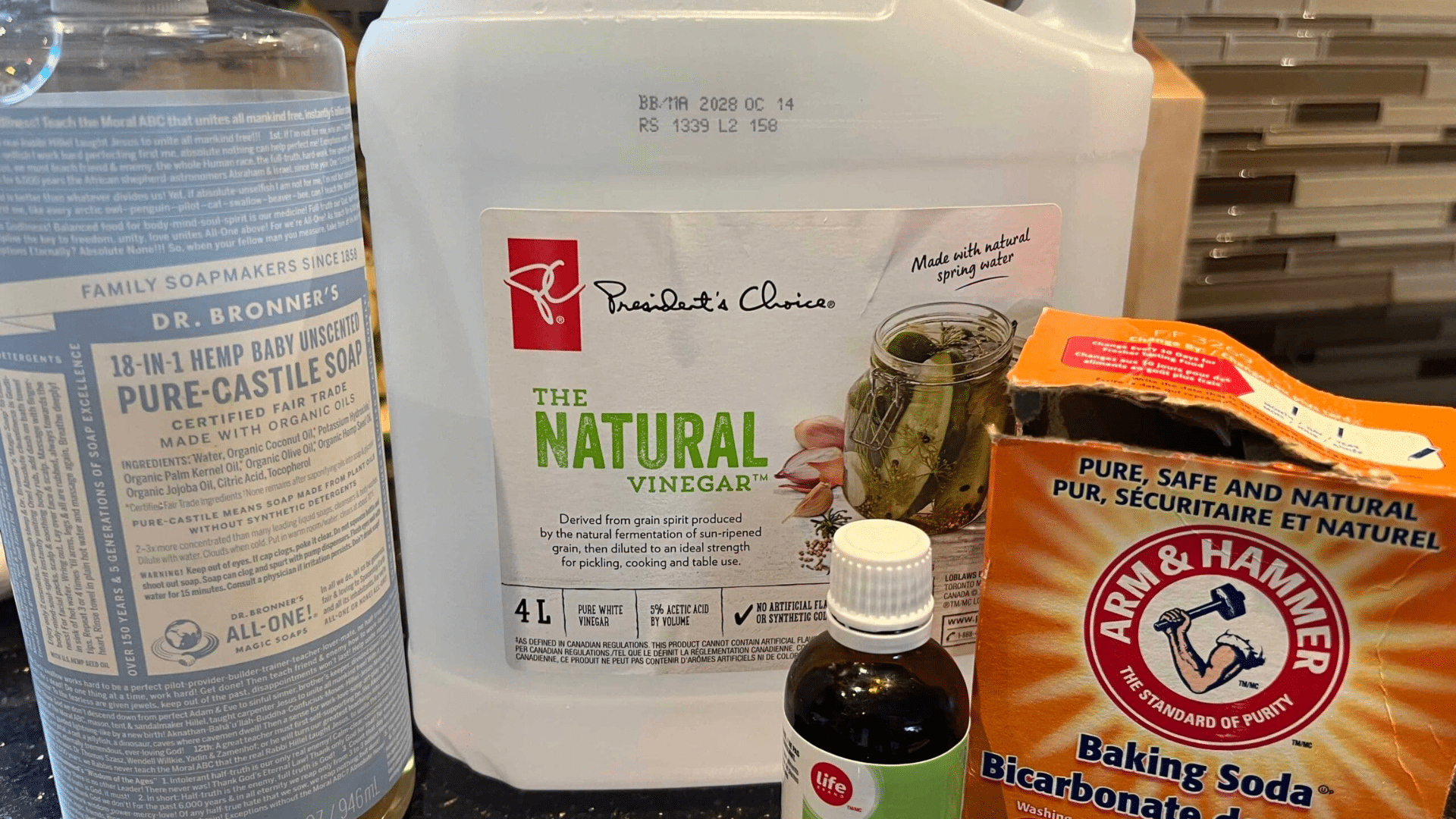
Different homemade recipes work better for different cleaning needs. Choose the one that matches the type of stain or buildup you want to remove, and always follow the directions on the label.
1. Baking Soda and White Vinegar Toilet Bowl Cleaner
This is one of the easiest recipes for routine toilet cleaning. Sprinkle 1 cup of baking soda evenly inside the bowl, then slowly pour in 1 cup of white vinegar.
The fizzing looks powerful, but it mostly loosens surface grime rather than adding cleaning strength, so let the brush do the real work.
Let the mixture sit for 10 to 15 minutes, then scrub with a toilet brush and flush.
Never use it if bleach has recently touched the bowl, since the combination can release dangerous chlorine gas.
2. Citric Acid Toilet Bowl Cleaner
Citric acid is a good choice for removing hard water stains and mineral deposits. Sprinkle2 to 3 tablespoons of citric acid powder around the toilet bowl and leave it for 20 to 30 minutes.
Scrub the stained areas with a toilet brush before flushing.
On older, softer porcelain, I always test a small area first, since citric acid can work slowly on years of buildup. If stains remain, repeat the process instead of mixing additional cleaners.
Follow the directions on the citric acid product label, and never combine it with bleach, as it can produce harmful fumes.
3. Baking Soda and Dish Soap Cleaner
For regular cleaning, combine½ cup of baking soda with 1 tablespoon of mild dish soap to form a thick paste.
Spread it around the inside of the toilet bowl, paying extra attention to stained areas and to the area under the rim. Let it sit for 10 minutes, then scrub thoroughly with a toilet brush before flushing.
This recipe helps remove everyday dirt and freshen the bowl without using acidic ingredients, making it suitable for routine maintenance.
4. Borax Toilet Bowl Cleaner
Borax can help remove stubborn stains that do not come off with regular cleaning.
Sprinkle½ cup of borax into the toilet bowl and let it sit for 20 to 30 minutes before scrubbing well with a toilet brush.
Flush once the stains have loosened. Store borax safely away from children and pets, and follow the manufacturer’s directions for use.
Do not mix borax with other cleaning products unless the label specifically says it is safe.
5. Hydrogen Peroxide and Baking Soda Cleaner
Mix ½ cup of baking soda with ¼ cup of 3% hydrogen peroxide until a smooth paste forms.
Apply the paste to stained areas inside the toilet bowl and leave it for 15 to 20 minutes. Scrub with a toilet brush, then flush to remove the residue.
This recipe is useful for light stains and odor control during regular cleaning.
Use only standard 3% household hydrogen peroxide and avoid combining it with other cleaning chemicals.
6. Lemon Juice and Baking Soda Cleaner
Mix ½ cup of baking soda with ¼ cup of fresh lemon juice to create a thick paste.
Apply the mixture around the inside of the toilet bowl, paying extra attention to stained areas and the waterline.
Let it sit for 10 to 15 minutes, then scrub thoroughly with a toilet brush before flushing. Lemon juice contains natural citric acid, which may help loosen light mineral deposits.
Never combine lemon juice with bleach or bleach-based cleaners.
7. Castile Soap Toilet Bowl Cleaner
Combine¼ cup of liquid Castile soap with 1 cup of warm water in a squeeze bottle and shake gently to mix.
Apply the solution to the inside of the toilet bowl and let it sit for 10 minutes before scrubbing with a toilet brush.
Flush to rinse away the loosened dirt and residue. This gentle recipe is suitable for routine cleaning and freshening but is not intended to disinfect the toilet bowl.
DIY Toilet Cleaner Ingredients Comparison
Each ingredient has a different purpose, so choosing the right one can save time and effort. This comparison makes it easier to pick a recipe based on the type of cleaning you need.
| Ingredient | Best For | Wait Time | Notes |
|---|---|---|---|
| Baking soda | Everyday cleaning and odor control | 10–15 minutes | Mild abrasive that helps loosen light stains. |
| White vinegar | Mineral deposits and light limescale | 10–15 minutes | Never mix with bleach or products containing bleach. Mixing an acid with bleach releases chlorine gas |
| Citric acid | Hard water stains and heavy limescale | 20–30 minutes | Follow the product label and avoid mixing with bleach. |
| Mild dish soap | Everyday dirt and grime | 10 minutes | Helps loosen residue without harsh chemicals. |
| Borax | Tough stains and odor control | 20–30 minutes | Store safely and follow the manufacturer’s directions. |
| 3% Hydrogen peroxide | Light stains and odor removal | 15–20 minutes | Use only standard 3% household hydrogen peroxide. |
How to Make and Use a DIY Toilet Bowl Cleaner
Making your own toilet bowl cleaner only takes a few minutes and uses ingredients commonly found at home. Follow these steps to mix the cleaner correctly and use it for routine toilet cleaning.
Step 1: Gather the Ingredients
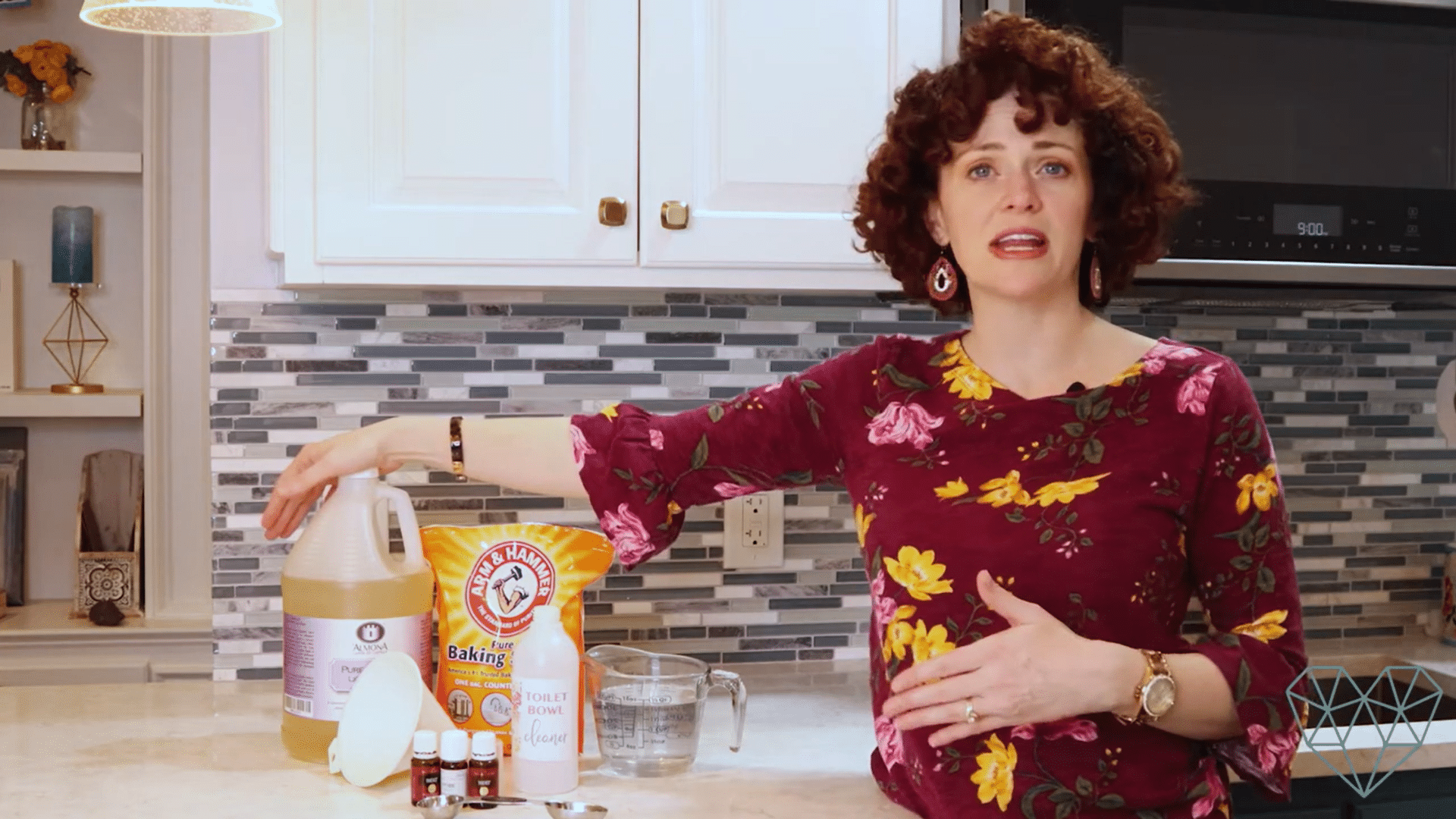
Before mixing the cleaner, gather all the ingredients and supplies in one place.
You’ll need 1½ cups of water, ¼ cup of liquid Castile soap, 2 tablespoons of baking soda, 5 drops of Thieves essential oil, and 5 drops of peppermint essential oil.
Keep a squeeze bottle ready for mixing and storing the cleaner. Measuring everything before you begin makes the process smoother, helps avoid spills, and ensures each ingredient is added in the correct amount.
Step 2: Pour the Water Into the Bottle
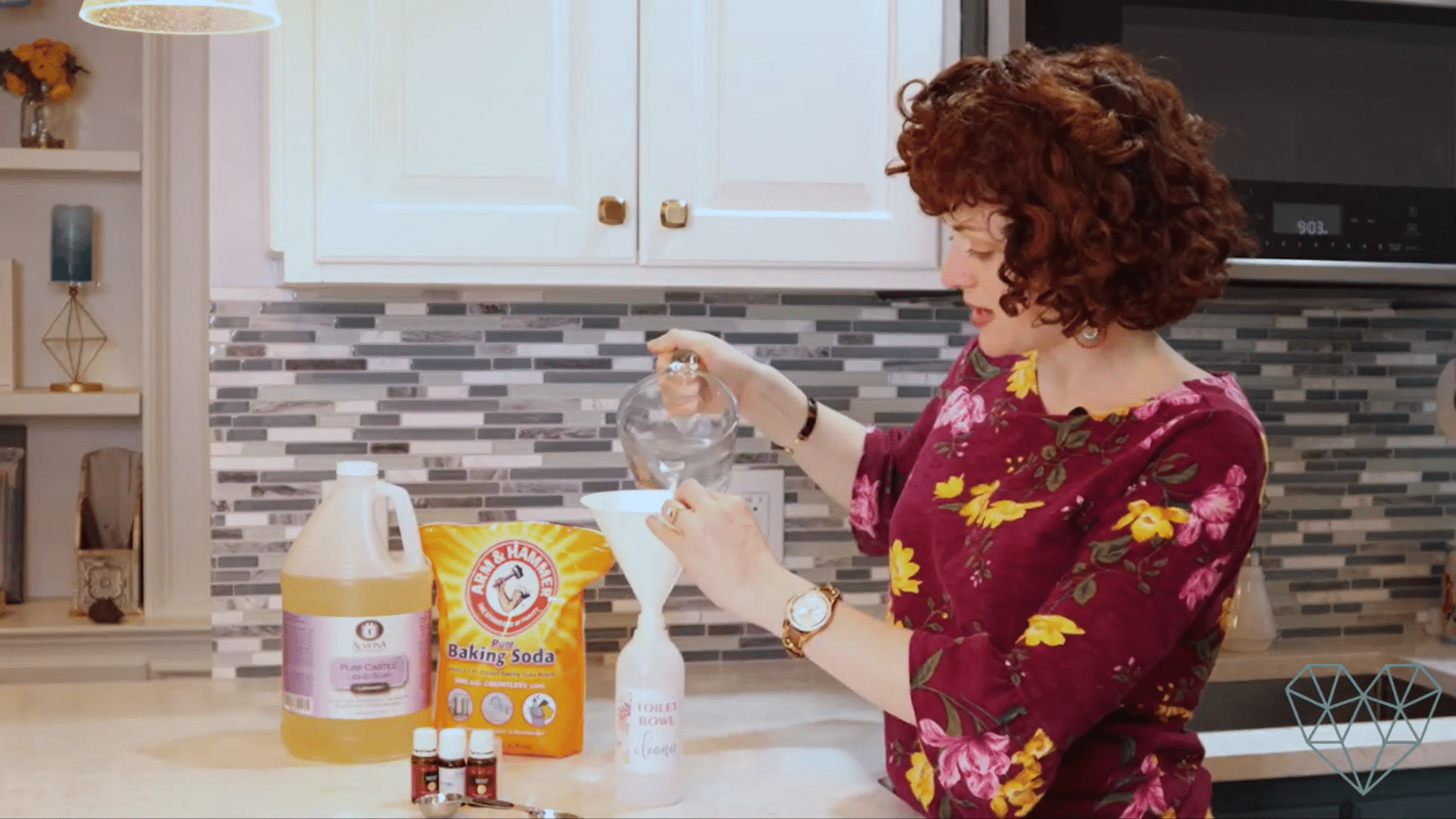
Start by pouring1½ cups of water into the squeeze bottle. The presenter explains that adding water first helps reduce foaming when the Castile soap is added later.
This simple step prevents the mixture from bubbling over the opening of the bottle and makes the remaining steps easier to complete.
Leave a little empty space near the top of the bottle so there is enough room for the soap, baking soda, and essential oils.
Step 3: Add the Castile Soap
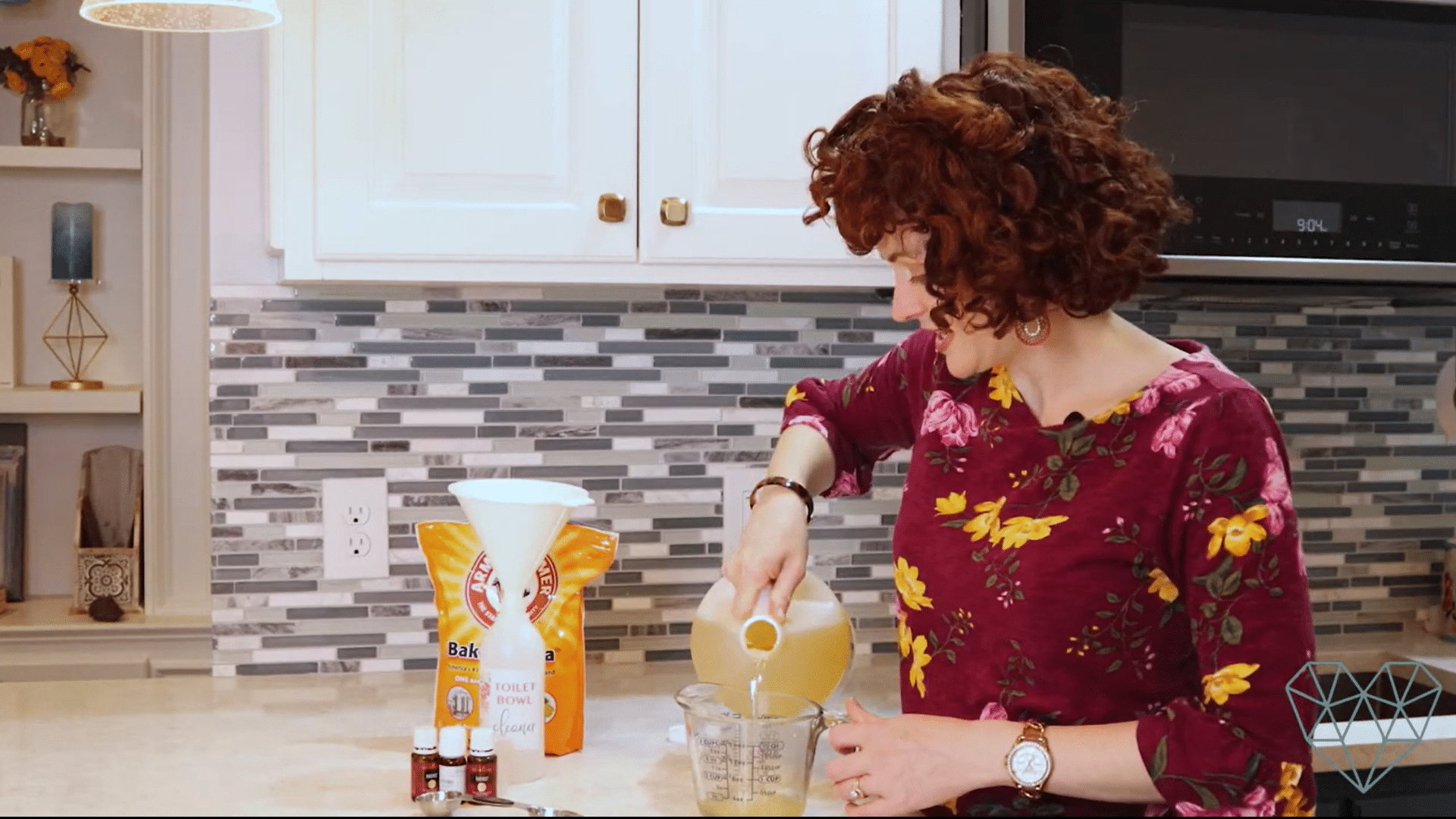
Measure¼ cup of liquid Castile soap and pour it into the bottle containing the water.
The presenter uses a lavender-scented variety but mentions that peppermint or citrus Castile soap also works well for cleaning.
A small amount of foaming is normal, so there is no need to worry if bubbles appear.
Castile soap is the primary cleaning ingredient, helping to loosen dirt and residue while remaining gentle enough for regular use.
Step 4: Mix in the Baking Soda
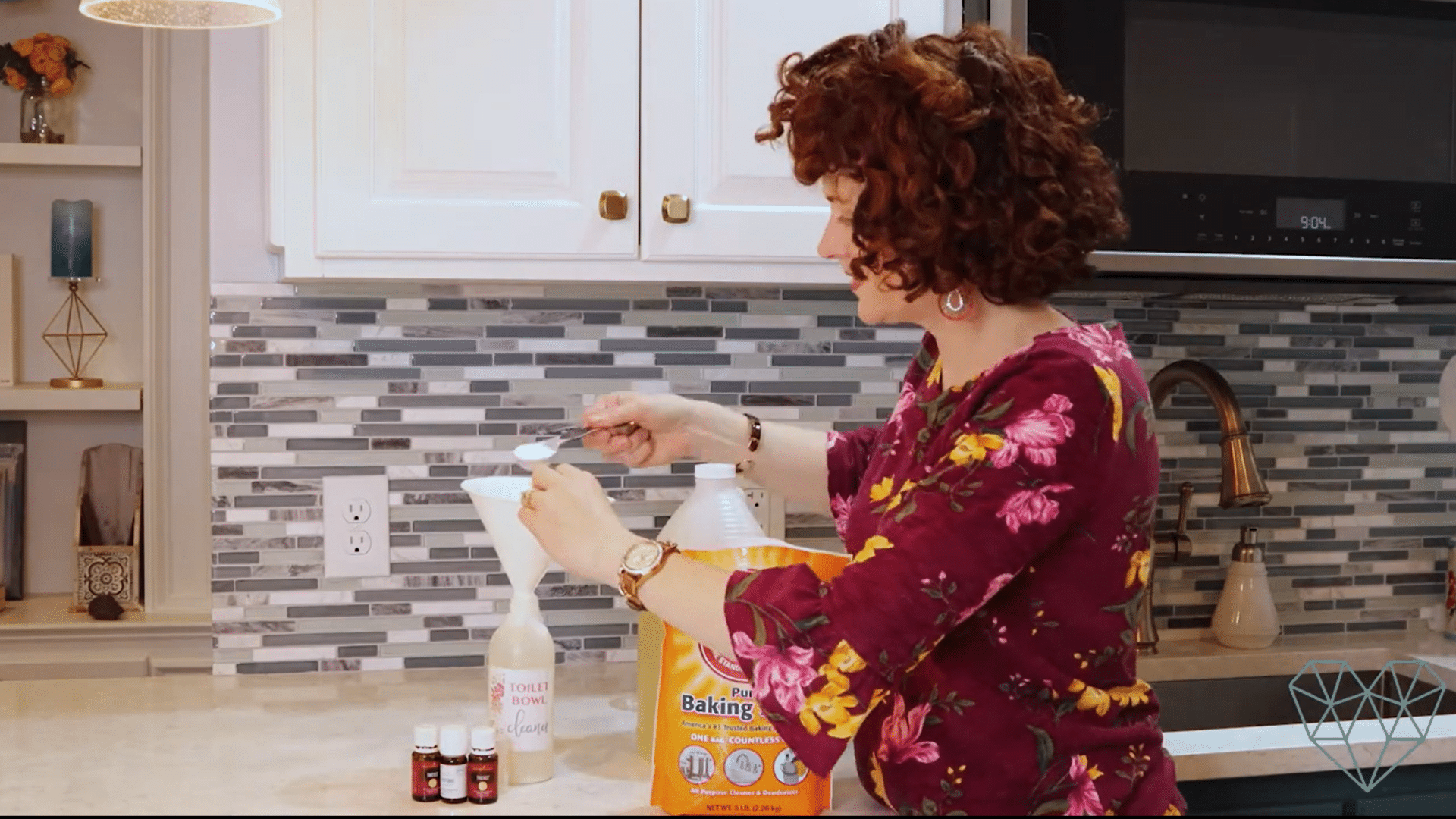
Add 2 tablespoons of baking soda to the bottle after the Castile soap. The mixture may bubble slightly, which is expected during this step.
If the foam rises toward the top, allow it to settle before continuing. Baking soda acts as a gentle abrasive that helps lift light stains, reduce odors, and improve scrubbing performance.
It also helps remove everyday buildup without using harsh chemicals that could damage the toilet bowl. (76 words)
Step 5: Add the Essential Oils
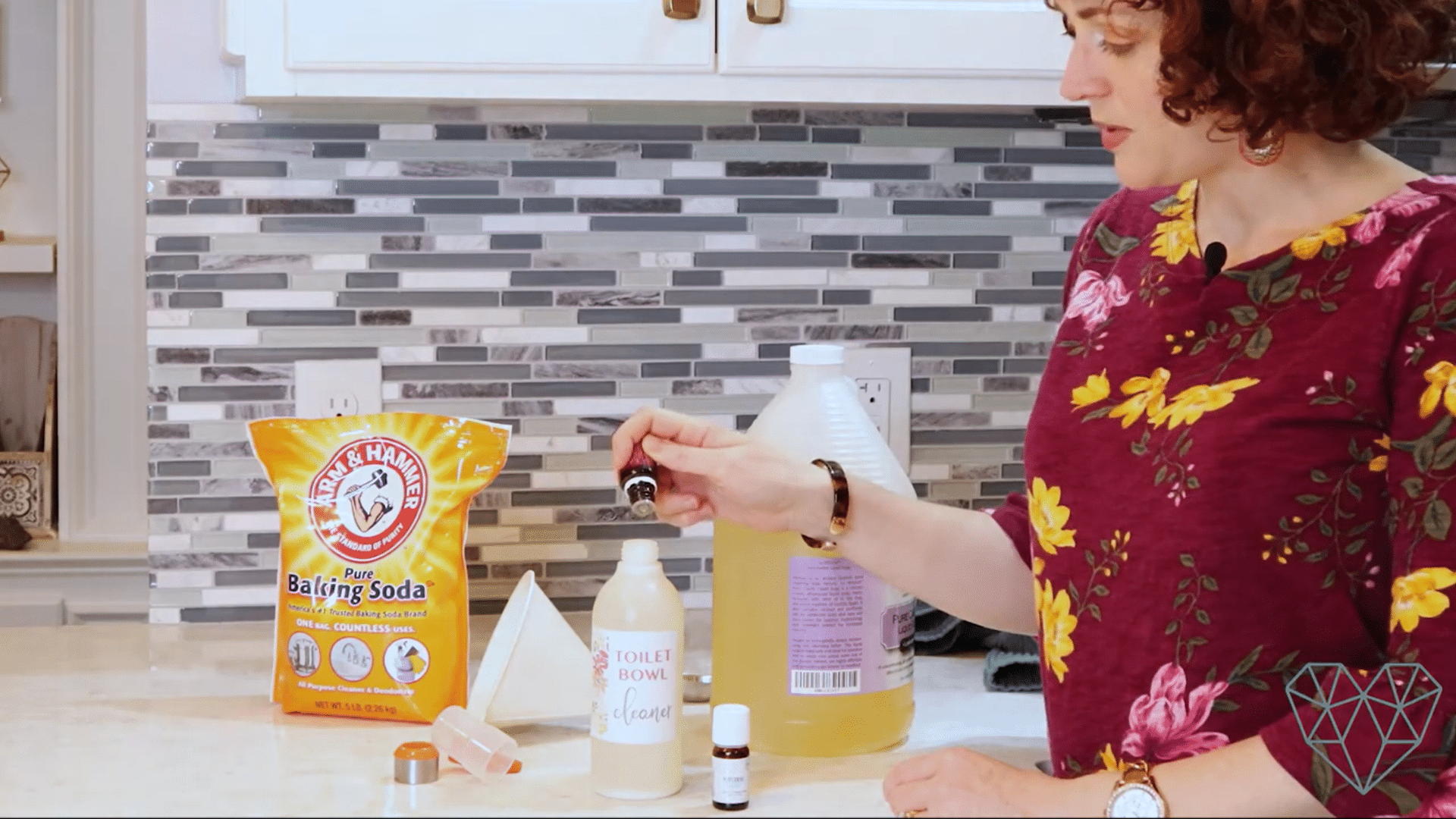
After the bubbling settles, add 5 drops of Thieves essential oil, then 5 drops of peppermint essential oil.
The presenter chooses these oils because they leave the toilet smelling fresh after cleaning.
They are added mainly for fragrance rather than disinfecting. If you prefer a different scent, you can substitute an essential oil suitable for household cleaning, using about the same total number of drops. (75 words)
Step 6: Close, Shake, and Use the Cleaner
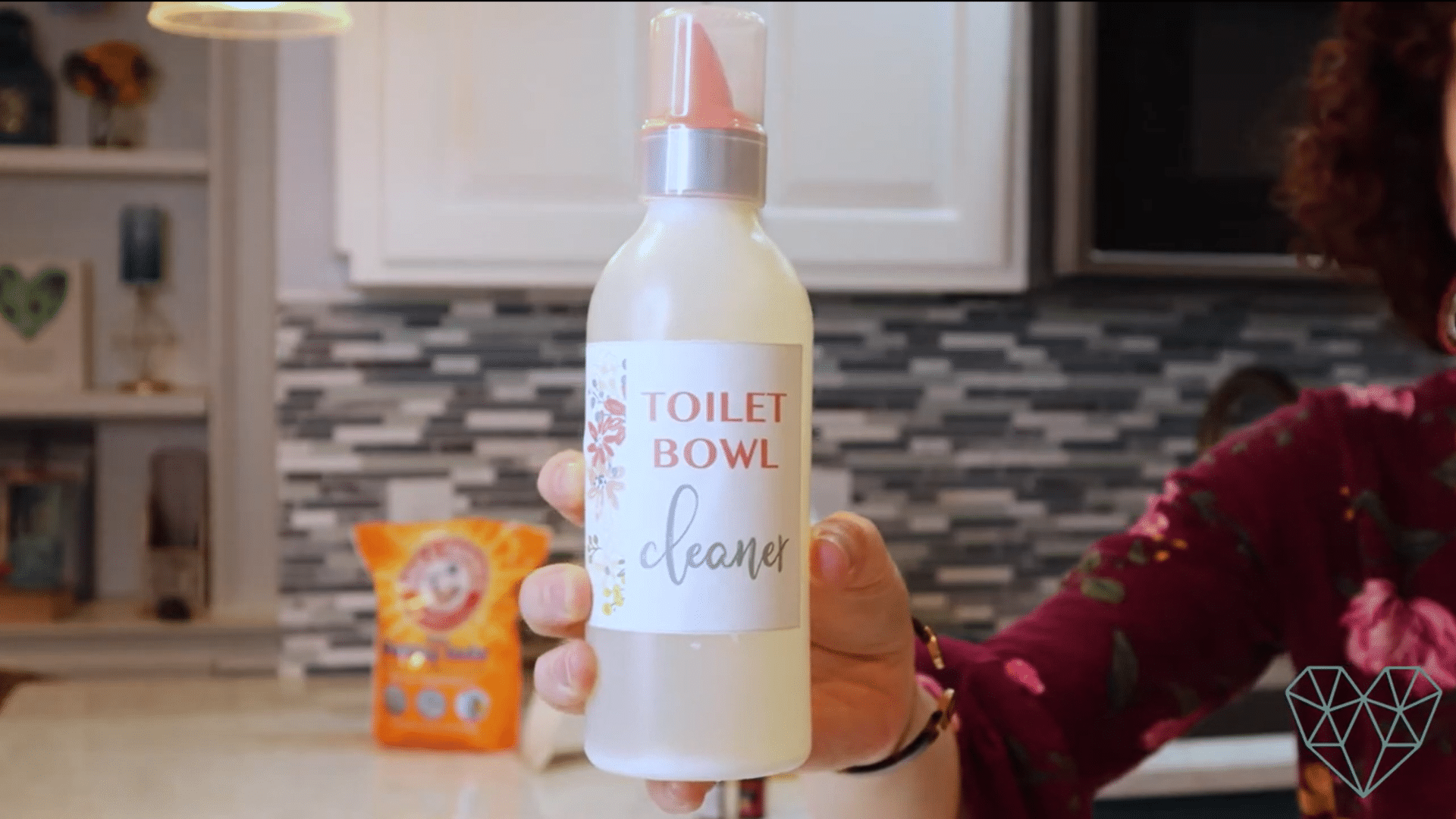 Secure the cap, then gently shake the bottle until all the ingredients are evenly mixed.
Squeeze the cleaner around the inside of the toilet bowl, making sure it reaches under the rim and around the waterline.
Scrub thoroughly with a toilet brush, then flush to rinse away loosened residue.
Store the bottle in a cool, dry place, and give it a light shake before each use if the ingredients have settled.
This tutorial is based on a helpful video by Sara McFall from My Merry Messy Life. You can check out the original video on their YouTube channel here or watch it below.
DIY Toilet Cleaner vs Store-Bought Cleaners
Both homemade and commercial cleaners have their place. Comparing them side by side can help you choose the right option for your cleaning needs.
| Feature | DIY Toilet Cleaner | Store-Bought Toilet Cleaner |
|---|---|---|
| Main purpose | Routine cleaning and light stains | Cleaning, with some products also disinfecting |
| Common ingredients | Baking soda, vinegar, citric acid, dish soap | Ready-made cleaning ingredients that vary by brand |
| Cost | Usually lower if ingredients are already available | Varies depending on the product |
| Preparation | Must be mixed before use | Ready to use from the bottle |
| Hard water stains | Some recipes help remove mineral deposits | Many products are designed for tougher stains |
| Disinfecting | Most homemade recipes do not disinfect | Some products are EPA-registered disinfectants when used as directed |
| Best for | Regular maintenance and freshening | Deep cleaning, disinfecting, and stubborn stains |
Benefits of Using a DIY Toilet Cleaner
A homemade toilet cleaner can be a good option for regular maintenance when used correctly. These benefits apply to routine cleaning and should not be confused with disinfecting.
- Uses Common Household Items: Most recipes rely on ingredients like baking soda, vinegar, or dish soap that are easy to find.
- Budget-Friendly: Homemade cleaners often cost less than buying specialty toilet bowl cleaners for everyday use.
- Reduces Plastic Waste: Reusing the same container for homemade mixtures may reduce the number of disposable cleaning bottles.
- Works Well for Routine Cleaning: Regular use can help remove light stains, mineral deposits, and unpleasant odors before they become harder to clean.
- Easy to Prepare: Most recipes take only a few minutes to mix and require little preparation before use.
- Let’s You Choose the Ingredients: You can avoid fragrances or ingredients you do not want in your cleaning routine.
- Suitable for Regular Maintenance: Frequent cleaning with mild homemade recipes can help keep the toilet bowl cleaner between deeper cleanings.
Do’s and Don’ts of Using DIY Toilet Cleaners
A few basic habits can make DIY toilet cleaners safer and easier to use. Use this table as a quick checklist before mixing or applying any homemade cleaner.
| Do | Don’t |
|---|---|
| Use one recipe at a time rather than combining homemade cleaners. | Do not mix bleach with vinegar, citric acid, or ammonia. |
| Let the cleaner sit so stains and mineral deposits loosen before scrubbing. | Do not expect homemade cleaners to disinfect the toilet bowl. |
| Scrub under the rim and around the waterline with a toilet brush. | Do not use extra product, as more cleaner may not improve results. |
| Keep the bathroom ventilated by opening a window or using the exhaust fan. | Do not store homemade mixtures without clear labels. |
| Read product labels for ingredients such as borax or citric acid before use. | Do not mix chemicals on stubborn stains. Repeat one recipe or use a suitable commercial cleaner. |
When to Use a Store-Bought Disinfectant Instead?
Homemade toilet cleaners are a good choice for routine cleaning, light stains, and odor control. There are times, though, when a store-bought disinfectant is the safer option.
- After Someone Has Been Sick: Disinfect the toilet if it has been used by a person with a contagious illness, especially after vomiting or diarrhea.
- When Cleaning Bodily Fluids: Blood, vomit, or other body fluids require proper disinfection, not just routine cleaning.
- To Reduce Germs on High-Touch Surfaces: Toilet seats, flush handles, and nearby surfaces may need an EPA-registered disinfectant for effective germ control.
- Public Health Guidance Recommendation: Follow cleaning instructions from healthcare providers or public health agencies during outbreaks or when caring for someone who is ill.
- If the Product Label Calls for Disinfecting: Read and follow the manufacturer’s directions, including the recommended contact time for the disinfectant to work.
Myths vs Facts About DIY Toilet Cleaners
Some homemade cleaning advice sounds helpful but can be unsafe or misleading. This section clears up common points before you try a DIY toilet cleaner.
| Myth | Fact |
|---|---|
| Vinegar and bleach clean better together. | Never mix them. This can release dangerous chlorine gas. Poison Control |
| DIY toilet cleaners disinfect the bowl. | Most homemade recipes clean stains and odors but are not EPA-registered disinfectants. |
| More ingredients mean better cleaning. | Using too many products can reduce results or create safety risks. |
| Baking soda removes every stain. | Baking soda helps with light stains, but hard water buildup may need citric acid. |
| Homemade cleaners can replace all commercial cleaners. | They work for routine cleaning, but disinfecting needs the right labeled product. |
Safety Precautions for Mixing and Storing DIY Cleaners
Homemade toilet cleaners are simple to prepare, but using and storing them safely is just as important as choosing the right recipe.
- Never Mix Bleach with Other Cleaners: Do not combine bleach with vinegar, citric acid, ammonia, or hydrogen peroxide. These mixtures can release dangerous gases or create harmful chemical reactions.
- Label Every Container: Clearly label homemade cleaners, so they are not mistaken for other household products.
- Store in A Cool, Dry Place: Keep cleaners away from direct sunlight and heat, which may affect some ingredients over time.
- Keep out of Reach of Children and Pets: Store all cleaning products in a secure cabinet or another safe location.
- Mix only What You Need: Prepare small batches instead of storing large amounts for long periods to help maintain freshness and reduce waste.
- Read Ingredient Labels: Follow the manufacturer’s directions for products such as borax, citric acid, or hydrogen peroxide before using them in a homemade cleaner.
Conclusion
A DIY toilet bowl cleaner is an affordable option for routine cleaning with the right ingredients and safety steps.
Baking soda, vinegar, citric acid, dish soap, borax, and hydrogen peroxide each serve different cleaning purposes, making the right recipe more effective.
Keep in mind that homemade cleaners are meant for removing stains, mineral buildup, and odors.
If you need to disinfect the toilet, use an EPA-registered disinfectant according to the product label.
With the recipes and tips in this guide, you can confidently choose a homemade cleaner that fits your cleaning routine.
Try the recipe that best matches your needs and clean safely.
Frequently Asked Questions
How Long Should a DIY Toilet Bowl Cleaner Sit?
Most homemade cleaners should sit for 10 to 15 minutes before scrubbing. Citric acid or borax recipes may take up to 30 minutes to address stubborn mineral buildup.
Can Homemade Toilet Cleaners Remove Hard Water Stains?
Yes, some recipes can help loosen hard water stains. Citric acid and white vinegar are commonly used for mineral deposits, though older stains may require repeated cleaning.
Is a DIY Toilet Bowl Cleaner Safe for Septic Systems?
Most recipes made with baking soda, vinegar, or mild soap are generally considered septic-friendly when used in normal household amounts. Always follow the ingredient or product label.
Is It Possible to Mix Vinegar with Bleach to Clean a Toilet?
No. Never mix vinegar with bleach because the reaction can release dangerous chlorine gas. Use each product separately and follow the manufacturer’s safety instructions.