


Most people wash their sheets often enough. The problem is the steps that get skipped, and I’ve noticed it’s always the same ones. Those skips are what leave sheets dingy, stiff, or thin before they should be.
Knowing how to wash bed sheets well means more than loading the machine. It means reading the care label, treating stains before they set, loading the drum right, and drying at the correct heat. Each step protects a different part of the fabric.
Sheets need washing every one to two weeks under normal conditions. This guide walks through how to wash bed sheets step by step so you get clean sheets and keep them in good shape much longer.r.
Prepare Bed Sheets Before Washing
Getting your sheets ready before they go in the machine is what makes the actual wash work. Skip prep, and you’ll get uneven results, color bleed, or fabric that wears out faster than it should.
| Fabric Type | Temperature Limit | Key Note |
|---|---|---|
| Cotton | Warm to hot | Can handle heat but still has shrinkage risk if overdone |
| Linen | Cool to warm | Higher heat can damage and stiffen fibers |
| Polyester blends | Cool to warm | High heat weakens fabric over time |
| Silk | Cold only | Very delicate, sits at the lowest heat limit |
1. Check for Stains
Before anything touches water, check for stains. If you’re dealing with a protein stain, sweat marks, or blood, reach for an enzyme cleaner first.
It breaks down the proteins in the stain before the wash begins. Detergent alone won’t do that job at normal wash temperatures. For everything else, a small dab of liquid detergent worked gently into the fabric is enough.
2. Sort By Color and Fabric Type
Sort by color and fabric before loading. Darks bleed onto lights. Silk and bamboo need cold water and a gentle cycle. Throw them in with cotton, and the cotton gets the right treatment while the delicates get wrecked.
3. Load Sheets without Tangles or Overcrowding
Loading is where I see the most mistakes. Fitted sheets are the worst offenders. The elastic edges grab onto themselves as the drum spins, trapping whole pockets of fabric that never touch water.
Load them loosely, don’t roll them into a ball, and wash sheets on their own or with lightweight items like pillowcases.
If you have a top-load machine with an agitator, keep sheets from wrapping around it. Front-loaders are gentler, but they still need space to move.
What Cycle, Temperature, and Detergent Should You Use?
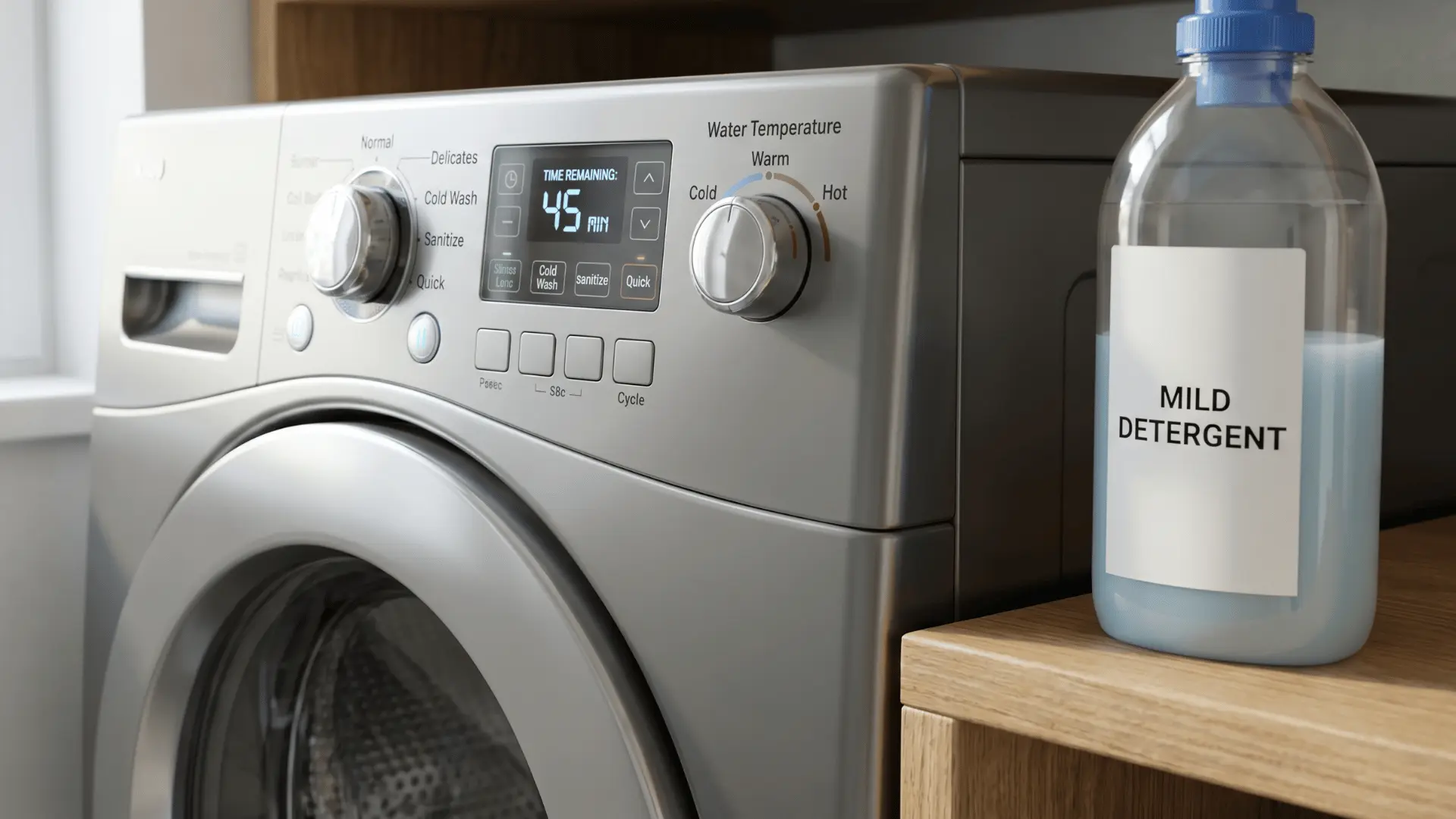
Mistakes come from guessing settings instead of matching them to the fabric.
The right settings depend entirely on what your sheets are made of, and using the wrong ones is the fastest way to shrink or fade fabric you paid good money for.
Matching Temperature to Fabric
Temperature is the most important setting, and it’s the one that does the most damage when washing sheets if done wrong.
Here’s how each fabric type lines up:
Cotton handles warm and hot water well. Heat actually helps it break down sweat proteins and kills dust mites and bacteria. For white cotton sheets or anything washed after an illness, hot water is the right call.
Polyester blends need warm water, not hot. Polyester fibers soften and warp under high heat, and that damage adds up fast over repeated washes.
For silk, bamboo, and brightly colored sheets, cold water is not a preference it’s the only safe option. These fabrics have long, fragile fibers that break down in warm or hot water. Once damaged, they don’t recover.
Choosing the Right Cycle
For most cotton and polyester sheets, a Normal or Bedding cycle gets the job done. But there’s a real difference between them worth knowing.
The Bedding cycle uses more water and a longer soak. That matters because sheets fold over themselves in the drum, and more water means the fabric actually gets submerged.
A Normal cycle uses less water and less time. It’s built for clothes, not bulky items. If your sheets aren’t fully soaking, they’re not fully cleaning.
For silk or linen, use a Delicate cycle to keep agitation low and avoid tearing.
Detergent: What to Use and What to Skip
Use a mild liquid detergent. Liquid dissolves evenly at all temperatures, including cold temperatures. Powder can leave residue when it doesn’t fully dissolve.
Skip fabric softener. I know it feels like the right move for soft sheets, but it works against you. Softener leaves a waxy film on fibers that blocks moisture.
For sheets, that means sweat and oil collect faster, which is exactly the opposite of what you’re going for.
How to Dry Bed Sheets without Damaging Them
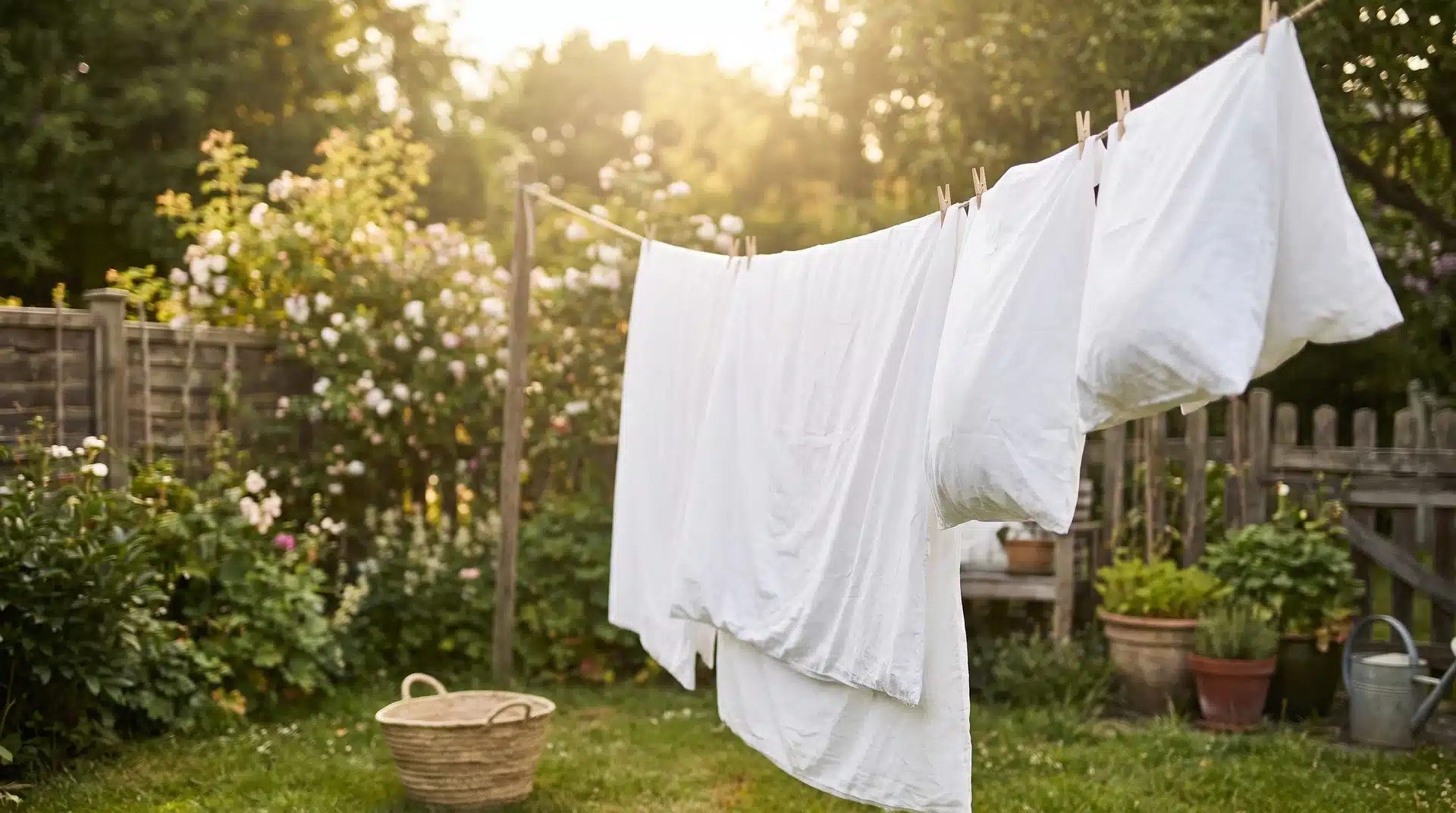
Drying is where I see the most permanent damage happen. The wash goes fine, then the dryer undoes it.
Heat level and timing are the two things that matter most.
If you’re tumble drying, keep the heat on low to medium. High heat dries fast, but every hot cycle stresses the fibers a little more.
I’ve watched sheets come out of a hot dryer looking noticeably rougher after just a few months of regular use. Pull them out while still slightly damp.
When cotton fiber loses too much moisture, it turns brittle and starts to pill. Getting them out early stops that, and they’re much easier to fold without deep creases.
Why Wool Dryer Balls Help with Drying
Toss in a few wool dryer balls. They push through the fabric as the drum spins, separating the layers so air gets in and drying time drops.
This is why they work where dryer sheets don’t. Dryer sheets coat the surface of the fabric. Wool dryer balls move the fabric itself.
What to Do Right After Drying
Take sheets out the moment the cycle ends. Warm, damp fabric sitting in a sealed drum is a perfect setup for mildew, even after a couple of hours. Fold or hang them straight away.
Air drying on a rack or clothesline is the gentlest method and does the least damage over time. Sunlight brightens white sheets naturally.
For anything with deep or bright color, keep it out of direct sun for too long it fades faster than washing ever will.
Conclusion
The way to wash bed sheets well is to treat them as one connected process. The care label sets your temperature limit. Pre-treatment handles what the wash can’t fix once it’s set.
Loading correctly means water actually reaches all the fabric. Low heat in the dryer protects what everything before it worked to clean.
Cut one step and something else pays for it: stains that set, colors that fade early, fabric that goes thin before it should.
Done right and done consistently, washing your sheets keeps them cleaner between washes, softer across more cycles, and lasting years longer than sheets that get treated carelessly. A few extra minutes each wash. The payoff over time is real.
Frequently Asked Questions
How often should you wash bed sheets?
Every one to two weeks is right for most people. If you sweat a lot, have a dust mite allergy, sleep with pets, or have been sick, aim for once a week. Sweat, dead skin, and body oil build up faster than sheets show it; they can look clean while already needing a wash.
Can I wash my bed sheets in my washing machine?
Yes, it’s the best method for most fabric types. Check the care label first. Cotton, polyester blends, and linen all handle a machine wash well. Delicate fabrics like silk may need hand washing or a gentle cycle. Load loosely, leave heavy items out, and match temperature to fabric type.
What temperature should I wash bed sheets at?
It comes down to fabric. Hot water works for white cotton and kills dust mites and bacteria. Warm water is right for most everyday cotton and polyester blends. Cold is the only safe choice for silk, bamboo, and bright colors where heat causes shrinkage or fading. Follow the care label it sets the limit.
Why does my wife’s side of the bed turn yellow?
That’s sweat and skin oil bonding to cotton fibers and oxidizing over time. It shows up most on lighter fabrics. Pre-treat those areas with an enzyme cleaner before washing it breaks down the proteins behind the staining. A hot wash helps too, as long as the care label allows it.