

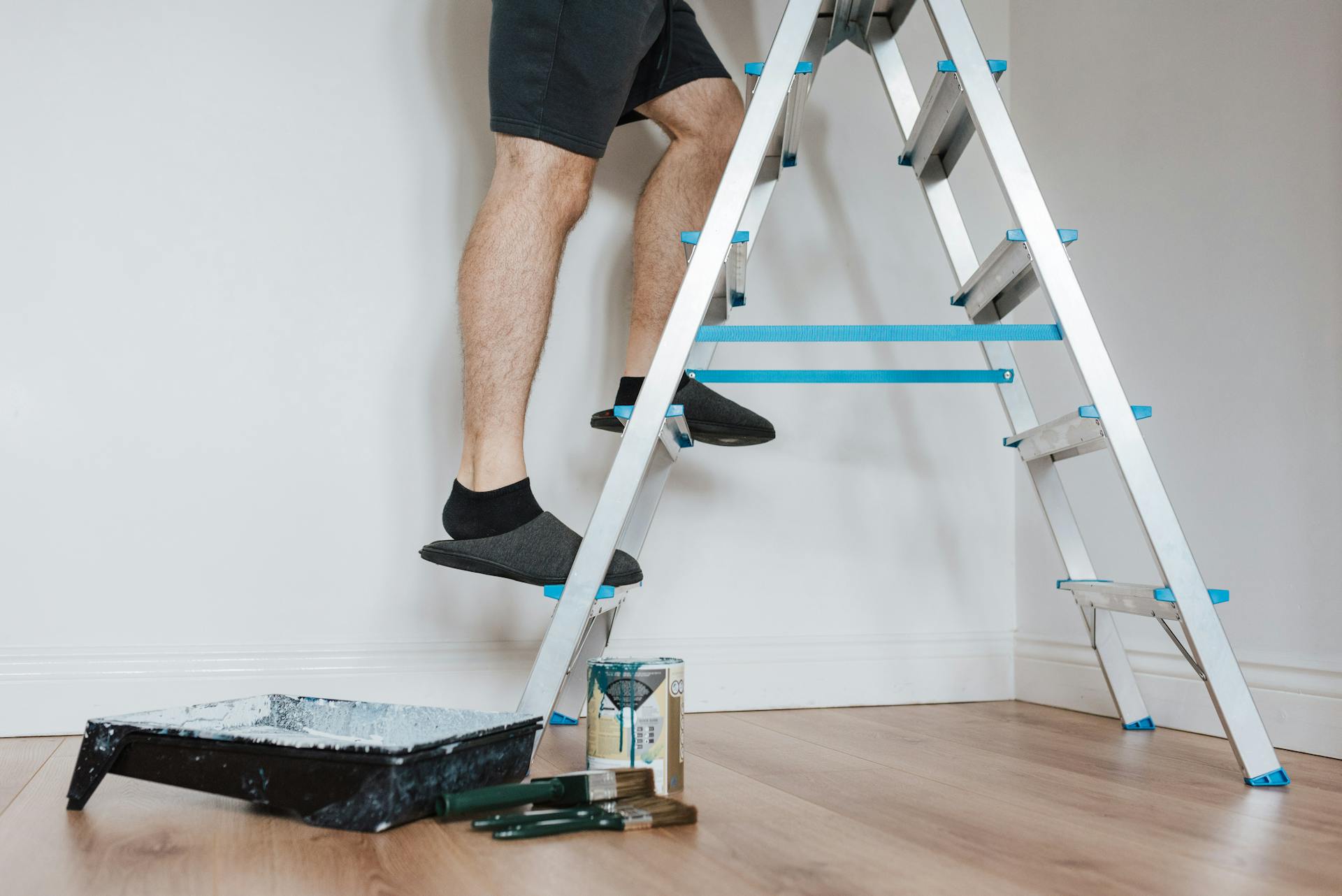
DIY home improvement projects have become increasingly popular among homeowners who want to enhance their living spaces without committing to full-scale renovations. Small, well-planned upgrades can dramatically improve both the appearance and functionality of a home.
However, the most successful DIY projects are those that are supported by smart planning and a basic understanding of how homes interact with the land beneath them.
This is where insights commonly used by a civil engineering company in Dallas (Texas) can help homeowners think beyond surface-level improvements. While DIY projects are hands-on by nature, applying civil engineering principles ensures that upgrades are not only attractive but also durable and safe.
Why high-impact DIY projects start with smart planning
Many DIY projects fail not because of poor craftsmanship, but because underlying conditions were ignored. Issues like drainage, soil stability, and access often determine whether an improvement will last or quickly deteriorate.
Before starting any major DIY upgrade, homeowners should consider:
-
How water flows across the property
-
Whether the ground is level and stable
-
How changes may affect access or drainage
-
If the improvement aligns with local codes and standards
Professional engineering firms such as Pape-Dawson emphasize that even small-scale projects benefit from understanding the bigger picture. Their large-scale infrastructure and land development projects demonstrate how proper planning creates long-lasting results.
DIY outdoor projects that transform curb appeal
Outdoor improvements are among the most impactful DIY projects when done correctly. These upgrades not only enhance visual appeal but also improve usability and property value.
Popular high-impact outdoor DIY projects include:
-
Regrading small sections of the yard to improve drainage
-
Installing walkways or garden paths with a proper slope
-
Building retaining features to control erosion
-
Creating outdoor living areas like patios or seating spaces
Using basic grading techniques inspired by civil engineering helps prevent water pooling and surface damage.
Driveway and access upgrades that improve function
Driveways and access paths are often overlooked in DIY planning, yet they play a critical role in daily convenience and safety. Improving these areas can make a noticeable difference with relatively simple upgrades.
High-impact, access-focused DIY ideas include:
-
Resurfacing driveways with proper drainage slope
-
Adding edging to prevent material breakdown
-
Improving lighting along access routes
-
Creating safer transitions between the driveway and the walkway
Civil engineering projects routinely prioritize access and flow, whether for residential streets or major transportation networks. Applying the same mindset at a smaller scale helps DIY projects deliver professional-level results.
Drainage improvements that protect your home
One of the most valuable DIY improvements homeowners can make involves managing water more effectively. Poor drainage is one of the leading causes of foundation damage and landscape deterioration.
DIY drainage-focused projects may include:
-
Installing surface drains or swales
-
Redirecting downspouts away from foundations
-
Improving soil composition to enhance absorption
-
Creating gravel pathways for runoff control
DIY upgrades that support long-term home value
Not all DIY projects provide equal returns. The most impactful improvements are those that enhance functionality, reduce maintenance needs, and protect the structure over time.
Examples of value-focused DIY projects include:
-
Reinforcing slopes and landscaping for erosion control
-
Improving grading near foundations
-
Upgrading access areas for durability and safety
-
Enhancing outdoor spaces with proper site preparation
These types of projects align closely with the work performed by professional civil engineers, just on a smaller and more personal level.
Learning from large-scale engineering success
One reason companies like Pape-Dawson are so respected is their ability to manage complex projects that require precision, foresight, and coordination. Their work spans major land development, infrastructure, and environmental projects that shape entire communities.
Homeowners can apply lessons from these large-scale successes by:
-
Planning before building
-
Respecting natural land conditions
-
Prioritizing safety and longevity
-
Thinking about how improvements interact with the surrounding environment
Even the most creative DIY projects benefit from this disciplined approach.
Balancing creativity with engineering awareness
DIY home improvement is about creativity, personalization, and hands-on satisfaction. However, creativity delivers the biggest impact when it is supported by smart technical decisions.
By borrowing principles used by civil engineering professionals, homeowners can elevate simple projects into meaningful upgrades. This balance between design and engineering is what transforms ordinary DIY efforts into improvements that truly last.
Making a big impact with the right mindset
DIY home improvement does not have to mean small thinking. With the right planning, even modest projects can dramatically improve how a home looks, feels, and functions.
When homeowners approach DIY projects with the same respect for land, access, and infrastructure that professional engineers bring to large developments, the results speak for themselves. Whether inspired by industry leaders like Pape-Dawson or guided by local expertise, thoughtful DIY improvements can make a lasting and meaningful impact on any home.