

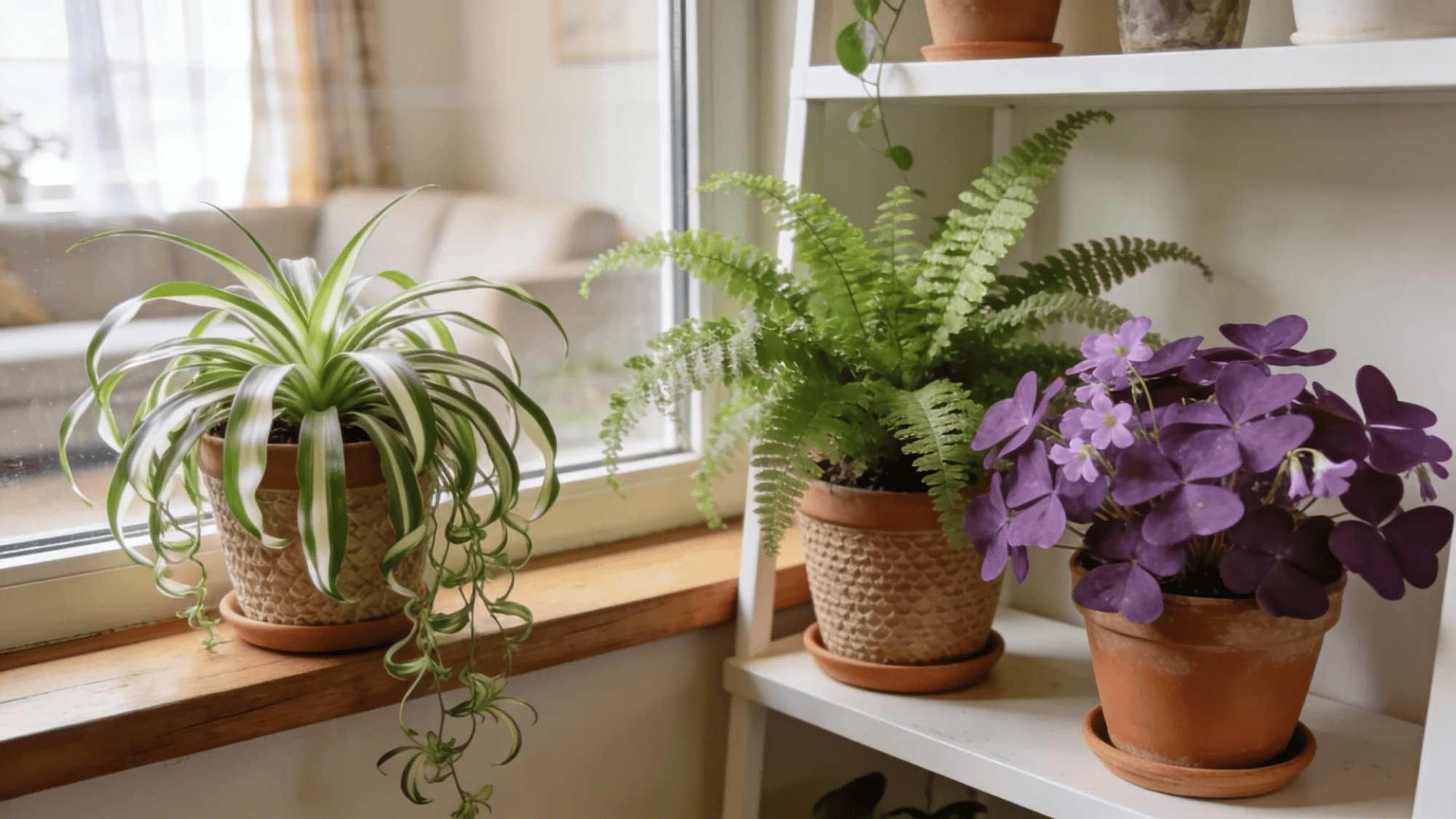
Plants can make your home feel fresh and lively, but if you have pets, you need to choose them with care. Many common plants can be unsafe for curious cats that like to nibble on leaves.
I learned that the hard way after bringing home a plant that turned out to be toxic to cats.
From that point on, I started paying close attention to what I was bringing inside.
In this guide, I put together a list of some of the best pet-safe indoor plants for cats and dogs. These are all non-toxic, easy to grow, and all verified against the ASPCA’s plant safety database.
You’ll also find simple tips to help you pick the right plant for your space and keep your pets safe at the same time.
By the end, you will have a clear list of safe plants you can bring home with confidence.
Why Pet Safety Matters in Indoor Plants?
Not every plant that looks good in your home is safe for your pet. Some of the most popular indoor plants can cause real harm if a curious cat or dog decides to take a bite.
- Toxic Plants to Watch Out For: Common plants like pothos, snake plants, and lilies can cause serious health issues for pets and should be avoided completely.
- Symptoms to Look For: If your pet chews on a toxic plant, watch for vomiting, drooling, lethargy, or loss of appetite, and contact a vet right away.
- Safe Still Means Supervised: Even non-toxic plants can cause mild stomach upset if eaten in large amounts, so keep an eye on your pets around any plant.
- Cats Are Curious Chewers: Cats in particular tend to chew on leaves out of habit, which makes plant selection even more important in a cat-friendly home.
- Dogs Can Knock Plants Over: Beyond chewing, they can knock over pots and swallow soil or drainage materials, which can also cause problems.
- Always Double Check: Before buying any plant, verify it is listed as non-toxic on a reliable source, such as the ASPCA database, to be completely sure.
Best Pet Safe Indoor Plants for Your Home
Finding plants that are safe for your pets and grow well in low light is easier than most people think. Here are the best options worth keeping in your home.
1. Spider Plant
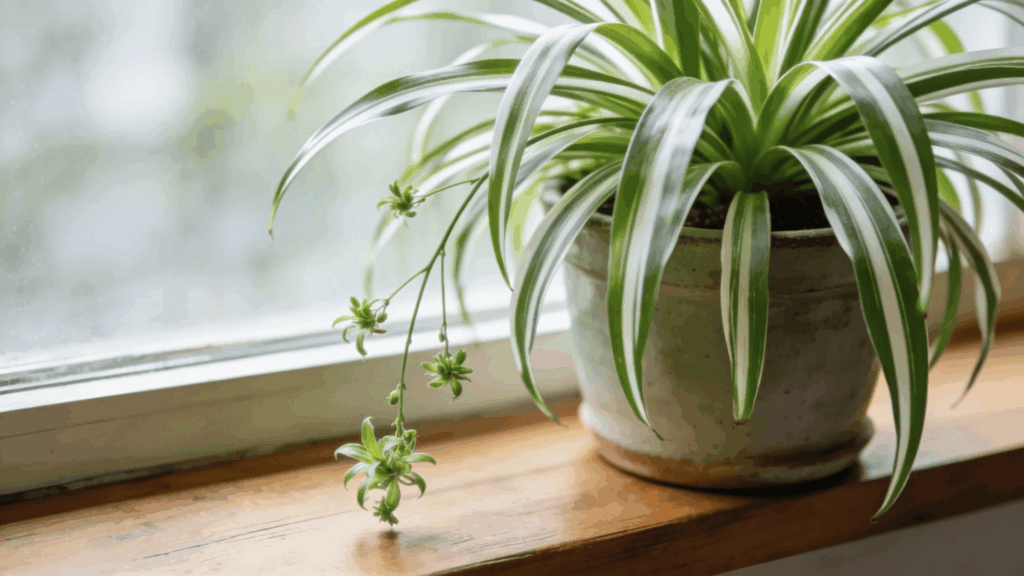
The spider plant is one of the easiest plants you can own. It grows in low to medium indirect light, making it a solid choice for rooms that receive little sun.
It only needs watering once or twice a week and bounces back quickly even if you forget.
It produces small offshoots that hang down from the mother plant, giving it a fun, layered look. New plant owners love it because it is almost impossible to kill.
- Care Level: Easy, low maintenance
- Best Benefit: Helps purify indoor air naturally
2. Areca Palm
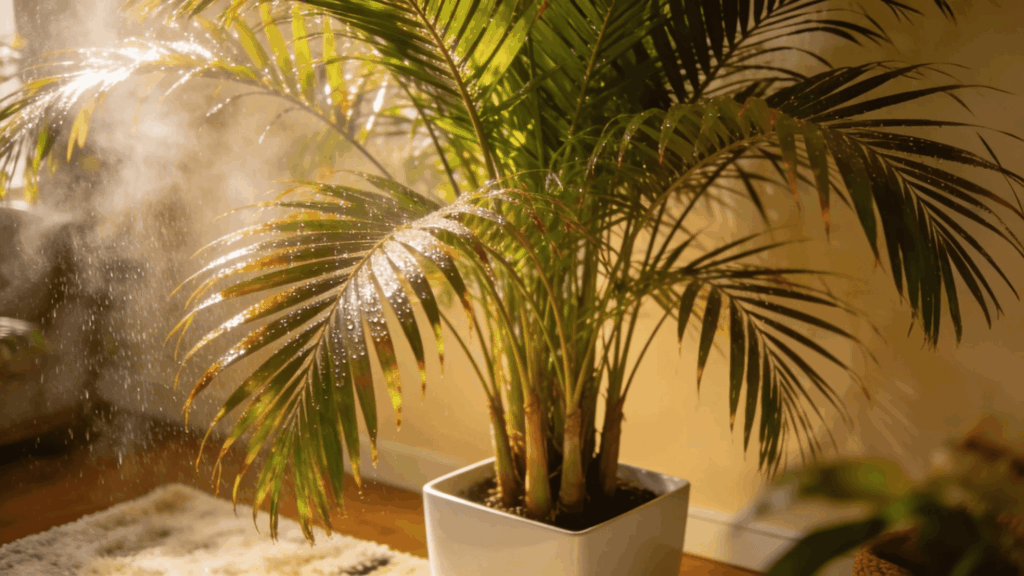
The areca palm brings a tropical feel to any room without putting your pets at risk. It does well in low to bright indirect light, giving you flexibility with placement around the home.
The long, feathery fronds add height and texture that most smaller plants cannot match.
It is also one of the better plants for adding moisture to dry indoor air, making it especially useful in heated rooms during winter. A great statement plant that is easy to care for.
- Care Level: Easy, minimal care needed
- Best Benefit: Adds moisture to dry indoor air
3. Calathea
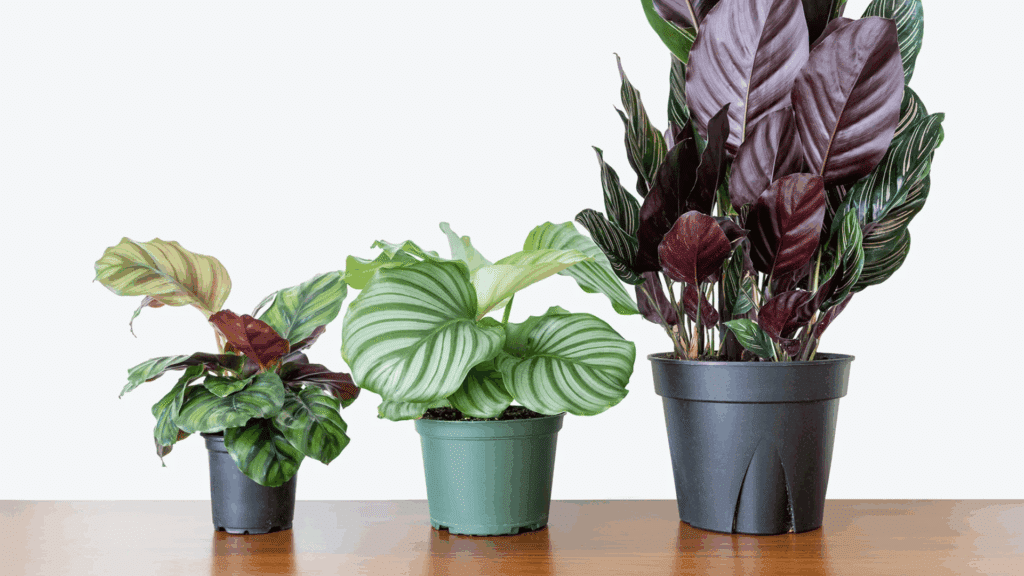
Calathea plants are known for their bold, patterned leaves that look almost hand-painted.
They prefer low to medium indirect light, making them a great fit for rooms that rely mostly on ambient light.
They are native to tropical forest floors, so they naturally tolerate shaded conditions. Watering should be consistent but never excessive, as soggy soil causes the most problems.
They are completely safe around both cats and dogs, which makes the extra attention worth it.
- Care Level: Moderate, needs consistent moisture
- Best Benefit: Bold leaf patterns add instant visual interest
4. Parlor Palm
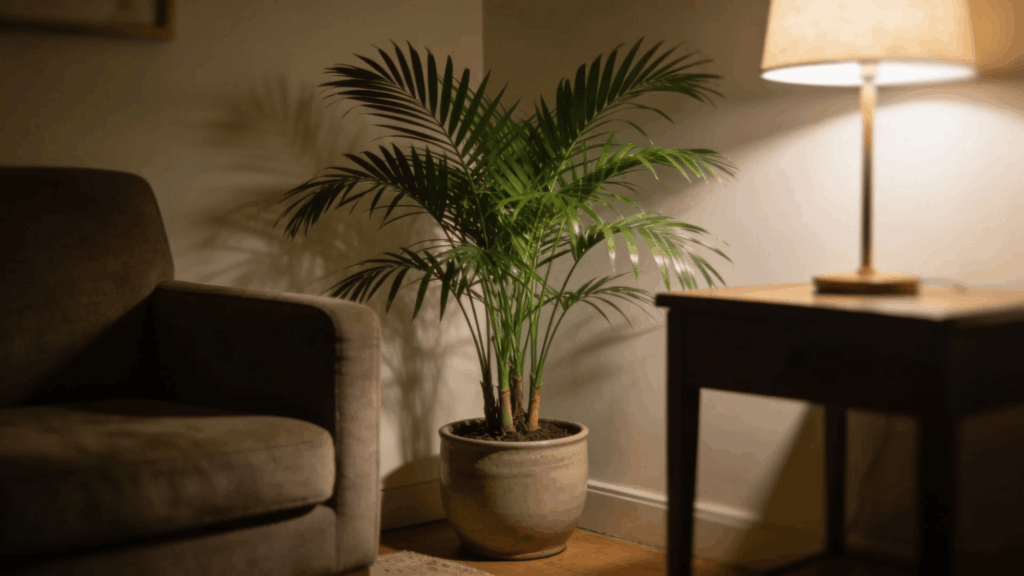
The parlor palm is a classic indoor plant that has been popular for decades and for good reason.
It handles low light better than almost any other palm variety, making it reliable for the darker corners of your home.
It is slow-growing, so it stays manageable with minimal pruning or repotting. It grows best in indirect light and does not need direct sun to stay healthy.
For pet owners who want a low-effort plant that looks polished, this is hard to beat.
- Care Level: Easy, very low maintenance
- Best Benefit: Stays compact and manageable long term
5. Boston Fern
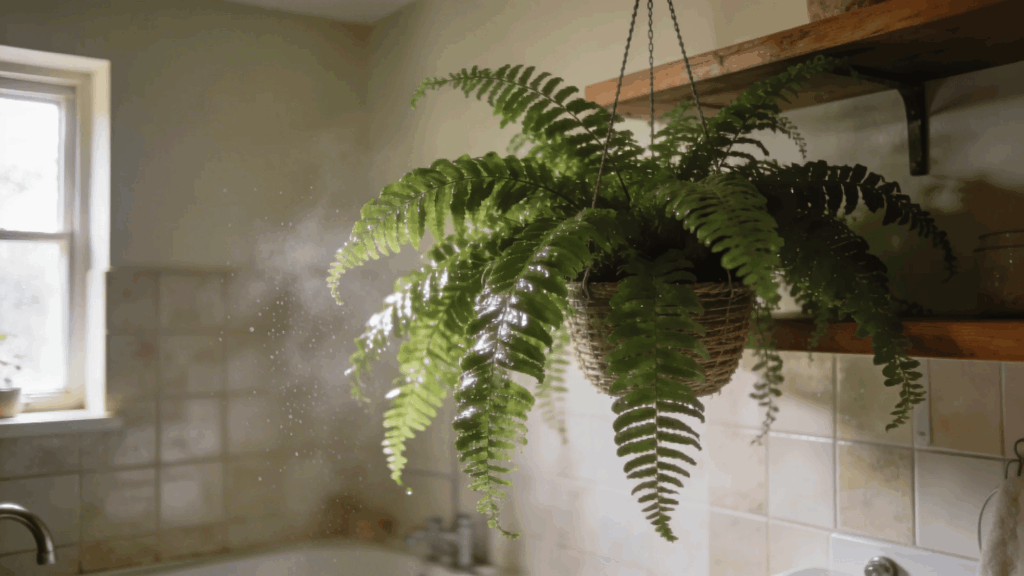
Boston ferns are full, lush plants that bring a natural feel to any indoor space. They grow in low to medium indirect light and do well in humid environments, such as bathrooms and kitchens.
The thick, arching fronds look great in hanging baskets or on high shelves where they have room to spread.
They need regular misting to stay healthy, especially in rooms with dry air. If you want a plant that quickly fills out a space, this is one of the best options.
- Care Level: Moderate, needs regular misting
- Best Benefit: Adds fullness and volume to any room
6. Prayer Plant
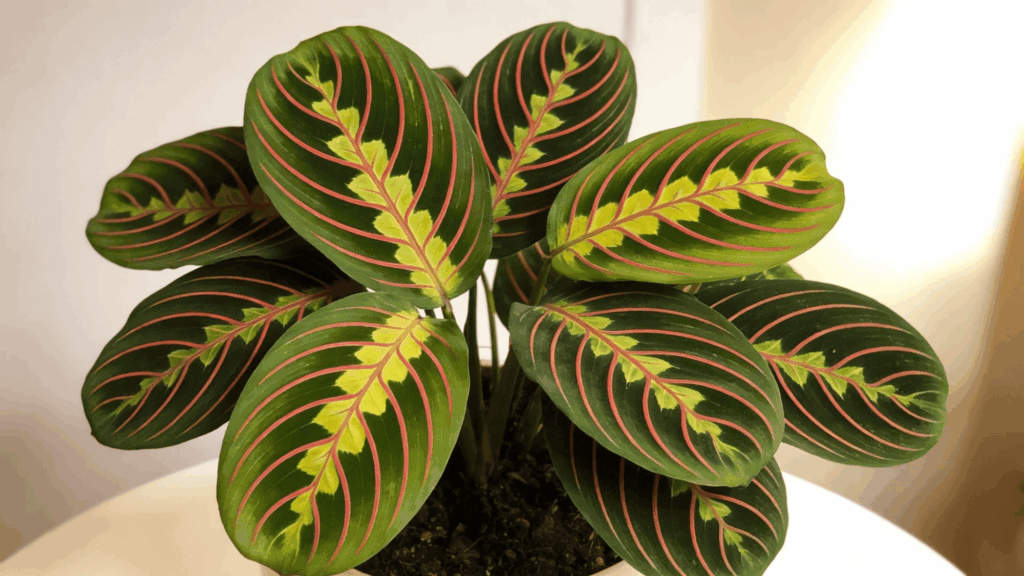
The prayer plant gets its name from the way its leaves fold upward at night, like hands folded in prayer.
It grows well in low to medium indirect light, making it a practical choice for rooms with limited sun exposure.
The leaves are beautifully marked with bold patterns in green, red, and yellow, giving it a decorative appeal that few other low-light plants can match. It prefers moist soil and does well in humid conditions. It is a safe, eye-catching option for any pet-friendly home.
- Care Level: Moderate, needs regular watering
- Best Benefit: Unique leaf movement adds natural interest
7. Bamboo Palm
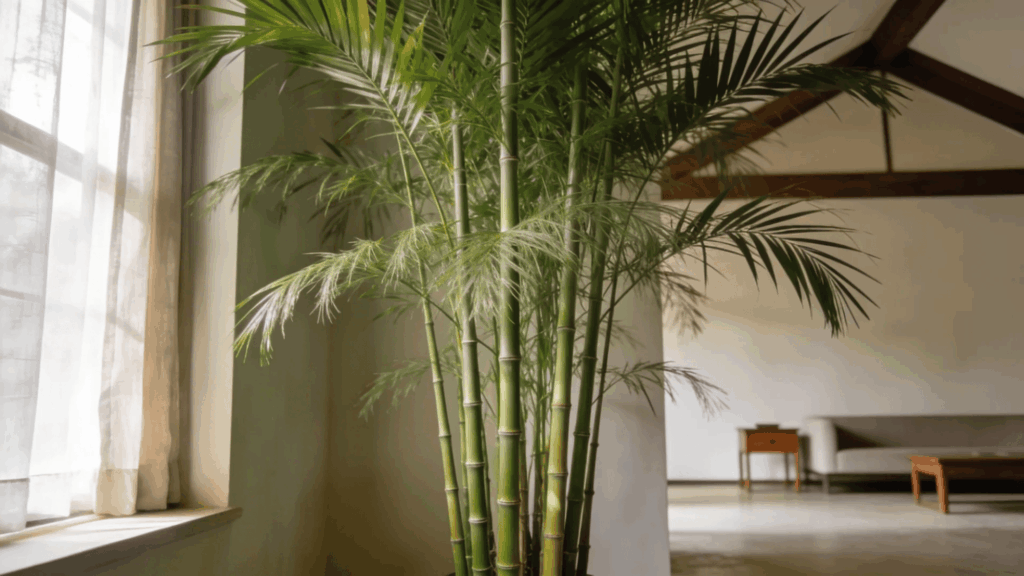
The bamboo palm is a tall plant that works well in corners and larger rooms where you want to fill vertical space.
It handles low to medium indirect light comfortably and requires little fuss beyond regular watering and occasional feeding.
The thin, clustered stems and soft fronds give it a light, airy look that works well in both modern and traditional interiors. It is also known for being one of the better air-filtering plants available.
Safe for cats and dogs, it is a reliable long-term addition to any home.
- Care Level: Easy, low maintenance
- Best Benefit: One of the better air-filtering indoor plants
8. Peperomia
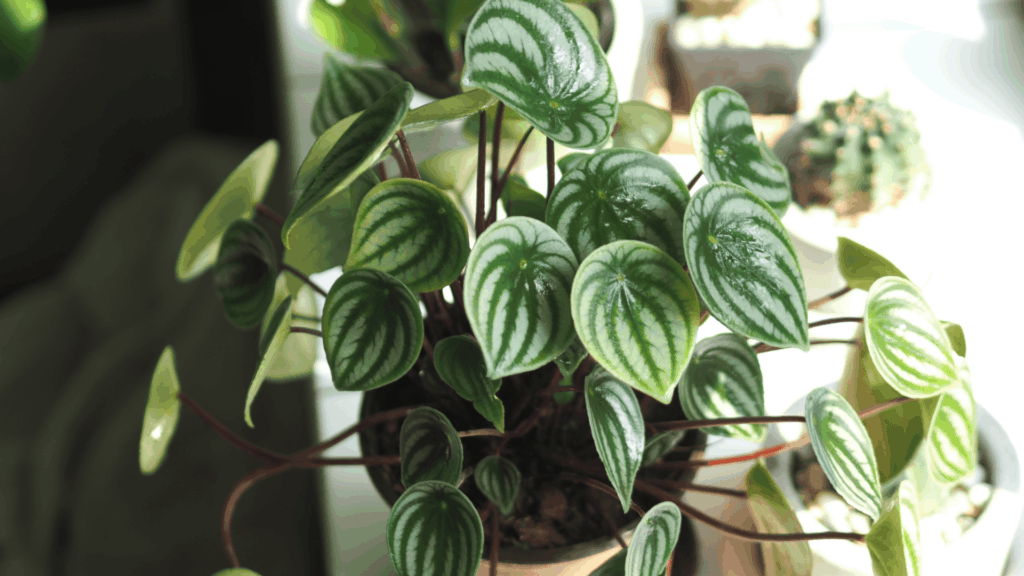
Peperomia is a compact, hardy plant with a wide range of leaf shapes, colors, and textures.
It does well in low to medium indirect light and is one of the most forgiving plants when it comes to watering, as it stores water in its thick leaves and can handle being forgotten for a week or two.
It stays small, making it perfect for desks, shelves, and windowsills in tight spaces.
It is pet-safe and requires very little care to stay looking good all year.
- Care Level: Easy, very low maintenance
- Best Benefit: Stores water in leaves, great for forgetful owners
9. African Violet
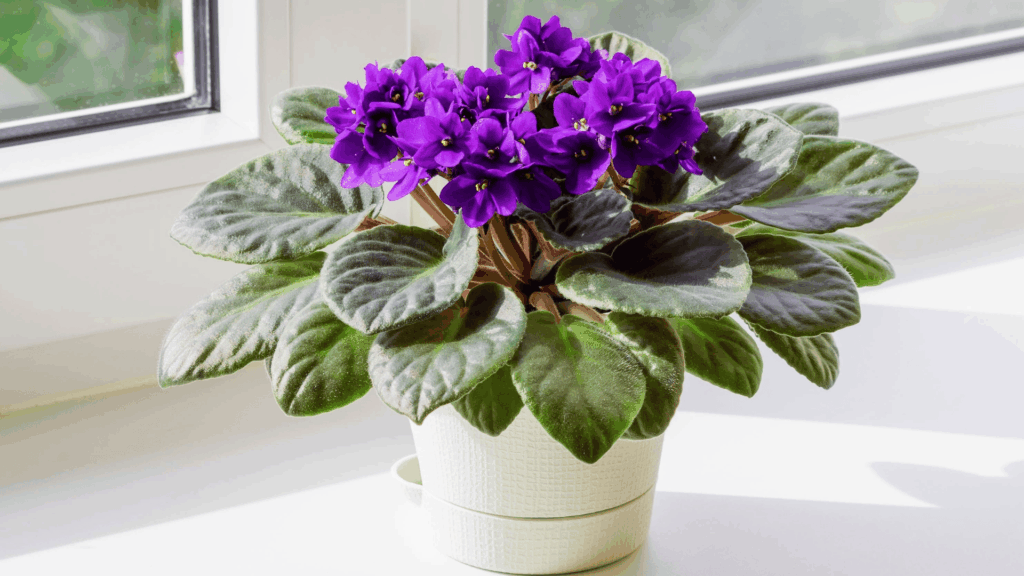
The African violet is a small plant that adds a pop of color indoors.
It grows well in low to medium indirect light and produces purple, pink, or white blooms throughout the year.
It prefers to be watered from the bottom rather than the top to avoid spotting on its soft leaves. It stays compact, making it ideal for desks, side tables, and small apartment spaces.
It is one of the few flowering plants that is completely safe around both cats and dogs.
- Care Level: Moderate, needs careful watering
- Best Benefit: One of the few pet-safe flowering indoor plants
10. Ponytail Palm
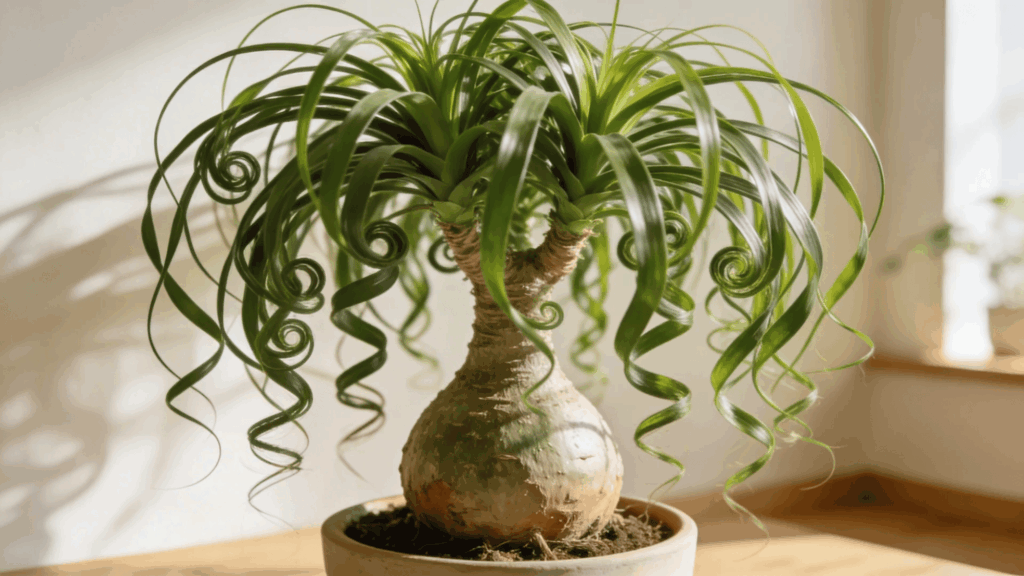
The ponytail palm is a fun and unusual plant that stores water in its thick, bulb-like base, making it one of the most drought-tolerant options on this list.
It grows in low to bright indirect light and needs very little watering, sometimes going weeks between drinks without any problems.
Its long, curly leaves give it a playful look that fits modern spaces.
It grows slowly and stays easy to manage over time, making it a great pick for pet owners who want something a bit different.
- Care Level: Easy, very drought-tolerant
- Best Benefit: Stores water in its base, ideal for busy owners
11. Cast Iron Plant
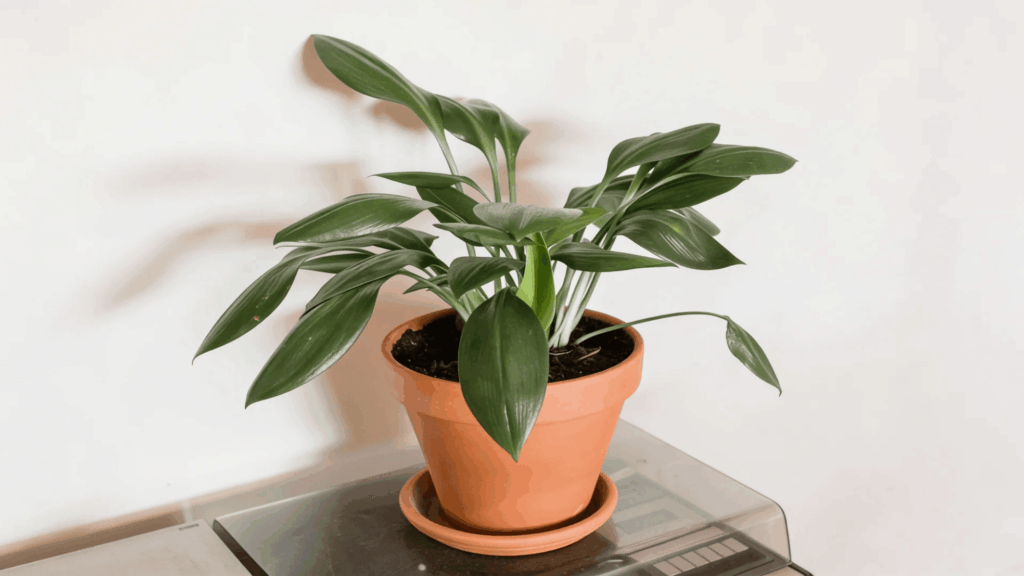
The cast-iron plant is one of the toughest indoor plants available and can handle low light, irregular watering, and temperature changes without much complaint.
The long, dark green leaves are bold and structural, giving it a clean, polished look that works well in almost any room.
It grows slowly but stays looking good with minimal effort over many years.
For pet owners who want a safe, nearly indestructible plant that asks for very little in return, the cast iron plant is one of the best choices available.
- Care Level: Easy, extremely low maintenance
- Best Benefit: Handles neglect better than almost any other indoor plant
Common Mistakes to Avoid with Pet Safe Indoor Plants
Even with the right plants, a few simple mistakes can cause problems for both your pets and your plants. Here is a quick look at the most common ones and how to avoid them.
| Mistake | Why It Happens | How to Fix It |
|---|---|---|
| Assuming all indoor plants are safe | Many popular plants look harmless but are actually toxic to pets | Always check the ASPCA list before buying any new plant |
| Overwatering low-light plants | Low light slows growth, which means the plant needs less water than you think | Water only when the top layer of soil feels dry to the touch |
| Ignoring pet behavior | Pets that chew or bat at plants can ingest leaves without you noticing | Watch your pet around new plants and move any they show interest in |
| Placing plants in completely dark corners | No plant survives without some light; even low-light varieties need indirect light | Move plants closer to a window or add a small grow light nearby |
Best Places to Keep Pet-Safe Plants Indoors
Choosing the right plant is only half the job. Where you place it matters just as much, especially when you have pets sharing the same space.
- Bedrooms with Filtered Light: Soft, filtered light from sheer curtains makes bedrooms a great spot for most low-light pet-safe plants.
- Bathrooms with Natural Humidity: The natural moisture in bathrooms suits humidity-loving plants like Boston ferns and calatheas perfectly.
- Living Rooms with Indirect Sunlight: Higher shelves and side tables near windows keep plants in good light and out of your pet’s reach.
- Avoid Floor-Level Placement: Floor-level plants are an open invitation for curious pets to chew, dig, or knock them over.
Conclusion
You do not have to choose between a green home and a safe one for your pets.
As this list shows, there are plenty of pet-safe indoor plants that do well in low light and are easy to care for, even if you are just starting out.
The key is to pick the right plants, place them smartly, and keep an eye on how your pets interact with them.
Start with two or three beginner-friendly options, such as the spider plant, parlor palm, or peperomia, and build from there.
Small steps add up quickly, and before you know it, you will have a home full of greenery that both you and your pets can enjoy safely.
Which plant from this list are you planning to bring home first? Drop a comment below and let us know.