

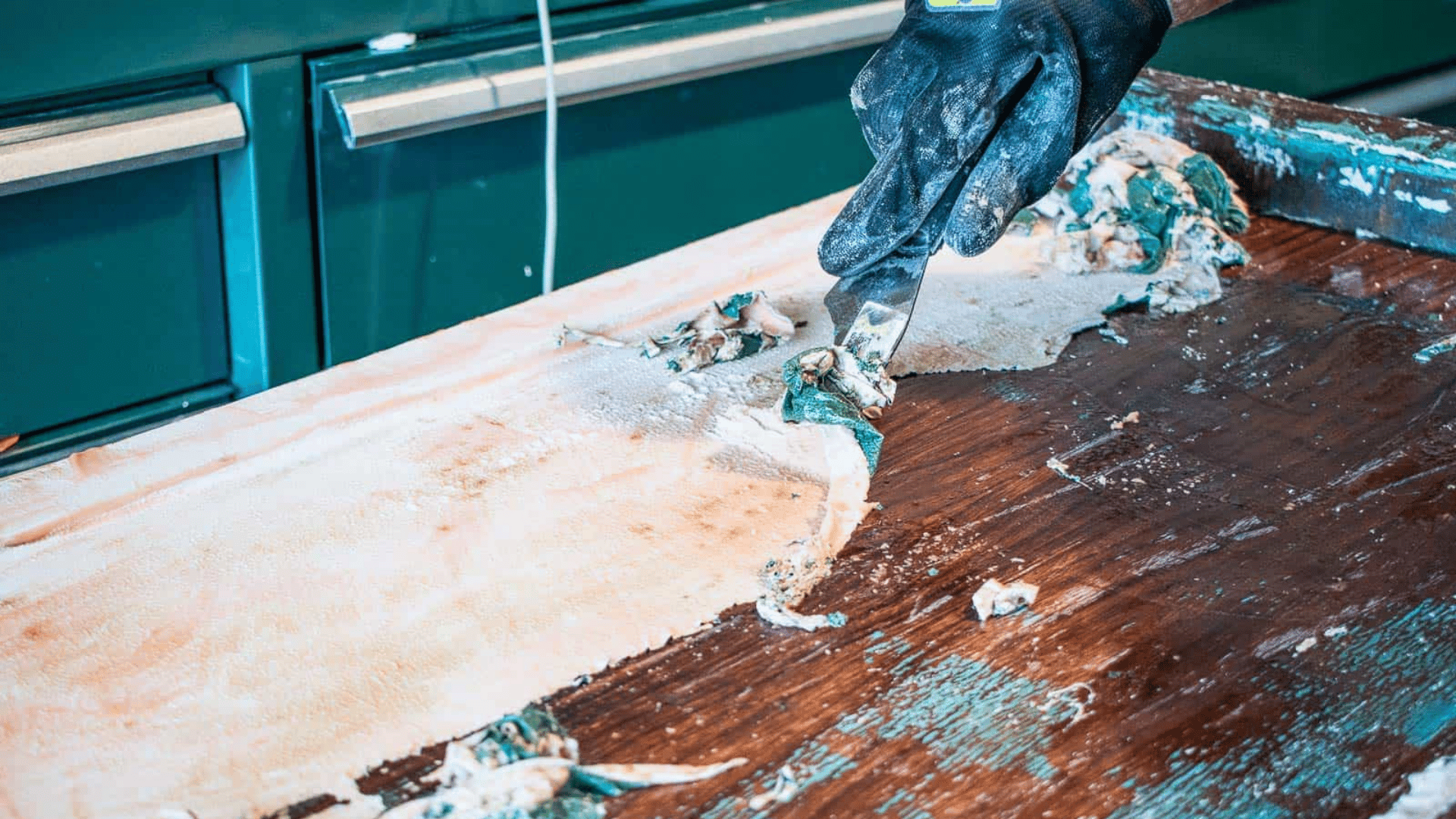
I’ve worked on old furniture many times, and removing old paint is usually the most time-consuming step. If you rush it, the wood can get damaged, and the finish will not look clean.
In this step-by-step guide, I share simple ways to strip paint from wood that have worked well for me and many others.
You will learn which tools to use, how to apply paint remover, and how to deal with thick or stubborn paint layers.
The steps are simple to follow, even if you are just starting with DIY projects. I also cover safety tips, common mistakes, and signs indicating when the wood is ready for repainting or staining.
By the end, you will feel more confident handling paint removal and getting a smooth, clean surface without wasting time or effort.
Different Methods for Stripping Paint from Wood
There is no single best method for stripping paint from wood. The right choice depends on how many layers you are dealing with, the type of paint, the wood species, and how much detail work is involved.
| Method | Best For | Effort Level | Key Risk |
|---|---|---|---|
| Chemical Stripper | Multiple thick layers | Low physical, high prep | Fumes, skin contact |
| Heat Gun | Oil-based or enamel paint | Moderate | Scorching wood, fire |
| Carbide Scraper | Spot removal, controlled areas | High physical effort | Gouging grain |
| Sanding | Light paint, flat surfaces | Moderate to high | Dust, lead exposure |
Tools and Materials Needed for Paint Removal
Before removing paint, it is important to have all the right tools ready. This helps keep the process smooth and avoids delays during the work.
- Paint Stripper: Helps soften old paint so it can be removed easily
- Scraper or Putty Knife: Used to gently lift and remove loosened paint
- Sandpaper (Medium and Fine Grit): Smooths the surface after paint removal
- Wire Brush: Reaches into corners and detailed areas
- Gloves and Safety Mask: Protect hands and prevent inhaling fumes or dust
- Clean Cloth or Rag: Wipes off residue and keeps the surface clean
- Heat Gun (optional):Useful for softening oil-based or enamel paints before scraping
- Lead Test Kit: Essential before sanding or scraping any paint in homes built before 1978
How to Strip Paint from Wood?
Removing paint from wood takes time, but the right method makes the job easier. Start with the safest option for your wood surface and work slowly to avoid causing damage.
Step 1: Use Chemical Paint Stripper for Thick Layers
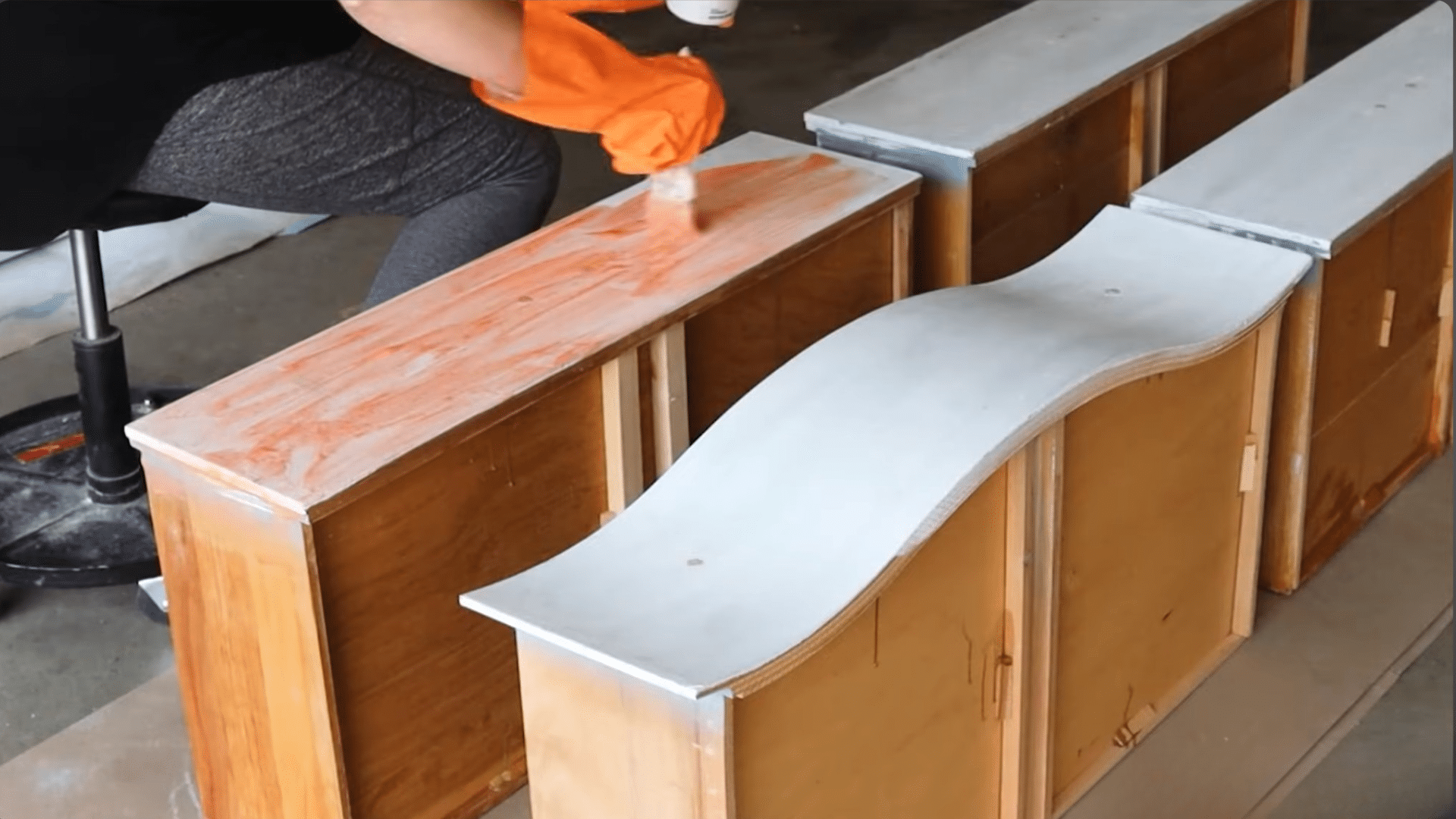
Apply a chemical paint stripper evenly over the wood surface and let it sit until the paint softens and starts to bubble. Once the paint loosens, scrape it off with a paint scraper.
This method works well for thick or old paint layers that are hard to remove by sanding alone.
Some products work faster but may have strong fumes, while others are safer and slower. Always read the label instructions before use.
Proper airflow is important during the process. Following the correct waiting time and safety steps helps remove paint more easily and lowers the risk of damaging the wood surface.
Step 2: Remove Paint with a Carbide Scraper
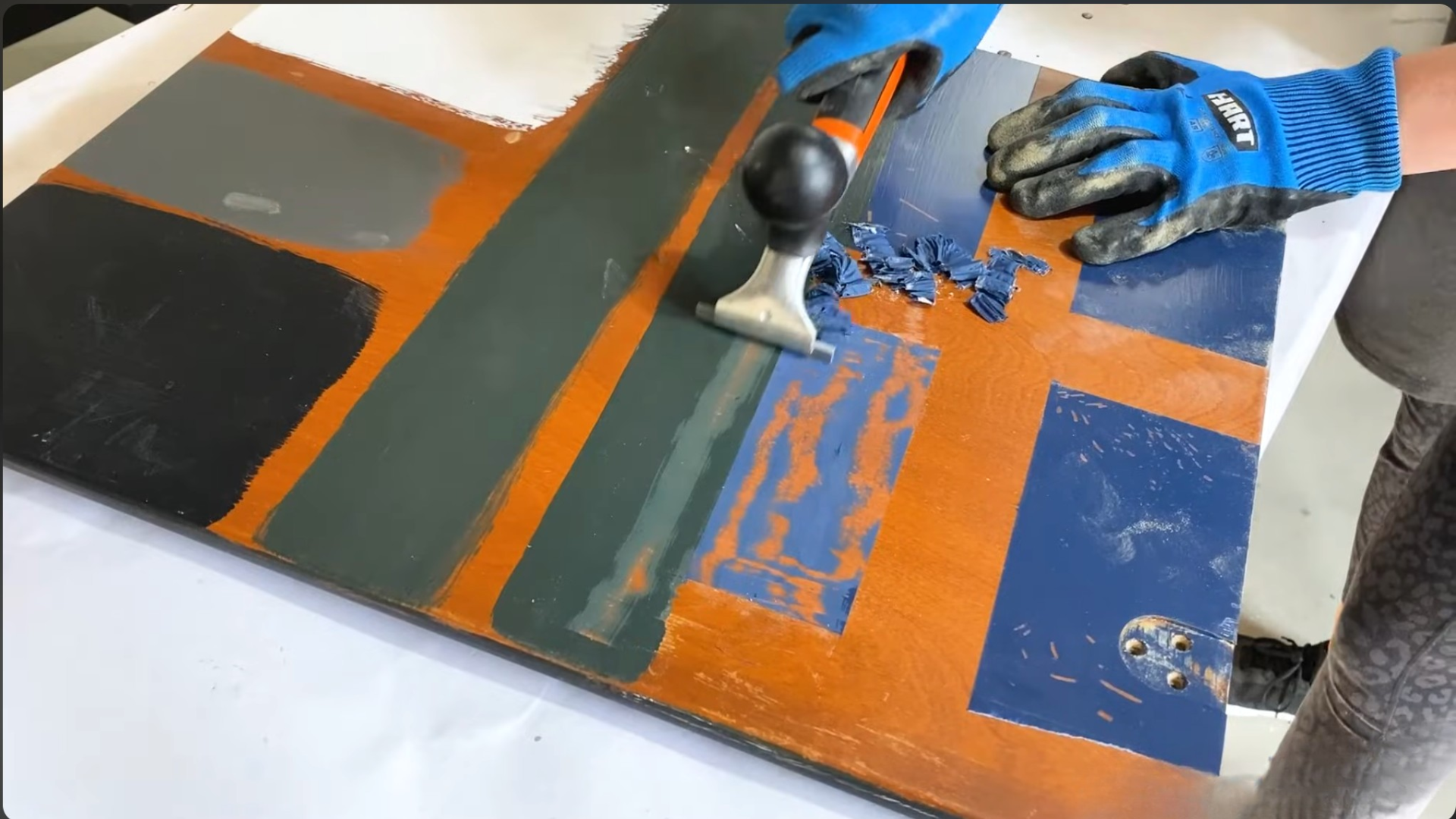
A carbide scraper can be used to remove paint directly from the wood surface. Hold the scraper at an angle and move it steadily to lift off the paint.
This method takes more effort and patience, especially when dealing with stubborn or thick layers.
It is useful when you want better control over the process or when working on smaller sections. Careful movement helps avoid damaging the wood while still removing paint effectively.
Step 3: Sand the Surface and Prepare for Best Results
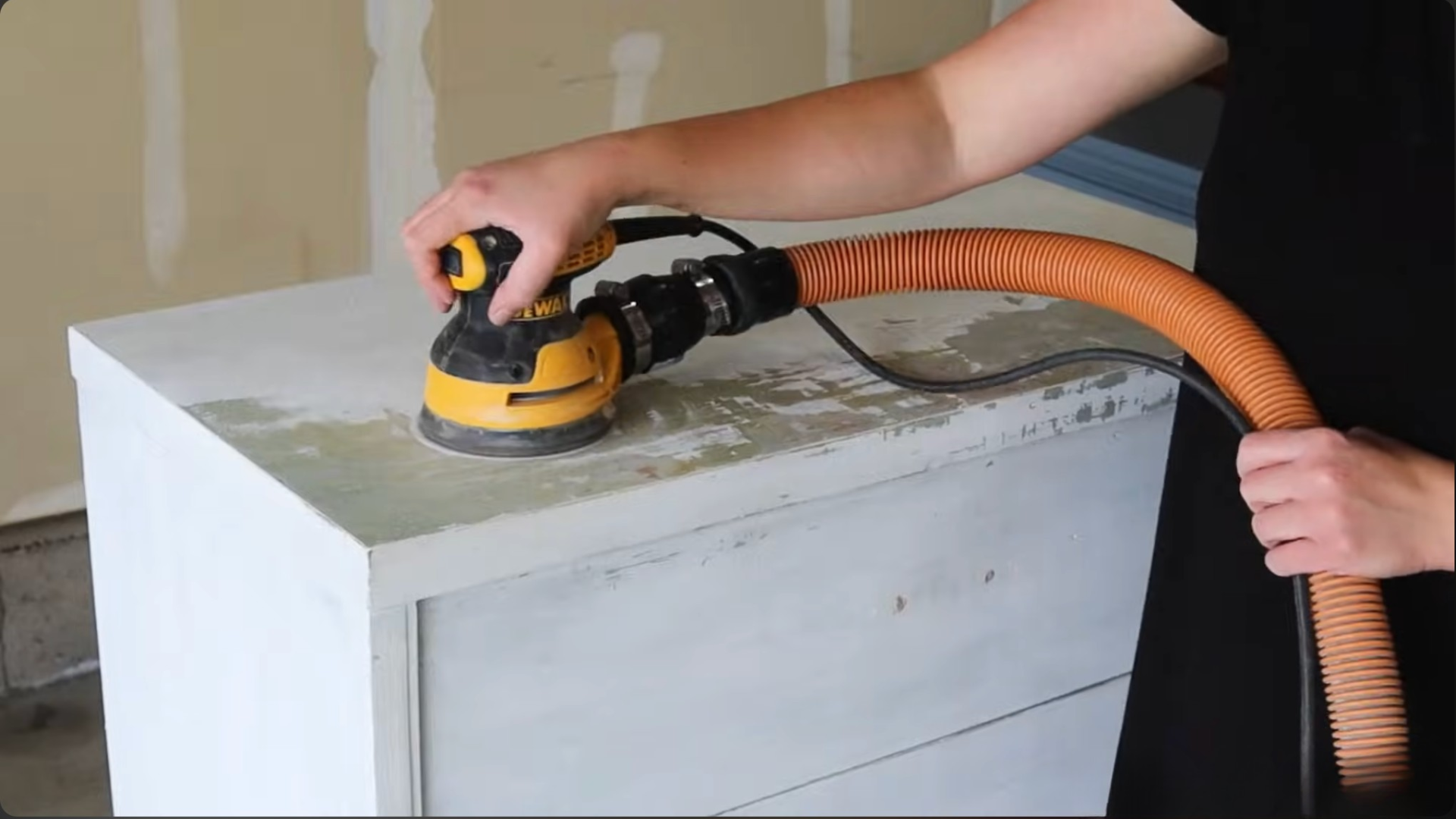
Sanding is useful for removing paint from larger areas and smoothing the wood at the same time. Use a power sander or sandpaper, moving evenly across the surface.
Change sandpaper often to keep it working properly.
Before sanding or scraping, check the paint with a lead test kit to ensure safety. Also, make sure all tools and supplies are ready before starting.
Proper preparation and steady work help achieve a clean and even surface for the next step.
This tutorial is based on a helpful video by A Ray of Sunlight. You can check out the original video on their YouTube channel here or watch it below.
Safety Tips While Removing Paint
Paint removers and dust can be harmful if handled without care. Taking simple precautions helps keep the process safe and prevents damage to both health and the work area.
- Wear Gloves: Gloves protect your skin from strong chemicals in paint strippers and also prevent cuts from sharp tools like scrapers. It is best to use thick rubber or chemical-resistant gloves for better safety.
- Use a Safety Mask: A mask helps block dust and harmful fumes released during sanding or when using paint remover. This is very important when working indoors or in small spaces.
- Work in a Ventilated Area: Good airflow helps remove strong fumes from the air. Open windows and doors, or work outside if possible, to avoid prolonged exposure to harmful chemicals.
- Avoid Direct Contact: Paint strippers can irritate or burn the skin if they come into direct contact with the skin. Always use tools or gloves when applying or removing the product to stay safe.
- Keep the Area Clean: A clean workspace reduces the risk of slipping on paint residue or tools. It also makes it easier to move around and focus on the task without distractions.
- Store Tools Safely: After use, keep all tools in a safe place, especially sharp or chemical-based items. This helps prevent accidents and keeps the workspace organized.
Reddit User Experience: Removing Paint from Wood
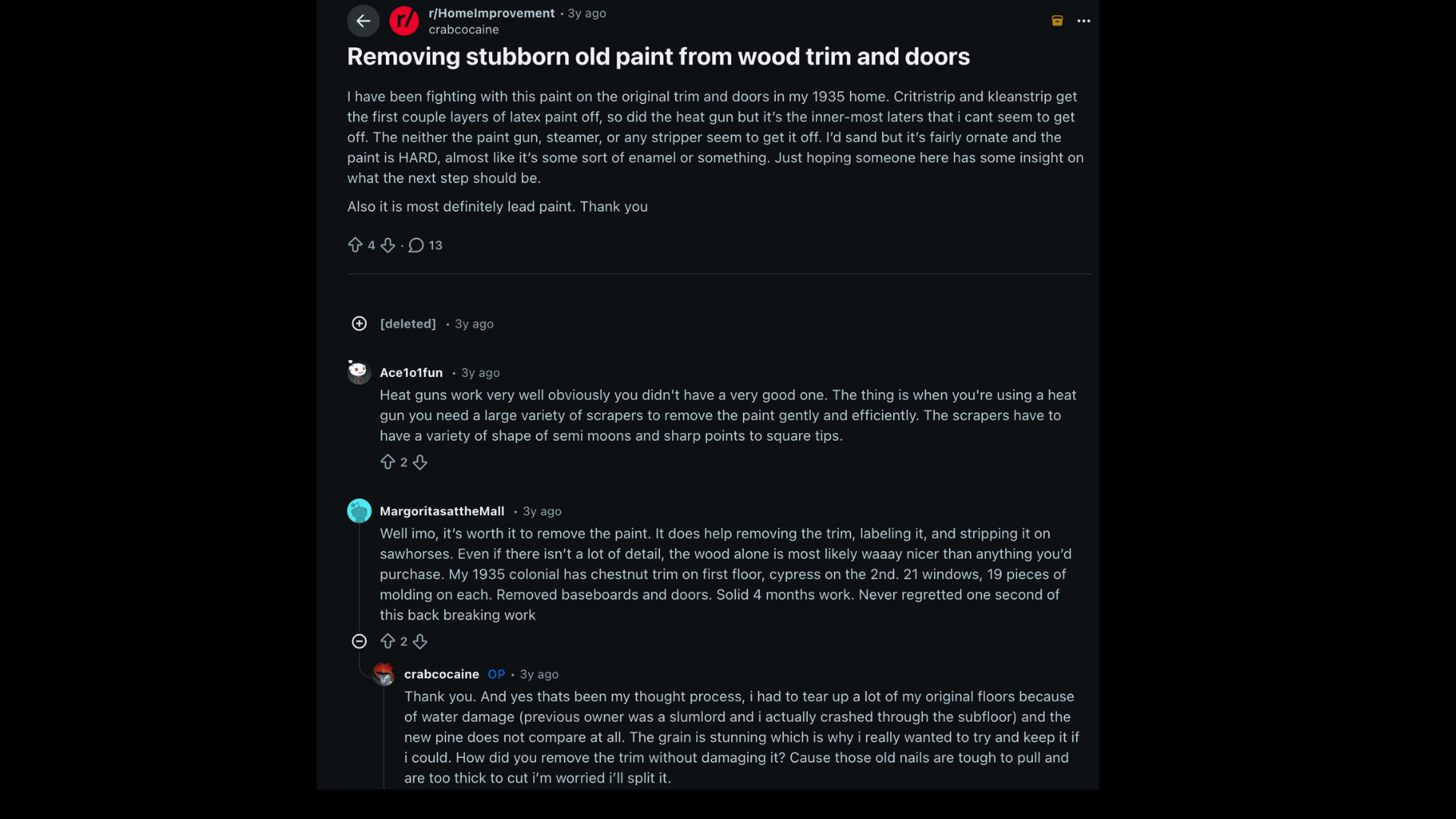
Reddit users shared how removing old paint from wood can get frustrating, especially in older homes. One user explained how they struggled with paint on the 1935 trim and doors.
Even after using chemical strippers, a heat gun, and a steamer, the inner layers would not come off.
The paint was very hard, likely enamel, and sanding was difficult due to the detailed designs.
Other users shared helpful advice based on their experience. Some suggested using a stronger heat gun along with different scraper shapes for better control.
Others recommended removing the trim and working on it separately for better results.
One user mentioned the process took months, but was still worth it for the natural wood grain.
There were also tips like repeating stripper use, using wire brushes for corners, and being careful when dealing with lead paint.
How to Strip Paint from Different Wood Surfaces?
Not all wood surfaces respond the same way to paint removal. The method that works well on a flat tabletop may cause real damage to a carved piece or thin veneer. This is how I approach the most common surfaces.
1. Furniture and Flat Surfaces
Flat furniture surfaces are the most forgiving to strip. A gel stripper applied thickly, left for 30 to 60 minutes, then scraped clean with a wide putty knife handles most situations.
Follow with 120-grit sanding, then 180-grit to finish. For pieces with veneers, avoid soaking the surface too long with any liquid or gel stripper, as moisture can cause the veneer to lift or bubble.
2. Interior Trim and Baseboards
Trim often has 5 to 10 coats of paint built up over decades, especially in older homes. A thick coat of stripper left under plastic sheeting for a few hours softens even stubborn layers.
Profile scrapers help with the curved edges.
When possible, I remove the trim from the wall first so I can work on it flat, which gives much better results and reduces the risk of damaging the wall surface.
3. Exterior Wood
Exterior paint is formulated to bond tightly, and it usually has more layers than interior paint.
A heat gun combined with a chemical stripper often works better than either method alone. Work in sections of about two square feet at a time so the stripper does not dry out before you scrape.
Exterior projects also require more attention to lead paint testing, since older homes frequently used lead-based exterior paint.
Common Mistakes to Avoid While Stripping Paint from Wood
Common mistakes during paint removal can affect both the process and the final result. Small errors often lead to extra work or uneven surfaces.
- Applying Thin Layers of Stripper: A thin coat does not soften the paint properly, which makes scraping harder. Always apply a thick and even layer for better results.
- Scraping Too Hard: Pressing too hard with a scraper can scratch or damage the wood surface. Use gentle pressure and let the stripper do most of the work.
- Not Waiting Enough Time: Removing paint too soon before it softens fully can make the job messy and incomplete. Give the stripper enough time to break down the paint.
- Skipping the Sanding Step: Sanding helps smooth the surface and removes leftover paint bits. Skipping this step can leave the wood rough and uneven.
- Working on Large Areas at Once: Trying to cover a large surface in one go can cause the stripper to dry out before you scrape it. Always work in small sections.
- Ignoring Safety Steps: Not wearing gloves or a mask can expose you to harmful chemicals and dust. Basic safety steps are important for every project.
- Skipping the Lead Test: This is the most commonly overlooked mistake. Testing first takes five minutes. Dealing with accidental lead exposure does not.
When to Repaint or Refinish Wood?
You should repaint or refinish wood when the surface starts to look worn, faded, chipped, or rough. Paint that peels or cracks can leave the wood open to moisture and damage.
Repainting works best when the old paint still holds well but looks dull or uneven.
Refinishing is a better choice when you want to bring back the natural wood grain or fix deep scratches and stains.
Indoor furniture may need attention every few years, while outdoor wood often needs it sooner because of sun and rain exposure.
Always check the condition of the wood before starting.
If the wood feels soft, has mold, or shows water damage, fix those problems first. Cleaning and sanding the surface also helps the new finish last longer.
Conclusion
Removing paint from wood can take time, but the effort pays off when you see a clean and smooth surface at the end. With the right tools, clear steps, and a bit of patience, the process becomes much easier to handle.
Small things like working in sections and not rushing can make a big difference in the final result.
It also helps to learn from experiences, since every project can be a little different. Some surfaces may need extra work, while others come clean quickly.
Staying flexible and careful helps avoid mistakes and saves time.
If you have tried stripping paint from wood before, share what worked for you or what challenges you faced in the comments below. Your experience can help others get better results.
Frequently Asked Questions
Can Paint Be Removed from Wood without Chemicals?
Yes, sanding or scraping methods can be used, but they may take more time and effort, especially for thick paint layers.
How to Know if Paint Is Safe to Remove?
A lead test kit can be used before starting. This helps check if the paint contains harmful materials.
What Is the Fastest Way to Strip Paint from Wood?
Using a chemical paint stripper is usually the fastest method, especially for multiple layers of paint.
How to Clean Wood After Removing Paint?
The surface can be wiped with a clean cloth and lightly sanded to remove any leftover residue before finishing.
How Many Coats of Paint Can a Chemical Stripper Remove at Once?
Most gel-based chemical strippers can remove 3 to 5 paint layers in one application. Thick buildup, like old trim with many coats, may need two or more applications.