

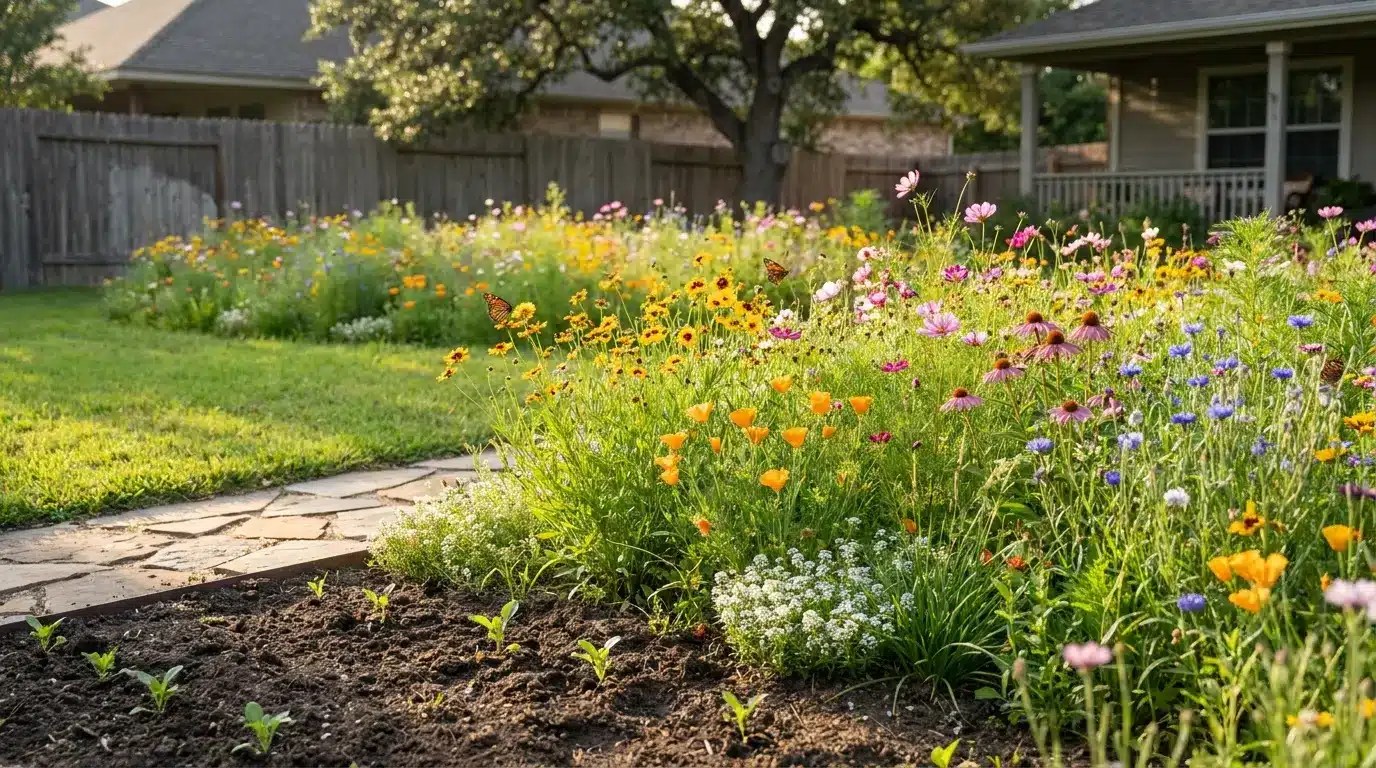
A packet of wildflower seeds looks simple, but scattering it over the ground often leads to thin growth or no flowers.
Learning how to plant wildflower seeds helps you avoid that disappointing result. I have found that timing, sunlight, bare soil, and steady moisture matter far more than using extra seed.
You need a clear method, especially when annuals and perennials grow at different rates. Good flower garden planning can also help you assess sunlight, drainage, and available space before sowing. The steps below explain how to choose the right season, prepare the ground, spread seeds evenly, and care for new seedlings.
I also cover common planting mistakes and the early signs that show your wildflower patch is developing properly.
When and Where Should You Plant Wildflower Seeds?
Planting time depends on your local climate and the type of seed mix. For spring sowing, wait until the final frost has passed and the soil reaches about 55°F. This gives seedlings time to establish before hot summer weather.
Fall planting often suits perennial-heavy mixes because winter cold helps break seed dormancy. In cold regions, sow after temperatures drop enough to prevent early germination.
In mild-winter areas, autumn sowing can work well during cooler, wetter months.
Choose a location receiving at least six hours of direct sunlight daily. Areas with steady sun can also support many easy perennial flower choices alongside suitable wildflower varieties. Avoid low spots where water remains pooled after rain, since wet soil can slow germination and damage developing roots.
Use ordinary native soil unless the chosen mix requires different conditions.
Remove grass, weeds, roots, and debris so the seeds can touch bare soil. Match the seed mix to the site’s sunlight, drainage, moisture, and regional growing conditions for stronger germination and dependable flowering.
How to Plant Wildflower Seeds: Step by Step
Wildflower seeds need more than open soil and a quick scatter to grow well. A few careful steps help improve seed contact, coverage, and early growth.
The process is simple, but each stage affects how evenly your wildflowers establish and bloom.
Tools and Materials
- Wildflower seed mix
- Clean sand
- Measuring tape
- Rake
- Shovel or hoe
- Weed removal tool
- Garden roller or flat board
- Watering can or hose with a gentle spray
Step 1: Choose the Right Planting Time
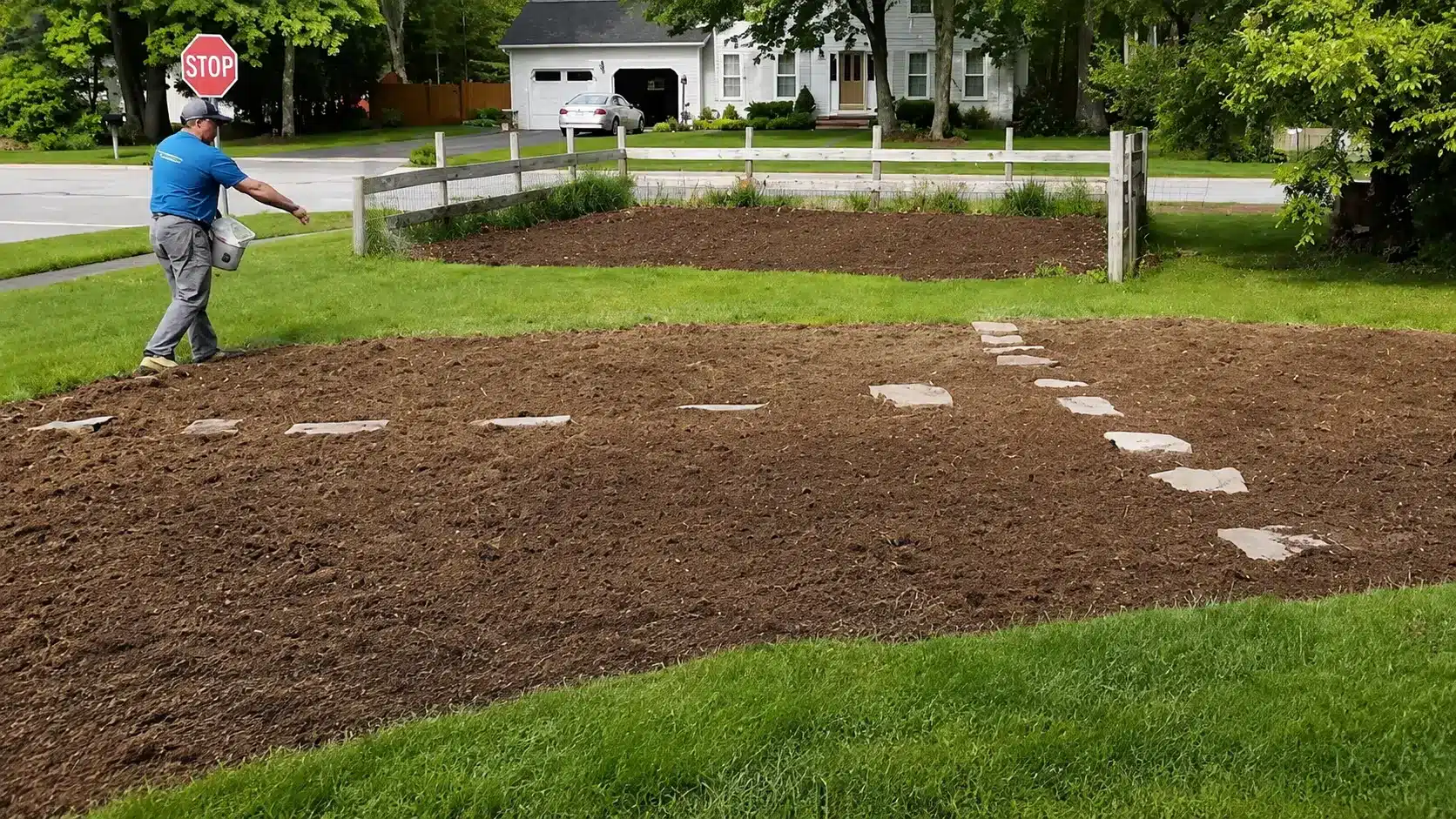
Plant wildflower seeds in spring after the final frost has passed. For fall planting, sow them at least eight weeks before the first expected frost. You can also sow seeds after a hard frost.
This dormant planting method keeps them inactive through winter until warmer temperatures and suitable moisture conditions support healthy spring germination in the prepared garden soil successfully.
Step 2: Check Sunlight and Measure the Area
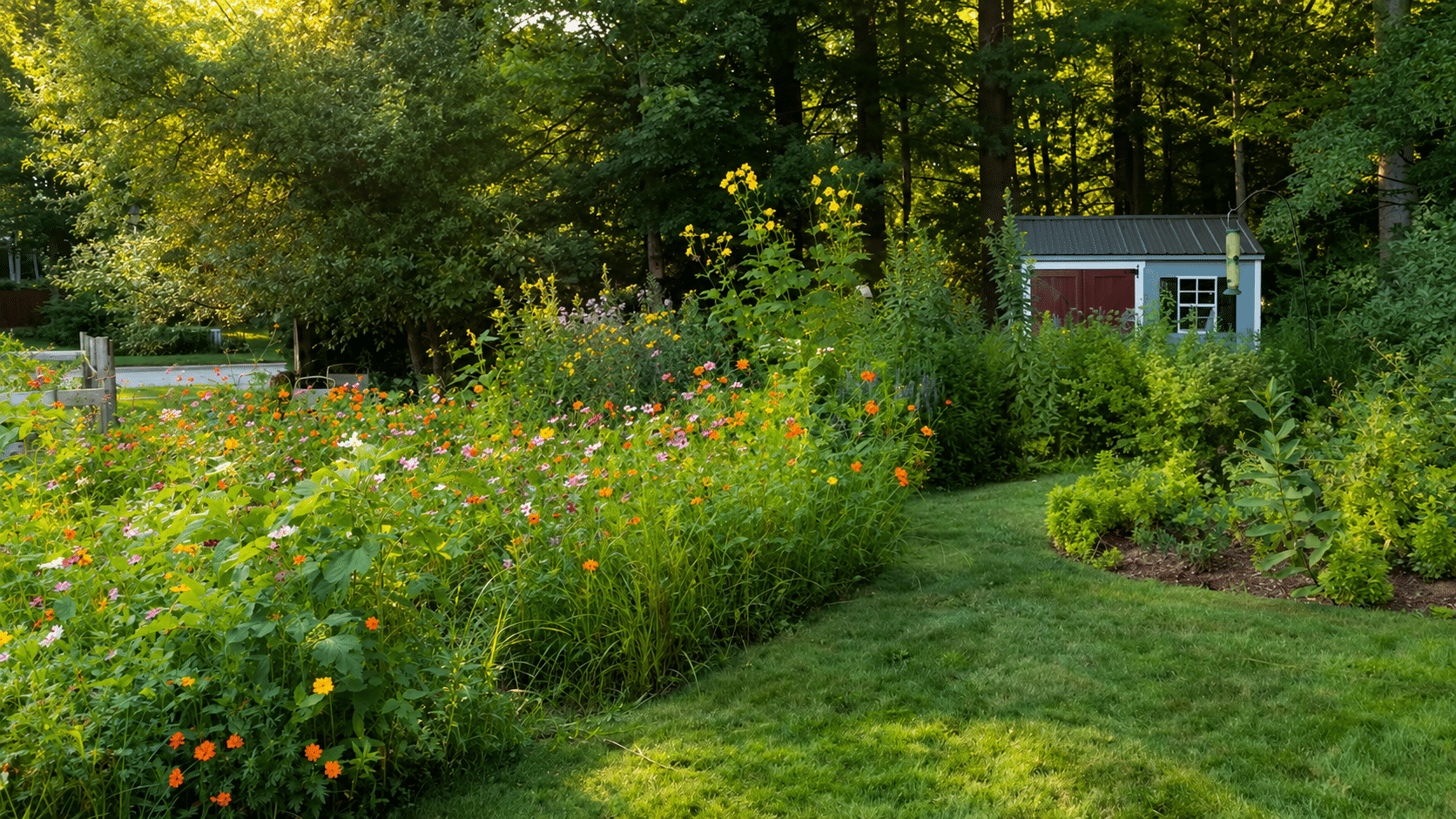
Choose a location that receives at least six hours of direct sunlight each day, since most wildflowers grow and flower best in full sun. Measure the planting area carefully, then read the seed packet’s coverage rate.
Use both figures to calculate the correct seed amount needed for each square foot of ground before you begin preparing and sowing the site.
Step 3: Clear and Prepare the Soil
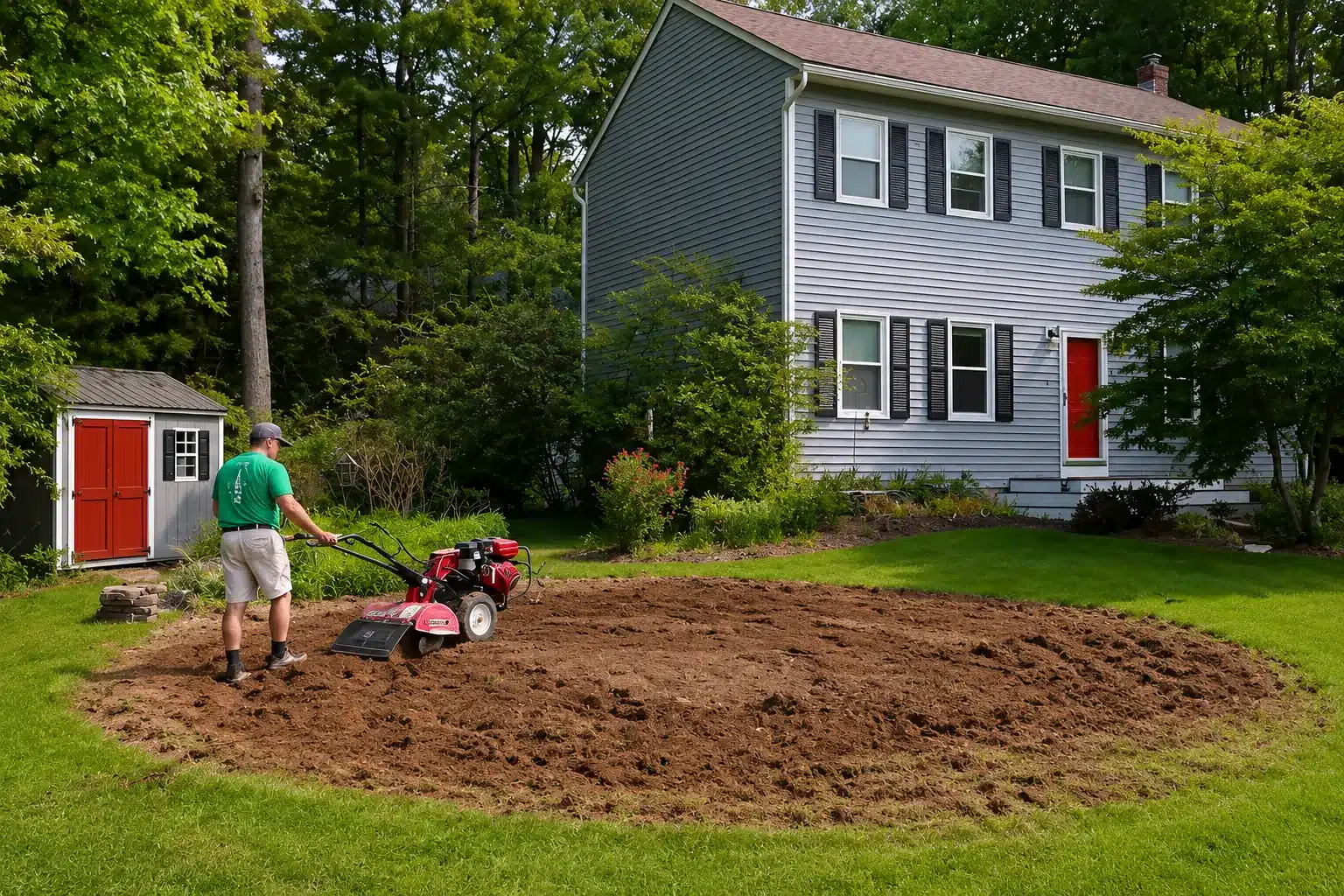
Remove all grass, weeds, roots, and existing plant growth from the selected area. Wildflower seeds need direct contact with bare soil for reliable germination.
Lightly rake the surface to loosen the upper layer, break apart large clumps, and create an even seedbed. If the existing ground needs repair, understanding the differences between planting soils can prevent unnecessary amendments. Avoid digging deeply because it may expose buried weed seeds and disturb the soil structure below.
Step 4: Mix and Scatter the Seeds
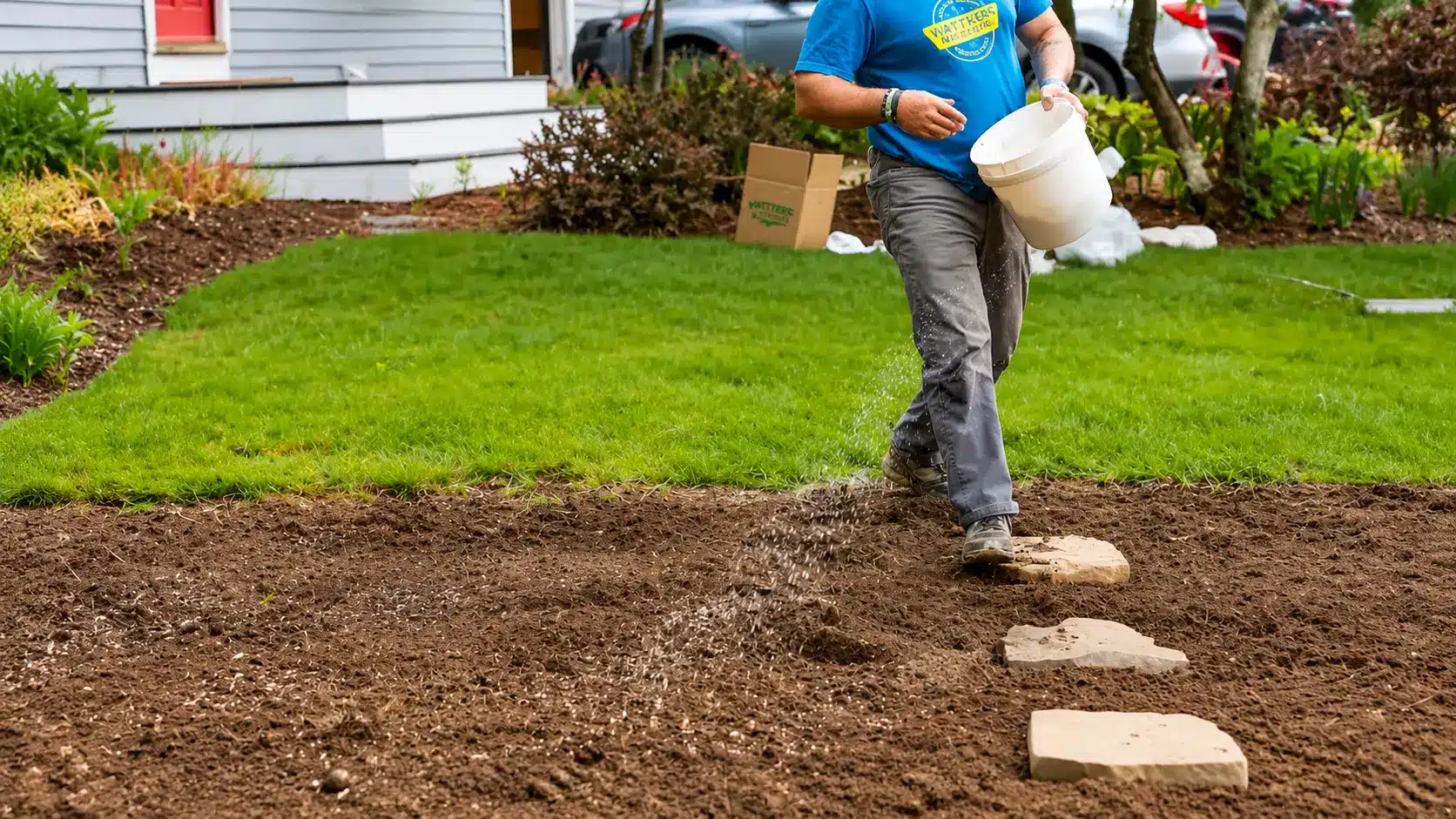
Mix the wildflower seeds with clean, dry sand so the small seeds are easier to see and distribute evenly. Divide the mixture into two equal batches. Scatter the first batch while walking from north to south.
Spread the second from east to west, covering missed spaces and reducing crowded patches across the prepared ground for more consistent coverage throughout the area.
Step 5: Press and Water the Seeds
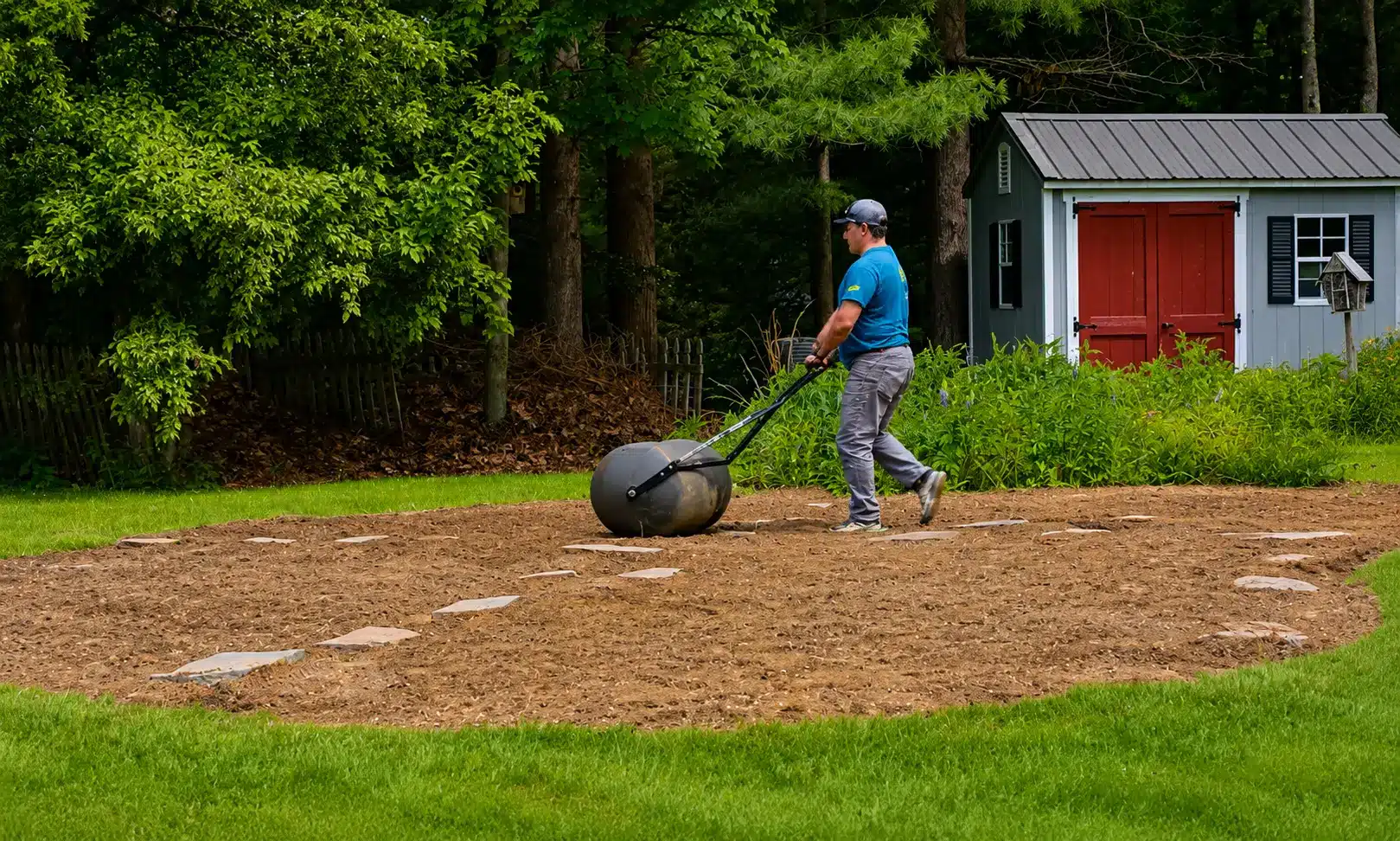
Press the scattered seeds firmly against the soil with a garden roller, flat board, or your feet. Good seed-to-soil contact helps seeds absorb moisture and germinate.
Leave them uncovered because many wildflower seeds need light. Water the entire area thoroughly with a gentle spray, avoiding strong pressure that could move seeds or gather them into piles along the soil surface.
Step 6: Maintain the Area and Wait for Blooms
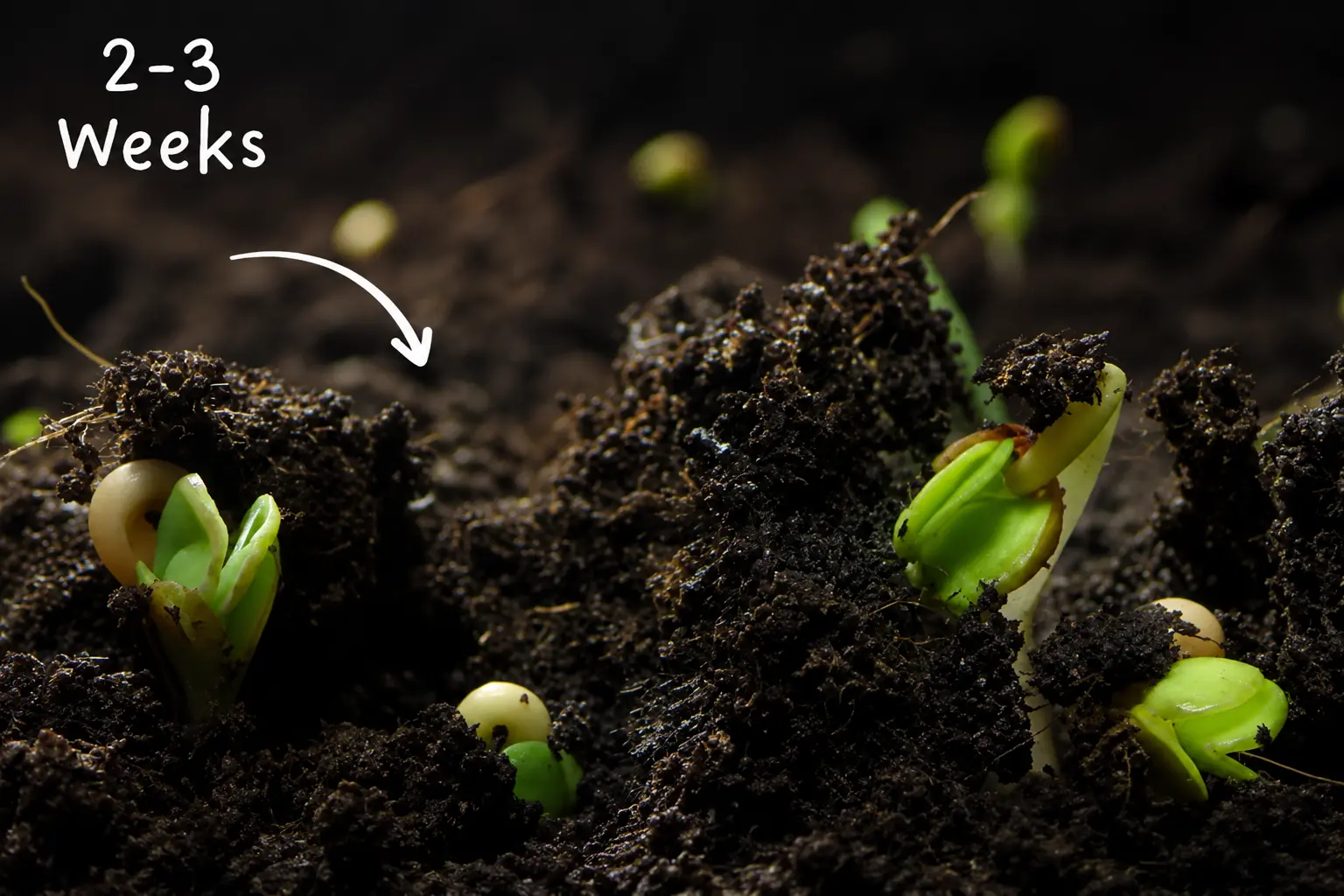
Keep the soil lightly and consistently moist while germination begins. Under suitable growing conditions, seedlings often appear within two to three weeks. Annual wildflowers may produce their first blooms within two to three months.
Perennial varieties develop more slowly and often require two to three years to reach maturity and produce a fuller display of flowers throughout the planting area.
For a complete walkthrough of the process, check out the video tutorial below:
Watering Wildflower Seeds After Planting
Proper watering supports germination and early growth, but frequency should change with rainfall, temperature, soil drainage, and local climate conditions.
Before Germination
Keep the upper soil layer consistently damp while the seeds are waiting to germinate, but never allow the ground to become waterlogged.
Check the surface daily and water lightly whenever it begins to dry. Use a fine spray nozzle or gentle sprinkler setting so water reaches the soil without washing seeds into piles or moving them from their planting spots.
After Seedlings Appear
Continue watering regularly after seedlings emerge, keeping the soil moist until young plants stand several inches tall and begin forming stronger roots. Reduce watering gradually as the plants become established.
Base each watering decision on recent rainfall, current temperatures, soil drainage, and the needs of the selected seed mix rather than following one fixed schedule for every garden or climate.
What to Expect After Planting
Wildflower seeds in the same mix may germinate at different times, so uneven early growth is normal. Some seedlings appear within weeks, while others need warmer soil, additional moisture, or seasonal temperature changes.
Annuals often bloom during the first growing season. Many perennials spend their first year developing roots and foliage, with stronger flowering in later seasons.
To separate weeds from wildflower seedlings, compare new growth with seedling photographs provided by the seed supplier. Avoid pulling unfamiliar plants until their leaves become easier to identify.
A newly planted patch may contain bare spaces or plants of different heights. These gaps often become less noticeable as later seeds sprout and established plants spread across the available ground during the season ahead.
What Mistakes Cause a Wildflower Garden to Fail?
Most wildflower garden failures come from three preventable mistakes, not poor seeds, unpredictable weather, or simple bad luck.
- Sowing over grass: Existing grass competes with seedlings for space, water, sunlight, and nutrients.
- Using rich soil: Nutrient-heavy soil encourages weeds and leafy growth instead of stronger wildflower blooms.
- Adding fertilizer: Extra fertilizer can weaken flowering and help aggressive weeds spread across the planting area.
- Letting soil dry out: Young seedlings can die quickly when the surface dries during their first few weeks.
- Burying seeds too deeply: Wildflower seeds need light and firm soil contact, so deep covering can prevent germination.
Avoiding these three mistakes gives the planting a much stronger chance to fill in, bloom well, and develop into the meadow you expected.
Can Wildflower Seeds Be Planted in Special Conditions?
Yes, wildflower seeds can be planted in lawns, containers, slopes, and untilled soil when each site is prepared correctly. For no-till planting, remove existing weeds and lightly rake the surface to expose bare soil.
Avoid scattering seeds directly into thick grass because established roots compete for water, light, and space. In pots, use containers with drainage holes and select compact varieties suited to the available depth.
Keep the growing medium moist without leaving it waterlogged. On slopes, press seeds firmly into the soil and water with a gentle spray to limit erosion. Biodegradable erosion netting can help hold seeds in place on steeper ground.
Always match the seed mix to the site’s sunlight, moisture, drainage, and regional climate. Careful site preparation remains essential because seeds germinate poorly when they cannot contact the soil.
Conclusion
A successful wildflower patch begins with careful timing, bare soil, even seed coverage, and steady moisture. Learning how to plant wildflower seeds also means giving each variety enough time to develop.
Annuals may flower within the first season, while perennials often build roots and foliage before producing fuller blooms. I find that patience becomes easier once you know what early growth should look like.
Watch moisture levels, remove visible weeds carefully, and avoid disturbing seedlings you cannot identify yet. These small habits help the planting fill in and support pollinators over time.
I hope you use these steps on your next patch. Share your results or read another gardening post for more practical planting ideas.
Frequently Asked Questions
Can I just throw wildflower seeds on top of my lawn or garden bed?
Not without preparation. Wildflower seeds need direct soil contact and bare ground to germinate, so scattering them over grass or mulch rarely works. Clear existing vegetation and roots first, then sow onto exposed soil for reliable results.
What is the best month to plant wildflower seeds?
Fall is generally best for perennial-heavy mixes, since winter cold naturally breaks seed dormancy. Spring works too, once soil has warmed to about 55°F and the last frost has passed, especially for annual-dominant mixes.
Do wildflower seeds need to be covered with soil?
Most tiny wildflower seeds germinate better pressed into bare soil rather than buried, since they need light to sprout. Larger seeds within a mix benefit from a thin, roughly quarter-inch covering — match the depth to seed size, not a single universal rule.
How long does it take for wildflower seeds to bloom?
Annual wildflowers typically bloom within six to eight weeks of sowing. Perennial varieties usually spend their first year developing roots and foliage, with full blooms appearing the second spring, so patience matters more than fast results.