

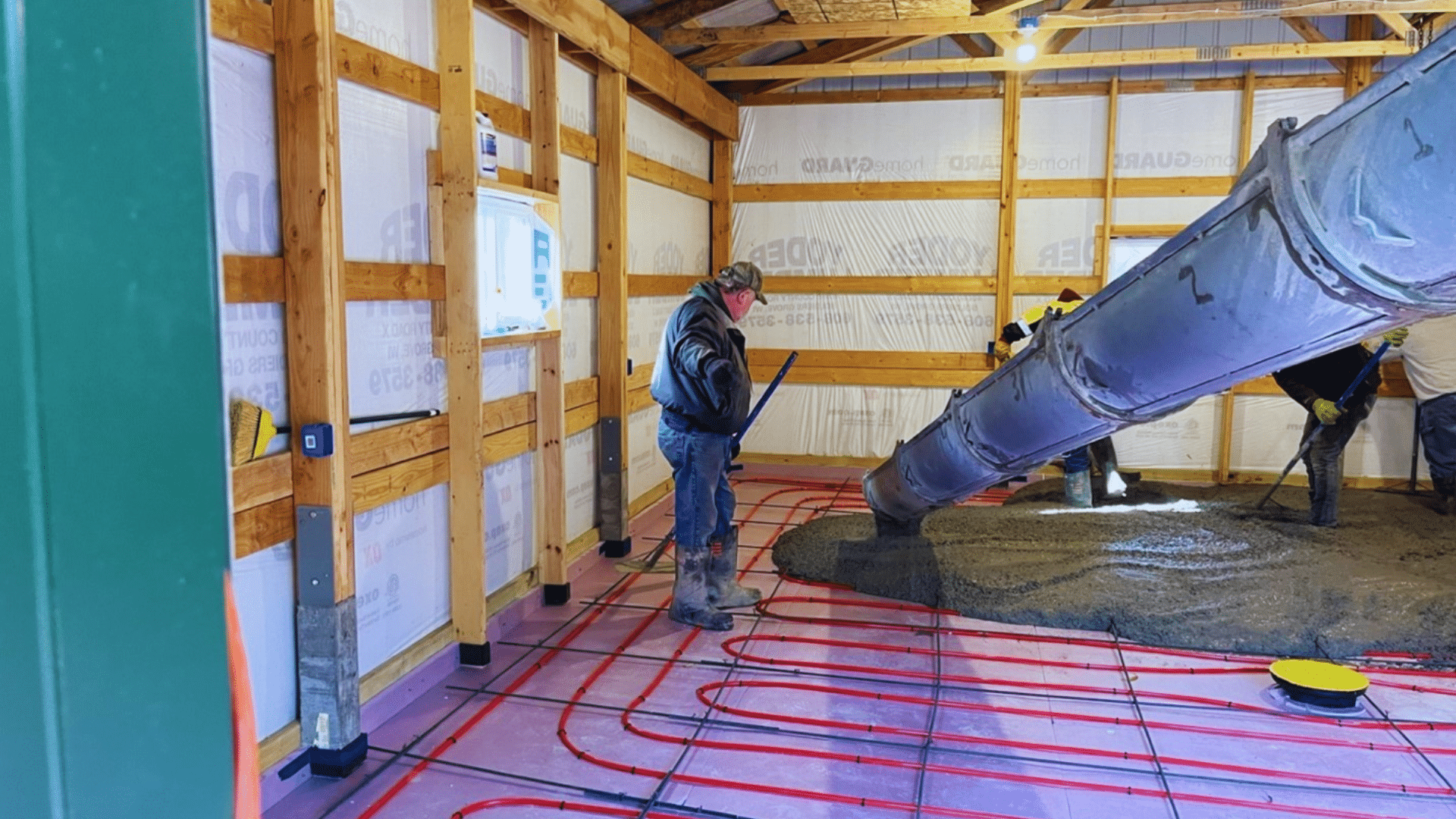
Radiant floor heating is a popular option for keeping your home warm, but it comes with its own set of challenges.
If you’re thinking about installing it, it’s important to understand the disadvantages of radiant floor heating.
In this blog, I’ll explain to you some of the main disadvantages of radiant floor heating, including high installation costs, maintenance requirements, and potential energy-efficiency issues.
You may also experience uneven heating in certain rooms, making it less reliable in some situations.
While radiant floor heating offers comfort and warmth, it’s not always the best fit for every home.
I’ll cover what you need to know to decide if this system is right for you. Consider these pros and cons before making a choice.
What is Radiant Floor Heating?
Radiant floor heating is a system that warms a room by heating the floor surface directly.
Unlike traditional heating methods, such as forced air, radiant floor heating heats the space from the ground up. There are two main types: hydronic and electric.
Hydronic systems use warm water flowing through pipes beneath the floor, while electric systems rely on heating cables or mats.
Both systems provide consistent, comfortable warmth throughout the room by radiating heat upward, creating a cozy environment without relying on forced-air.
It’s a quiet, energy-efficient way to heat your home, with applications in bathrooms, kitchens, and living areas.
Though it can be more expensive to install than traditional heating systems, many people prefer it for its comfort and efficiency.
How Does Radiant Floor Heating Work?
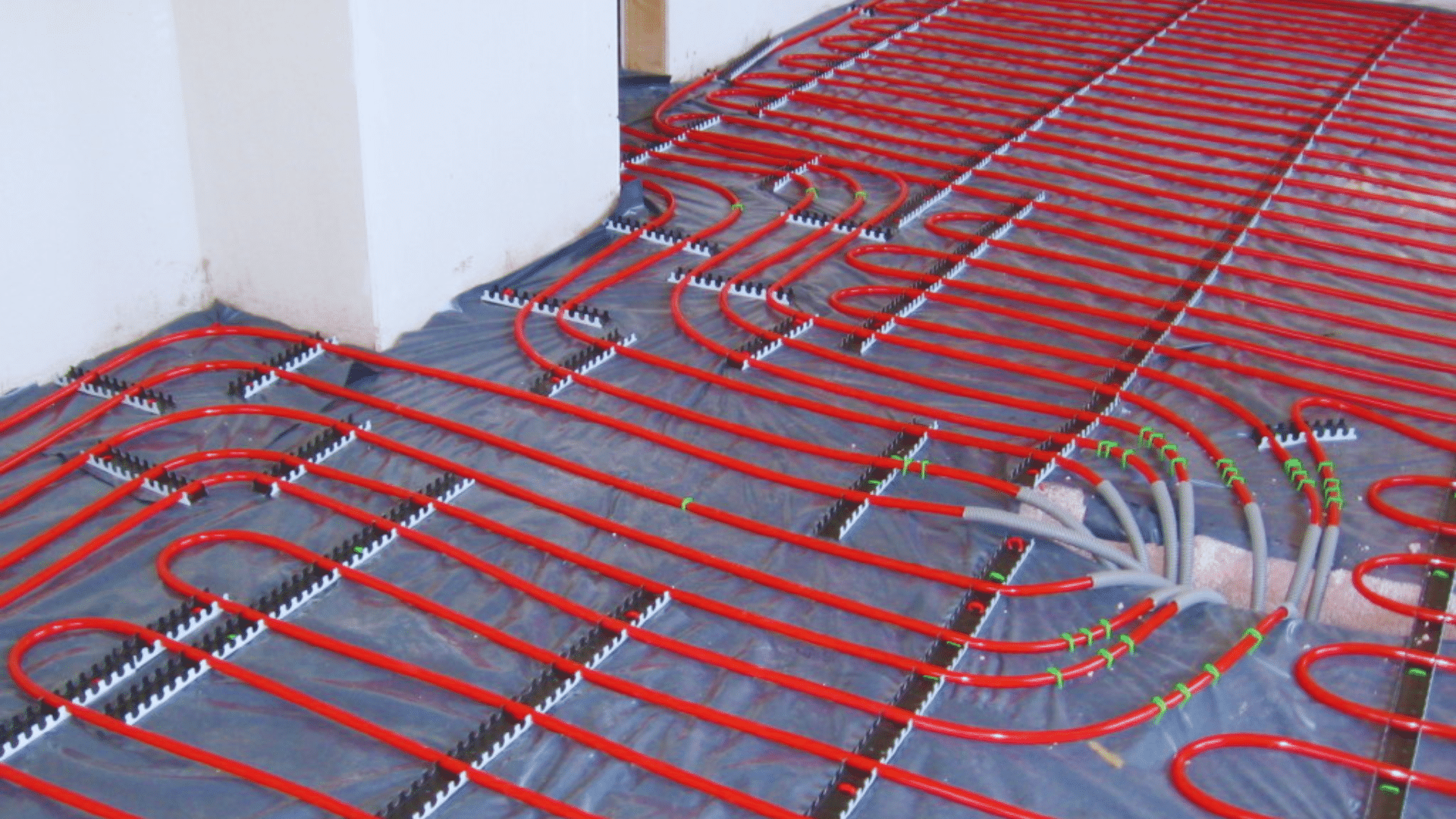
Radiant floor heating works by transferring heat directly to the floor surface, which then radiates warmth into the room.
In a hydronic system, warm water flows through pipes or tubes installed under the floor. The heated water spreads the warmth evenly across the floor, which radiates up into the room.
In an electric system, heating cables or mats are embedded beneath the floor, which heat up when electricity passes through them.
Both methods rely on heat rising naturally, creating an even, comfortable warmth without drafts or hot spots.
The system is typically installed during construction or renovation, but can also be added to existing floors with some effort.
This heating method is silent, energy-efficient, and ideal for rooms where cold floors are a concern, such as bathrooms or kitchens. It offers consistent comfort by heating the space from the ground up.
Key Disadvantages of Radiant Floor Heating
While radiant floor heating offers many benefits, it’s important to be aware of its potential drawbacks. These systems come with higher installation costs and can face challenges in terms of efficiency and maintenance.
1. High Installation Costs
Radiant floor heating systems can be expensive to install, especially in existing homes. The process involves tearing up the floors to install heating cables or hydronic pipes, which can add high costs to your project.
Hydronic systems, in particular, require a boiler or pump system, which adds to both the installation and maintenance costs.
While these systems may save money in the long run, the upfront investment is high, making it less accessible for some homeowners.
2. Maintenance Challenges
Though radiant floor heating systems are designed to be low-maintenance, repairs can be expensive and challenging.
Since the heating cables or pipes are installed beneath the floor, diagnosing and fixing issues requires significant disruption.
If something goes wrong, the floor may need removal or changes, adding time and cost to repairs.
Regular maintenance and checks are necessary to ensure the system continues to function properly, but troubleshooting problems can be tricky.
3. Slow Heating Time
One of the main drawbacks of radiant floor heating is its slow heating time.
Unlike forced-air systems that quickly heat the air in a room, radiant floor heating relies on the heat rising from the floor, which can take time.
It keeps warmth steady but may not suit those who need quick heat.
During colder weather, the system may take longer to reach the desired temperature, which can be frustrating in colder climates.
4. Uneven Heating in Larger Spaces
Radiant floor heating can struggle to provide even warmth in larger or irregularly shaped rooms. The heat naturally rises, but it can be more difficult to achieve uniform warmth across a big space.
In larger rooms, some areas may remain cooler than others, particularly in corners or areas far from the heat source.
This can lead to uneven comfort, and additional heating solutions may be needed to ensure consistent temperatures throughout the room.
5. Limited Compatibility with Flooring
Radiant floor heating systems perform best with certain flooring types, such as tile, stone, or concrete, because these materials conduct heat efficiently.
However, carpet, thick hardwood, or other insulating floors can reduce the system’s efficiency.
If your home has carpets or thick flooring materials, the heat might struggle to rise effectively, reducing overall comfort.
In some cases, the floor may need replacement or changes for radiant floor heating, adding extra cost and effort.
6. Energy Efficiency Concerns
Although radiant floor heating is often touted as an energy-efficient heating solution, it may not always live up to expectations, depending on factors like insulation and system design.
Homes that are not well-insulated may experience heat loss, leading to higher energy consumption and higher utility bills.
Hydronic systems that rely on a boiler can also be less energy-efficient compared to electric systems.
Additionally, if the system is not sized or installed properly, energy usage can become inefficient over time.
7. Difficulty with Zoning
Radiant floor heating lacks the zoning flexibility of traditional heating systems, which can be an issue for homes with multiple rooms or varied temperature needs.
Since the heat is emitted from the entire floor, it is difficult to control the temperature in specific areas.
In large homes or spaces with varying heating needs, this can lead to discomfort in certain rooms.
To achieve optimal comfort across multiple zones, additional heating or cooling systems might be needed, further increasing both complexity and costs.
Comparing Radiant Floor Heating with Other Heating Systems
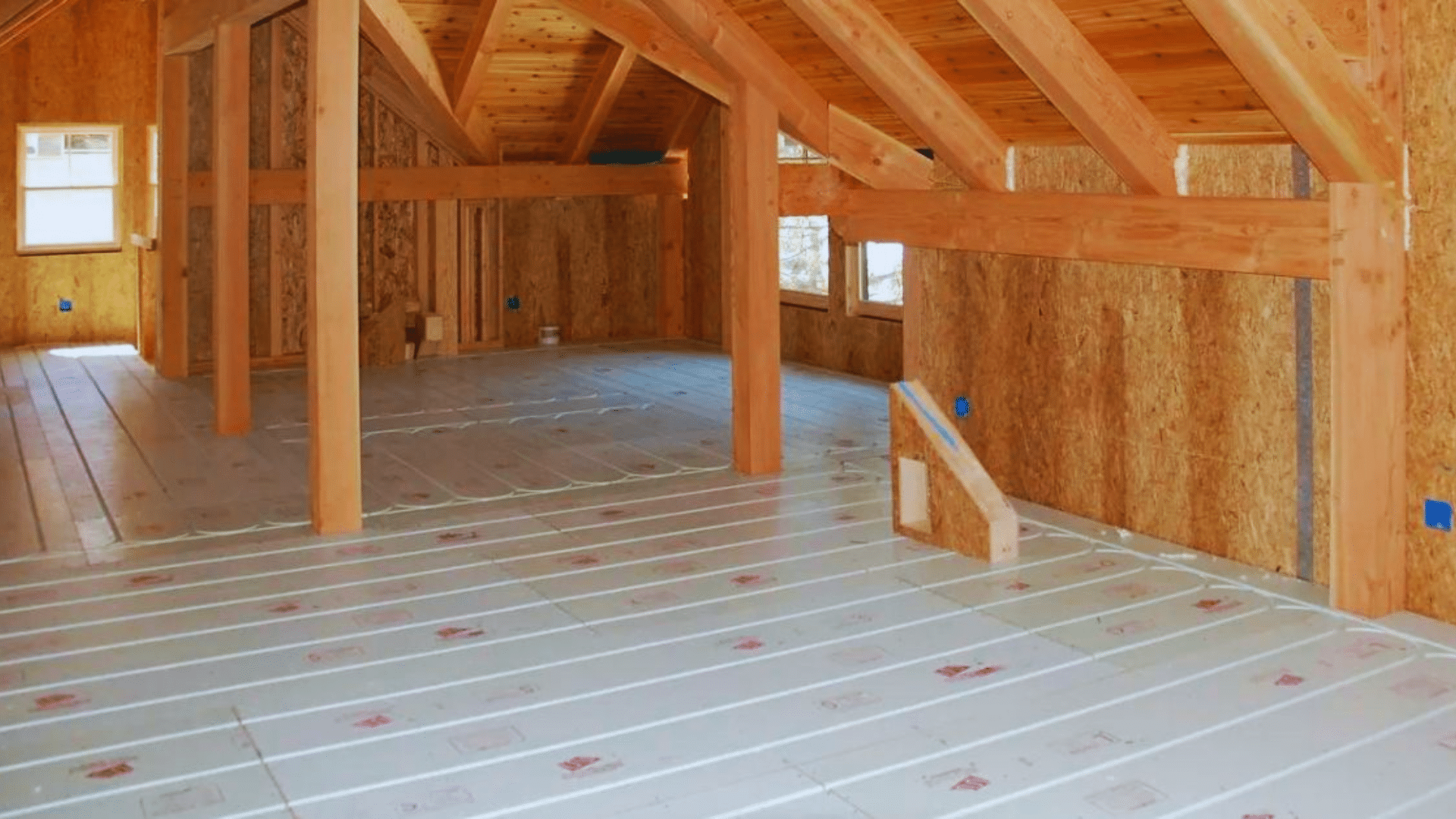
Radiant floor heating warms a room by heating the floor, providing even, energy-efficient comfort. It offers even, quiet warmth, making it ideal for areas where comfort is a priority, such as bathrooms and living rooms.
| Feature | Radiant Floor Heating | Forced-Air Heating | Baseboard Heating |
|---|---|---|---|
| Initial Installation Cost | High | Low to Medium | Low to Medium |
| Maintenance | Low (but costly repairs) | Low (filter changes needed) | Low (basic cleaning needed) |
| Energy Efficiency | High (if well-insulated) | Medium | Medium |
| Heating Speed | Slow | Fast | Medium |
| Comfort | Even quiet warmth | Can be noisy, uneven warmth | Direct heat, less even |
| Best For | Rooms with consistent use | Large, quick-heating areas | Small rooms, low heat needs |
| Lifespan | Very Long (25–35+ years) | Medium (15–25 years) | Long (20–30 years) |
| Air Quality Impact | No dust or allergen | circulate dust and allergens | Minimal impact |
Is Radiant Floor Heating Suitable for Your Home?
Radiant floor heating can be an excellent choice for many homes, offering consistent, energy-efficient warmth.
However, it’s important to determine if it’s suitable for your specific needs.
This system works best in rooms where you spend a lot of time, such as bathrooms, kitchens, and living areas. It provides even heat without the noise or drafts associated with forced-air systems.
However, the high installation costs, especially in existing homes, can be a significant consideration.
Additionally, radiant floor heating is ideal for homes with good insulation and floors like tile or stone that conduct heat effectively.
For homes with carpeting or thick floors, the system may not perform as efficiently.
Whether radiant floor heating is the right choice depends on factors like your budget, the space you’re heating, and the flooring in your home.
Conclusion
Radiant floor heating offers consistent warmth and energy efficiency, making it an attractive choice for many homeowners.
However, it also has downsides, such as high costs, maintenance issues, and slower heating than traditional systems.
It’s important to carefully weigh these drawbacks against the comfort and even warmth this system provides.
Radiant floor heating is ideal for areas where you want consistent, quiet warmth, like bathrooms and kitchens, but may not be the best fit for every home, especially those with thicker flooring or limited budgets.
Have you installed radiant floor heating in your home, or are you thinking about it? We’d love to hear about your experiences or any questions you may have.
Share your thoughts in the comments below and help others make an informed decision!