

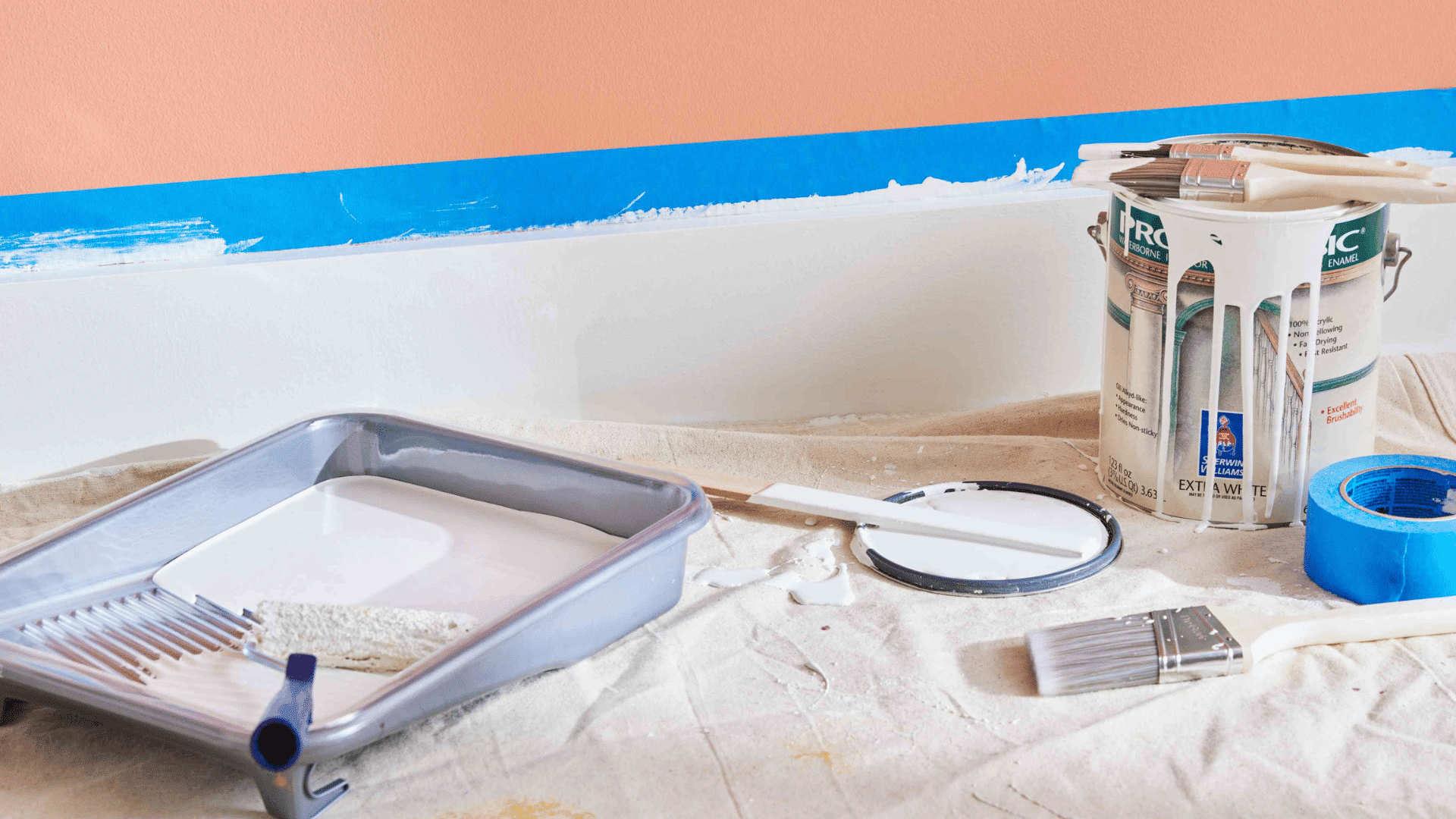
Choosing the right enamel paint is easier when you understand how each type works. I’ve found that many people are unsure whether water-based or oil-based enamel paint is the better choice for their project.
In this guide, I’ll explain enamel paint: water-based vs oil-based in simple terms so you can make a confident decision.
You’ll learn the main differences between the two, including durability, drying time, finish, cleanup, cost, and where each one works best.
I’ll also share the pros and cons of both options, along with a few practical tips to help you achieve a smooth, long-lasting finish.
Quick Answer: What Is Enamel Paint?
Enamel paint is a type of paint designed to create a hard, smooth, and durable finish when dry. It is available in both water-based and oil-based formulas, allowing you to choose the best option based on the surface, location, and level of wear.
It is commonly used on furniture, doors, cabinets, trim, and other high-touch surfaces that need added durability.
Unlike many standard wall paints, enamel paint creates a tough protective coating that resists scratches, stains, moisture, and repeated cleaning.
It comes in gloss, semi-gloss, and satin finishes for both decorative and practical uses.
If used indoors or outdoors, the right enamel paint can provide an attractive finish while helping protect surfaces from everyday wear and environmental exposure.
The Origin of the Term Enamel Paint
The term “enamel” originally referred to a glossy, glass-like coating used on items such as cookware, bathtubs, and household appliances.
Paint manufacturers later adopted the name to highlight the same qualities of durability and a smooth finish. Unlike traditional vitreous enamel, modern enamel paint contains no glass or ceramic materials.
Instead, the name describes how the paint performs once it has fully cured.
It forms a hard, durable surface that withstands scratches, stains, moisture, and everyday wear.
This is why enamel paint feels tougher and smoother than standard wall paint, making it a popular choice for surfaces that need a long-lasting, protective finish.
Key Characteristics of Enamel Paint
Enamel paint is known for its durability and smooth finish. Here are the key features that make it a popular choice for a wide range of painting projects.
- Hard, Durable Finish: Dries into a tough coating that withstands everyday wear, scratches, and minor impacts. This durable finish helps extend the life of painted surfaces, even in high-use areas.
- Resistance to Moisture and Stains: Forms a protective surface that resists moisture, spills, and common household stains.
- Smooth and Even Appearance: Levels well during application, helping create a clean finish with fewer visible brush or roller marks. With proper preparation and application, it provides a professional-looking result.
- Multiple Finish Options: Available in gloss, semi-gloss, satin, and matte finishes to suit different design preferences. Each finish offers a different balance of shine, durability, and ease of maintenance.
- Suitable for Various Surfaces: Can be used on wood, metal, concrete, masonry, furniture, cabinets, doors, and trim with proper surface preparation. Using the right primer further improves adhesion and finish quality.
- Water-Based and Oil-Based Options: Offered in both formulas, giving you the flexibility to choose based on your project’s requirements.
- Easy to Clean and Maintain: Once fully cured, the painted surface can be cleaned with a damp cloth and mild cleaning products. This helps keep the finish looking fresh with minimal maintenance.
What Is Water-Based Enamel Paint?
Water-based enamel paint uses water as its primary carrier instead of solvents. It dries quickly, produces less odor, and can be cleaned with soap and water.
These qualities make it a common choice for indoor projects such as cabinets, furniture, doors, and trim.
It also dries to a smooth, hard finish that resists everyday scuffs and stains. Many formulas are designed to level out as they dry, helping reduce visible brush marks.
Because of its lower VOC content, it is often a better option for indoor spaces where ventilation may be limited.
Modern water-based enamel paints also provide good durability and color retention. They work well for most residential applications and offer a simpler, more convenient painting experience.
What Is Oil-Based Enamel Paint?
Oil-based enamel paint uses oil or solvent-based carriers to produce a hard, durable finish.
It provides strong adhesion and excellent wear resistance, making it a good choice for surfaces exposed to frequent use or outdoor conditions.
Compared to water-based enamel paint, it takes longer to dry, produces stronger fumes during application, and requires mineral spirits or paint thinner for cleanup.
Although these products use different formulas, both are classified as enamel paint because they cure into a hard, smooth, and durable finish.
The main difference is the type of carrier used and how each product performs.
Water-Based vs. Oil-Based Enamel Paint: Key Differences
Choosing between water-based and oil-based enamel paint depends on your project, surface, and durability needs. Understanding their differences helps you select the right option and achieve better results.
1. Drying Time
Water-based enamel paint dries much faster than oil-based enamel paint. Most water-based formulas become dry to the touch within one to two hours and are ready for another coat in a few hours.
Oil-based enamel paint usually needs six to eight hours or longer before recoating.
Faster drying means projects finish sooner and collect less dust while drying. However, oil-based paint gives more working time, which can help create a smoother finish on large surfaces.
2. Durability
Oil-based enamel paint is generally more durable and resists scratches, heavy wear, and repeated cleaning. It is often used on doors, cabinets, trim, and metal surfaces that receive frequent use.
Water-based enamel paint has improved significantly and now offers excellent durability for many indoor and outdoor applications.
While it may not always match the toughness of oil-based paint, it performs well for most residential projects and holds up with proper surface preparation.
3. Finish and Appearance
Oil-based enamel paint usually provides a smoother, richer finish with a glossy look that levels out brush marks well.
This makes it popular for projects where a polished appearance matters.
Water-based enamel paint also comes in gloss, semi-gloss, and satin finishes but may show slight brush marks if applied incorrectly.
Using quality brushes or rollers and following the manufacturer’s instructions helps water-based paint produce an attractive, even finish.
4. Cleanup Process
Water-based enamel paint is much easier to clean up because it only requires soap and warm water. Brushes, rollers, and spills can be cleaned quickly without special products.
Oil-based enamel paint requires mineral spirits or paint thinner to remove paint from tools and surfaces.
These solvents create stronger fumes and require careful handling and disposal.
For many homeowners, the easier cleanup of water-based paint makes it the more convenient choice for everyday projects.
5. Odor and VOC Levels
Water-based enamel paint has a milder odor and generally contains lower levels of volatile organic compounds (VOCs).
This makes it more comfortable to use indoors, especially in spaces with limited ventilation.
Oil-based enamel paint produces stronger fumes because it contains higher VOC levels. Good airflow is important during application and drying.
If indoor air quality and convenience are priorities, water-based enamel paint is often the better option.
6. Best Uses
Water-based enamel paint works well for walls, furniture, cabinets, trim, and many exterior surfaces where quick drying and easy maintenance are important.
Oil-based enamel paint is better suited for high-traffic areas, metal surfaces, industrial equipment, and projects requiring maximum durability.
The right choice depends on how the painted surface will be used, the desired finish, drying time, and whether easy cleanup or long-lasting toughness is the higher priority.
Water-Based vs. Oil-Based Enamel Paint: Difference at a Glance
Both water-based and oil-based enamel paints provide a durable, smooth finish, but they differ in performance, application, drying time, and maintenance.
| Feature | Water-Based Enamel Paint | Oil-Based Enamel Paint |
|---|---|---|
| Base | Water is the primary carrier. | Oil or solvent is the primary carrier. |
| Drying Time | Dries quickly, often within a few hours. | Takes longer to dry and cure. |
| Durability | Durable for most residential applications. | Offers excellent durability for heavy-use surfaces. |
| Finish | Smooth finish with good color retention. | Hard, smooth finish with a slightly richer appearance. |
| Odor | Low odor during application. | Strong odor due to solvent content. |
| VOC Levels | Generally contains lower VOCs. | Usually contains higher VOCs. |
| Cleanup | Cleans up with soap and water. | Requires mineral spirits or paint thinner. |
| Best Uses | Cabinets, furniture, doors, trim, and interior projects. | Metal surfaces, outdoor furniture, railings, and high-wear areas. |
Where Can Enamel Paint Be Used?
Enamel paint is suitable for a wide range of surfaces because it creates a hard, durable finish that resists everyday wear.
The right formula depends on the material, location, and level of exposure to moisture, sunlight, or heavy use.
- Doors and Window Frames: Hold up well to frequent opening and closing while providing a smooth, easy-to-clean finish.
- Kitchen and Bathroom Cabinets: Resists moisture, grease, and everyday stains, making it a practical choice for busy spaces.
- Furniture and Woodwork: Provides tables, chairs, shelves, trim, and molding with a durable finish that withstands daily use.
- Metal Gates, Railings, and Appliances: Bonds well to properly prepared metal surfaces and helps resist scratches, rust, and weathering.
- Walls and Decorative Surfaces: Works well for accent walls, feature panels, and decorative details where a washable finish is preferred.
- Indoor and outdoor projects:Water-based enamel is ideal for most indoor projects, while oil-based enamel is often chosen for outdoor surfaces that need extra durability.
Which Enamel Paint Should you Choose?
The right enamel paint depends on the surface you’re painting and the conditions it will face. The table below provides quick recommendations for common applications.
| Project or Surface | Recommended Enamel Paint | Why It’s a Good Choice |
|---|---|---|
| Interior Projects | Water-based enamel | Dries faster, has low odor, and cleans up easily with soap and water. |
| Exterior Projects | Oil-based enamel | Forms a hard finish that withstands weather and outdoor exposure. |
| Wood Surfaces | Water-based for indoor wood; oil-based for outdoor wood | Choose the formula based on where the wood will be used and the level of protection required. |
| Metal Surfaces | Oil-based enamel | Provides strong adhesion and excellent resistance to moisture and everyday wear. |
| Furniture, Cabinets, and Trim | Water-based enamel | Offers a smooth finish, dries quickly, and is easy to maintain in living spaces. |
| High-Traffic Areas | Oil-based enamel | Creates a tougher coating that withstands frequent use and repeated cleaning. |
How to Apply Enamel Paint Properly?
Following the right steps from surface preparation to curing can improve adhesion, reduce imperfections, and deliver more professional-looking results.
1. Prepare the Surface
Good preparation helps enamel paint bond properly and last longer. Start by removing dust, dirt, grease, wax, or loose paint from the surface. Wash with a suitable cleaner if needed, then allow it to dry completely.
Lightly sand glossy or uneven areas to create a smooth surface that the paint can grip.
Fill cracks, dents, or holes with an appropriate filler and sand them smooth once dry. Finally, wipe away all sanding dust with a clean cloth.
Taking time to prepare the surface reduces peeling, improves the final finish, and helps the paint wear evenly over time.
2. Select the Right Primer
Using the right primer creates a better foundation for enamel paint and improves its durability. Choose a primer that matches the surface you are painting, such as wood, metal, masonry, or previously painted surfaces.
Some water-based enamels may be applied directly to certain materials, but a primer is still recommended for bare or repaired areas.
Apply the primer evenly and let it dry according to the manufacturer’s instructions before painting.
A properly primed surface helps the paint cover more evenly, improves adhesion, and can reduce the number of finish coats needed.
3. Brush, Roller, or Spray
The best application tool depends on the project and the finish you want. A quality brush works well for trim, edges, furniture, and detailed areas where precision matters.
A roller is a good choice for flat doors, cabinets, and larger smooth surfaces because it provides even coverage with less effort.
A paint sprayer can produce a very smooth finish on furniture, cabinets, and metal items, but it requires careful masking and proper technique.
No matter which tool you use, apply the paint evenly and avoid overworking it as it begins to dry.
4. Apply Multiple Thin Coats
Thin coats produce a smoother, stronger finish than one thick coat. Load your brush or roller with a moderate amount of paint and spread it evenly across the surface.
Thick coats are more likely to drip, dry unevenly, or show brush marks. Allow each coat to dry as directed before applying the next one.
Most projects require two or more coats for full coverage and consistent color.
Building the finish gradually creates a more durable surface and helps enamel paint achieve the smooth appearance it is known for.
5. Drying, Recoating, and Curing Tips
Drying and curing are not the same. Paint may feel dry to the touch within a few hours, but it often needs much longer to fully cure and reach maximum hardness.
Follow the drying and recoating times listed on the paint container, as they vary by product and environmental conditions.
Avoid placing heavy objects on freshly painted surfaces or cleaning them too soon.
Good airflow and moderate temperatures can help the paint dry more evenly. Waiting until the paint has fully cured helps protect the finish from scratches, marks, and premature wear.
Pros and Limitations of Enamel Paints
Like any paint, enamel paint has strengths and trade-offs. The comparison below provides a quick overview to help you decide if it is the right option for your project.
| Pros | Limitations |
|---|---|
| Hard, durable finish that resists daily wear | Oil-based formulas have a longer drying time |
| Good resistance to moisture, stains, and scratches | Oil-based products produce stronger odors during application |
| Available in water-based and oil-based options | Some surfaces require careful preparation for proper adhesion |
| Smooth finish that is easy to clean | Premium enamel paints can cost more than standard wall paints |
| Suitable for indoor and outdoor projects | High-gloss finishes may highlight surface imperfections if preparation is incomplete |
Common Enamel Paint Mistakes to Avoid
Avoiding a few common mistakes can help enamel paint look better, last longer, and reduce the need for repairs or repainting.
- Choosing the Wrong Type: Select a water-based or oil-based enamel based on the surface, location, and level of wear. Using the wrong type can affect durability and the final finish.
- Skipping Surface Preparation: Clean, dry, and lightly sand the surface before painting. Dirt, grease, or loose paint can prevent proper adhesion and lead to peeling or chipping.
- Applying Thick Coats: Apply several thin, even coats instead of one heavy coat. This helps prevent drips, uneven drying, and visible brush marks.
- Ignoring Drying and Cure Times: Allow each coat to dry before recoating, and give the paint enough time to fully cure before regular use. This helps protect the finish from damage.
- Using the Wrong Cleaning Products: Use cleaning products recommended for the paint type. Harsh chemicals or abrasive cleaners can dull the finish or shorten the life of the painted surface.
Conclusion
Enamel paint is a reliable choice for projects that need a smooth, durable, and easy-to-maintain finish. Choosing the right enamel paint improves the look and durability of furniture, cabinets, doors, trim, and metal surfaces.
You now know what enamel paint is, whether it is water-based, and how water-based and oil-based options differ in durability, drying time, maintenance, and the best uses.
You also understand the basic preparation and application steps that help create a professional-looking finish.
With this information, you can confidently select the right enamel paint for your next project and apply it correctly for long-lasting results.
If you have experience using enamel paint, share your tips, favorite techniques, or questions in the comments below.
Frequently Asked Questions
What Will Dissolve Enamel Paint?
Mineral spirits, paint thinner, or turpentine can dissolve fresh oil-based enamel paint. Fully cured enamel usually requires a commercial paint remover or acetone. Always follow the manufacturer’s safety instructions.
Does Enamel Paint Require a Primer?
Primer is recommended for bare wood, metal, masonry, and other unpainted surfaces. Previously painted, clean, and lightly sanded surfaces may not need one, depending on the manufacturer’s instructions.
When Not to Use Enamel Paint?
Avoid using enamel paint on flexible surfaces, in areas exposed to extreme heat, or on projects that require frequent repainting. It may also be unsuitable where a highly breathable coating is required.