

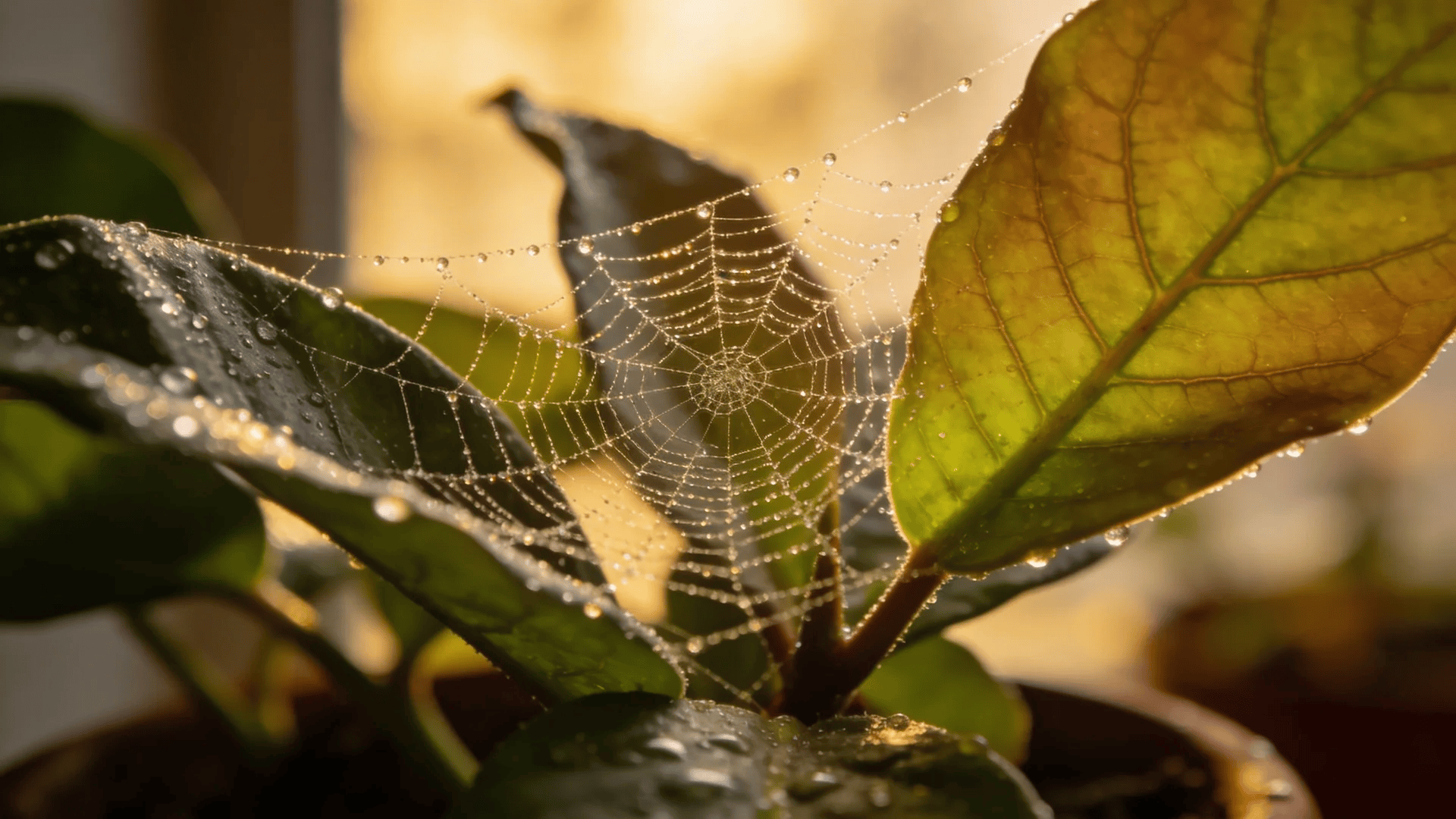
Spider mites nearly wiped out my favorite pothos before I even noticed them. I thought the dusty leaves and weak growth came from dry air, but tiny webs under the leaves told a different story.
Once I learned what I was dealing with, I found that getting rid of them was much easier than I expected.
In this guide, I’ll show you how to get rid of spider mites on indoor plants using simple steps that actually work.
You’ll learn how to spot early signs, clean infected plants, and stop the bugs from coming back. I’ll also share a few mistakes I made so you can avoid them.
If your plant leaves look faded, spotted, or covered with fine webs, this article will help you bring your indoor plants back to good health without wasting time or money.
Quick Answer: How to Get Rid of Spider Mites on Indoor Plants?
Spider mites on indoor plants can be removed by washing leaves, isolating the plant, and using neem oil or soap spray. Repeated treatment and proper care help stop mites from spreading to nearby plants.
Spider mites are common indoor plant pests that feed on sap inside leaves.
They appear quickly in warm, dry conditions and can spread to neighboring plants within days if left untreated.
Signs like yellow spots, fine webbing, dry leaves, and slow growth become visible as the infestation worsens. Regular plant checks, good airflow, and clean leaves reduce the risk.
Keeping indoor humidity above 50% makes conditions much less favorable for mites.
With quick action and a consistent routine, most infestations can be controlled before they cause lasting damage.
What Are Spider Mites on Indoor Plants?
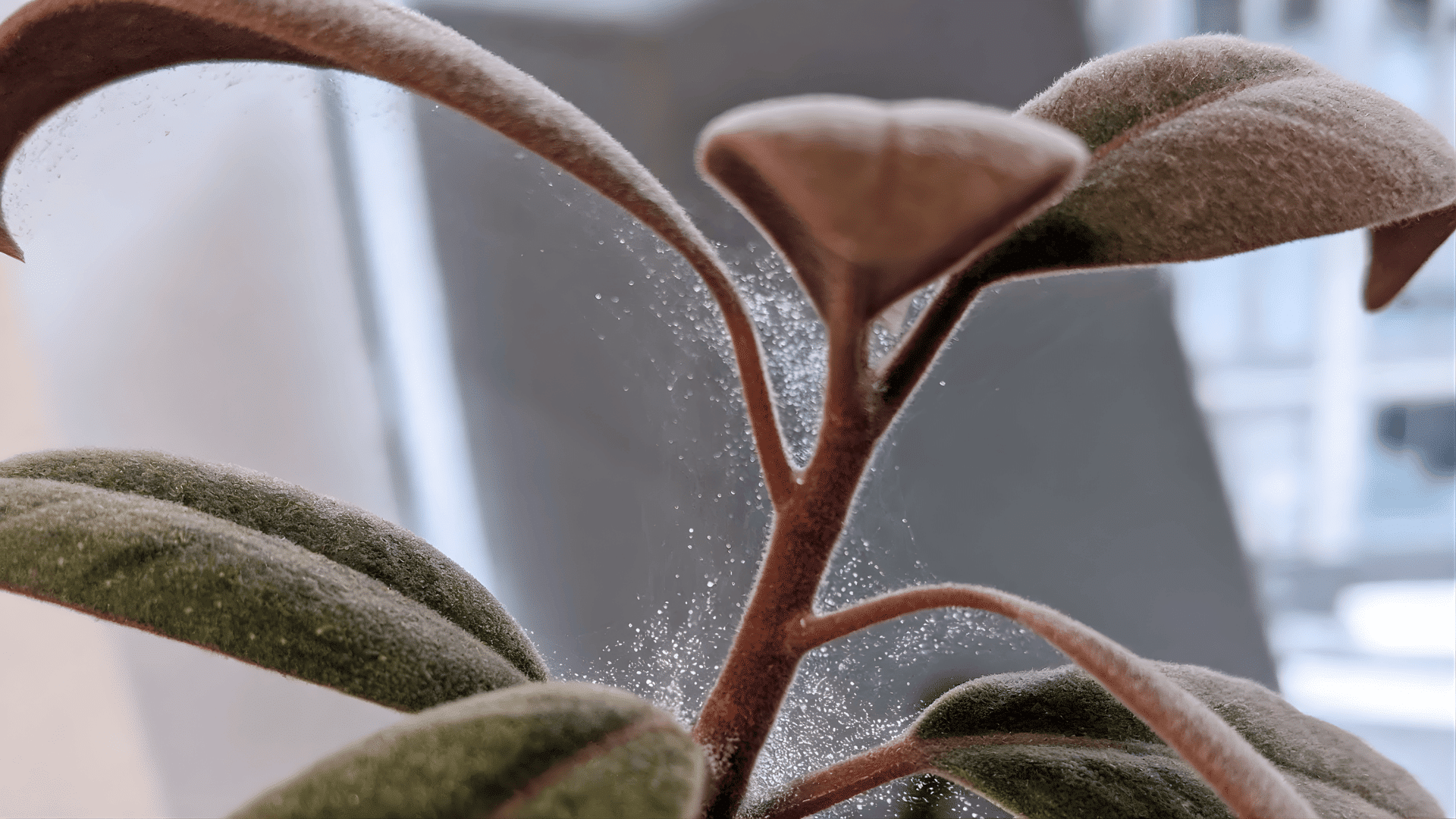
Spider mites are tiny pests that live on indoor plants and feed on plant sap. They are not true insects but are closely related to spiders, which is why they produce fine webbing on leaves.
There are several species worth knowing. The two-spotted spider mite (Tetranychus urticae) is the most common indoors and feeds on a wide range of houseplants.
Red spider mites are similar but tend to be more active in cooler conditions. Knowing the species helps because red spider mites respond better to cool water, while two-spotted mites respond better to neem oil or soap.
These pests are tiny and hard to spot until damage appears. They usually hide under leaves, where they feed on plant cells and nutrients.
This feeding leaves small yellow spots on the leaves. Over time, the leaves turn dry, dull, and may fall off.
Spider mites reproduce fast. Under warm indoor conditions, a single female can lay up to 200 eggs in her lifetime, and eggs hatch in as little as three days.
That’s why a small problem can turn into a full infestation within days. Regular checks help catch them early.
How to Identify Spider Mites?
Spider mites are very small, so I know it’s easy to miss them at first. I usually check my plants once a week for early signs before things get worse.
- Tiny Moving Dots: Tiny moving red, brown, white, or yellow specks on the leaves are often the first visible sign of spider mites.
- Yellow or Pale Spots: Yellow or pale spots usually appear because spider mites pierce the leaf surface and feed on plant sap.
- Fine Webbing: Fine web-like threads under leaves and between stems are a strong sign of a growing spider mite infestation.
- Dry Dusty Leaves: Dry, dusty-looking leaves can develop as spider mites continue to damage the plant tissue over time.
- Leaf Curling: Leaves may start curling or folding inward when the plant becomes stressed from spider mite feeding.
- Leaf Drop: Older leaves often fall off early as spider mite damage becomes severe, weakening the plant.
- Sticky or Rough Texture: Leaves may feel rough or unhealthy, rather than smooth, due to continuous feeding damage.
- Slow Plant Growth: Slow or stunted plant growth can happen because damaged leaves cannot support healthy development properly.
Quick field test: Hold a white sheet of paper under a leaf and tap it gently. If tiny specks fall and move around, you have spider mites. I use this method on all new plants before they go near my other houseplants.
It takes ten seconds and has saved me from several nasty infestations.
Best Natural Remedies for Spider Mites
Spider mites can be controlled with simple, safe home remedies for indoor plants. These methods work well when used regularly and applied the right way.
1. Neem Oil Spray
Neem oil is one of the most trusted natural solutions for spider mites. It works by disrupting their life cycle, preventing them from feeding and reproducing.
Mix a few drops of neem oil with water and a mild liquid soap, then spray it on both sides of the leaves. Apply it every 5 to 7 days for the best results.
It also helps protect plants from future infestations, making it a reliable long-term option for indoor plant care.
2. Soap Water Solution
A mild soap solution is a simple and effective way to remove spider mites. Mix a few drops of dish soap with water and spray it directly onto the leaves.
The soap breaks down the outer layer of the mites, which helps eliminate them quickly.
Make sure to cover the underside of leaves where mites usually hide. Rinse the plant after a few hours to avoid buildup. I prefer this one because it is easy to make and works quickly.
3. Garlic or Chili Spray
Garlic or chili spray works as a natural repellent for spider mites. Blend garlic cloves or chili with water, strain the mixture, and spray it on the plant leaves.
The strong smell and compounds help keep mites away and reduce their activity. Use this spray once or twice a week for better results.
It is a good option for those who want a chemical-free approach and a simple way to protect indoor plants from pests.
I prefer this one because it’s simple to make at home and helps keep pests away without using store-bought products.
4. Isopropyl Alcohol Spray
A 70% isopropyl alcohol solution diluted with water works well to kill mites on contact. Mix one part alcohol with three parts water, then apply it to the leaves with a cotton pad or spray bottle.
Focus on the underside of leaves, which is where mites cluster.
This method is especially useful for spot-treating individual leaves or for plants that do not tolerate oils well, like succulents.
Test on a small area first to confirm the plant handles it well before treating the whole plant.
Best Store-Bought Spider Mite Treatments
Spider mites can be stubborn, so store-bought treatments help when home methods are not enough. These products are easy to use and work faster on indoor plant infestations.
5. Insecticidal Soap Spray
Insecticidal soap sprays are made to kill soft-bodied pests like spider mites on contact. They break down the outer layer of the mites, which helps remove them quickly.
Spray it directly on leaves, especially under the surface where mites hide. Repeat every few days for better results.
It is safe for most indoor plants when used properly and does not leave harmful residue, making it a simple, effective first-line treatment option.
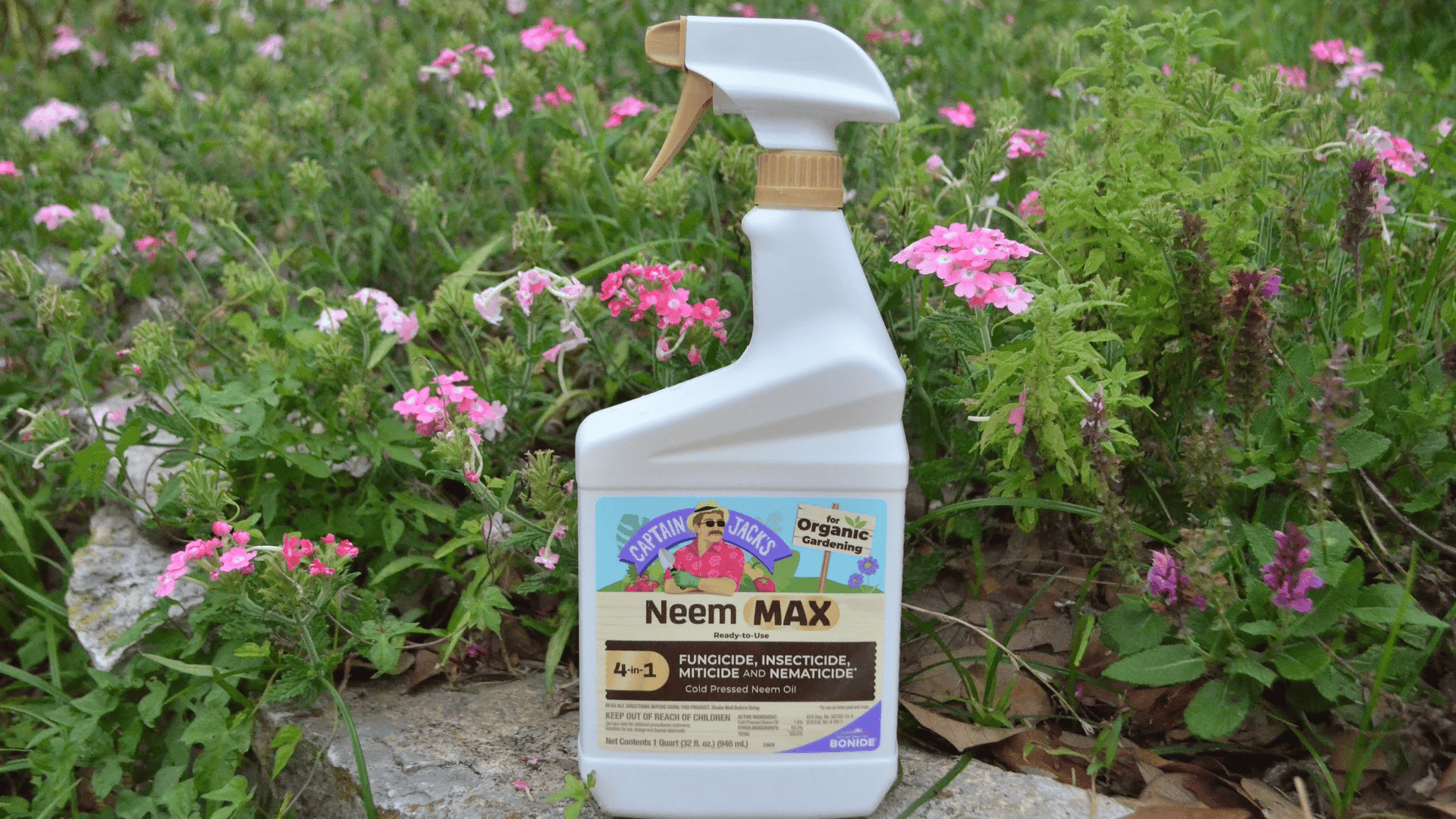
6. Neem Oil Ready-to-Use Spray
Neem oil sprays come in ready-to-use bottles, making them easy for beginners. They help stop mites from feeding and laying eggs, which slows their spread.
Spray evenly on leaves and stems for full coverage.
This was recommended by my friend, and it worked well without harming the plant. It is a good option if you want a natural-based product that is simple to apply and helps control mites over time.
6. Miticide Spray
Miticide sprays are stronger and made specifically to target mites at different life stages.
They work faster than basic sprays and are useful for heavy infestations. Apply carefully and follow instructions to avoid damage to the plant.
My father prefers this and has been using it for a long time on his plants.
It gives consistent results and helps control serious infestations when other methods do not work well enough.
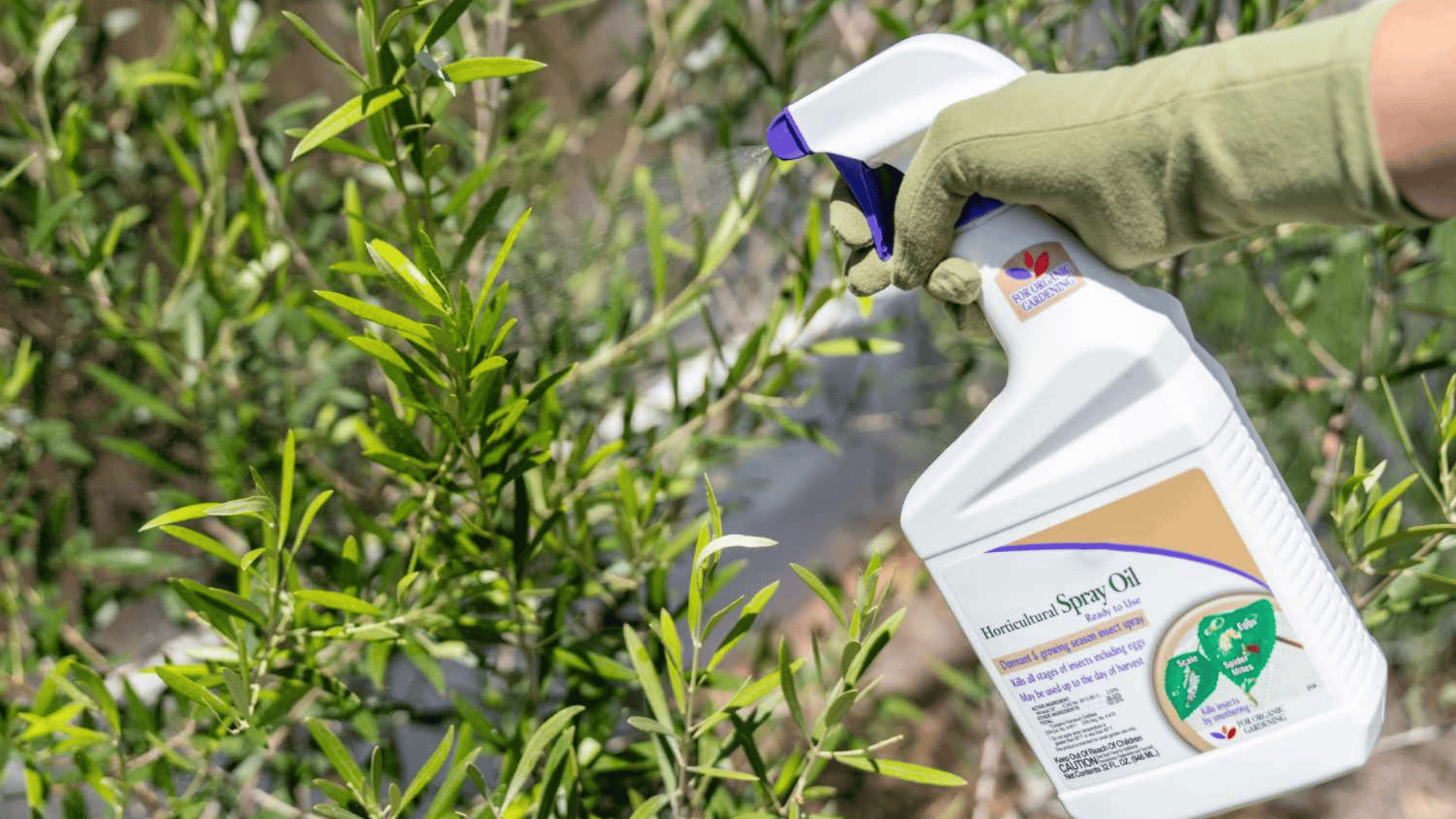
7. Horticultural Oil Spray
Horticultural oil sprays work by coating the mites and blocking their breathing. They also affect eggs, which helps reduce future outbreaks.
Spray evenly on leaves and stems, and avoid direct sunlight to prevent leaf burn.
It is a reliable option for indoor plants and works best when used regularly.
This method helps manage infestations over time and keeps plants protected when combined with proper care routines.
Best Spider Mite Treatments and Remedies Comparison
Different spider mite treatments work in different ways, from natural home remedies to stronger store-bought solutions. Each option works differently, so choosing the right one depends on how serious the problem is.
| Treatment | Type | How It Works | Speed of Results | Safety Level | Best For |
|---|---|---|---|---|---|
| Neem Oil Spray | Natural Remedy | Disrupts the spider mite life cycle and prevents feeding and reproduction | Moderate | Very Safe | Long-term indoor plant care |
| Soap Water Solution | Natural Remedy | Breaks down the outer layer of mites and removes them quickly | Fast | Safe | Light infestations and quick treatment |
| Garlic or Chili Spray | Natural Remedy | Repels spider mites with strong natural compounds and smell | Moderate | Very Safe | Chemical-free plant protection |
| Insecticidal Soap Spray | Store-Bought Treatment | Kills soft-bodied mites on contact | Fast | Safe | Indoor plant infestations |
| Neem Oil Ready-to-Use Spray | Store-Bought Treatment | Stops mites from feeding and laying eggs | Moderate | Safe | Beginner-friendly treatment |
| Miticide Spray | Chemical Treatment | Targets spider mites at different life stages | Very Fast | Moderate | Severe infestations |
| Horticultural Oil Spray | Store-Bought Treatment | Coats mites and eggs, blocking their breathing | Moderate | Safe | Long-term infestation management |
How to Stop Spider Mites from Spreading on Indoor Plants?
Spider mites spread fast, so early control is very important. Simple steps can help stop them from moving to other plants.
- Isolate infected plants: Keep affected plants away from healthy ones right away.
- Check nearby plants: Look closely at plants kept near the infected one.
- Clean plant area: Wipe shelves, pots, and surfaces to remove hidden mites.
- Avoid overcrowding: Give plants space so air can move freely.
- Use regular sprays: Apply neem oil or soap spray to nearby plants as a precaution.
- Increase humidity: Spider mites don’t like moist air, so raise humidity levels.
- Wash hands and tools: Clean hands, gloves, and tools after handling infected plants.
- Inspect new plants: Always check them before bringing them indoors.
What Are People Saying About Spider Mites on Reddit?

From what people share on Reddit, spider mites on indoor plants often feel overwhelming at first. Many users say they panic when they notice them, especially after spending years caring for their plants.
One person even said they felt overwhelmed after finding spider mites on several plants.
A common pattern in these discussions is how quickly the problem spreads. Users often say it starts with one plant, then suddenly affects many others within days.
Some also share that they first mistake the signs for watering or light issues, which delays treatment.
Most advice focuses on simple, repeatable steps. People recommend isolating infected plants, using neem oil sprays, or applying insecticidal soap regularly.
Others suggest natural options like ladybugs or predatory mites.
Overall, the main takeaway is that quick action and consistency make the biggest difference in controlling spider mites.
How to Clean Plants After Infestation?
After dealing with spider mites, cleaning the plant properly matters just as much as removing the pests. Start by taking the plant to a sink or shower and rinsing it well with lukewarm water.
Focus on the underside of the leaves since that’s where mites and their eggs stay hidden. This helps remove leftover pests and webbing.
Once the plant dries slightly, gently wipe each leaf with a soft cloth or cotton pad. If the infestation was heavy, trim off badly damaged leaves so the plant can recover faster.
Also, clean the pot, tray, and the surrounding area, as mites can persist on those surfaces.
After cleaning, keep the plant separate for a few days and check it daily. This simple step helps make sure the mites don’t come back and keeps the plant healthy.
Common Mistakes that Make Infestation Worse
Spider mite problems often get worse due to small care mistakes. Fixing these early can help stop the infestation from spreading further.
| Mistake | Quick and Easy Fix |
| Ignoring early signs | Check leaves weekly and act as soon as spots appear |
| Not treating under leaves | Always spray and clean the underside of leaves |
| Using too much chemical spray | Follow label instructions and avoid overuse |
| Skipping repeat treatments | Repeat treatment every few days to break the cycle |
| Keeping plants too dry | Increase humidity with misting or a humidifier |
| Not isolating infected plants | Move affected plants away from healthy ones |
| Leaving dusty leaves | Wipe leaves regularly to reduce hiding spots |
| Bringing new plants home unchecked | Inspect and quarantine new plants before placing them indoors |
When to Save or Throw Away a Plant?
Sometimes a plant can recover with proper care, but not always. Knowing when to save or let go helps protect your other plants.
- Mild damage only: Save the plant if only a few leaves are affected.
- New growth present: Keep it if you see fresh, healthy leaves coming in.
- No heavy webbing: Light infestation can be treated and controlled.
- Strong roots: Save the plant if the roots are still healthy.
- Severe leaf damage: Consider removing if most leaves are dry or dead.
- Heavy webbing everywhere: This often means a large infestation.
- No improvement after treatment: Let it go if treatments are not working.
- Spreading to other plants: Remove it to protect nearby plants.
- Plant too weak: If the plant looks fully damaged and not recovering, it’s better to discard it.
Conclusion
Dealing with spider mites on indoor plants can feel stressful at first, especially when it spreads faster than expected. But once you understand the signs, causes, and simple treatment steps, it becomes much easier to manage.
Small actions like checking leaves, cleaning plants, and using the right treatment at the right time can make a big difference.
The key is to stay consistent and not ignore early signs. Most infestations can be controlled if you act quickly and follow a simple routine. Over time, it also helps you spot problems before they grow.
If you’ve dealt with spider mites before, your experience can help others, too.
Share what worked for you or what didn’t in the comments below so others can learn from it.
Frequently Asked Questions
Can Spider Mites Come Back After Treatment?
Yes, they can return if eggs are left behind or treatment is not repeated properly.
How Long Does It Take to Get Rid of Spider Mites?
It usually takes 1 to 3 weeks with consistent treatment to fully control them.
Can Spider Mites Spread Through the Air?
They do not fly, but they can spread through air movement, contact, or nearby plants.
Can Overwatering Cause Spider Mites?
Overwatering does not cause them directly, but weak plants become easier targets.