

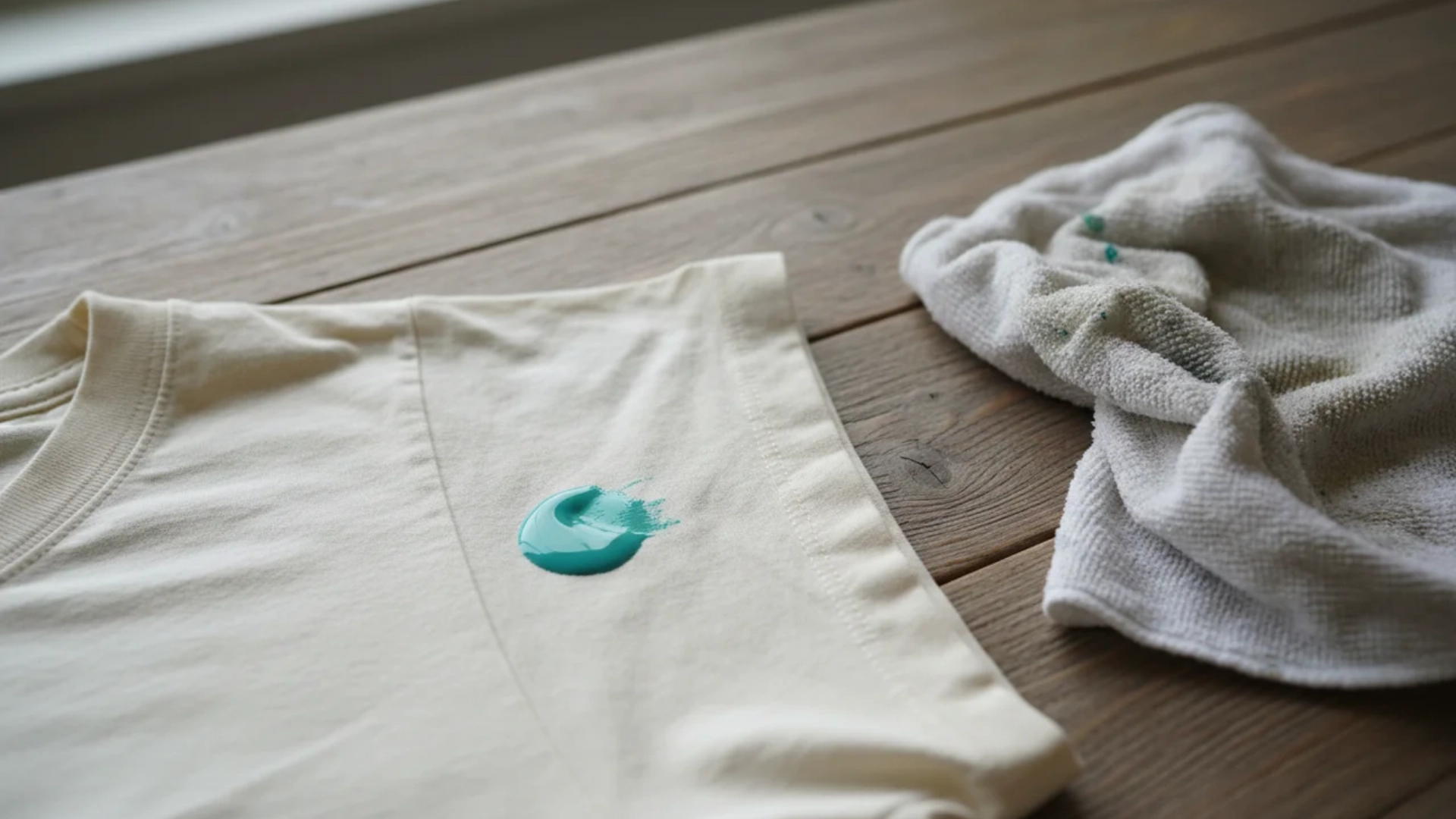
Paint on a favorite shirt can feel like instant damage, but the stain may not be permanent. Learning how to remove paint from clothes starts with understanding when it happened and how the fabric responds to cleaning.
Some stains lift quickly, while others need a slower approach. The sections ahead will help you assess the mark, choose a suitable method, and avoid mistakes that can spread paint or push it deeper into the fibers.
You will also learn what changes after paint dries, when stronger products may be needed, and how to protect the garment while you work. If you are wondering whether paint will come out of clothes, the answer often depends on the choices you make first.
Will Paint Come Out of Clothes?
I have removed paint from more shirts than I can remember, and one thing stays true every time: fresh paint is much easier to deal with than dried paint.
If you act quickly, use the right cleaner, and keep the garment out of the dryer, there is a good chance you can save it. The problem gets tougher once oil-based paint hardens, sinks into thick fabric, or goes through a full wash-and-dry cycle.
At that point, the stain is no longer just sitting on the surface. The paint binders begin wrapping around the fabric threads as they cure.
That is why the cleaner has to match the type of paint. Water can loosen fresh water-based paint, but it will not do much against oil-based formulas. Knowing what caused the stain before you start cleaning can save time and prevent further damage.
What Should You Check Before Treating the Paint Stain?
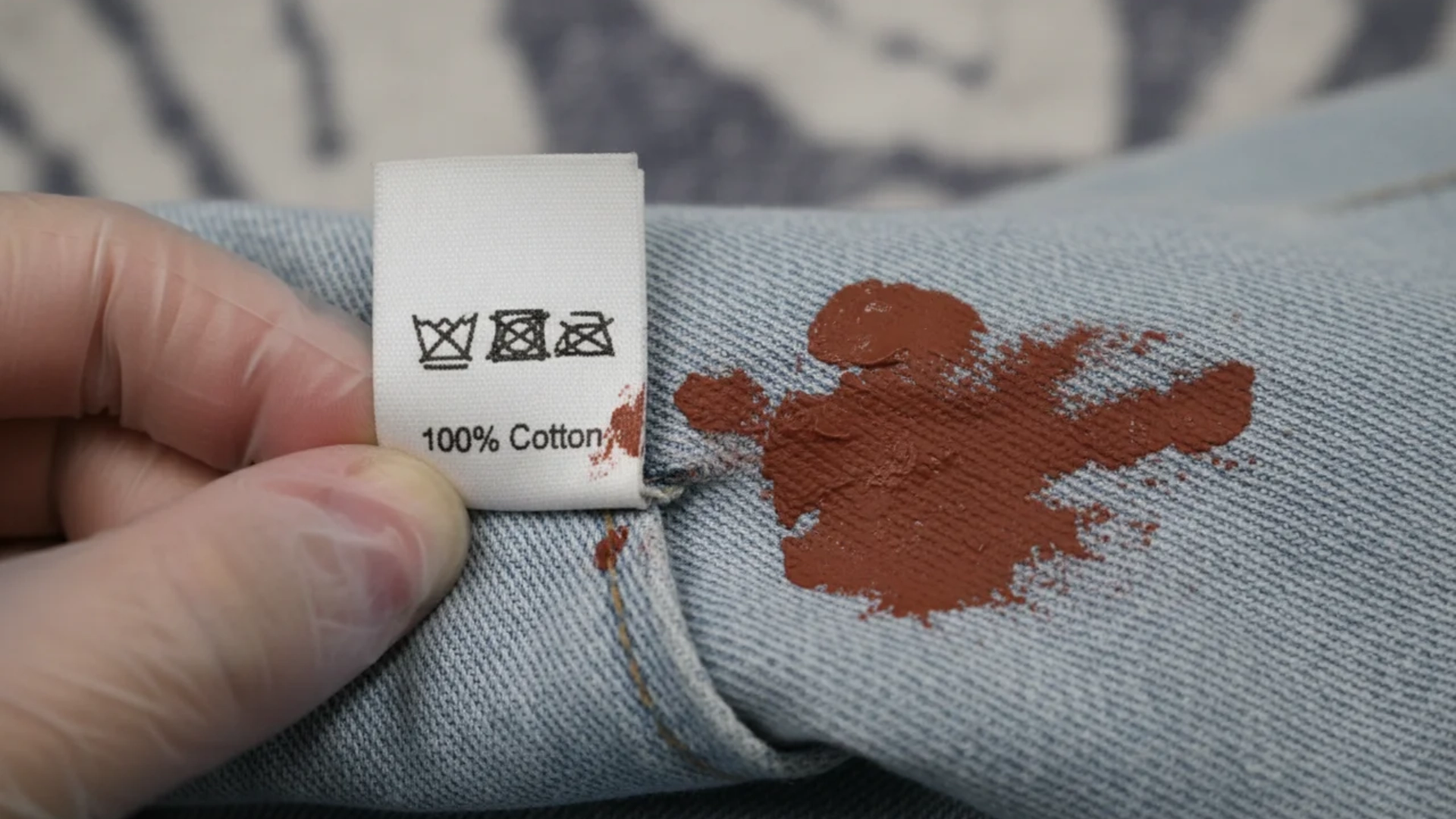
Before you reach for a cleaner, take a moment to inspect the stain properly. I have seen plenty of small marks get worse simply because someone started scrubbing before checking the basics.
- Identify the Paint: Look at the container, the project, or the stain texture to determine whether it is water-based, oil-based, enamel, or spray paint.
- Read the Care Label: Some fabrics cannot tolerate strong solvents, even when the paint itself needs one.
- Spot-Test First: Test alcohol, turpentine, mineral spirits, or another cleaner on a hidden seam before treating the visible area.
- Skip Delicate Fabrics: Avoid soaking acetate, modacrylic, or delicate fabrics like leather and velvet in harsh solvents.
Getting these checks right first can save you from turning one stain into permanent fabric damage.
How to Remove Fresh Paint From Clothes
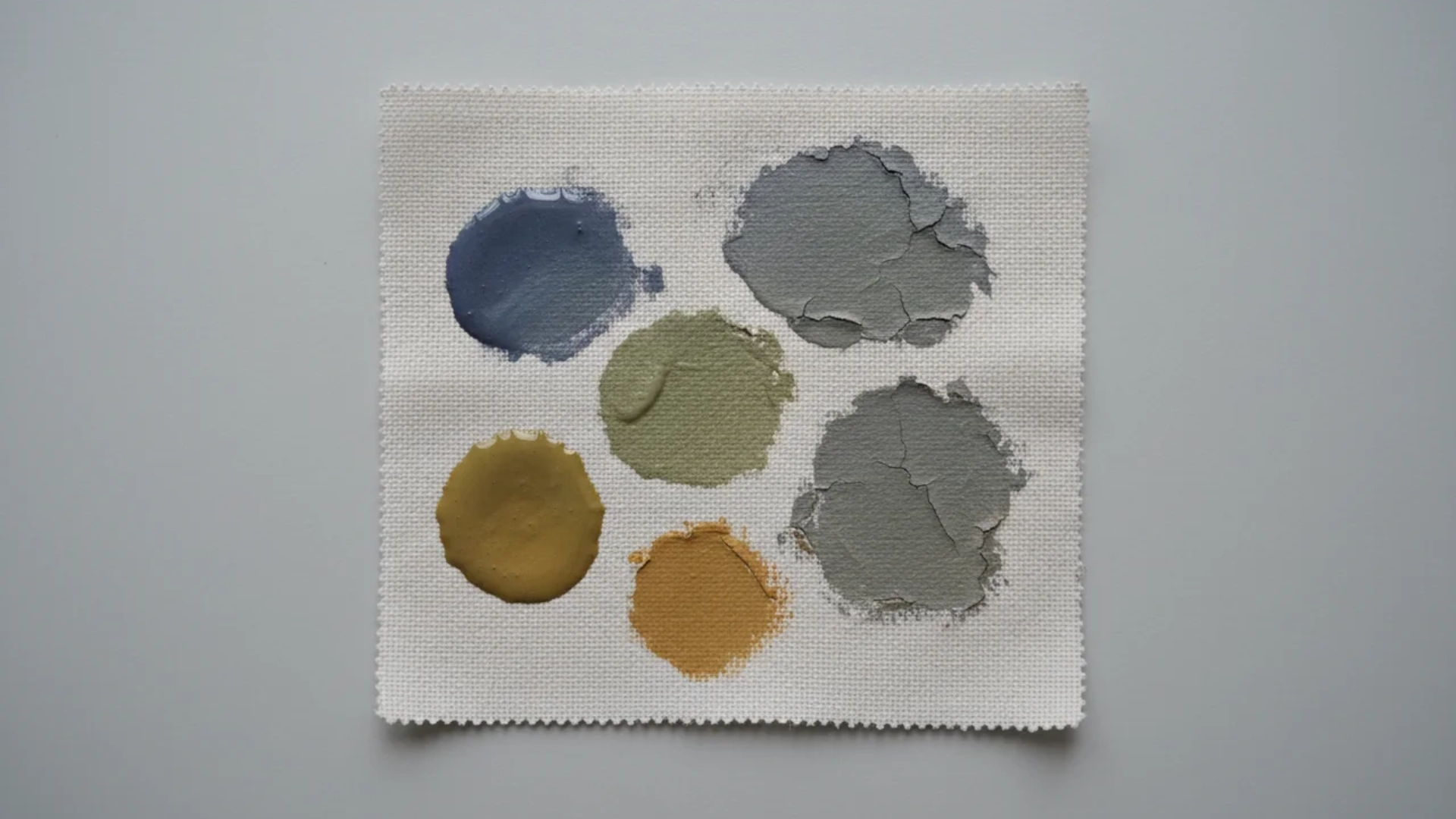
Fresh paint gives you the best chance of saving the fabric, but you need to act fast. Lift off the excess without rubbing, work from the back, and identify whether water or a solvent loosens the binder. The longer the paint sits, the harder the stain becomes.
Fresh Water-Based, Acrylic, or Latex Paint
This is usually the easiest type of paint stain to handle, especially while it is still wet.
- Gently scrape or blot away any paint resting on the surface.
- Hold the fabric under cold water and flush from the back of the stain.
- Keep rinsing until the water begins running clearer.
- Apply liquid laundry detergent or dish soap directly to the stained area.
- Work it in gently, rinse, and repeat the process as needed.
- Do not place the garment in the washing machine until most paint is gone.
- If the color starts spreading, stop rubbing and return to flushing from behind.
Act quickly and keep the pressure gentle, and you will usually have a good chance of lifting the stain without spreading it further.
Fresh Oil-Based or Enamel Paint
Oil-based paint needs more care because plain water will not break it down.
- Blot away excess paint without pushing it deeper into the fibers.
- Place the stain face down on clean, absorbent towels.
- Apply the solvent recommended on the paint container from the back.
- Replace the towels whenever paint begins transferring onto them.
- Rub in dish soap or laundry detergent to remove the oily residue.
- Rinse thoroughly before washing the garment.
- Work in a ventilated area and keep solvents away from flames.
Never place solvent-soaked fabric directly into a washer or dryer, since it may create a serious fire risk.
Take your time with oil-based paint, because careful blotting and proper solvent handling matter more than scrubbing harder.
How to Remove Dried Paint From Clothes
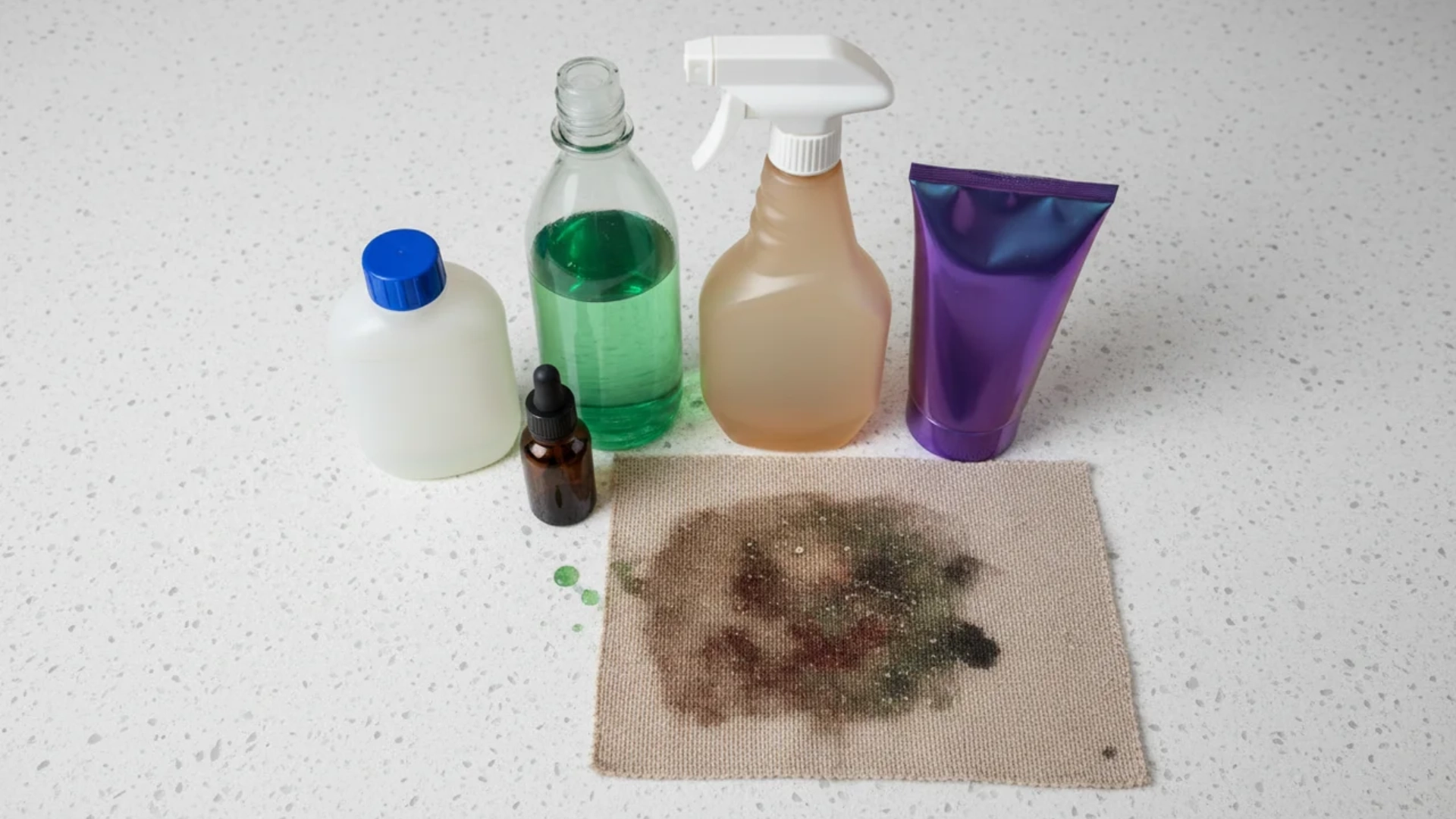
Dried paint needs patience, but it may still come out. Scrape away hardened flakes before adding any cleaner, then treat the stain in short, gentle rounds. The aim is to soften the cured binder without spreading the paint or damaging the fabric through heavy scrubbing.
Dried Acrylic or Latex Paint
Rubbing alcohol usually gives you the best chance with dried acrylic or latex paint. Test it on a hidden area first to make sure the fabric is colorfast.
If the color stays put, soak the stain with isopropyl alcohol or alcohol-based hand sanitizer. Let it sit briefly, then gently lift the softened flakes with a toothbrush or dull edge.
Rinse and repeat before adding detergent and washing normally.
Stop immediately if dye transfers, fibers begin thinning, or the finish changes, since the treatment may be causing more damage than the stain.
Dried Oil-Based Paint
Dried oil-based paint is usually the hardest stain to remove, so patience matters more than force.
Begin by carefully scraping away the brittle surface layer.
Place the stain face down on absorbent material, then apply the recommended thinner or mineral spirits from behind. Keep blotting and replace the material as paint transfers.
Follow with dish soap to break down the oily residue, then rinse thoroughly before washing.
Fully cured oil paint may remain permanently if it has bonded deeply or the fabric cannot tolerate a stronger solvent.
What If the Clothes Have Already Been Washed and Dried?
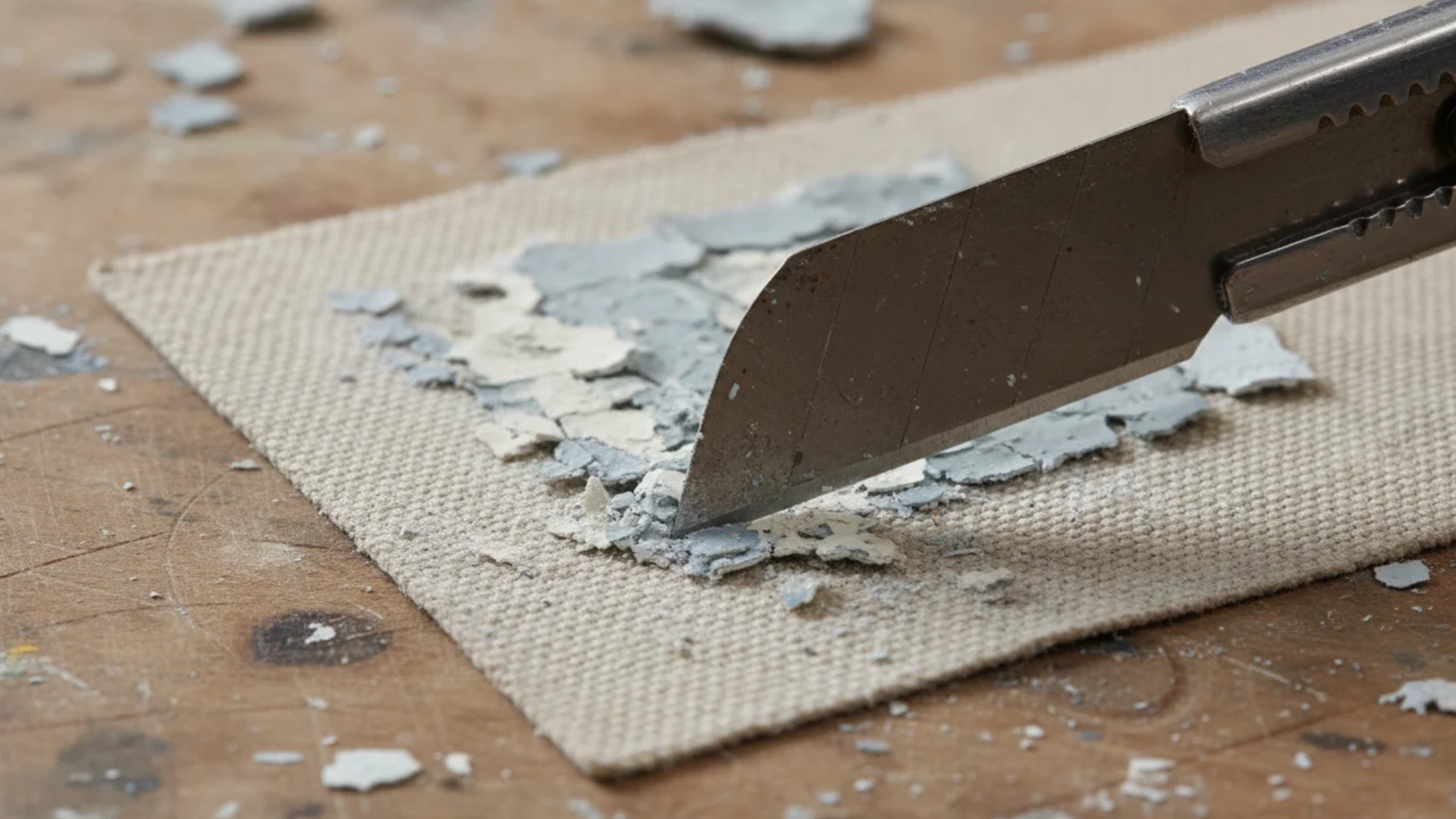
Paint that has already been through the dryer is one of the hardest stains to remove, and I understand why people often give up. Heat hardens the paint binders and can push residue deeper into the fabric, but the garment may still be worth treating.
- Scrape away as much raised or brittle paint as possible.
- Test rubbing alcohol on a hidden spot for water-based paint.
- Use the solvent recommended for oil-based paint stains.
- Apply small amounts and blot gently instead of scrubbing.
- Rinse between treatments and repeat only if paint is transferring.
- Rewash the garment without placing it back in the dryer.
Patience matters, but so does knowing when to stop. If the fabric begins fading, thinning, or weakening, or no paint transfers after several attempts, further treatment may cause permanent damage. Sometimes stopping early is the safest way to save the garment.
Which Paint-Removal Methods Can Damage Clothes?
A few common shortcuts can make paint stains harder to remove, so knowing what to avoid can save the garment.
| Mistake | Why It Causes Problems | What to Do Instead |
|---|---|---|
| Using heat too soon | Dryers and irons can harden leftover paint and solvent residue into the fibers, making the stain much harder to lift later. | Air-dry the garment after treatment and check the stained area carefully before using any heat. |
| Mixing cleaning products | Combining alcohol, acetone, bleach, vinegar, turpentine, or mineral spirits may weaken fabric, discolor it, or release harmful fumes. | Use one suitable cleaner at a time, rinse thoroughly, and never combine products. |
| Treating every stain the same | Hot water, baking soda, vinegar, and nail polish remover only work in certain situations and may damage delicate materials. | Identify the paint and fabric first, then choose a method that matches both. |
Avoiding these mistakes gives you a much better chance of saving the clothing without causing extra damage.
When to Stop Home Treatment
Sometimes, continuing to treat a paint stain can damage the garment more than the stain itself. I would stop immediately if you notice any of these warning signs:
- The fabric color starts fading or transferring onto the cloth.
- The fibers feel thinner, rougher, weaker, or unusually stiff.
- The surface finish changes, especially on coated or textured materials.
- The solvent test leaves behind a pale patch, ring, or visible mark.
Take valuable, delicate, structured, or dry-clean-only clothing to a professional cleaner. Tell them which paint caused the stain and what products you have already tried.
Some stains simply cannot be removed safely. In that case, replacing the item, adding a patch, or covering the mark creatively may be the smarter choice.
How Do You Know the Paint Stain Is Fully Removed?
Do not assume the stain is gone just because the fabric looks clean while it is still wet. Moisture can hide pale paint residue, oily rings, and faint discoloration, so I always recommend checking the garment again after it has fully air-dried.
Look closely for leftover color, stiffness, raised texture, or a lingering solvent smell. Any of these signs mean the stain or cleaning product is still present in the fibers.
Repeat the correct pretreatment before using any heat, then air-dry the garment again. Keep checking until you are completely confident the stain is gone. Once the item enters the dryer, the remaining paint may set permanently, and your safest chance of removing it is usually gone.
Conclusion
Paint stains are frustrating, but they become easier to handle once you understand the situation. The right method, patience, and careful testing can save garments that initially look ruined.
By now, how to remove paint from clothes should feel less like guesswork and more like a process you can follow confidently. Timing, fabric type, and paint formula affect the result, so one solution will never suit every stain.
The question, will paint come out of clothes, does not always have a simple yes or no answer, but you now know how to give the fabric its best chance. Try the method that matches your stain, then share your result or questions in the comments.
Frequently Asked Questions
How do I get dried paint out of clothing?
Scrape off loose paint with a dull edge, then match the cleaner to the paint type. Rubbing alcohol works for many dried acrylic or latex stains, while oil-based paint needs an appropriate solvent. Blot or brush gently, rinse, apply detergent, and repeat before washing and air-drying.
Does paint permanently stain clothes?
Paint can become permanent when it dries deeply into the fibers, cures under dryer heat, or needs a solvent the fabric can’t handle. Fresh water-based paint has the best odds of coming out completely. Dried oil-based paint, spray paint, and stains that already went through a wash-and-dry cycle are usually harder to fully remove.
What liquid removes paint from clothes?
It depends entirely on the paint. Cold water and detergent handle fresh water-based paint well, while rubbing alcohol can soften dried acrylic or latex paint. Oil-based paint usually needs mineral spirits, turpentine, or the thinner listed on the paint container, followed by detergent to clear the leftover residue.
Can baking soda remove paint from clothes?
Baking soda can help loosen minor residue when paired with detergent, but it won’t reliably dissolve every paint binder on its own. It’s unlikely to work on cured oil-based paint and can be too abrasive for delicate fabrics. Identify the paint first, then pick a cleaner built for that specific type.