

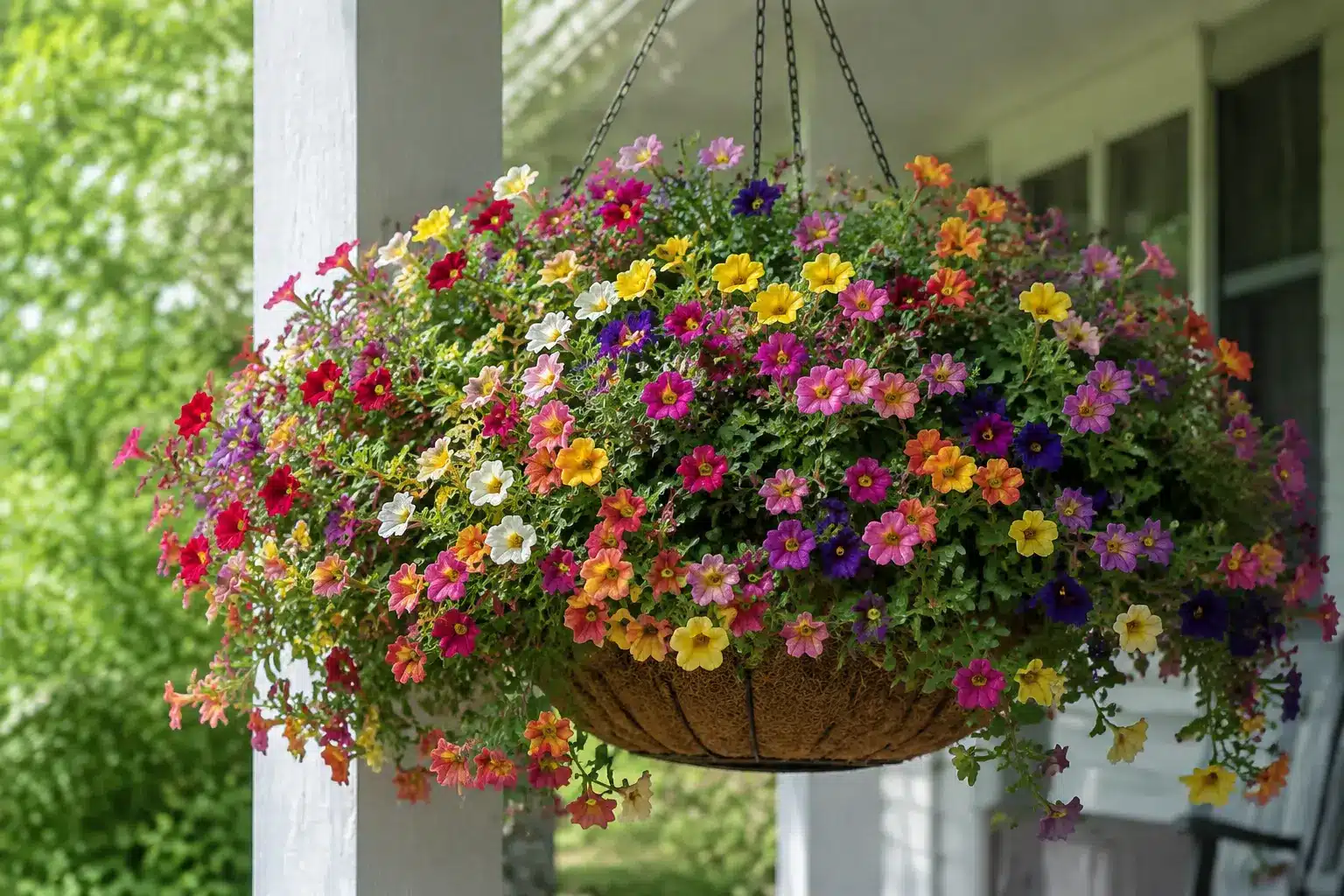
Calibrachoa can look effortless when it is blooming well, but small care mistakes can quickly lead to yellow leaves, weak growth, or fewer flowers.
If you are trying to keep a calibrachoa plant healthy, the hardest part is often figuring out what it needs without overwatering or over-fertilizing.
The good news is that its care becomes much simpler once you understand its light, soil, watering, feeding, and planting needs.
You will also learn how to start it from seed, handle common problems, and know if it will return in your climate. With a few simple checks, you can keep growth fuller and flowers coming longer.
Calibrachoa Plant Basics and Growth Habit
A calibrachoa plant is a compact flowering species native to South America and part of the nightshade family. Its small, bell-shaped flowers give it the common name million bells.
Flower colors include pink, purple, red, orange, yellow, white, and blue, depending on the variety.
Most plants grow about 6 to 12 inches tall, but their flexible stems extend outward rather than remaining upright. This trailing habit allows the flowers to spill naturally over the edges of containers and elevated planters, making it a favorite for container garden arrangements.
Calibrachoa begins flowering during the warmer part of the growing season and can continue producing blooms until cold weather ends active growth.
Its compact height and spreading stems make it particularly useful when gardeners want dense flowers without a tall plant blocking surrounding plants.
How to Grow Calibrachoa Step by Step
You can start Calibrachoa from seeds, young seedlings, or established nursery plants. Each method follows the same basic process: preparing the location and establishing healthy roots.
Step 1: Choose the Growing Location

Select an outdoor location that receives strong morning sunlight with some protection from intense afternoon heat. The location should also provide enough open space for trailing stems to spread naturally as the plant matures.
Step 2: Prepare the Soil or Container
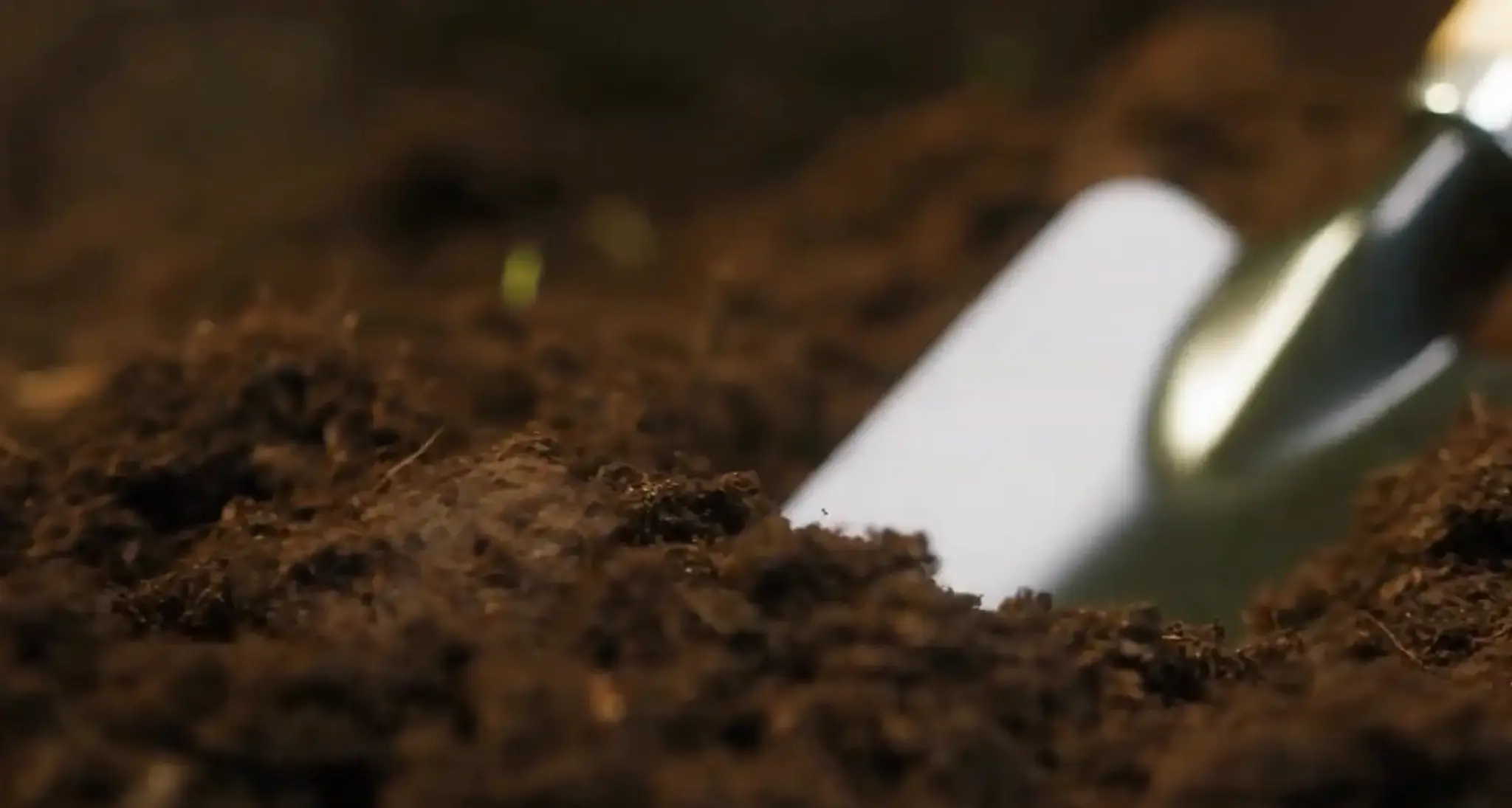
Use loose soil containing organic material. For garden beds, work compost into the upper 8 inches of soil before planting. If you are using a container or hanging basket, choose one at least 8 inches deep and about the same width.
Fill it with a compost-based potting mixture with a pH of roughly 6.0 to 7.0, since differences in growing medium can affect drainage and root health. Containers must also have open drainage holes so extra water can escape.
Step 3: Start Calibrachoa Seeds Indoors
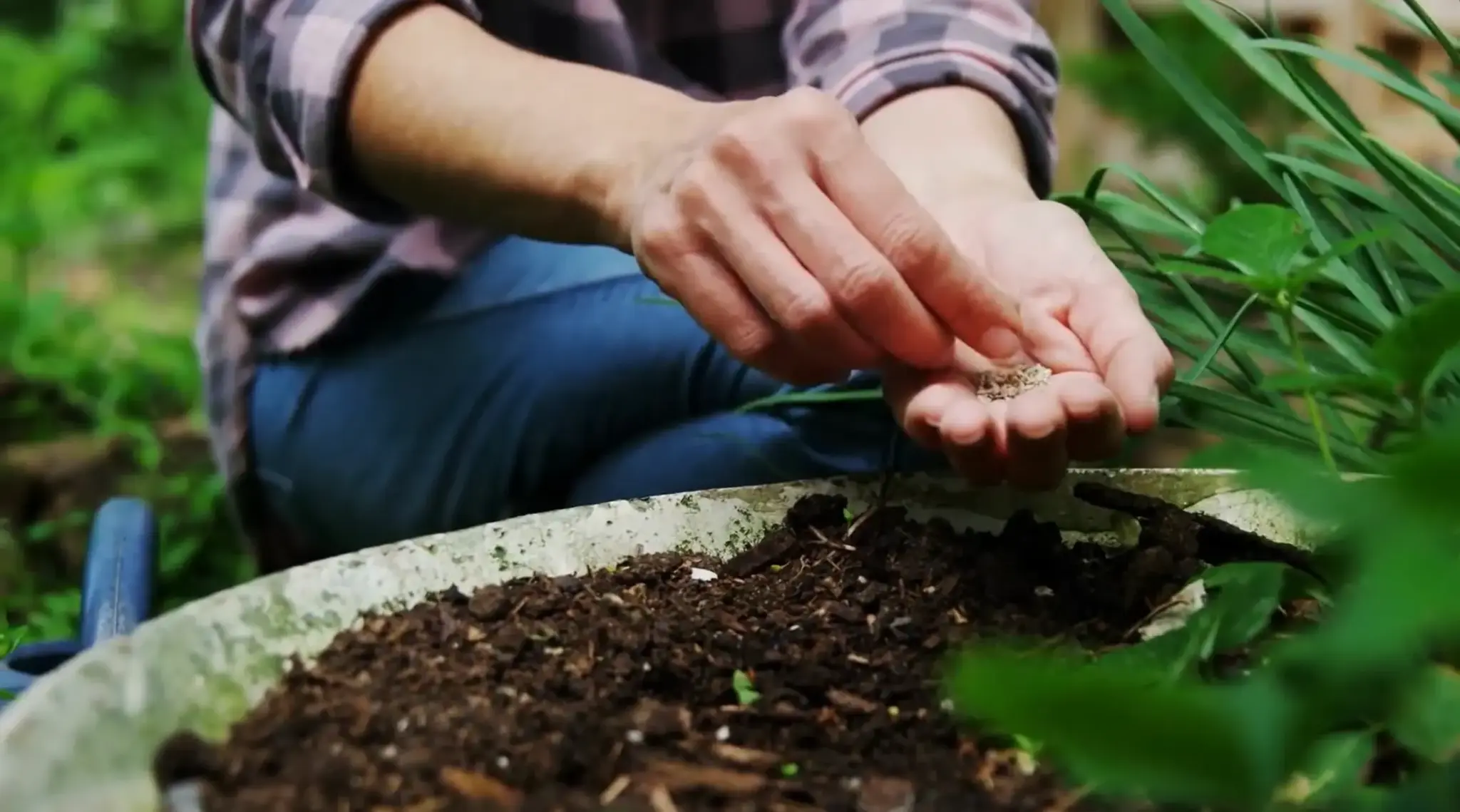
Start seeds indoors about six weeks before the expected final spring frost in your area.
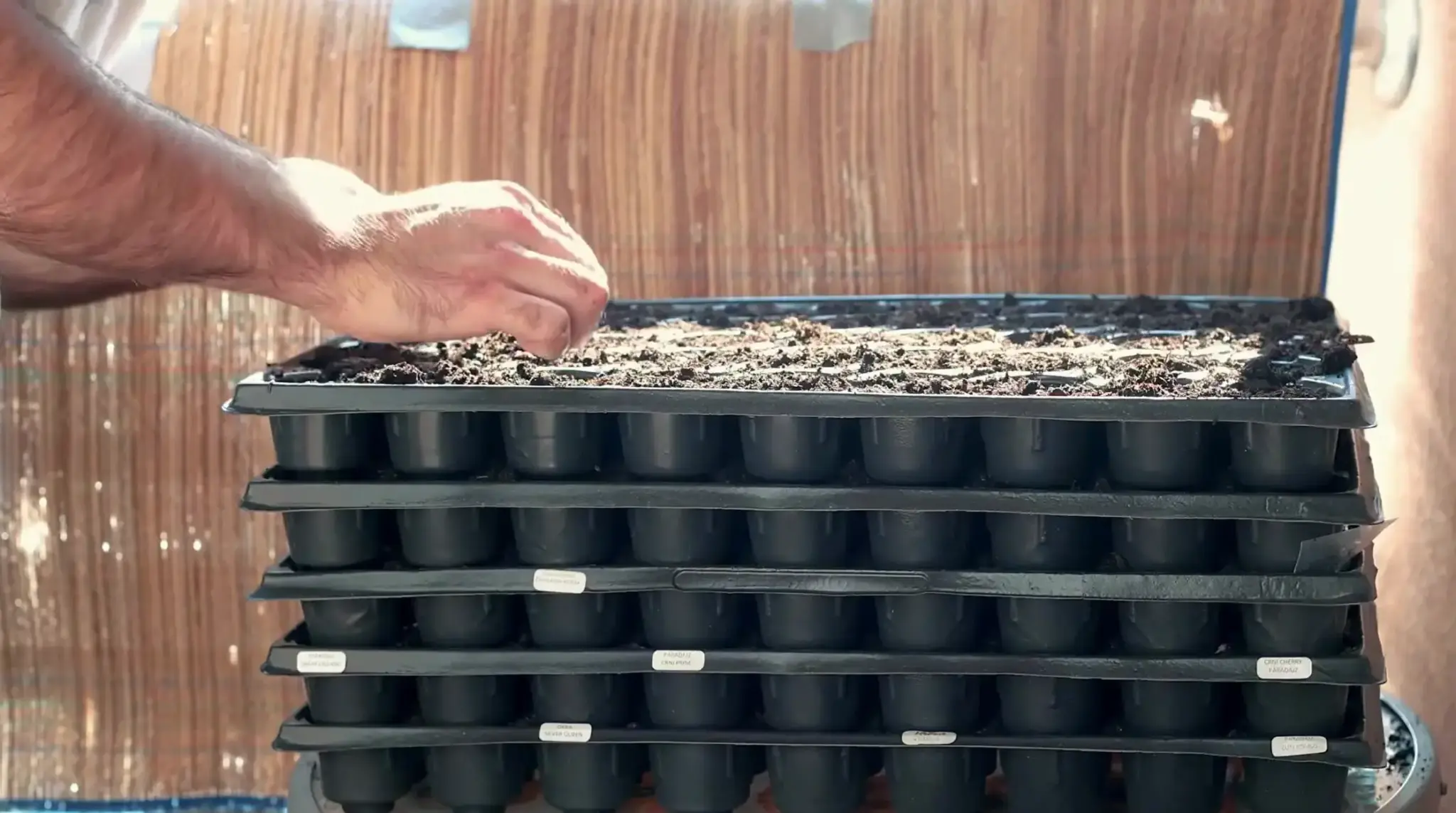
Fill a seed tray or biodegradable pots with a compost-based seed-starting mixture. Scatter the seeds across the surface and gently press them into the growing medium.
Do not bury them deeply because some light helps germination. Mist the surface until evenly moist, then place the tray somewhere warm but out of harsh direct sunlight. Germination may take approximately 10 to 14 days.
Step 4: Care for Young Seedlings
Once green growth appears, move the seedlings into strong light or place them beneath a grow light for approximately 12 to 16 hours each day.
Thin seedlings to around 2 inches apart after the second set of leaves develops. At about four weeks old, begin feeding the young plants with a weak solution of water-soluble fertilizer.
Step 5: Harden Seedlings Outdoors
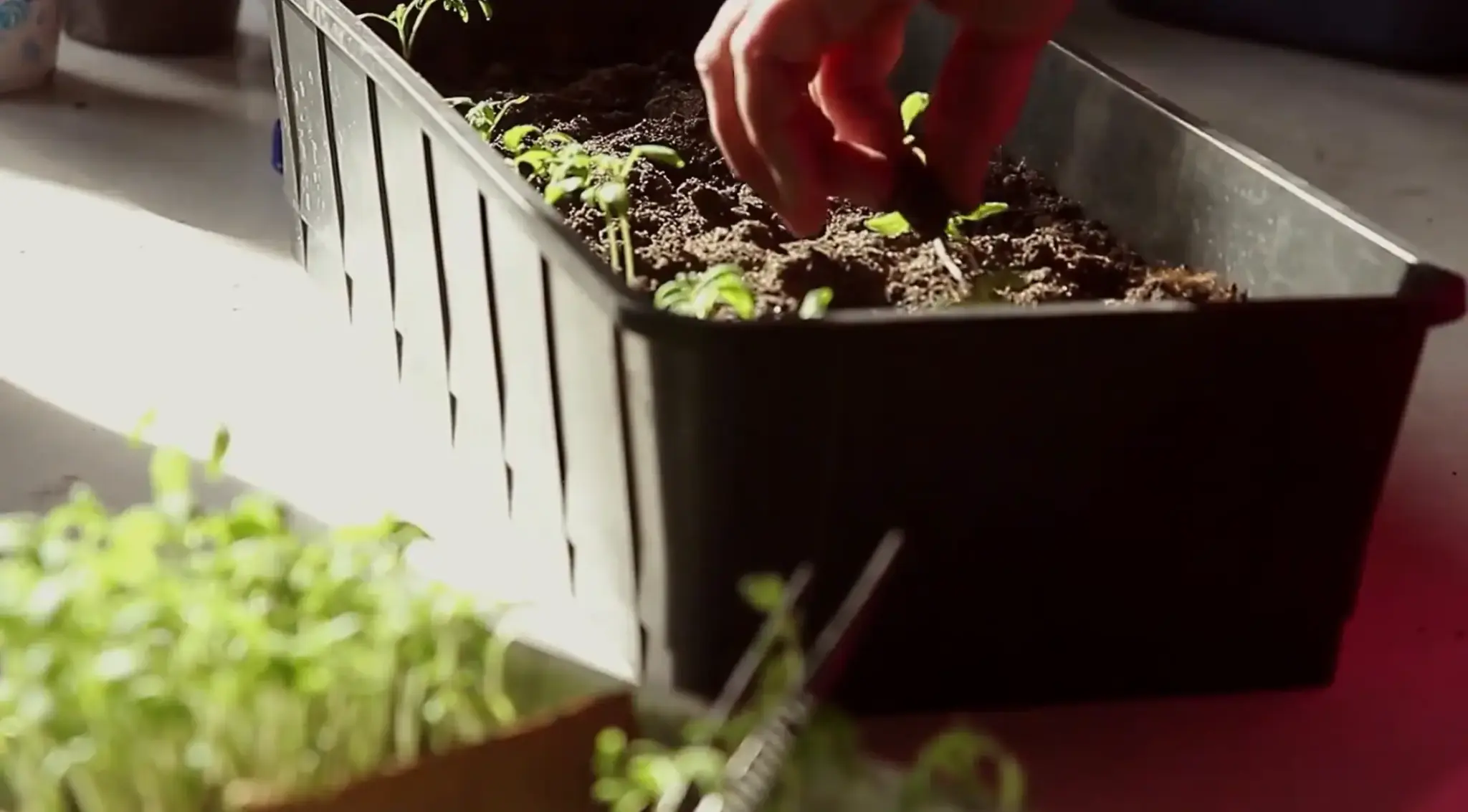
Begin hardening the plants when they reach approximately six weeks old. Place them outdoors in a sheltered area for a short period on the first day.
Keep them away from strong wind and intense direct sunlight initially. Gradually increase their outdoor exposure over about one week. Bring the plants back indoors whenever frost is forecast.
Step 6: Transplant Calibrachoa
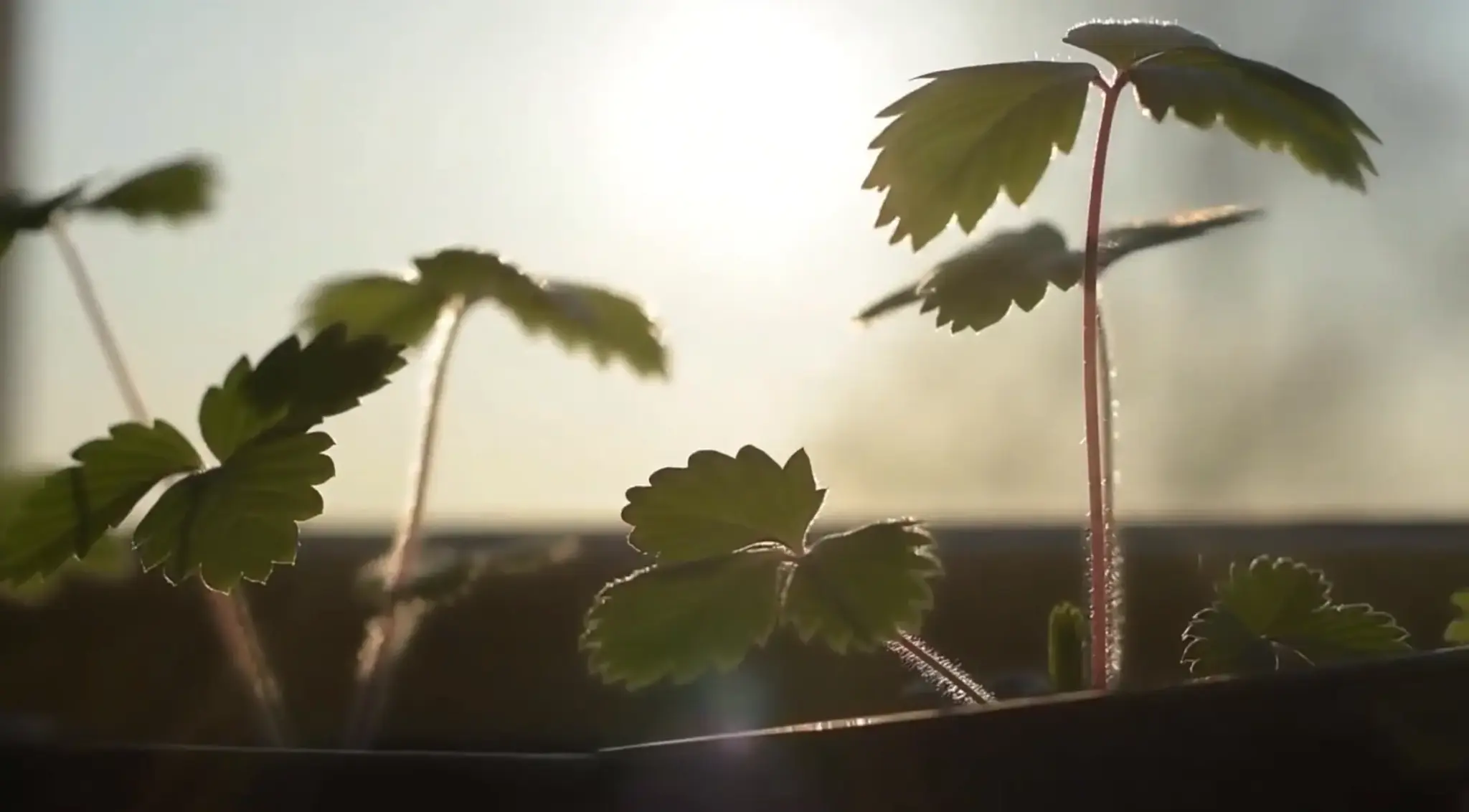
Move seedlings or nursery plants to their permanent outdoor location after the danger of frost has passed. Dig each planting hole wide enough to accommodate the complete root ball, and space plants approximately 6 to 10 inches apart.
Position the root ball level with the surrounding ground rather than burying the crown. Fill the remaining space with soil and press it gently around the roots. Water immediately after planting to settle the soil and remove large air pockets.
Step 7: Mulch Plants Growing in Beds
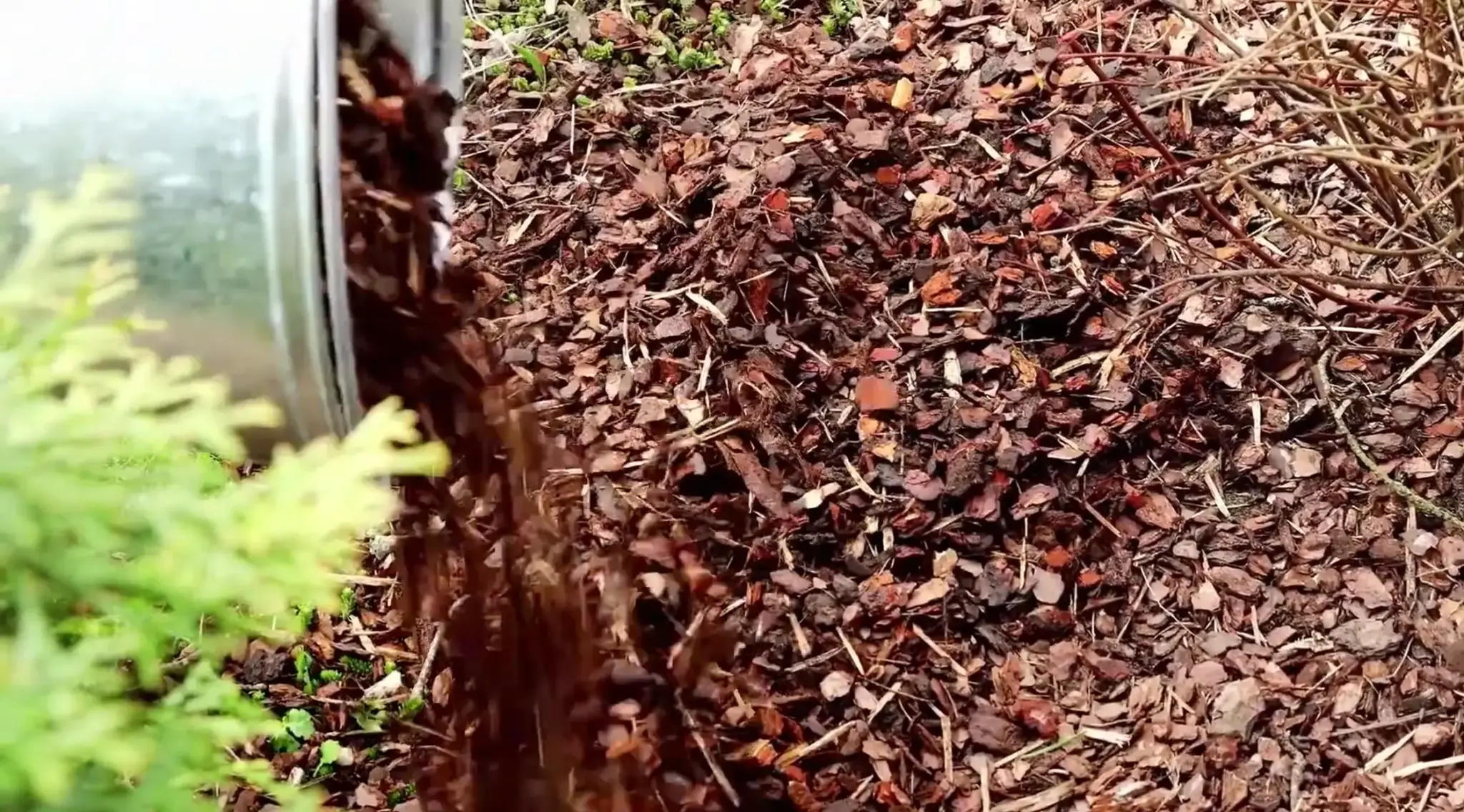
Apply approximately 2 inches of organic mulch around plants growing directly in garden beds.
Leave a small open area around each stem instead of pushing mulch against the base of the plant.
The mulch helps moderate soil temperature, slows moisture loss, suppresses weeds, and gradually contributes organic material as it decomposes.
Here’s the video showing how to grow and care for calibrachoa step by step in a proper way:
How to Care for a Calibrachoa Plant
Once the plant is established, routine care mainly involves monitoring moisture and supplying nutrients during active growth. Instead of following a rigid calendar, check the plant and soil conditions regularly.
| Care Task | When to Do It | What to Do |
|---|---|---|
| Check soil moisture | When the surface begins drying | Push a finger about one inch into the soil and water when that layer feels dry. |
| Water thoroughly | When watering is needed | Apply water until excess moisture begins leaving the drainage holes. |
| Check hanging baskets | During hot or windy conditions | Inspect them more frequently because exposed containers lose moisture faster. |
| Test basket weight | Before watering | Lift the basket and compare its weight with how it feels immediately after watering. |
| Remove standing water | After watering or heavy rain | Empty saucers and make sure drainage openings are not blocked. |
| Add slow-release fertilizer | At planting when needed | Use it only if the chosen potting mixture does not already contain fertilizer. |
| Apply liquid fertilizer | About every two weeks | Follow the product instructions while the plant is actively growing. |
| Moisten very dry soil | Before applying fertilizer | Add a small amount of water first to reduce the risk of fertilizer damage. |
Adding extra fertilizer does not automatically produce more flowers. Follow the recommended amount rather than increasing the dose when growth appears slow, whether you rely on a packaged product or make your own fertilizer at home.
Common Calibrachoa Problems and Simple Fixes
Changes in leaves, stems, and flowers often provide useful clues about what is affecting the plant. Check the complete condition of the plant before treating a single symptom.
- Long or bare stems: Cut stretched stems back by about one-third just above healthy leaves. Pinching young growing tips can also encourage additional branching.
- Yellow new leaves with green veins: High soil pH may be limiting the plant’s ability to absorb iron. Test the growing mixture before adding extra nutrients.
- Yellow lower leaves with wet soil: Excess moisture may be affecting root health. Let the top layer of soil dry and check the container openings for blockages.
- Wilting despite wet soil: Damaged or rotting roots may no longer function properly. Remove soft or dark root sections and repot the plant in fresh growing medium.
- Healthy leaves but few flowers: Insufficient sunlight or excessive nitrogen may encourage leafy growth instead of blooms. Review the plant’s exposure and fertilizer label before changing the routine.
- Sticky or curled leaves: Aphids or other sap-feeding insects may be present. Inspect beneath the leaves and rinse visible pests away with a stream of water.
Treat one likely cause at a time. Making several changes at once makes it hard to tell which adjustment actually solved the problem.
Is Calibrachoa an Annual or Perennial?
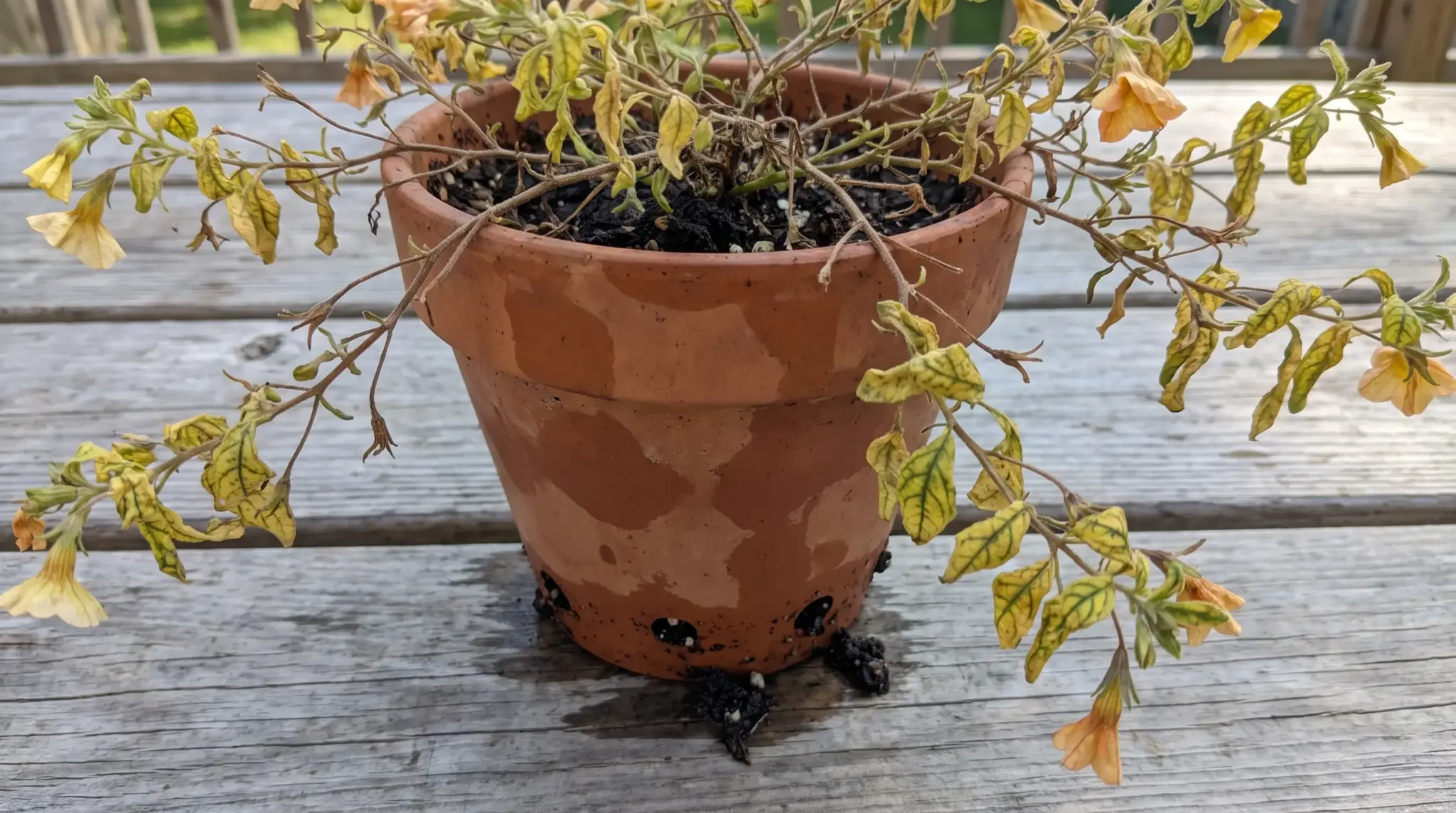
How long calibrachoa survives depends largely on the local winter climate.
Across most of the United States, gardeners treat it as an annual because freezing temperatures kill the plant at the end of the growing season. Gardeners then start or purchase a new plant the following spring.
Conditions are different in USDA Zones 9 through 11. Calibrachoa may survive there as a short-lived perennial when winter temperatures remain mild, and the plant is protected from hard freezes.
This distinction matters when deciding what to do with the plant at the end of fall. Gardeners in cold climates normally do not expect outdoor plants to return, while those in warmer regions may be able to keep established plants for another growing period.
Conclusion
Calibrachoa is easier to manage when you focus on a few basics instead of changing the routine too often. I recommend starting with strong light, loose soil, proper drainage, and steady feeding during active growth.
You should also check moisture before watering and watch the leaves, stems, and flowers for early signs of trouble. A calibrachoa plant can stay full and colorful for months when you meet these needs consistently.
Knowing how to plant it, care for it, and respond to common problems helps you avoid many preventable issues. Use these tips with your own plant, adjust them to your local conditions, and share which care method works best for you.
Frequently Asked Questions
Does Calibrachoa Need Deadheading?
Most newer calibrachoa varieties are self-cleaning, which means faded flowers usually fall away without being removed by hand. Regular deadheading is therefore generally unnecessary, although damaged or untidy growth can still be removed when needed.
Are Calibrachoa and Petunias the Same Plant?
No. Calibrachoa and petunias are related plants, but they are not the same species. Calibrachoa generally produces smaller flowers, narrower leaves, and a naturally trailing growth habit that distinguishes it from traditional petunias.