

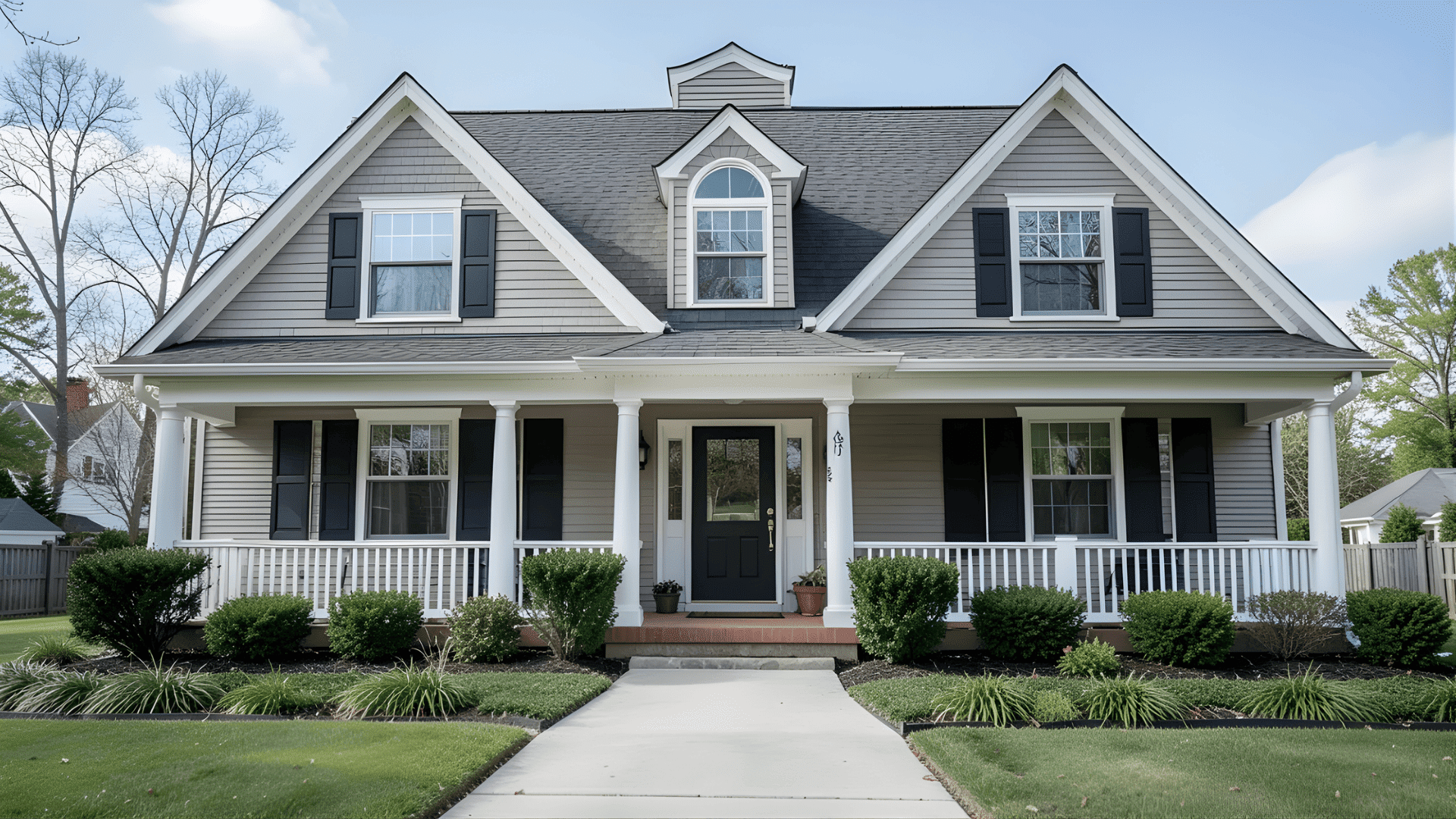
I remember standing in a store, trying to choose between two options that looked similar but felt very different. If you’re stuck on Fiber-Cement Sliding vs Vinyl, I get it.
It’s not just about looks. You want something strong, easy to care for, and worth the money you spend.
In this article, I will share how these two siding options compare across durability, cost, and maintenance.
You will learn how each option performs, how long it lasts, how much work it needs, and what you can expect over time.
By the end, you’ll know which one fits your home, your budget, and your daily use without second-guessing it later.
What Is Fiber Cement Siding?
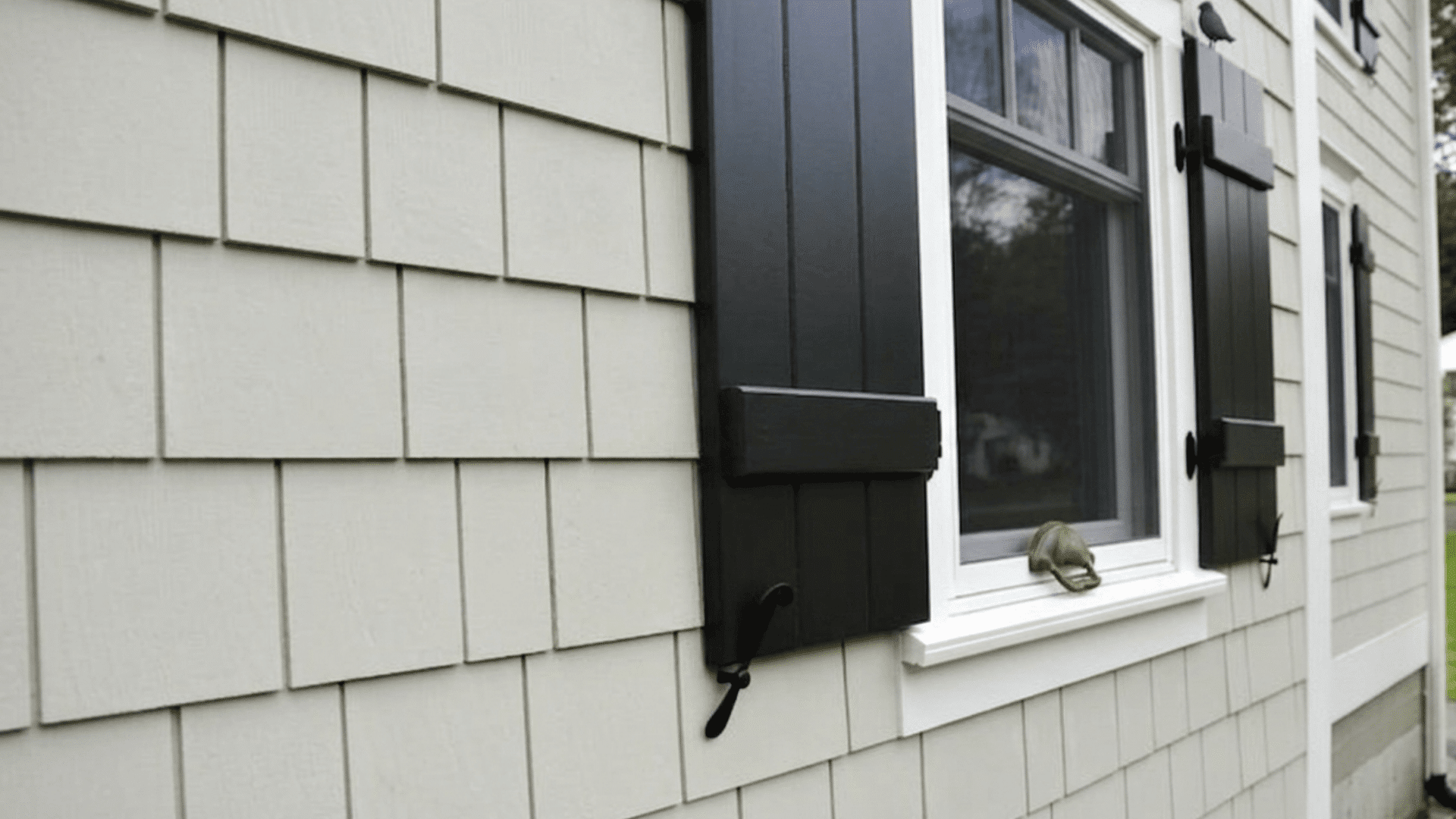
Fiber cement siding is made from cement, sand, and fibers, giving it a dense, stable structure.
It is widely used for home exteriors because it keeps its shape well and does not bend easily over time.
This material stays firm across changing temperatures, helping prevent cracks and gaps. It also provides a neat and clean finish that suits both modern and classic home styles.
Due to its weight and strength, it feels more solid compared to lighter siding options.
Key Features:
- Available in planks, panels, and shingles
- Supports paint well and holds color longer
- Performs well in humid and coastal areas
- Adds better sound insulation than vinyl
- Often increases home resale value
| Pros | Cons |
|---|---|
| Very strong and long-lasting | Higher upfront cost |
| Fire-resistant material | Heavy and hard to install |
| Handles harsh weather well | Needs repainting over time |
| Resists pests like termites | Installation takes more time |
| Holds shape without warping | Can crack if not handled well |
| Offers a natural wood-like look | Requires professional installation |
What Is Vinyl Siding?
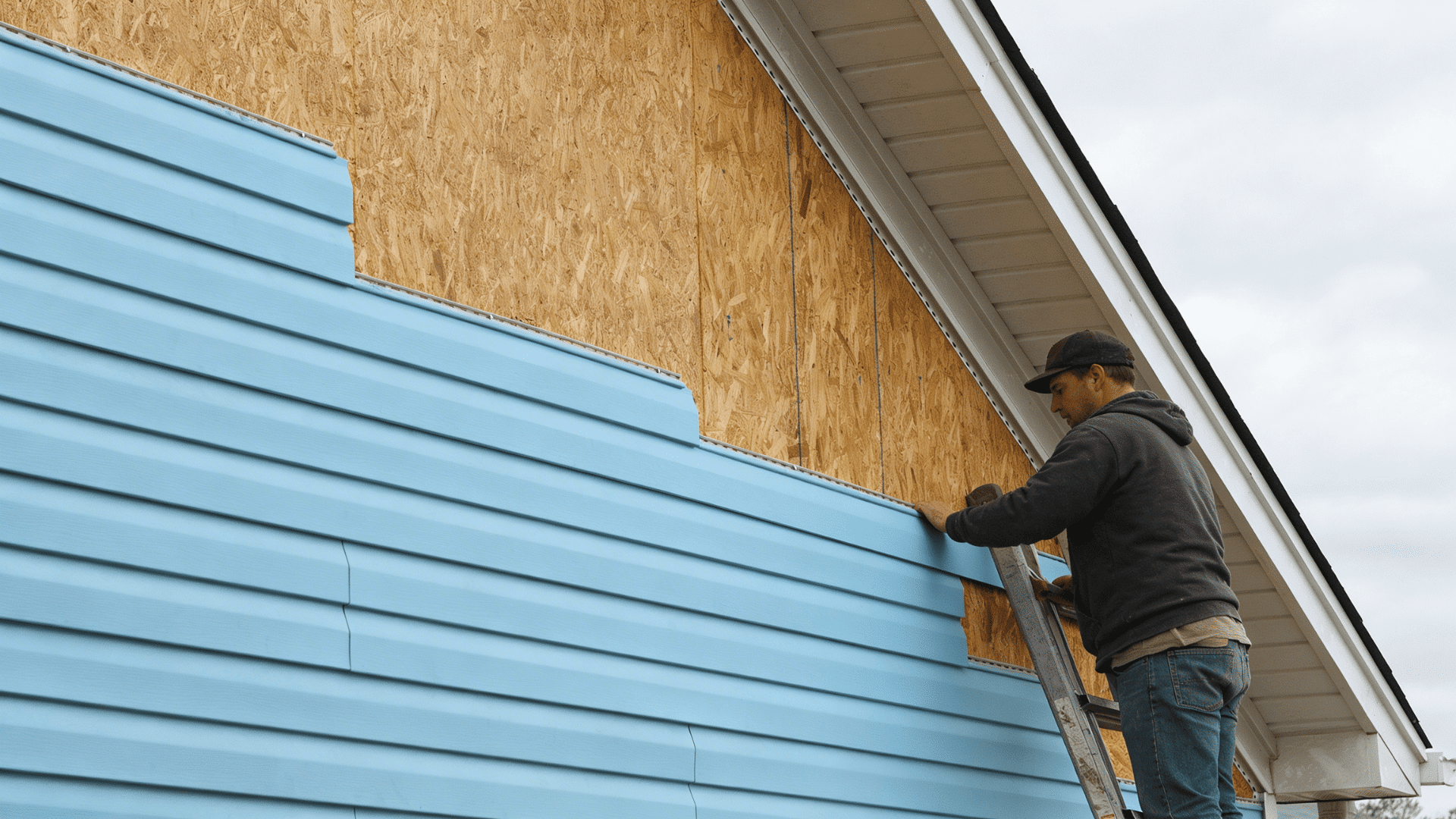
Vinyl siding is a plastic-based exterior material made from PVC.
It is used to cover and protect homes while providing a clean, simple look. This siding is lightweight, making it easier and faster to install than heavier options.
It also does not need painting, as the color is built into the material.
Vinyl siding is a good option for homeowners who want a budget-friendly option that requires less regular upkeep and still looks neat over time.
Key Features:
- Low upfront cost compared to other siding
- Comes in many colors and textures
- Easy and quick to install
- Does not require repainting
- Resistant to moisture and rust
| Pros | Cons |
|---|---|
| Lower upfront cost | Can crack or break on impact |
| Very low maintenance | May warp in high heat |
| No need for painting | Not fire-resistant |
| Lightweight and easy to install | Less natural-looking finish |
| Available in many colors | Shorter lifespan than fiber cement |
| Resistant to moisture and rust | Can fade over time |
Fiber Cement Sliding vs Vinyl Sliding: Key Differences
Fiber cement and vinyl siding differ in build, performance, and long-term value. A clear side-by-side view helps highlight which option fits specific needs.
1. Material
Fiber cement siding is made from a mix of cement, sand, and natural fibers, giving it a dense, solid structure. This makes it feel more like a traditional building material.
On the other hand, vinyl siding is made from PVC plastic, which is lighter and more flexible. The material difference affects how each siding performs over time.
Fiber cement feels stronger and more stable, while vinyl is easier to handle and install.
If you want a more durable, heavier material, fiber cement stands out. If you prefer something light and simple, vinyl is the easier option.
2. Weight
Fiber cement siding is much heavier compared to vinyl, which makes it feel strong and durable once installed. However, this weight also makes it harder to carry and install, often requiring more than one person.
Vinyl siding is lightweight, so it is easier to transport, lift, and install without much effort. This makes vinyl a better choice for quicker projects or DIY work.
The weight difference also affects labor costs, as heavier materials need more time and effort.
In simple terms, fiber cement offers a solid feel, while vinyl makes the process faster and easier.
3. Strength
Fiber cement siding is known for its high strength and impact resistance. It does not crack easily and can withstand weathering or minor impacts. This makes it a strong option for long-term use.
Vinyl siding, on the other hand, has moderate strength and can crack or break if hit hard, especially in cold weather.
While vinyl is flexible, it is not as tough as fiber cement. If durability and resistance to damage are important, fiber cement performs better.
Vinyl still works well for general use, but may need repairs sooner in certain conditions.
4. Lifespan
Fiber cement siding usually lasts 30 to 50 years or longer with proper care. Its strong structure helps it stay in good condition for decades.
Vinyl siding typically lasts around 20 to 30 years, though high-quality options may last a bit longer. Over time, vinyl may fade, crack, or warp, which can reduce its lifespan.
Fiber cement holds up better against weather and wear, making it a long-term choice.
If you are planning for the future and want something that lasts longer, fiber cement is the better option, while vinyl works for shorter-term needs.
5. Maintenance
Fiber cement siding needs regular care, especially repainting every few years to keep its surface looking fresh. It may also need to be sealed to protect against moisture.
Vinyl siding is much easier to maintain since it does not need painting.
The color is built into the material, so it stays consistent over time. Cleaning vinyl usually involves simple washing with water and soap.
Fiber cement requires a bit more effort to maintain its appearance, while vinyl offers a low-maintenance option.
If you want less work over time, vinyl is easier to maintain, but fiber cement requires more care.
6. Fire Resistance
Fiber cement siding is fire-resistant and does not burn easily, making it a safer option in areas with fire risk. It can handle high heat without melting or releasing harmful fumes.
Vinyl siding is made from plastic, so it can melt or warp when exposed to strong heat.
While it does not catch fire quickly, it can still be damaged in high temperatures. This makes fiber cement a better choice for safety and protection.
If fire resistance is a key concern, fiber cement stands out clearly, while vinyl may not offer the same level of protection.
7. Weather Resistance
Fiber cement siding performs well in extreme weather conditions, including heavy rain, strong winds, and high heat. It keeps its shape and does not easily warp or bend.
Vinyl siding also resists moisture well, but may warp or expand in very hot temperatures.
Over time, this can affect its appearance and fit. Fiber cement is more stable across different climates, making it suitable for harsh environments.
Vinyl works well in moderate conditions but may struggle in extreme heat.
8. Moisture Resistance
Fiber-cement siding resists moisture but requires proper sealing to prevent water from entering through joints or edges. If well-maintained, it performs well in humid conditions.
Vinyl siding is naturally moisture-resistant since it is made from plastic and does not absorb water.
This makes it a good choice for areas with high humidity or rain. However, poor installation can trap moisture behind vinyl panels.
Fiber cement requires maintenance, while vinyl handles moisture more easily.
If you want a low-maintenance option for wet conditions, vinyl is more convenient, but fiber cement still performs well with care.
9. Appearance
Fiber cement siding offers a more natural look and can closely match materials like wood, brick, or stone. Its thicker build gives it a more solid and premium appearance.
Vinyl siding provides a clean, neat finish but may look less natural in comparison.
It often shows seams and has a smoother surface. Many homeowners prefer fiber cement for its realistic texture and deeper lines.
Vinyl is still a good option for simple designs and comes in many styles. If appearance is a top priority, fiber cement usually looks more refined than vinyl.
10. Color
Fiber cement siding is painted, which means you can change its color whenever needed. This gives more flexibility over time if you want to update your home’s look.
Vinyl siding comes in a variety of colors, so it does not need painting.
However, changing its color later is not easy. Over time, vinyl may fade slightly due to sun exposure. Fiber cement allows more control over color changes, while vinyl offers convenience without repainting.
If you like the option to refresh colors in the future, fiber cement is better, but vinyl is simpler for long-term ease.
11. Installation
Fiber cement siding installation is more complex and requires skilled labor. Its heavy weight and need for special tools make it difficult for beginners. The process also takes longer than for other materials.
Vinyl siding is much easier to install and can even be handled by DIY homeowners.
Its lightweight design and simple panel system allow quick setup. This reduces labor costs and project time.
If you want a fast and easy installation, vinyl is the better choice. Fiber cement, while stronger, needs professional work for proper results.
12. Flexibility
Fiber cement siding is rigid and does not bend easily, which helps it maintain its shape over time. However, this also means it can crack if handled roughly.
Vinyl siding is more flexible and can adjust to small movements in the structure.
This flexibility helps prevent cracks but may also make it less stable under pressure. Fiber cement offers strength and stability, while vinyl provides adaptability.
If your home shifts slightly, vinyl handles it better. Fiber cement needs a stable structure.
Actual Costing for Fiber Cement and Vinyl Sliding
Fiber cement siding costs more due to its dense material and labor-intensive installation. On average, it ranges from $5 to $14 per sq. ft. installed.
For a typical home, total costs can fall between $22,000 and $44,000, depending on size, design, and labor rates.
Extra costs may also come from painting, trim work, and skilled labor, which add to the overall budget.
Vinyl siding is more affordable and easier to install. It usually costs around $3 to $12 per sq. ft. installed, with total project costs between $10,000 and $24,000 for most homes.
Since it is lightweight, labor costs stay lower. It also does not need painting, which helps save money over time.
However, repairs or replacements may be needed sooner compared to fiber cement.
Fiber Cement Siding vs Vinyl: Key Differences
This quick table makes it easier to see how both options compare side by side. Use it to understand what fits your needs without overthinking small details.
| Feature | Fiber Cement Siding | Vinyl Siding |
|---|---|---|
| Material | Cement, sand, fibers | PVC (plastic) |
| Strength | Very strong, impact-resistant | Moderate, can crack |
| Lifespan | 30–50 years | 20–30 years |
| Cost | Higher upfront | Lower upfront |
| Maintenance | Needs repainting | No painting needed |
| Fire Resistance | Fire-resistant | Can melt or burn |
| Weather Resistance | Handles extreme weather well | May warp in high heat |
| Moisture Resistance | Good, but needs sealing | Fully moisture-resistant |
| Installation | Complex, labor-intensive | Easy and quick |
| Flexibility | Rigid | Flexible |
| Insulation | Better sound blocking | Lower sound insulation |
| Resale Value | Can increase home value | Neutral impact |
Which Siding Looks Better?
When I compare siding options, looks matter, but so does how they age over time.
Fiber cement gives a more solid and wood-like finish, which many people prefer for a clean and sharp look. It also holds paint well, so colors stay rich longer.
Vinyl siding looks simpler and works fine for basic home styles, but it can look less detailed up close.
Over time, strong sun may cause fading or slight warping. Fiber cement offers a more natural finish, while vinyl is more about ease and low cost.
I think your choice depends on what you value more.
If you want a stronger visual feel, fiber cement stands out. If you want something quick and easy, vinyl still does the job well.
Maintenance and Upkeep: Fiber Cement and Vinyl Sliding
Maintenance needs differ between fiber cement and vinyl siding, especially in terms of effort and long-term care. Knowing the right steps for each helps keep them in good condition for years.
- Fiber Cement: Needs repainting every few years to keep its look and protect the surface. It resists rot and pests but requires sealing and cleaning to avoid cracks or moisture issues.
- Vinyl: Only needs simple washing with water and mild soap to remove dirt. It does not need paint, but colors may fade over time with sun exposure.
- Fiber Cement: Repairs can take more time and may need a professional. Small cracks or chips should be fixed early to prevent bigger damage.
- Vinyl: Damaged panels are easy to replace without much effort. Matching older colors can sometimes be difficult.
How Does Humidity Affect Fiber Cement and Vinyl?
Humidity plays a big role when choosing between fiber cement and vinyl siding, especially in areas with high moisture or coastal weather.
Both materials handle moisture differently, which affects long-term performance.
Fiber cement performs well in humid conditions because it does not warp or swell easily. It resists rot and pests, but it still needs proper sealing and painting to keep moisture out.
If not maintained, water can slowly affect joints or edges over time.
Vinyl siding naturally resists moisture since it is made from plastic. It does not absorb water, which makes it a strong option for humid climates.
However, trapped moisture behind panels can lead to mold if installation is not done correctly.
In humid areas, both options work well, but proper installation and maintenance matter more than the material itself.
What Is the Reddit User’s Opinion on Fiber Cement vs. Vinyl Sliding?
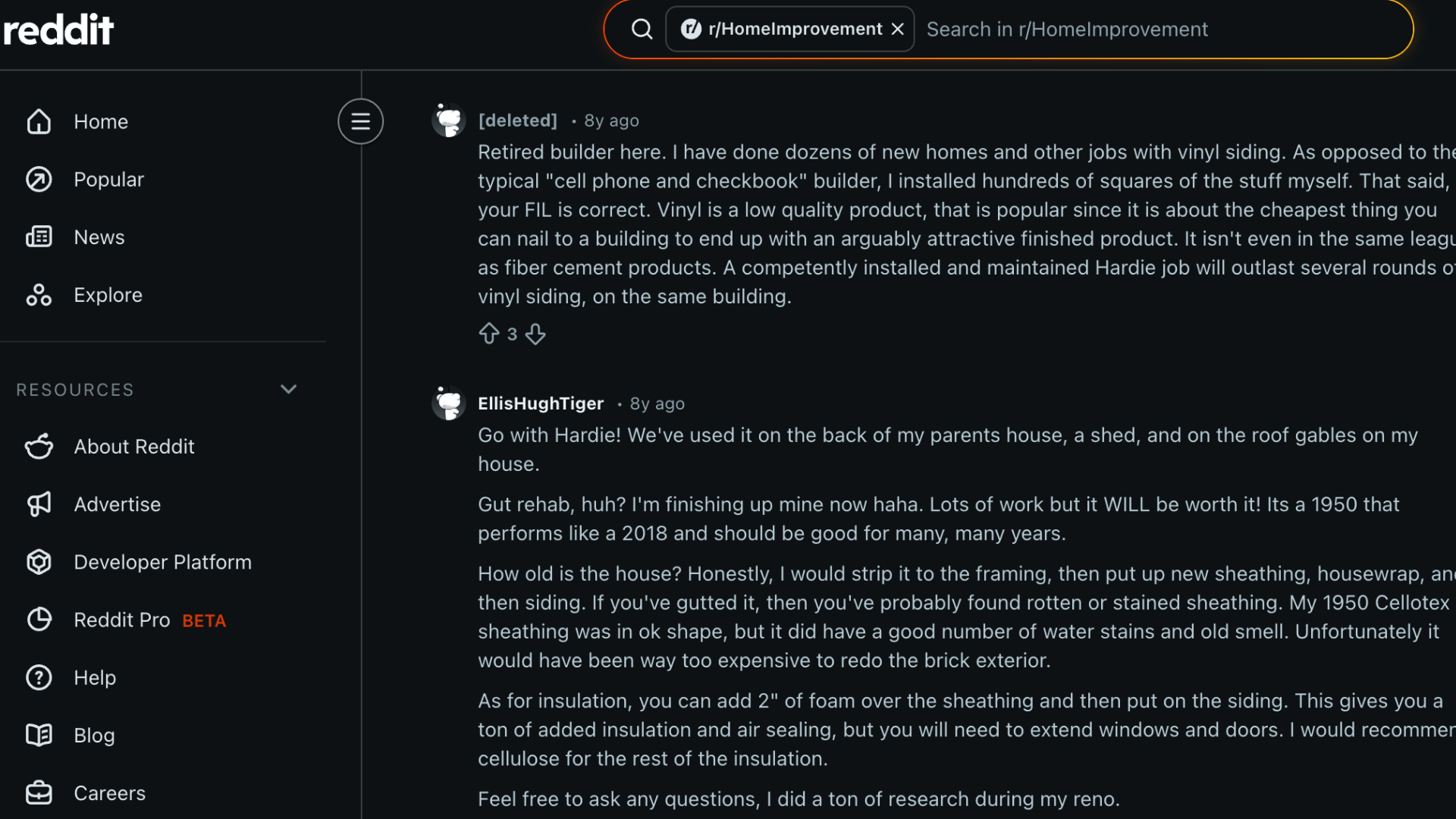
Many Reddit users strongly favor fiber cement for long-term value. One user said, “Hardiplank is far superior to vinyl,” especially for durability and resale.
Another shared that vinyl “works for the first 10 years… then goes downhill,” pointing to fading and wear over time.
Some builders also noted that fiber cement can outlast “several rounds of vinyl siding” on the same home when installed properly.
However, not everyone fully agrees. Some users mentioned that fiber cement is harder to install and needs proper painting and sealing to avoid moisture issues.
Others said vinyl is still a practical choice because it is cheaper, easier to install, and needs less upkeep.
One forum user explained that vinyl “doesn’t really deteriorate and you don’t have to paint it,” making it easier for basic use.
Overall takeaway: Most experienced users lean toward fiber cement for long-term homes, while vinyl is chosen for short-term savings and easier upkeep.
Which Siding Is Better for Resale?
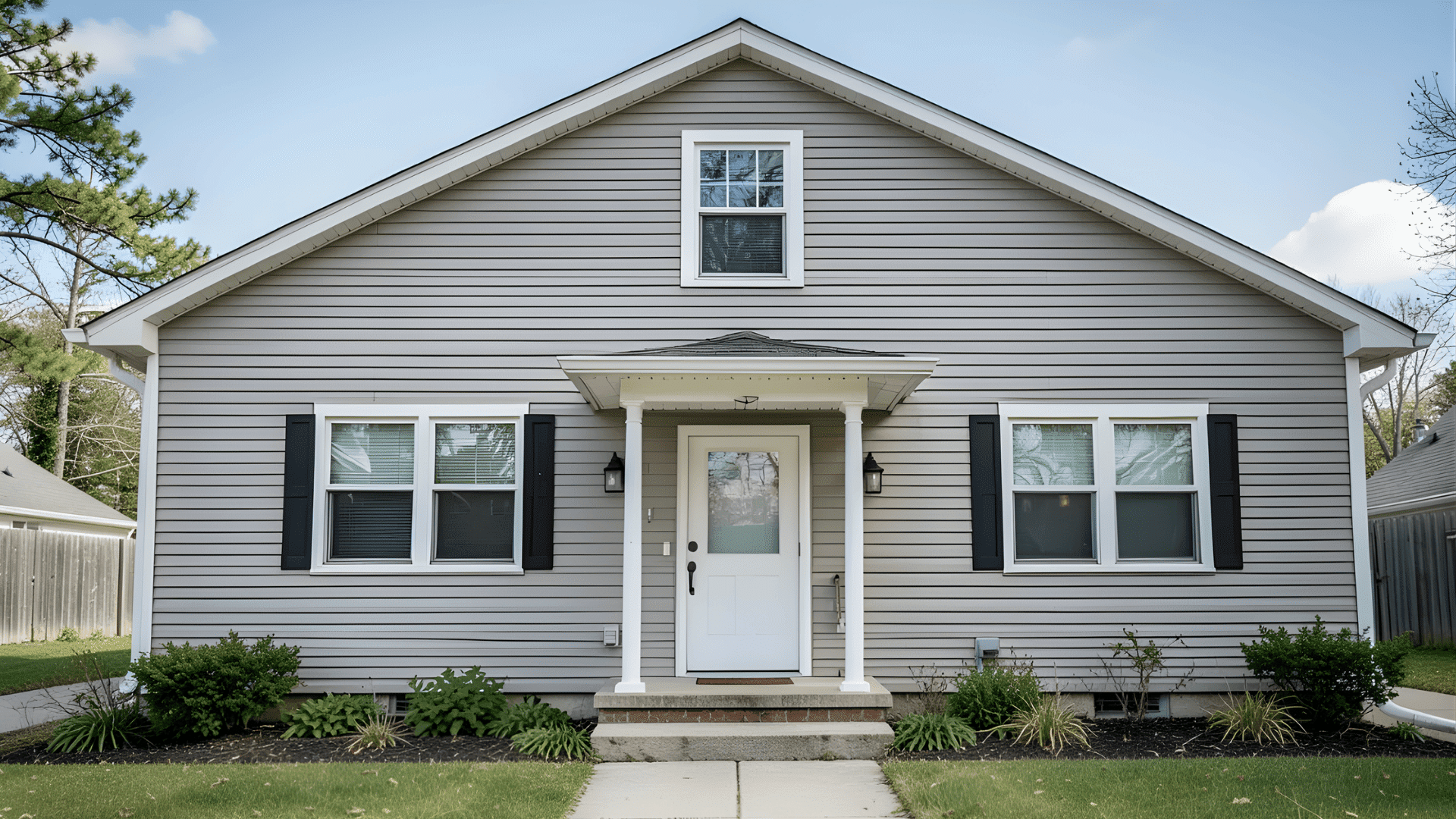
When it comes to resale value, many homeowners and buyers tend to favor fiber-cement siding. In real discussions, people often say it “feels like a higher-quality upgrade” compared to vinyl.
Buyers usually notice the solid look and longer lifespan, which can make a home more appealing during resale.
It gives the impression that less work will be needed in the future, which adds confidence for potential buyers.
That said, vinyl siding still holds its place in the market. Some buyers like it because it looks clean and requires little upkeep.
In budget-focused markets, vinyl can still attract interest since it keeps overall home costs lower.
In the end, fiber cement often helps boost value slightly more, while vinyl keeps things simple and affordable for a wider range of buyers.
Fiber Cement vs Vinyl: Which One Should You Choose?
Choosing between fiber cement and vinyl siding often comes down to real-life priorities, not just specs.
Many homeowners say the decision becomes clearer once they think about how long they plan to stay and how much effort they want to put into upkeep.
People staying long term often choose fiber cement because it feels stronger, lasts longer, and keeps its look better.
It is often seen as a “set it and rely on it” option, even with the higher upfront cost. At the same time, many users openly admit that vinyl siding makes more sense for tight budgets or quicker projects.
It installs fast, needs little care, and stays clean for years. Many choose vinyl to avoid painting or extra work later.
In real discussions, the choice usually comes down to long-term value versus short-term ease, and both sides have strong, practical reasons.
Conclusion
Choosing between fiber cement and vinyl siding really comes down to what matters most for your home and lifestyle.
If long-term strength, a solid look, and higher resale value are priorities, fiber cement is often the better fit.
On the other hand, if keeping costs low and maintenance simple is more important, vinyl siding still does a reliable job.
There is no single right answer, and that is what makes this choice personal.
The best option is the one that fits your budget, your plans, and the amount of effort you want to put in over time.
If you have already made this choice or are still deciding, share your experience in the comments below. It can really help others make a smarter decision.