

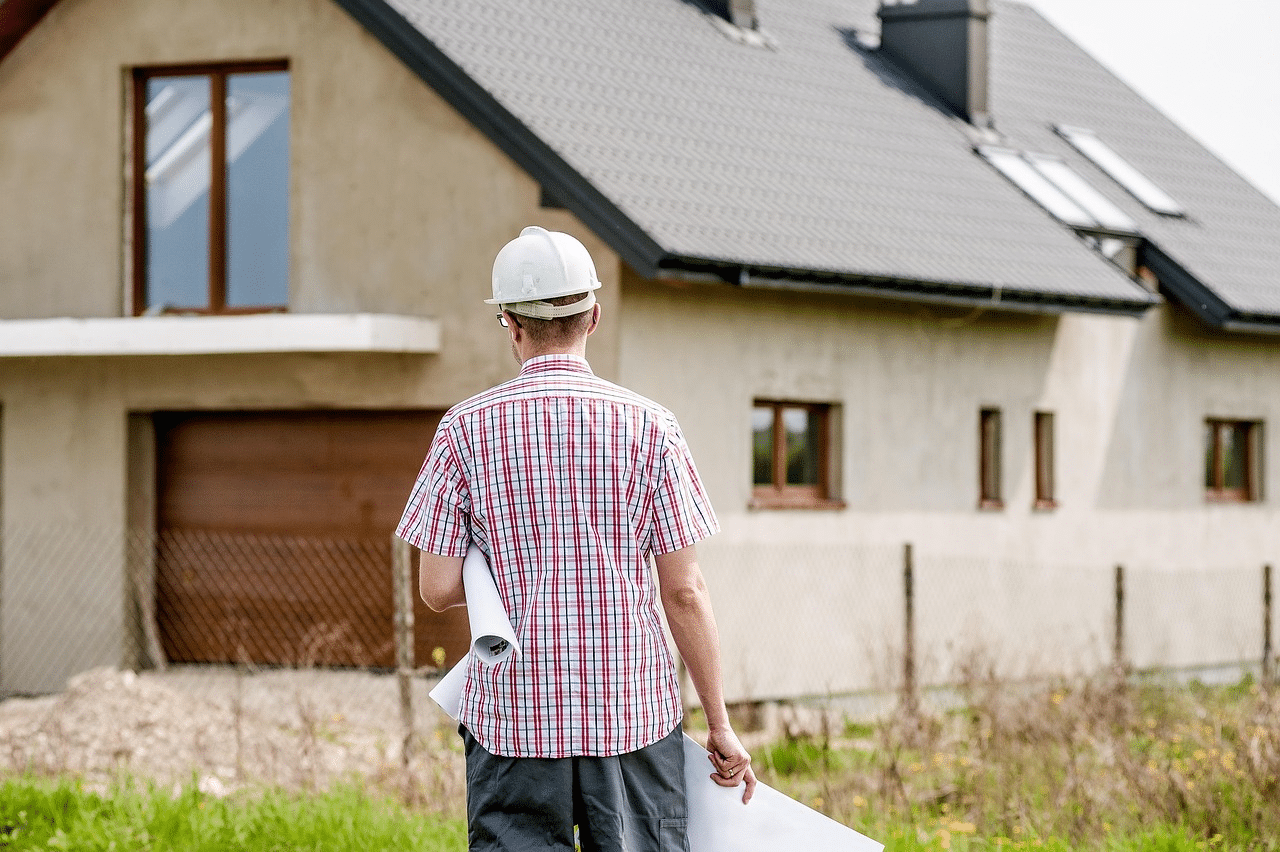
A well-maintained home rarely demands attention all at once. Instead, deterioration unfolds quietly, often disguised as minor inconveniences that are easy to dismiss. A faint stain, a subtle odor, or a barely noticeable crack may seem insignificant in isolation, yet each can signal a deeper issue developing beneath the surface.
What makes these warning signs dangerous is not their appearance, but the tendency to overlook them. Understanding how to identify and interpret these early indicators is critical. Acting at the right moment can mean the difference between a straightforward repair and a costly, large-scale restoration. Below are critical indicators that your home requires immediate repairs.
Persistent Water Stains and Discoloration
Water stains on ceilings often point to ongoing moisture intrusion, whether from a compromised roof, leaking pipes, or poor sealing around windows. What appears as a faint yellow patch can conceal saturated insulation, weakened drywall, and even structural decay.
Moisture travels along beams, seeps into adjacent materials, and promotes mold growth in hidden cavities. Addressing the visible stain without identifying the source is a temporary fix at best. A thorough inspection is necessary to trace the origin and prevent recurring damage.
Unusual Changes in Water Pressure or Drainage
Subtle shifts in plumbing performance often precede major failures. A sudden drop in water pressure, slow drainage, or intermittent pipe noises can indicate blockages, leaks, or deteriorating pipe systems. These issues rarely resolve on their own. Ignoring them increases the likelihood of burst pipes or significant water damage.
In situations where symptoms escalate quickly, consulting an emergency plumber Dallas TX, is a practical example of how homeowners should respond to urgent plumbing disruptions. The principle remains universal: early intervention prevents structural and financial consequences.
Widening or Multiplying Cracks
There are various types of cracks. The most common is hairline fractures in plaster that are often a result of natural settling. However, cracks that widen, branch, or appear around door frames and windows often signal deeper structural concerns.
Foundation movement, soil instability, or moisture imbalance can all contribute to these patterns. When doors begin to stick or windows no longer align properly, the issue extends beyond aesthetics. Structural integrity may be compromised, and delaying repairs increases the complexity and costs of remediation.
Musty Odors
A persistent musty smell is rarely just an air quality issue. It often indicates hidden mild growth caused by trapped moisture in walls, floors, or ventilation systems. Even when surfaces appear clean, mold can thrive behind drywall or under flooring.
This is particularly concerning, as mold affects both the structure of the moe and the health of its occupants. Prolonged exposure can lead to respiratory issues and allergic reactions. Eliminating the odor requires removing the moisture source and contaminated materials, not simply masking the smell.
Peeling Paint and Bubbling Finishes
Paint serves as more than a decorative layer; it acts as a protective barrier against moisture and environmental exposure. When paint begins to peel, bubble, or crack, it often signals underlying moisture problems or material deterioration. Exterior peeling may indicate weather damage or poor sealing, while interior bubbling frequently points to humidity or leaks within walls. Left unaddressed, these issues expose surfaces to further damage, accelerating decay and reducing the home’s overall resilience.
Sudden Increase in Energy Bills
An unexplained rise in heating or cooling costs often reflects inefficiencies within the home’s structure. Poor ventilation, air leaks, or malfunctioning HVAC systems force energy consumption beyond normal levels. Drafts around windows and doors, uneven room temperatures, and overworked systems are all signs that energy is being lost.
These inefficiencies not only increase utility expenses but also place additional strain on mechanical systems, shortening their lifespan. Prompt repairs restore the effect and prevent long-term wear.
Sagging Floors or Uneven Surfaces
Floors should feel stable and level underfoot. When they begin to sag, slope, or feel spongy, it often indicates structural weakening beneath the surface. This can result from water damage, compromised support beams, or foundation issues.
These changes are often a signal for broader structural concerns that require immediate evaluation. Ignoring uneven flooring can lead to further deformation, affecting walls, ceilings, and overall stability of the home.
Pest Activity and Unexplained Damage
Pests are a nuisance and are often a symptom of structural vulnerabilities. Termites, rodents, and other intruders exploit weaknesses such as cracks, moisture-damaged wood, or gaps in the building envelope. Visible signs like dropping, gnaw marks, or hollow-sounding wood indicate active infestation.
Beyond the immediate damage, pests can accelerate structural deterioration and create health hazards. Addressing the root cause, such as entry points and environmental conditions, is as important as eliminating the pests themselves.
Endnote
Homes communicate their needs through subtle but unmistakable signals. Water stains, shifting structures, unusual odors, and performance changes are not isolated inconveniences; they are early warnings of deeper issues. Responding promptly to these signs preserves the physical structures and long-term value and livability of your property.