

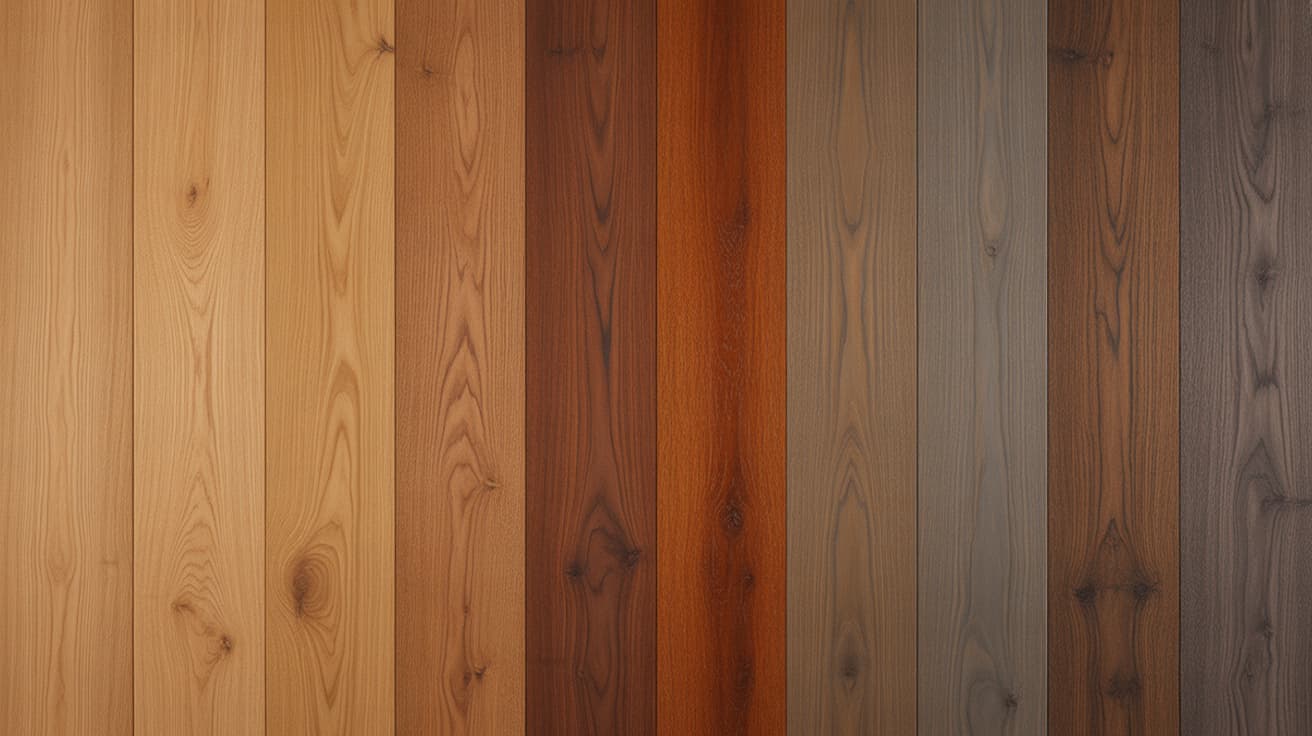
Choosing the right hardwood floor stain can completely change the look of your home. If you’re like me, you want your floors to reflect your style and improve the entire room.
Even if you prefer light, airy finishes or rich, dark tones, each stain color brings something unique to the table.
In this blog, I’ll walk you through some of the most popular hardwood floor stain colors, from natural wood hues to bold shades like espresso and cherry.
I’ll also share tips on choosing the perfect color based on your room’s size, lighting, and overall vibe.
By the end, you’ll have all the info you need to make an informed decision and create the perfect atmosphere in your space.
How to Choose the Right Hardwood Floor Stain Color
Selecting the perfect stain color for your hardwood floors depends on a few factors. Consider room size, natural light, interior style, and the wood’s grain before making your choice.
- Room Size: Light stains tend to spread in small spaces.
- Natural Light: Darker stains uplift bright rooms.
- Interior Style: Modern designs suit light stains.
- Wood Grain: Light stains show texture; dark stains add drama.
Be sure to test samples in your lighting before committing to ensure the right match!
Popular Hardwood Floor Stain Colors
Hardwood stain colors play a major role in shaping the overall feel of a room. From light natural tones to rich dark finishes, each stain highlights the wood grain while influencing how bright, warm, or modern a space appears.
1. Light Natural Stain
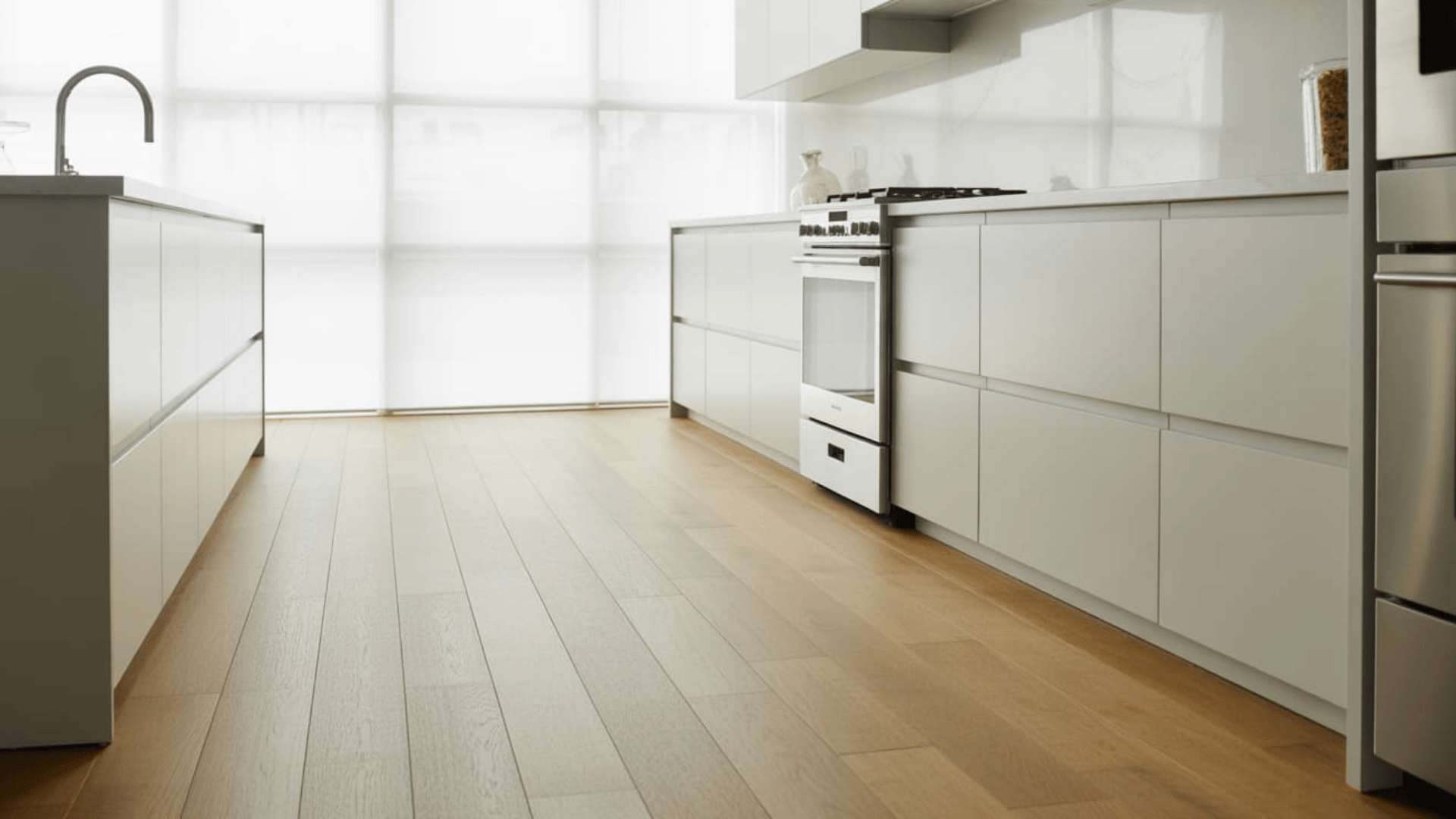
Light natural stain remains one of the most classic and versatile hardwood floor options. It improves the raw beauty of the wood while maintaining a bright and open feel throughout the room.
This stain allows the natural grain, knots, and subtle color variations of the wood to remain visible, creating a clean and raw appearance.
Because of its soft, neutral tone, a light natural stain works especially well in kitchens, open living spaces, and modern interiors.
It is also commonly used in Scandinavian-style homes where simplicity and natural textures play an important role.
2. Rustic Natural Variation
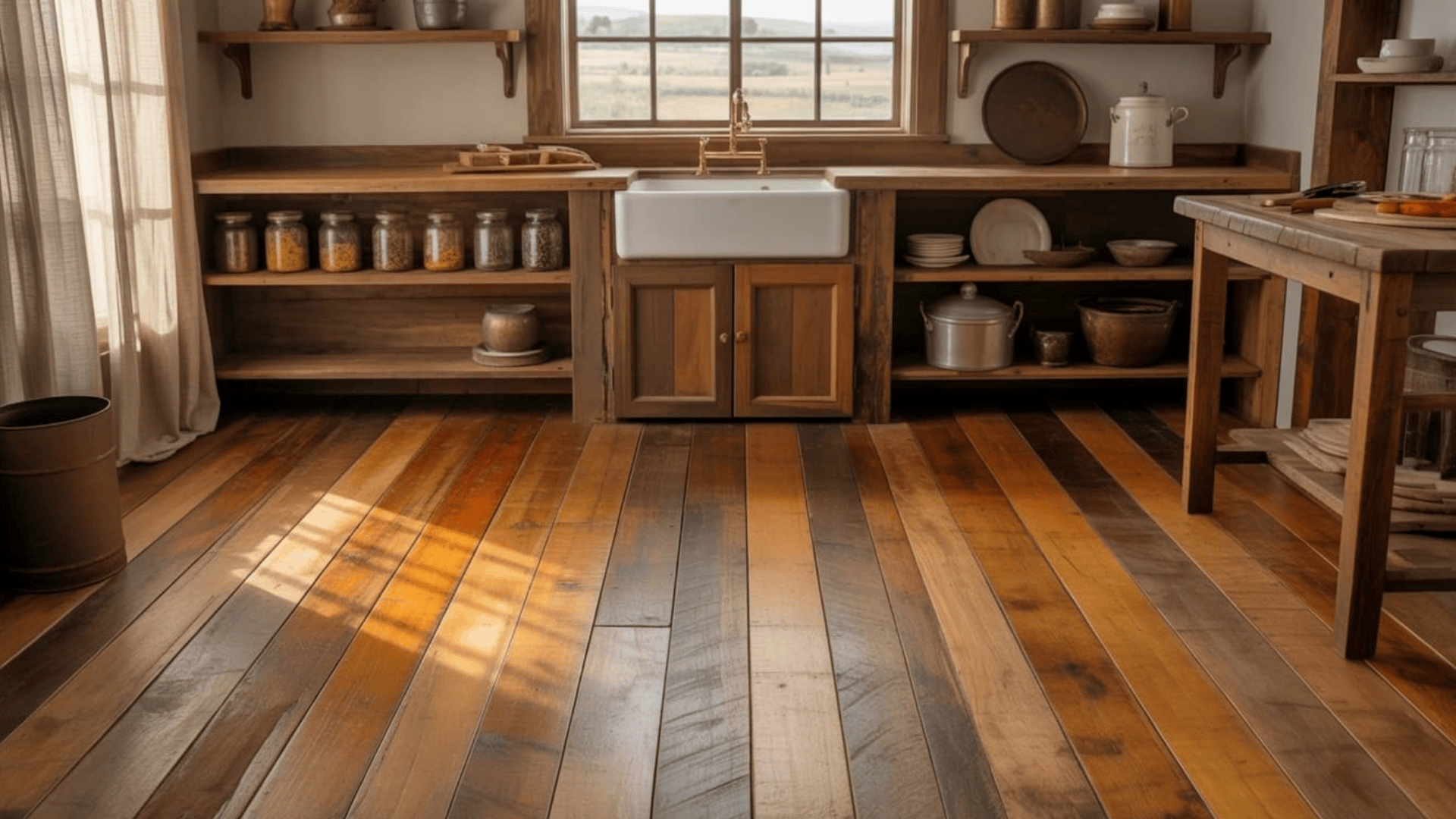
Rustic natural variation stain focuses on preserving the character and imperfections found in the wood. Knots, grain variations, and natural aging patterns become visible, giving the flooring a rich and textured appearance.
This style is often seen in reclaimed-wood flooring and farmhouse-inspired interiors, where rawness and warmth are key design elements.
Instead of creating a uniform color, the stain highlights different tones across the boards, making each plank unique.
Rustic natural variation floors work particularly well in open spaces, adding vibe and visual interest without relying on heavy decoration.
3. Gray Undertone Stain
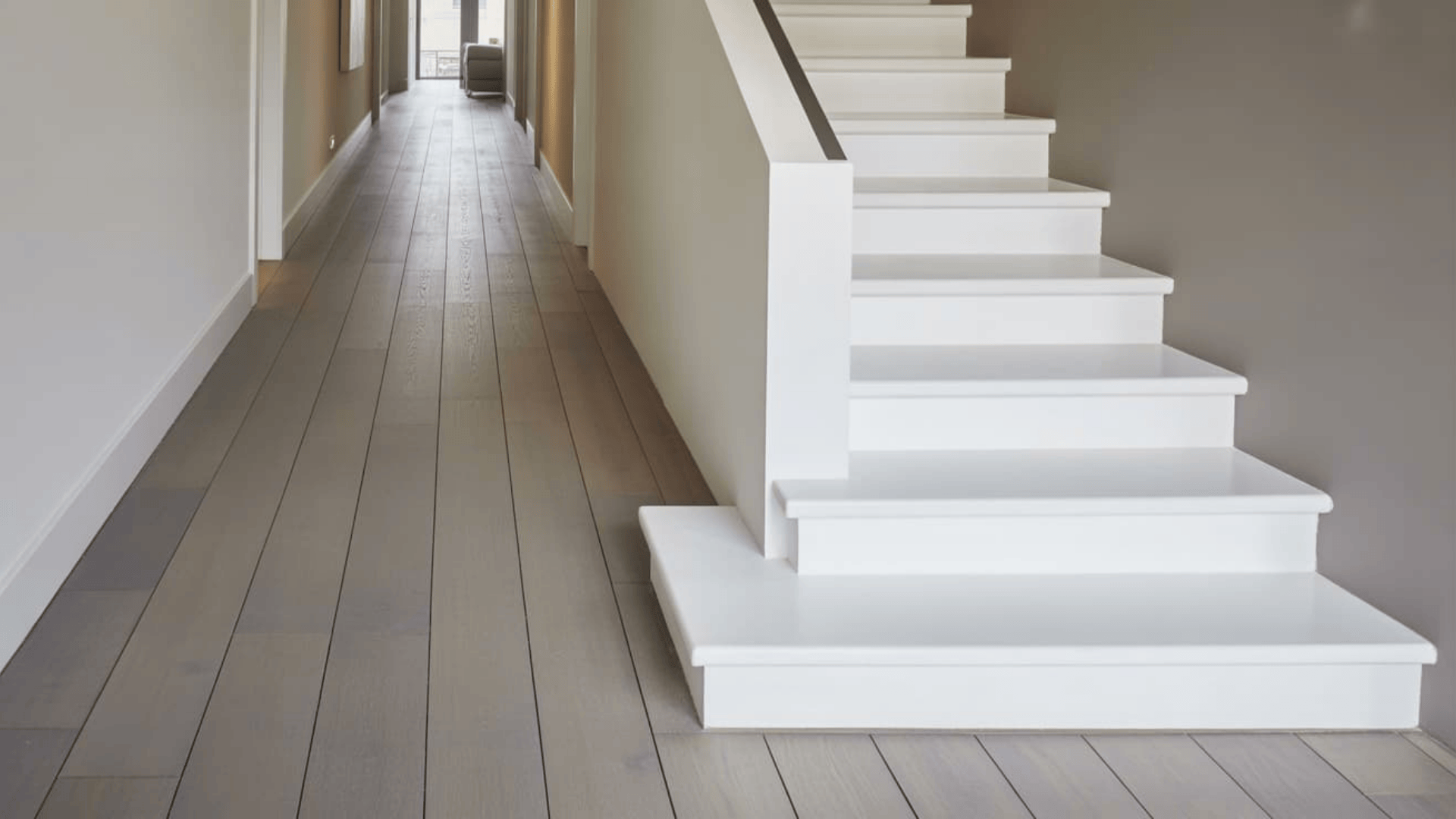
A gray undertone stain is a popular choice for modern interiors because it blends the warmth of traditional wood with contemporary gray tones.
This stain subtly softens the natural brown color of the wood, creating a balanced tone that complements neutral décor palettes.
Gray undertone floors work beautifully in spaces that combine warm and cool colors, allowing designers greater flexibility with furniture and wall finishes.
The understated gray tint adds a refined and stylish look without overpowering the room. This stain is especially common in transitional homes that mix modern and classic design elements.
4. Soft Washed Oak
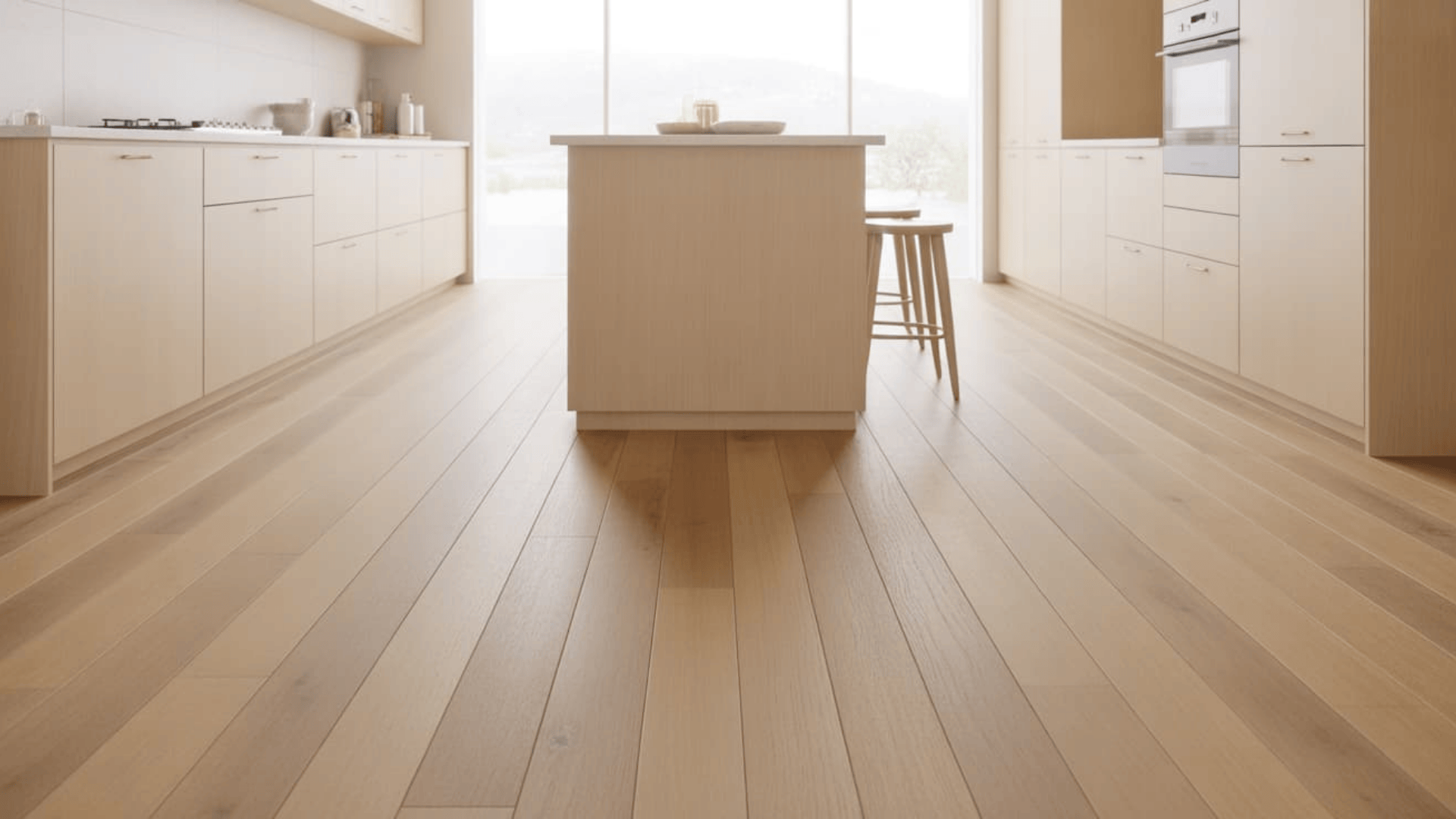
Soft-washed oak stain produces a light, airy appearance that enhances the natural elegance of oak flooring. The stain often contains faint gray or blue undertones that soften the overall color while keeping the wood grain visible.
This gentle finish creates a smooth and subtle effect that works well in bright, open interiors.
Soft-washed oak floors are often used in modern kitchens, minimalist living rooms, and contemporary homes where a calm, relaxed atmosphere is desired.
The lighter tone also helps reflect natural light, making rooms appear larger and more inviting.
5. Deep Espresso
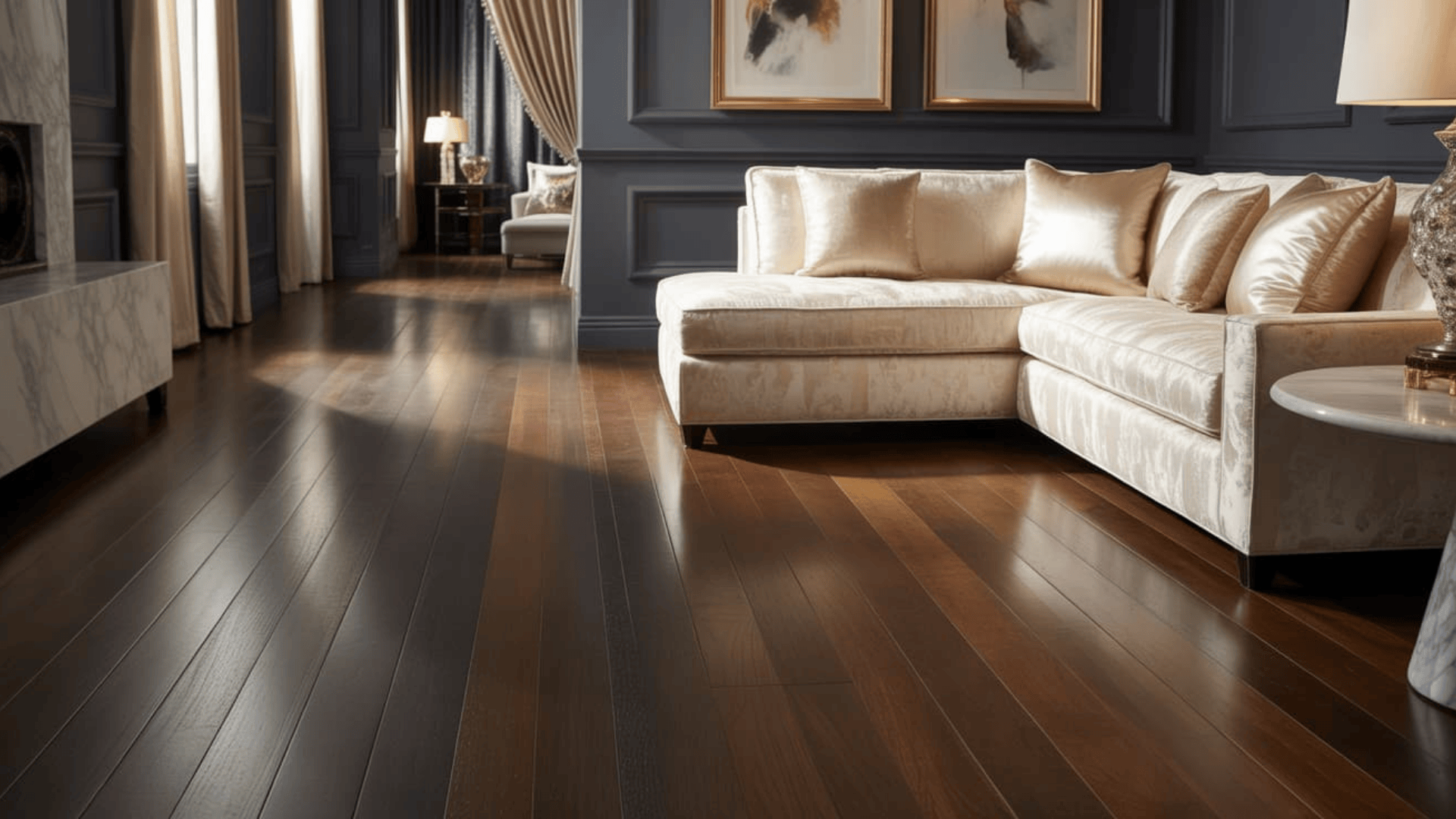
Deep espresso stain is known for its rich and dramatic appearance. The dark brown tone creates a strong contrast with lighter walls and furniture, giving the room a refined, elegant character.
This stain highlights the wood grain while adding depth and sleekness to the flooring. Deep espresso floors are commonly used in formal living rooms, luxury interiors, and classic home designs where a bold statement is desired.
The darker color can also anchor large spaces and make them feel more grounded, while maintaining a polished, timeless style.
6. Warm Red-Brown
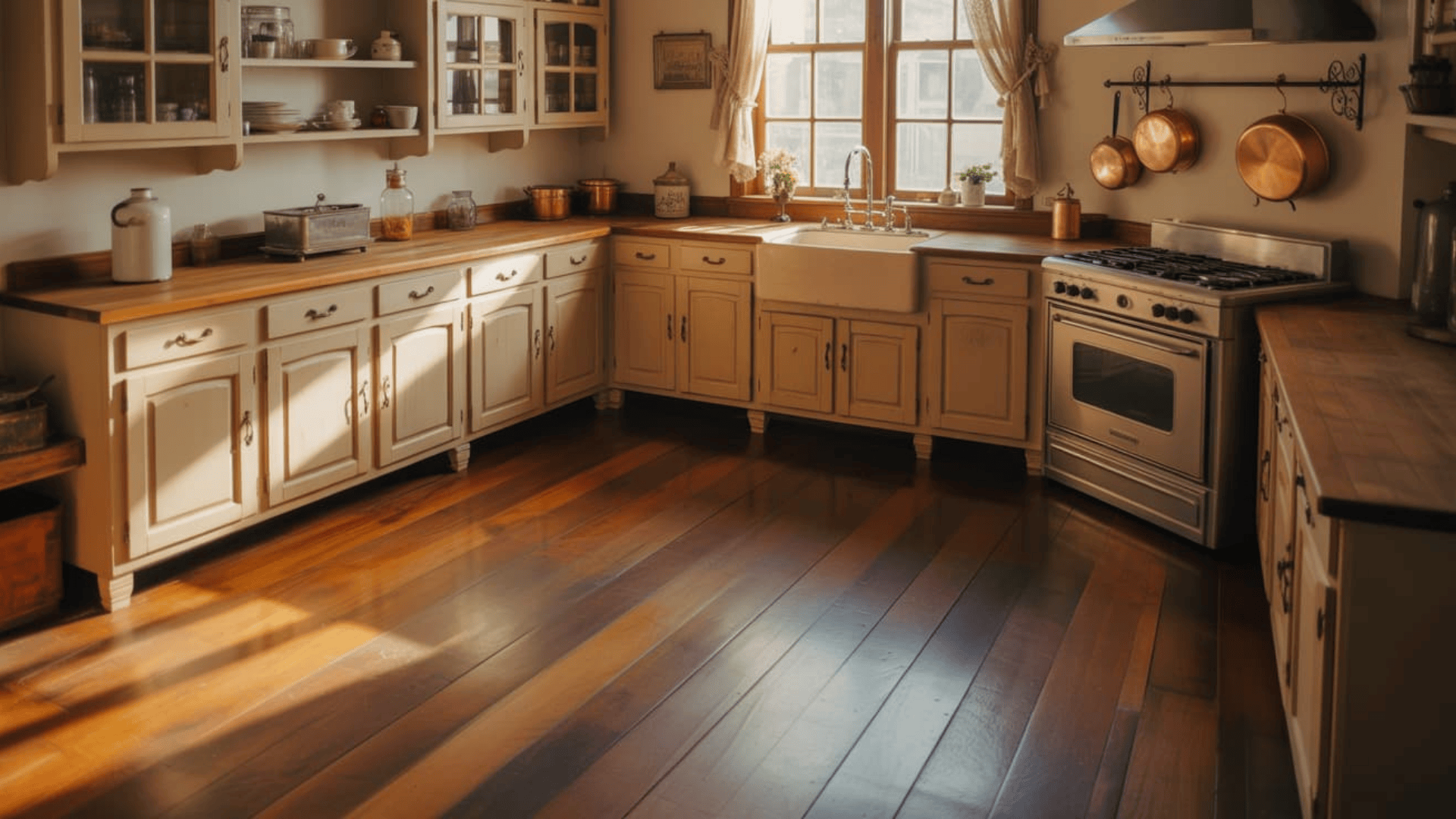
A warm red-brown stain adds a sense of warmth and richness to hardwood flooring. The reddish undertones improve the natural grain of the wood, creating a welcoming, traditional appearance.
This stain is often associated with vintage interiors and classic home styles where warm colors dominate the décor.
The finish can range from subtle copper tones to deeper red hues, depending on the wood species and stain application.
Warm red-brown floors add character and depth to a space, making them particularly appealing for dining rooms, living areas, and homes with traditional design elements.
7. Golden Honey
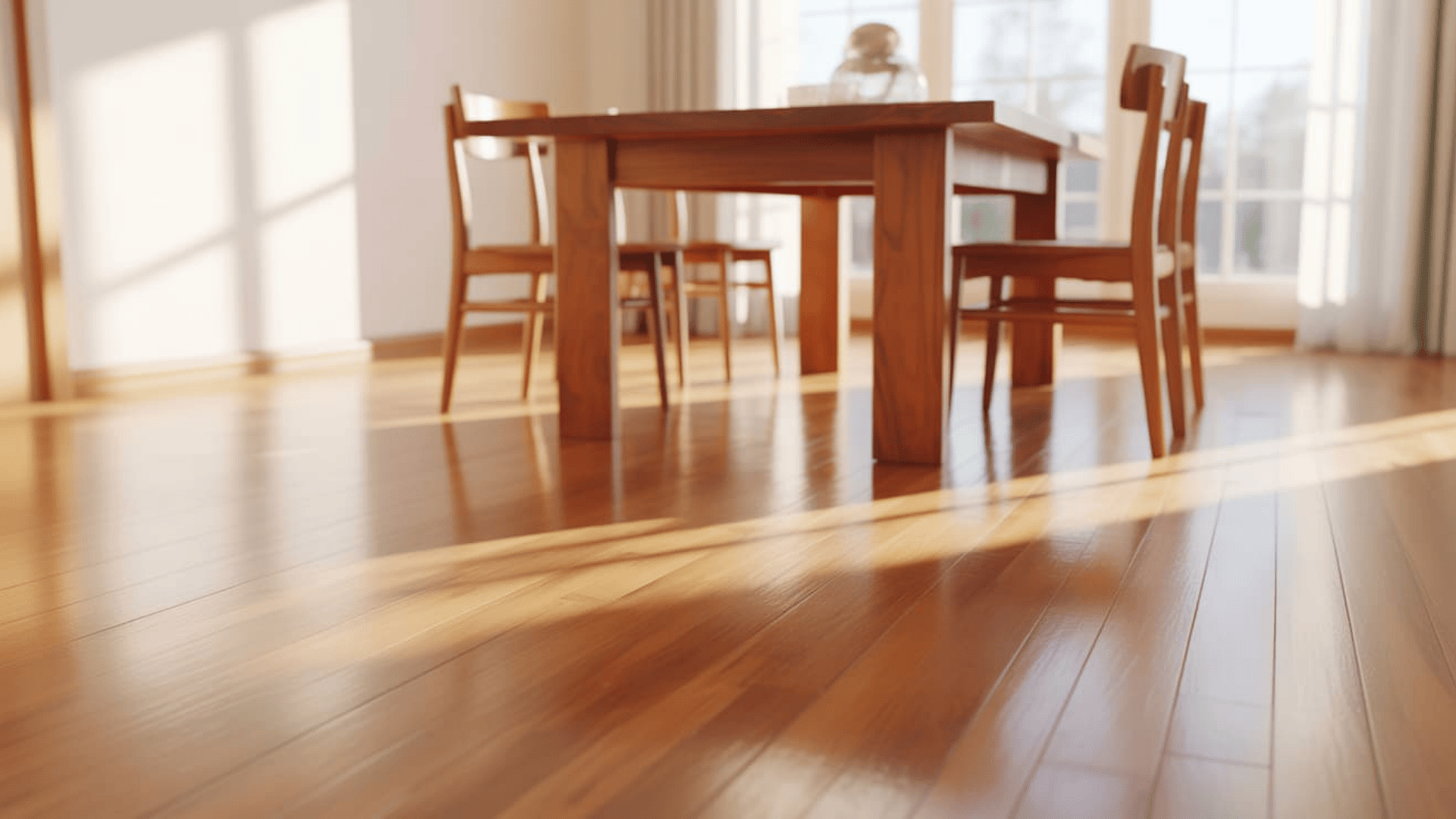
Golden honey is a classic mid-tone hardwood floor stain known for its warm golden undertones and inviting appearance.
It uplifts the natural beauty of the wood while adding a soft glow that brightens the room without appearing too light. This stain works particularly well in dining rooms and living areas where a warm and welcoming atmosphere is desired
Golden honey floors complement cream, beige, and other soft neutral interiors beautifully. Because it sits between light and dark stains, it offers versatility and blends well with both traditional and modern home décor.
8. Two-Tone Wood Stain
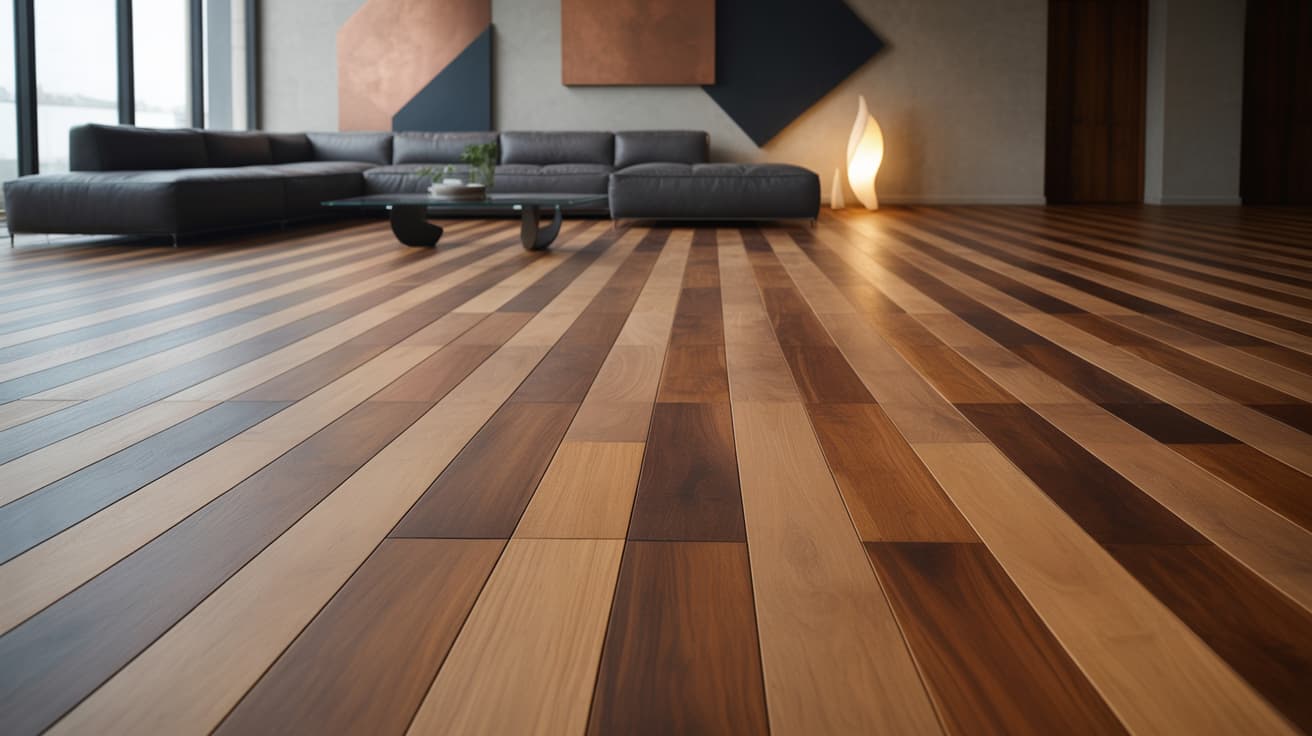
Two-tone wood stain creates flooring that shows two complementary shades within each plank. The subtle color contrast adds dimension and depth without appearing overbearing.
This approach allows the floor to remain visually interesting while maintaining a balanced, cohesive look. Two-tone stains are often used in spaces where designers want a distinctive floor without overwhelming the rest of the décor.
Because the variation is controlled and consistent, this style works well in high-traffic areas, restaurants, and commercial spaces where durability and style are equally important.
9. Reclaimed Patina Stain
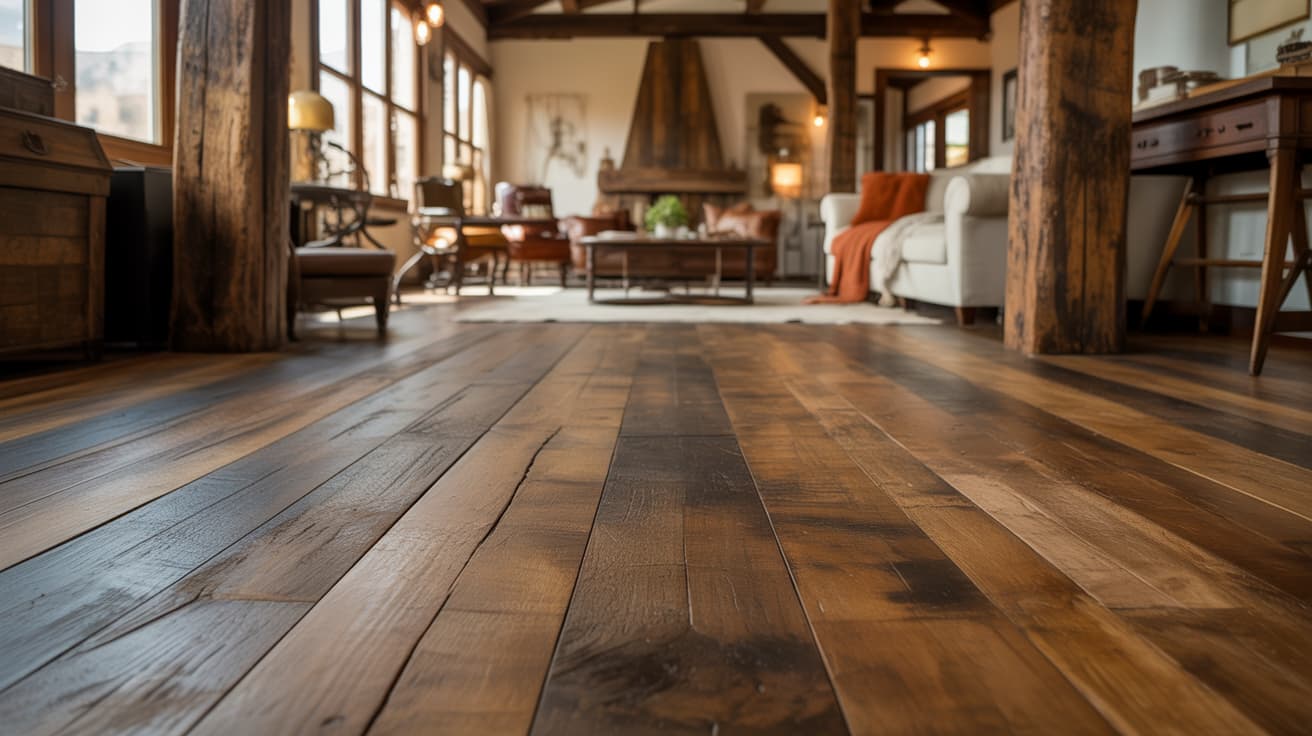
Reclaimed patina stain highlights the aged beauty of reclaimed wood flooring. Instead of hiding imperfections, the stain emphasizes natural marks such as nail holes, darker grain patterns, and areas of wear that develop over time.
These details give the floor a sense of history and authenticity that cannot be easily replicated with new materials. Reclaimed patina finishes are often used in rustic homes, loft-style interiors, and vintage-inspired spaces.
The varied tones across the planks create depth and visual interest, making the floor a defining feature of the room.
10. Classic Pine Tone
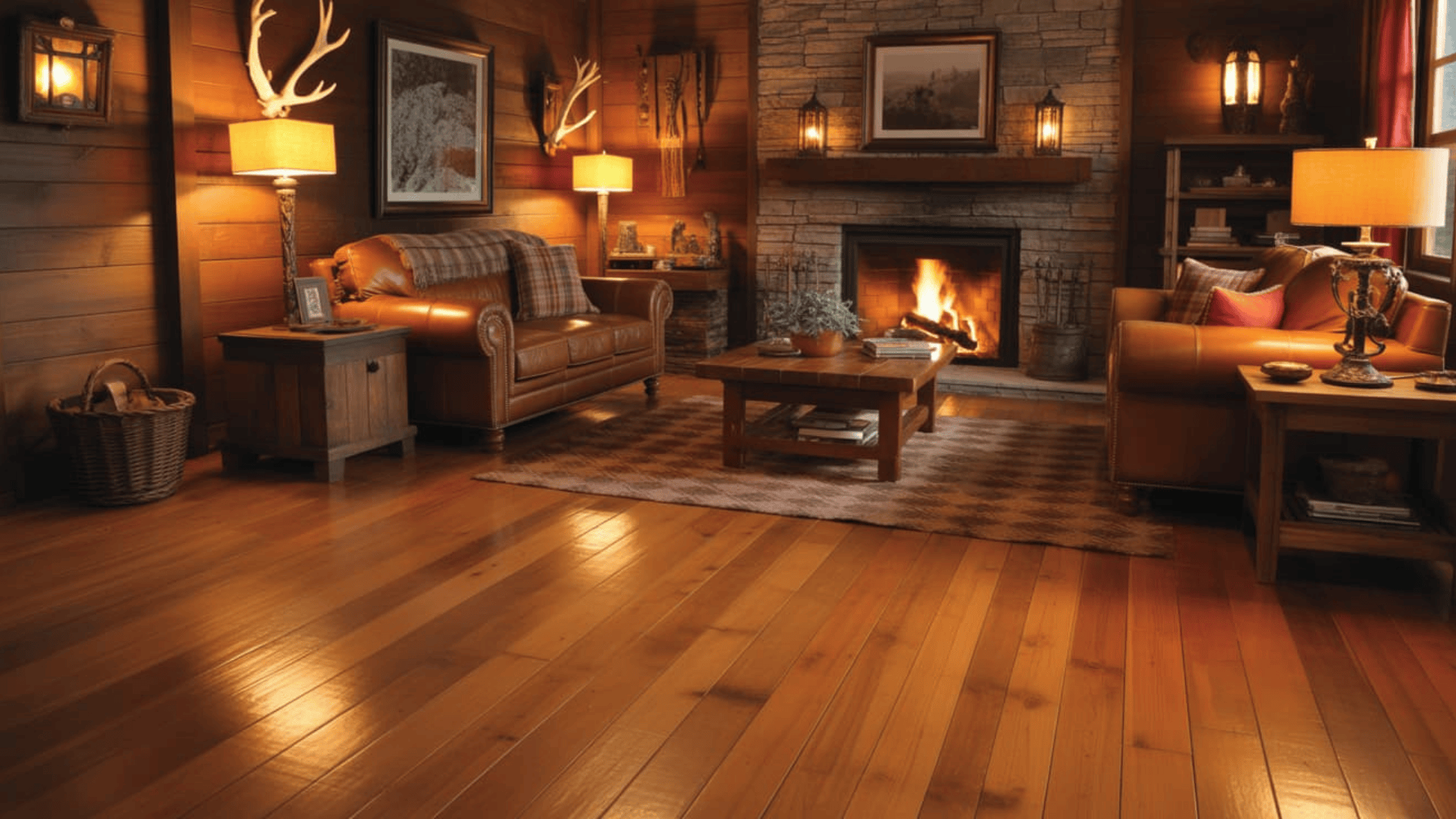
A classic pine-toned stain creates a light, natural hardwood floor that showcases the unique characteristics of pine wood.
The finish allows knot holes and grain patterns to remain visible, giving the flooring a relaxed and organic appearance. Pine stains often carry soft golden or honey undertones that add warmth without overpowering the room.
This type of stain is commonly used in cottages, cabins, and country homes where a casual and welcoming style is desired. Classic pine floors also work well in spaces with wood furniture and simple décor.
11. Cherry Tone Stain
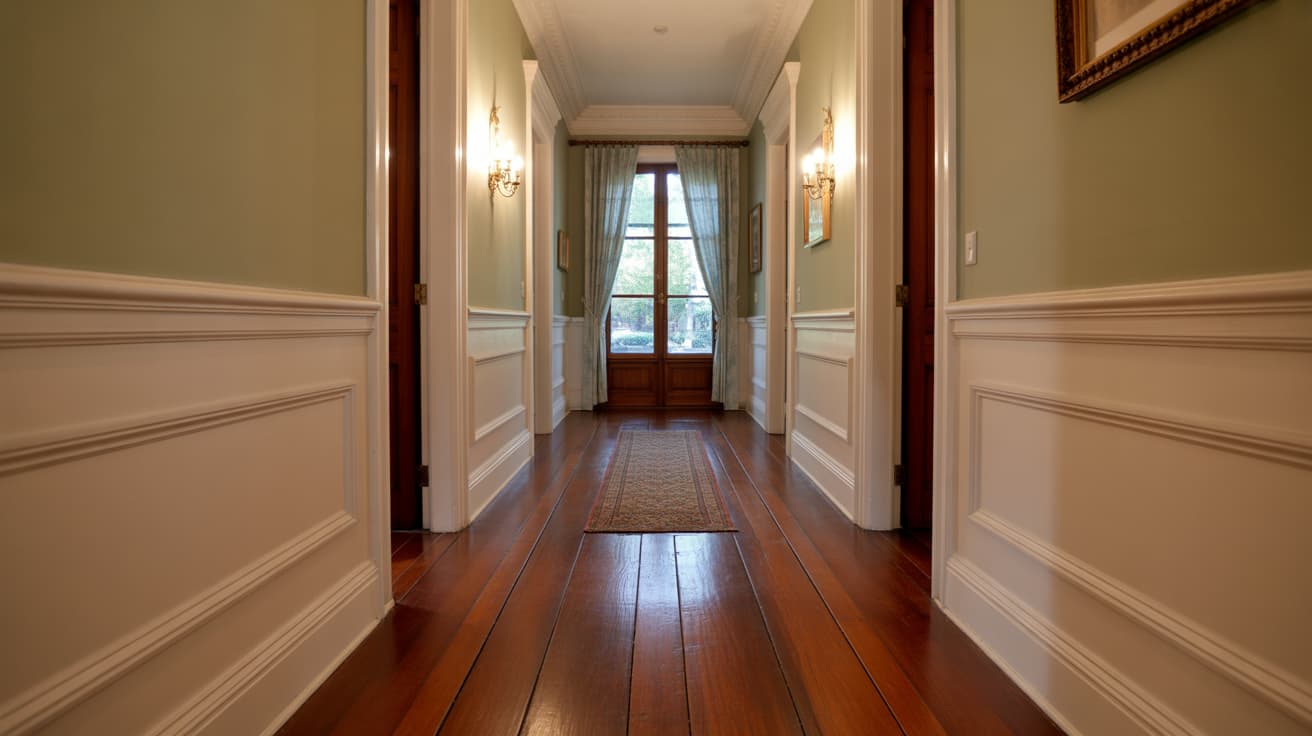
Cherry tone stain produces a rich reddish finish inspired by the appearance of traditional cherry wood flooring. The color enhances the natural grain while adding depth and warmth to the overall floor design.
This stain is commonly used in classic and formal interiors, where elegant wood finishes play an important role in the décor.
Cherry tone floors pair beautifully with darker furniture, warm wall colors, and traditional design elements. The result is a refined, clean atmosphere that gives the room a timeless, polished appearance.
12. Smoky Gray Stain
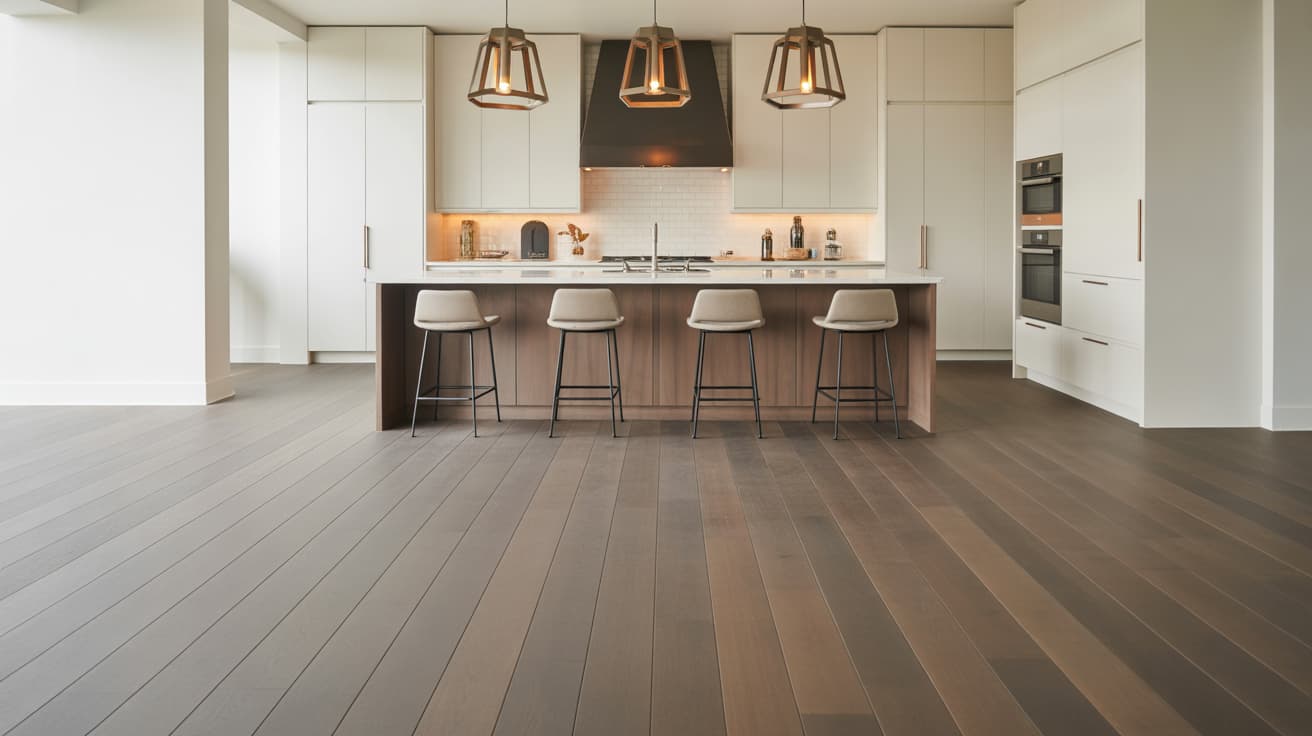
Smoky gray stain introduces a deeper gray shade that still allows the natural wood tones to show through the grain. The combination of gray and natural brown creates a layered look that adds depth without overwhelming the room.
Smoky gray floors have become popular in modern kitchens and open layouts where neutral tones dominate the interior design.
The stain complements stainless steel appliances, contemporary cabinetry, and minimalist décor. Its balanced color keeps the flooring modern and stylish while remaining versatile enough to work with a variety of design styles.
13. Multi-Tone Character Stain
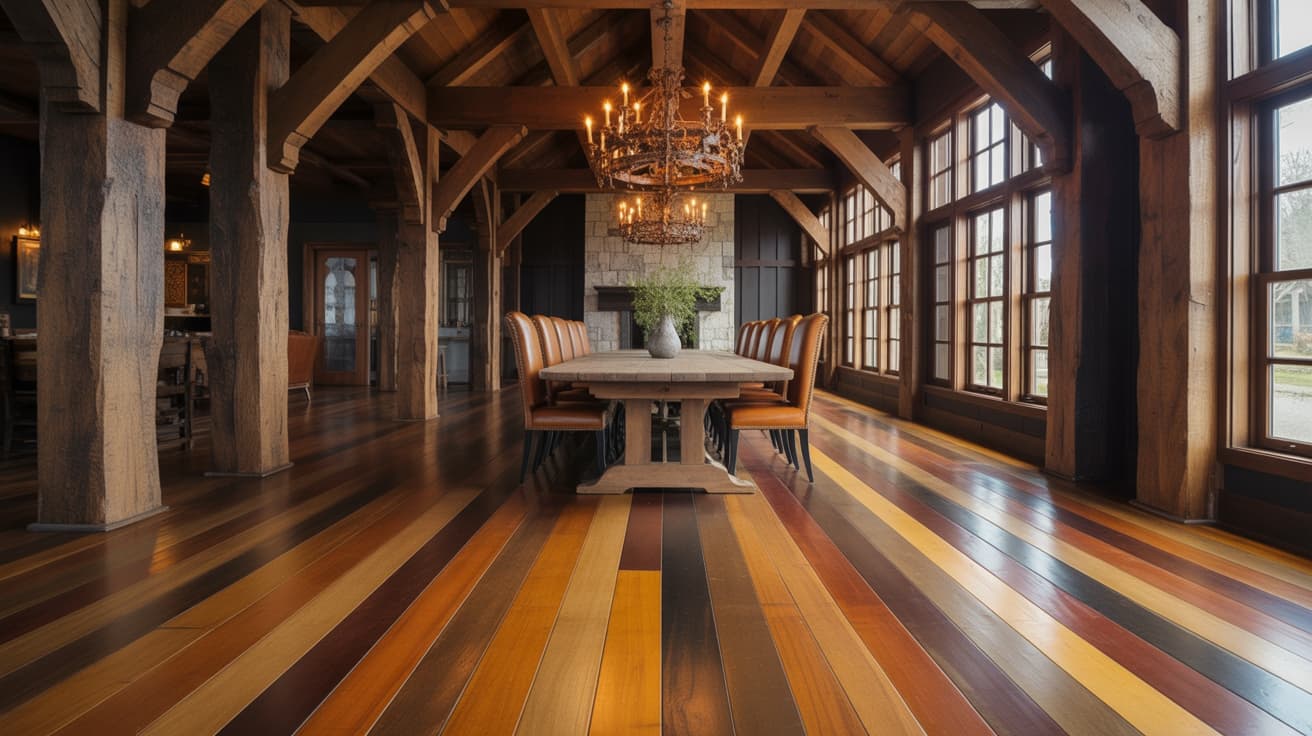
Multi-tone character stain highlights the natural variation found within different wood planks. Instead of a uniform color, this stain allows multiple shades to appear across the flooring, creating depth and visual interest.
The variation often comes from natural grain patterns, knots, and differences in how the wood absorbs stain. Multi-tone floors work particularly well in large rooms where the flooring can become a strong visual feature.
The natural mix of tones helps the floor stand out while maintaining an organic, genuine appearance that suits both rustic and contemporary homes.
14. Brown Stripe Variation
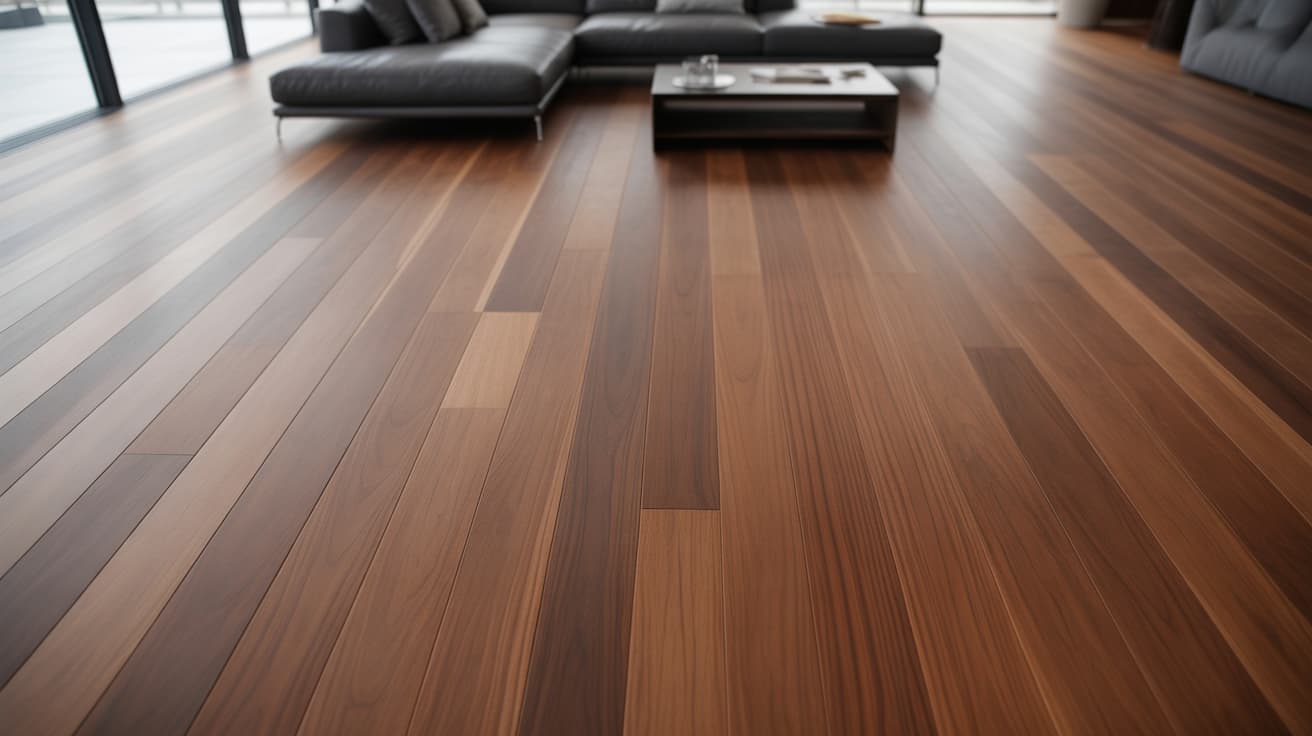
Brown stripe variation stain creates a subtle contrast by combining slightly different brown tones across individual boards. When installed, the variation can form gentle stripe patterns that run across the floor.
This design adds texture and movement without making the space feel too busy. The layered shades of brown help highlight the natural grain while keeping the overall color balanced.
Brown stripe variation floors work well in contemporary interiors because they add visual interest while still blending smoothly with neutral furniture, cabinetry, and modern décor elements.
15. Bold Red Stain
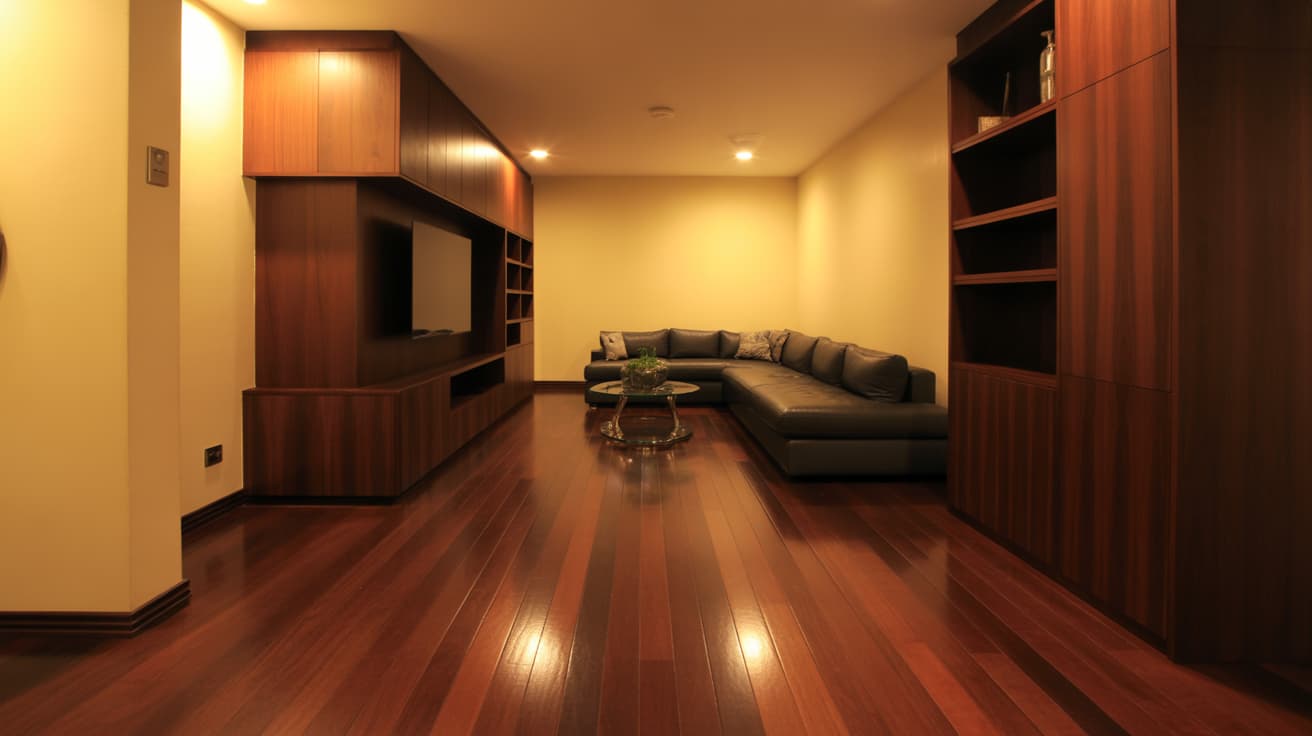
Bold red stain adds a strong, vibrant color, bringing warmth and personality to hardwood floors. The stain gives the wood a deep reddish tone that highlights the natural grain while creating a visual impact.
Floors with this finish often become a focal point within the room. Bold red stains work well in interiors that feature darker cabinetry, rich furniture tones, and classic design elements.
The warm color can also help balance spaces that include darker wood finishes, creating a cohesive and inviting atmosphere.
How Stain Color Impacts Your Room’s Atmosphere
When picking a stain color for your hardwood floors, remember that it’s not just about looks; it’s about the feel of the room. A light stain will make your space feel brighter and more open, perfect for smaller rooms.
On the other hand, darker stains add warmth and richness, making larger rooms feel cozy and inviting. If you want a modern vibe, gray or soft oak stains are great options.
For a more traditional feel, cherry or warm browns create a classic, welcoming atmosphere.
Think about your furniture and walls, too. The right stain will tie everything together, making your room feel balanced and comfortable.
Take your time to find a stain that suits your style and the vibe you want to create. It’s all about making your space feel like home.
Wrapping Up
Choosing among popular hardwood floor stain colors is more than a design decision. It is a way to shape the mood and personality of your space.
Light natural tones can make a room feel open and fresh, while deep espresso shades bring warmth and richness to the floor.
When I look at how the right stain connects furniture, wall colors, and décor, it is clear that color choice is what makes a room feel balanced and comfortable.
The right shade also helps the wood itself look its best, which is something I always keep in mind.
When the color complements the wood and your style, hardwood floors often become the feature people notice first. I always recommend testing samples in your natural lighting before making a decision.
If you have recently stained your floors or are planning to, share your experience in the comments below.