

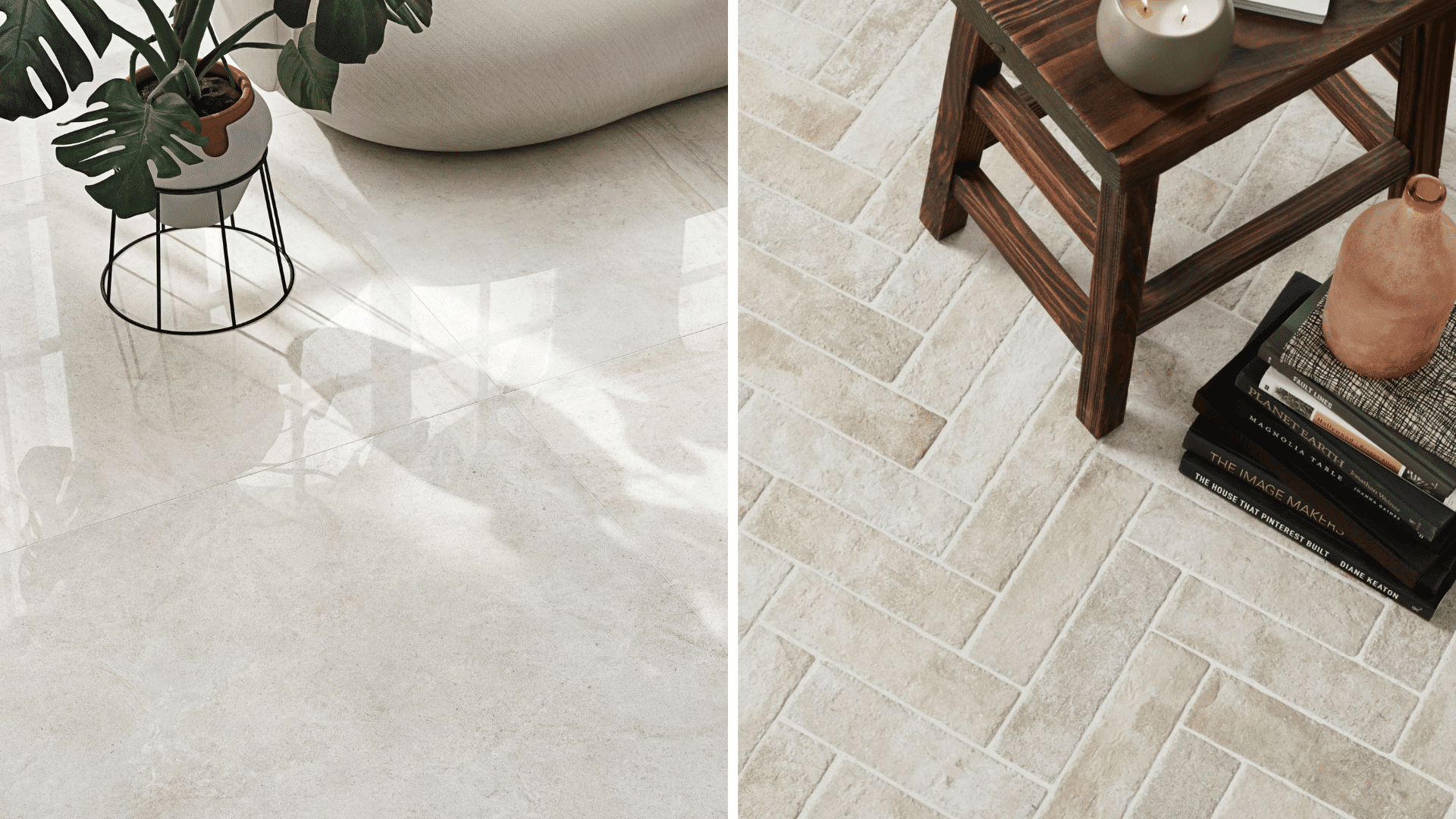
I’ve seen many people struggle to pick the right tile for their home, and I get why.
At first glance, ceramic and porcelain can look the same, but they perform very differently over time.
If you are planning a bathroom, kitchen, or even a simple update, choosing the wrong one can lead to extra cost and effort later.
In this guide on ceramic vs porcelain tile, I will share how they differ in water resistance, strength, cost, and where each one works best.
I will also share practical tips to help you make the right choice based on your needs.
By the end, you will feel more confident and ready to pick the right tile for your space without confusion.
What You Should Know Before Choosing Tile?
A few key factors can help you make a better decision. Looking at these points early can save time and money later.
- Room location: Tiles work differently in each space. Wet areas like bathrooms need better water resistance.
- Water resistance: Some tiles absorb more water than others. Low-absorption tiles last longer in damp areas.
- Durability: Harder tiles handle heavy foot traffic better. This is important for kitchens and hallways.
- Maintenance needs: Some tiles are easier to clean and require less care. Others may need regular sealing.
- Cost and budget: Prices can vary based on type and quality. Plan your budget before making a choice.
- Installation process: Certain tiles are harder to cut and install. This can affect labor cost and time.
- Design and finish: Tiles come in many colors and textures. Choose one that fits your home style and use.
What Is Ceramic Tile?
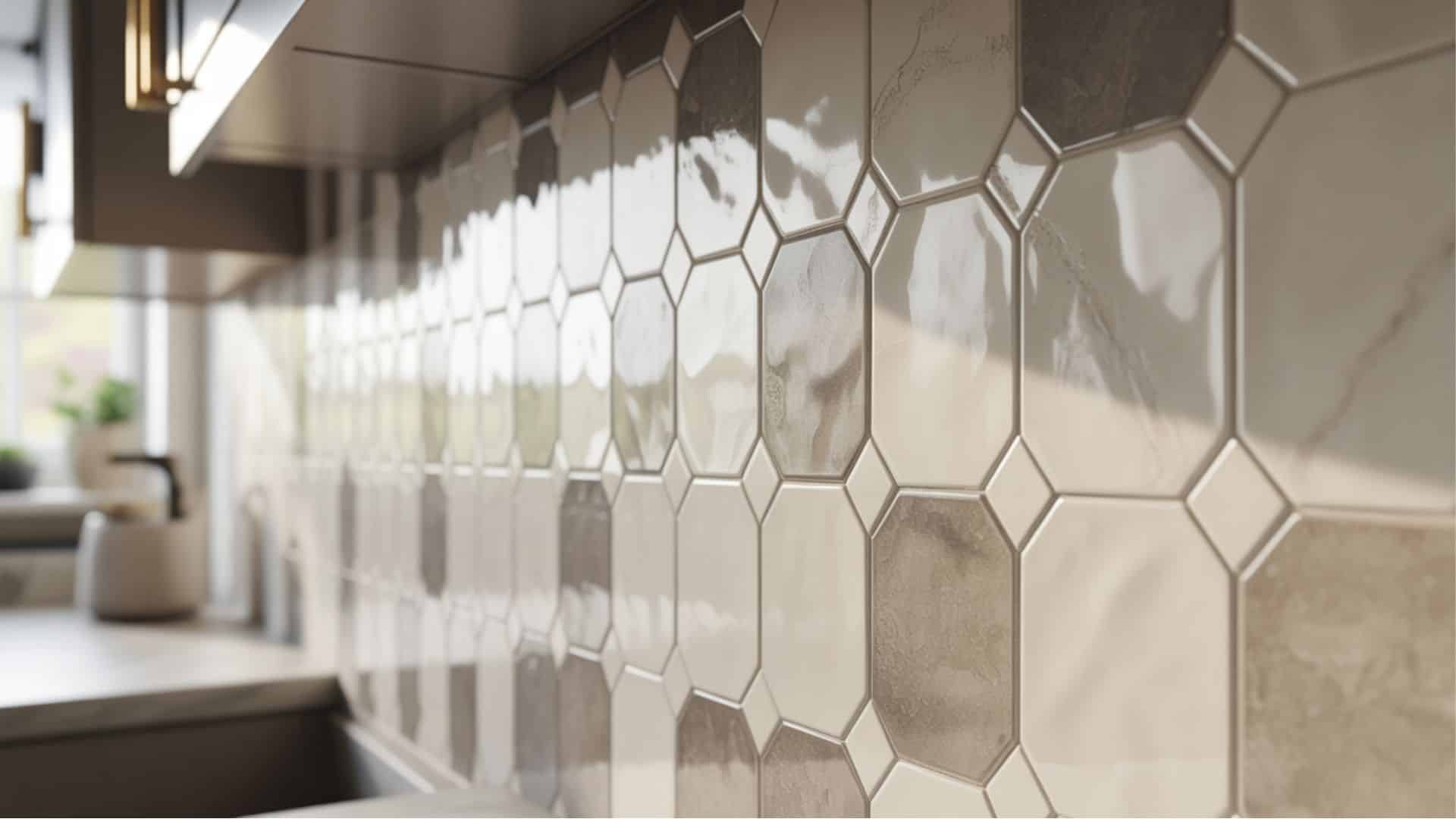
Ceramic tile is made from natural clay that is shaped, dried, and fired in a high-temperature kiln. During this process, the clay hardens and becomes strong enough for everyday use.
Most ceramic tiles have a glaze that adds color and helps resist stains and moisture.
Ceramic tile is slightly more porous, so it can absorb some water. Because of this, ceramic tile is usually lighter and easier to cut during installation.
Many homeowners and installers like it because it is simple to work with and comes in a wide range of colors, textures, and designs. Ceramic tile is often used in indoor areas with light to moderate foot traffic.
You’ll commonly see it on kitchen backsplashes, bathroom walls, shower surrounds, and floors in spaces that do not get heavy use.
What Is Porcelain Tile?
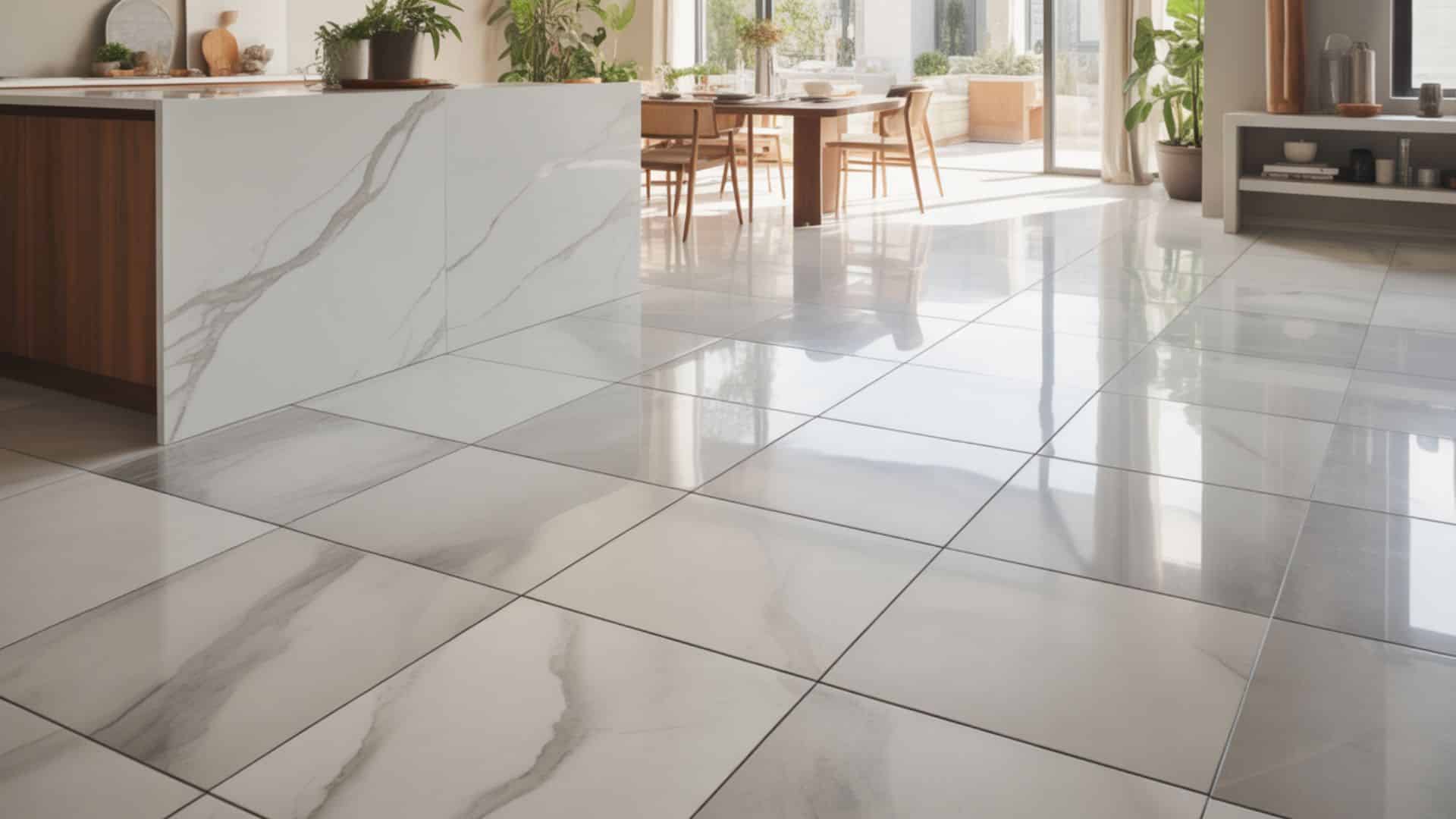
Porcelain tile is a type of ceramic tile, but it is made in a slightly different way. Manufacturers use finer clay and fire the tiles at much higher temperatures.
This process makes porcelain tiles denser, harder, and less porous than standard ceramic tiles.
One of the biggest advantages of porcelain tile is its very low water absorption rate.
Because the tile is so dense, it does not easily absorb moisture. This makes it a strong choice for areas where water, spills, or humidity are common.
Its dense build helps resist scratches, chips, and heavy wear, making porcelain ideal for high-traffic areas.
You will commonly see it on bathroom floors, kitchen floors, hallways, and entryways.
Many homeowners also choose porcelain for shower walls and other areas where long-term moisture resistance is important.
Ceramic vs Porcelain Tile: Key Differences
When comparing ceramic and porcelain tile, most homeowners focus on a few practical factors. These include water resistance, durability, design options, installation, and overall cost.
1. Water Resistance and Moisture Protection
Porcelain tile has a very dense surface, so it absorbs very little water. This makes it a great choice for wet areas like bathrooms, kitchens, and laundry rooms.
It helps prevent damage from spills and humidity over time.
Ceramic tile can also handle moisture, but it is a bit more porous. This means it may need sealing in some cases to stay protected.
For areas with constant water exposure, porcelain usually performs better and lasts longer.
2. Durability and Strength
Porcelain tile is stronger and more durable than ceramic tile.
It can handle heavy foot traffic without showing wear quickly, which makes it ideal for busy areas like hallways and living rooms. Its hard surface also resists scratches and chips better.
Ceramic tile is slightly softer, so it works well in low-traffic spaces like bedrooms or walls.
While both options are reliable, porcelain offers better long-term strength in demanding areas.
3. Appearance and Style Options
Both ceramic and porcelain tiles come in many colors, designs, and textures. You can find options that match modern, classic, or simple styles.
Porcelain tiles often copy the look of natural materials like wood, stone, or marble very closely.
Ceramic tiles, on the other hand, are great for decorative designs and bright patterns.
This gives you more creative choices for walls and backsplashes. In the end, both offer good style options depending on your needs.
4. Installation and Cutting
Ceramic tile is easier to cut and install because it is lighter and less dense. This makes it a good option for DIY projects or quick installations.
It usually requires standard tools, which keep the process simple.
Porcelain tile is much harder and denser, so it needs special tools and more skill to install properly.
Cutting porcelain can take more time and effort. Because of this, many people prefer hiring a professional when working with porcelain tiles.
5. Cost and Budget Considerations
Ceramic tile is usually more budget-friendly, both in material cost and installation. It is a good choice if you want to save money while still getting a clean and neat look.
Porcelain tile costs more because of its strength and low water absorption.
Installation can also be higher due to the tools and labor required.
However, porcelain may last longer in high-use areas, which can make it a better value over time depending on your needs.
Ceramic vs Porcelain Tile: Key Pros and Cons
A quick side-by-side view can make your decision easier. It helps you compare both options based on real everyday use.
| Tile Type | Pros | Cons |
|---|---|---|
| Ceramic Tile | Affordable, easy to cut and install, and wide design options | More porous, less durable in high-traffic areas |
| Porcelain Tile | Strong, highly water-resistant, long-lasting | Higher cost, harder to cut and install |
Best Tile Option for Kitchens and Other Interior Spaces
Different areas of your home have different needs when it comes to flooring and wall materials. Choosing the right tile depends on moisture levels, foot traffic, and how the space is used every day.
- Kitchen Floors: Porcelain tile is often the better choice because it is strong and highly water-resistant. It handles spills, dropped items, and heavy foot traffic well.
- Kitchen Backsplashes and Walls: Ceramic tile works very well here. It is lighter, easier to install, and available in many decorative styles.
- Living Areas and Hallways: Porcelain tile is usually preferred due to its durability. It can handle frequent foot traffic while keeping its look over time.
- Overall Interior Use: Both ceramic and porcelain tiles work well indoors. The right choice depends on moisture levels, foot traffic, and your design preferences.
Is Ceramic or Porcelain Tile Better for Bathrooms?
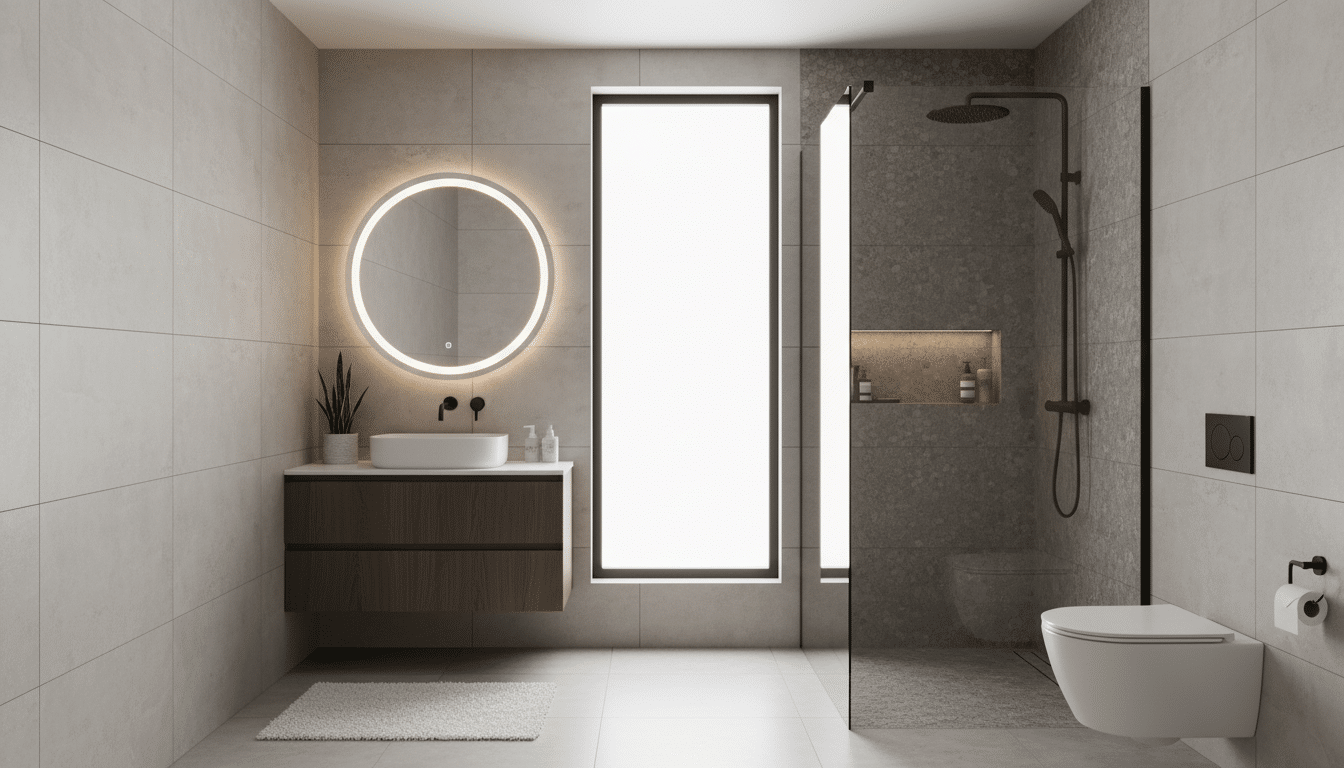
Bathrooms are one of the most moisture-heavy areas in a home, so water resistance is an important factor when choosing tile.
Porcelain tile is usually the better option because it absorbs very little water.
Its dense structure helps prevent moisture from seeping in, which can reduce long-term damage in wet areas like showers and bathroom floors. Slip resistance is another thing to consider.
Both ceramic and porcelain tiles can be found with textured or matte finishes that provide better grip.
Choosing tiles designed for bathroom floors can help reduce the risk of slipping when the surface is wet.
When it comes to long-term durability, porcelain tile also has an advantage. It is harder and more resistant to chips, scratches, and daily wear.
Indoor vs Outdoor Use: Which Tile Works Best?
Different spaces have different needs based on weather and usage. Choosing the right tile helps improve performance and long-term use.
| Area | Best Tile Choice | Why It Works |
|---|---|---|
| Indoor Floors | Porcelain or Ceramic | Both work well; porcelain is better for heavy foot traffic |
| Indoor Walls | Ceramic | Lightweight, easy to install, and great for designs |
| Bathrooms | Porcelain | Handles moisture well and resists water absorption |
| Kitchens | Porcelain (floors), Ceramic (walls) | Strong for floors, flexible design for walls |
| Outdoor Areas | Porcelain | Dense and weather-resistant, it handles temperature changes |
| Patios & Balconies | Porcelain | Durable and less likely to crack in outdoor conditions |
Conclusion
Choosing between ceramic and porcelain depends on how you use your space. Ceramic is a good choice for walls and low-traffic areas.
If durability and water resistance are your top priorities, porcelain tile often makes more sense, especially for bathrooms, kitchens, and busy floors.
The good news is that both options can look beautiful and last for years when used in the right place.
Taking a little time to match the tile with the needs of each room can save you money and maintenance later. I hope this guide helped you feel more confident about your choice.
If you’ve used ceramic or porcelain tile in your home, share your experience or tips in the comments below.