

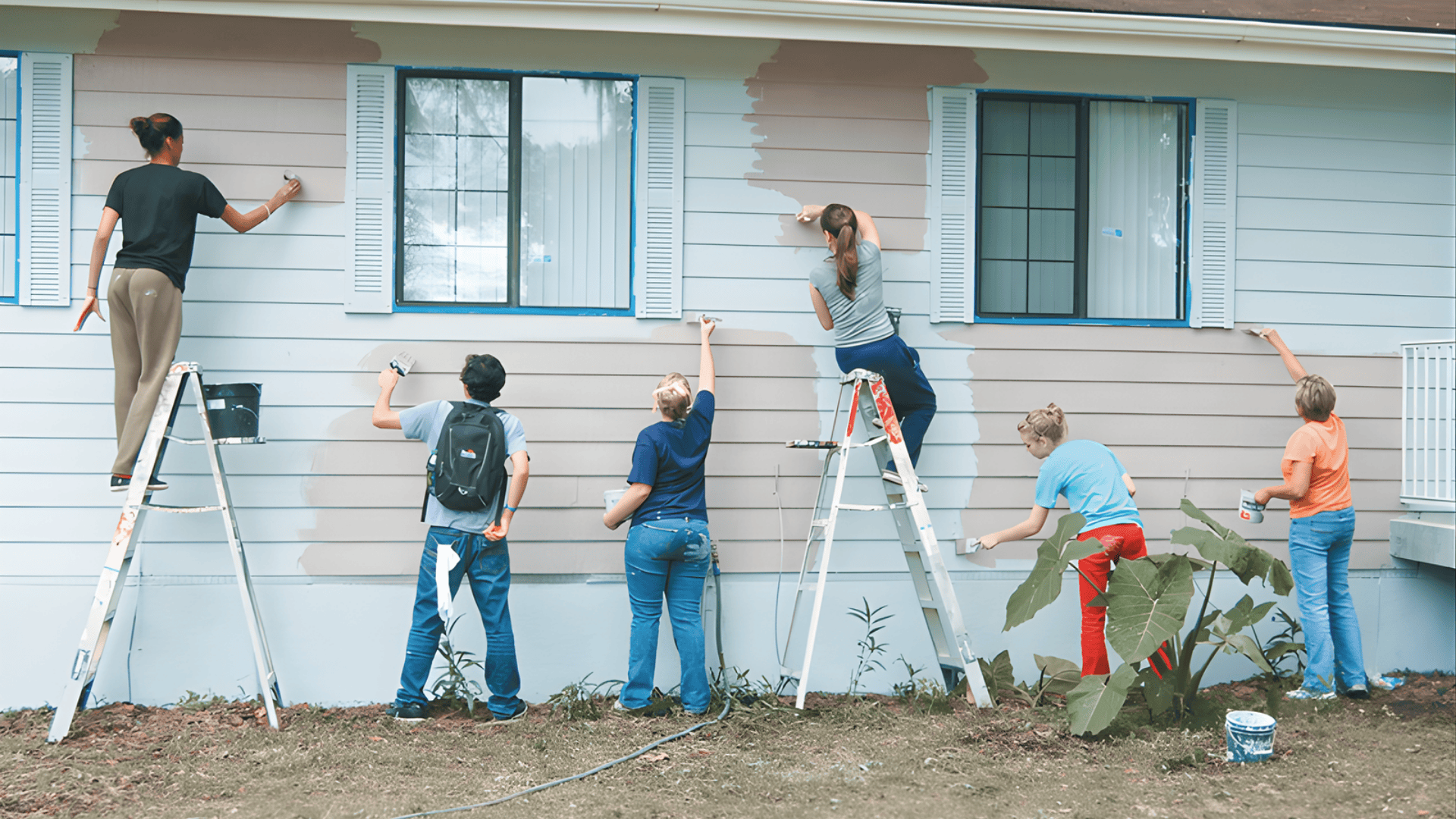
Painting your home can feel like a big project, and one of the first questions that comes to mind is, “How much does it cost to paint a house?”
I’ve been there, trying to figure out what’s reasonable without getting overwhelmed.
In this article, I’ll will share the main factors that affect painting costs. We’ll look at average costs, compare DIY and hiring a professional, and break down the costs of interior and exterior painting.
I’ll also share tips to save money, real homeowner experiences, common hidden costs, and how to get accurate estimates.
You will learn the mistakes to avoid, when to repaint, and how long a painting project takes.
By the end, you’ll have a clear idea of what to expect and feel ready to plan your painting project without surprises.
How Much Does It Cost to Paint Your House?
The cost to paint your house depends on several factors, including the size of your home, the quality of paint, and the labor involved.
On average, homeowners spend between $1,000 and $5,000 for interior painting and $2,500 to $7,500 for exterior painting. The price can go higher for larger homes or if you choose premium paints.
Labor costs typically make up a large portion of the total expense. It’s important to factor in prep work such as cleaning and priming.
The time frame for completing a painting project can range from a few days to a week, depending on the size and complexity.
Repainting is usually needed every 5 to 7 years, but this can vary based on climate and the type of paint used.
Get quotes from professionals to get a clearer idea of costs for your specific project.
Cost Breakdown: Interior vs. Exterior Painting
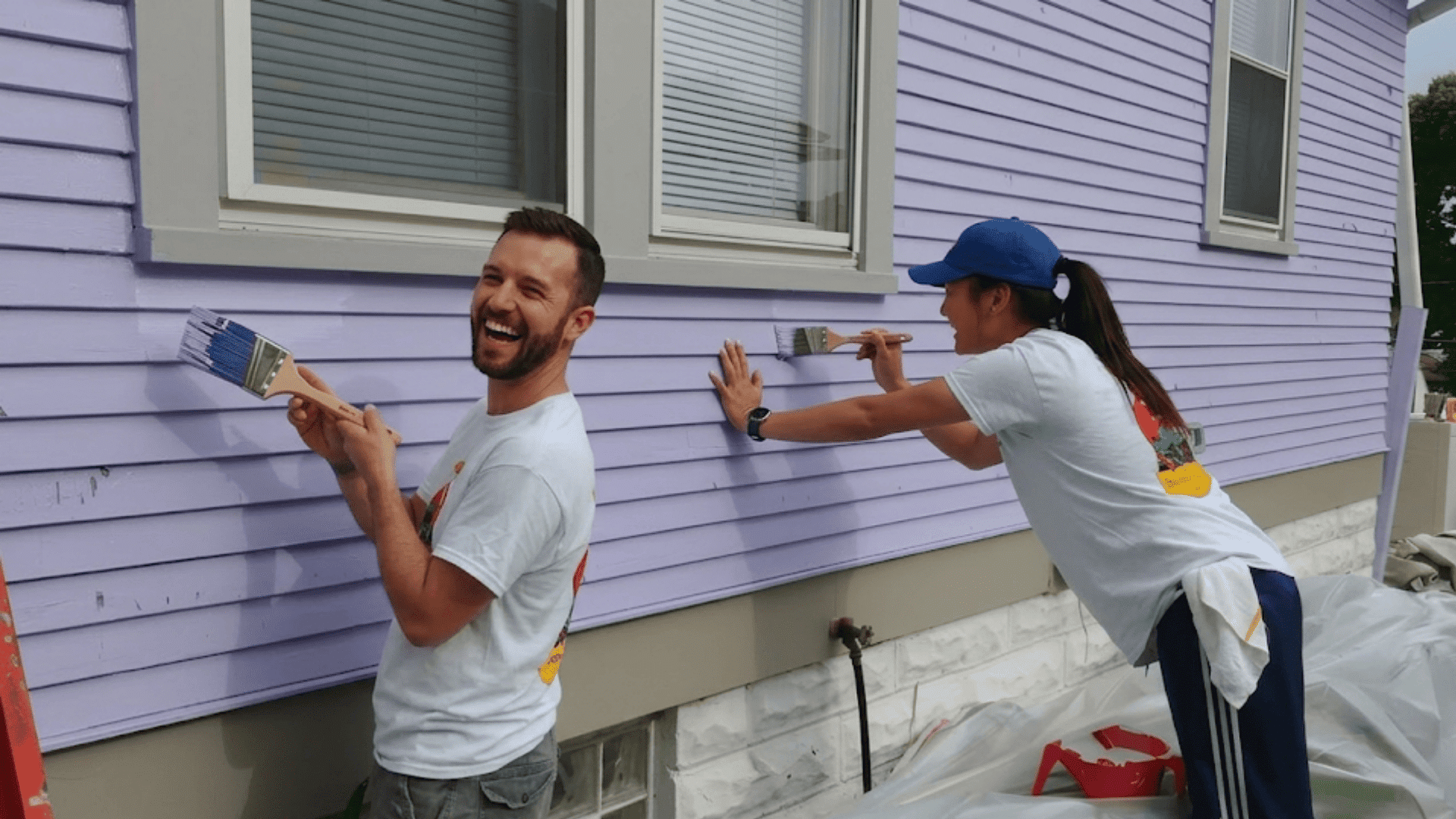
The cost of painting a house can vary a lot depending on whether you’re focusing on the inside or the outside.
Interior painting usually involves walls, ceilings, and trim, and sometimes includes additional details such as cabinets or built-in shelving.
Outside painting covers siding, doors, windows, and sometimes decks or fences.
Each type has its own cost drivers, including surface preparation, the number of coats needed, and the quality of paint.
Homes that need extra repairs or sanding will naturally cost more, and larger spaces require more paint and labor.
| Type | Typical Cost Range | Notes |
|---|---|---|
| Interior | $2,000 – $6,000 | Smaller rooms tend to be less expensive. Larger homes, full-house projects, or extra work like ceilings and detailed trim can push the total higher. |
| Exterior | $3,000 – $10,000 | Bigger houses, multiple stories, or homes that need extensive prep, such as scraping, sanding, or siding repair, can increase the price. |
Having a clear idea of these ranges gives you a good starting point. Understanding the costs in advance reduces surprises and keeps your painting project on track.
It makes budgeting easier and helps you plan whether to hire professionals or take on some work yourself.
Factors that Affect House Painting Costs
When it comes to painting your home, several factors influence the total cost. Understanding these variables helps you plan your budget more accurately and ensures you’re prepared for the financial aspects of the project.
1. Size of the Home
Larger homes naturally cost more to paint. The bigger the space, the more materials, paint, and labor are required to complete the job.
More square footage means more surface area to cover, resulting in higher costs.
Also, the shape and complexity of the house may increase the overall painting cost due to the additional time and effort required.
2. Surface Condition
A surface that needs significant repairs will increase the cost of painting. Before applying paint, damaged areas must be patched, sanded, or cleaned to ensure a smooth, even application.
This requires extra labor and materials, which can raise the total price.
The condition of your walls, trim, and other surfaces plays a crucial role in how much time and money will be required to prepare the home for painting.
Proper preparation ensures that the paint lasts longer and adheres well, but it comes at an additional expense.
3. Paint Quality and Number of Coats
Higher-quality paint tends to last longer, provides better coverage, and requires fewer coats. However, it’s also more expensive.
The number of coats needed can affect the cost.
For instance, darker colors may require more layers to achieve full coverage, and the surface being painted may need more coats for durability.
This means more materials, labor, and time, all of which add up to a higher price. More coats also take longer to dry, which can extend the overall timeline and impact labor costs.
3. Prep Work
Proper preparation is key to achieving a smooth, professional-looking finish. It includes cleaning surfaces, sanding, priming, and sometimes repairing damage.
While it may seem like a small detail, thorough prep work is essential for the paint to adhere properly and last longer.
Skipping this step could lead to premature peeling or chipping of the paint.
Since prep work is time-consuming and requires specialized products like primer and filler, it adds to the overall cost of the project. You should always factor this into the painting estimate.
4. Labor Charges
Labor costs are a major part of any painting project. Rates can vary depending on the painter’s skill level and the location of the house.
More experienced painters tend to charge higher fees because they can complete the work faster and with higher quality.
The labor rates can vary by region, with costs typically higher in urban areas compared to rural ones. Labor charges also depend on the complexity of the job.
5. Extra Details
Any additional features, such as trim, high ceilings, or outdoor areas like decks, will increase the cost of the painting project.
These areas require more specialized work and may require ladders, scaffolding, or additional tools to reach.
Painting trim or intricate designs is more time-consuming and demands more precision.
Likewise, if you’re painting fences or decks, this adds more surface area and extra labor. The need for these additional details to be done properly is important for the overall feel of the home.
DIY vs. Hiring a Professional Painter
Deciding whether to paint your house yourself or hire a professional is one of the biggest choices that affects cost, time, and results. Each option has its advantages and challenges, so it helps to compare them clearly.
| Aspect | DIY Painting | Hiring a Professional Painter |
|---|---|---|
| Cost | Lower upfront cost: mainly paint, brushes, rollers, and minor tools ($200–$1,000 depending on house size). | Higher cost: includes labor and materials ($2,500–$7,500, on average, for a full job). |
| Time | It can take days or weeks, depending on experience and the size of the house. | Much faster, as professionals usually finish in a few days to a week. |
| Quality | Quality depends on your skills; mistakes or uneven coverage are common. | Consistently professional results with smooth, even coverage. |
| Prep Work | You handle all prep: cleaning, sanding, priming, and repairs. | Painters handle all prep, often included in the estimate. |
| Tools & Equipment | You need to buy or rent ladders, scaffolding, and specialized tools. | Painters bring all necessary tools and equipment. |
| Stress & Effort | Physically demanding; requires time, energy, and planning. | Minimal effort on your part; professionals handle the hard work. |
| Warranty/Guarantee | No guarantee; mistakes are your responsibility. | Most painters offer a warranty or touch-up guarantee. |
How to Get Accurate Painting Estimates?
To get accurate painting estimates, start by measuring your space. This includes the square footage of walls, ceilings, and trim.
Next, choose the type of paint and finish you want, as different options can affect the price.
Request multiple quotes from painting companies, and make sure they include the same details, like the number of coats and prep work.
Be clear about special needs like repairs or high ceilings, and ask for a cost breakdown of labor, materials, and fees.
A good contractor will also inspect your home and provide suggestions based on its condition.
Finally, always check reviews and references to ensure you’re getting a reliable estimate. By following these steps, you’ll have a clearer idea of what to expect.
Tips to Save Money on House Painting
Painting a house can get expensive, but a few smart strategies can help you lower costs without sacrificing quality. Planning ahead and making informed choices can make a big difference in your budget.
- Compare Quotes: Get estimates from multiple painters to find a fair price.
- Do Prep Work Yourself: Cleaning, sanding, and minor repairs can save on labor costs.
- Buy Paint in Bulk: Purchasing larger quantities at once can reduce per-gallon costs.
- Choose Quality Paint Wisely: High-quality paint lasts longer, reducing the need for frequent repainting.
- Focus on One Area at a Time: Breaking projects into sections can spread out costs and make it manageable.
- Avoid Peak Seasons: Scheduling painting during slower months can sometimes lower labor costs.
- Limit Extra Features: Skip optional add-ons, such as specialty finishes, if they aren’t necessary.
Homeowner Experiences with Painting Costs
Hearing from real homeowners can give you a better idea of what to expect when budgeting for painting.
On Reddit, people share a wide range of experiences. One user in New Orleans reported paying around $15,000 for a two-story, three-bedroom house with about 1,400 square feet of footprint.
This included two coats, full prep, and quality materials. Commenters said the price was fair.
Other homeowners reported paying $6,250 for smaller jobs that included patching and repairs, or $11,000–$22,000 for larger homes, depending on the scope.
On Quora, users in cities like San Francisco and Los Gatos highlighted that estimates vary widely.
For a 2,500 sq. ft. home, exterior painting ranges from $8,000–$25,000, and interior painting from $6,000–$18,000, depending on prep work and materials.
Many emphasize that labor is the highest cost, and unique features or repairs can push the total higher.
Painting costs can vary a lot, so getting multiple estimates helps you understand a fair price for your home.
Common Hidden Costs to Watch out for
Painting a house often comes with extra costs that many homeowners don’t anticipate. Knowing these in advance helps you avoid surprises and stay on budget.
- Surface Repairs: Cracks, holes, or water damage may need patching before painting.
- Priming: Certain surfaces require a primer coat, which adds to labor and materials costs.
- Multiple Coats: Dark colors or dramatic changes often require extra coats of paint.
- Trim and Moldings: Painting windows, doors, and baseboards takes extra time and effort.
- Ceilings: Including ceilings in the project adds labor and paint costs.
- High or Hard-to-Reach Areas: Multi-story homes or steep roofs may need scaffolding or special equipment.
- Cleanup and Disposal: Removing old paint, sanding dust, or used materials can add costs.
- Specialty Finishes: Textured, glossy, or custom finishes often cost more than standard paint.
How Long Does a Painting Project Take?
The time it takes to paint a house depends on the size of your home, the prep work required, and if you’re doing it yourself or hiring professionals.
A DIY project can take longer because you might need breaks, gather supplies, and manage tasks without experience.
Smaller rooms might only take a day or two each, while a full house can take weeks if you’re doing it on your own.
Professional painters usually work faster. A team can complete a typical home in a few days to a week, depending on size and complexity.
They have the right tools, experience, and extra hands, which speed up the process.
Planning ahead, understanding the scope of work, and knowing whether repairs or multiple coats are needed will help you estimate the timeline and avoid delays.
When to Repaint Your Home?
Paint doesn’t last forever, and waiting too long can lead to extra work, higher costs, and a less polished look. Watching for warning signs early can help you plan the project before problems get worse.
- Fading: Colors look dull or washed out.
- Peeling or Flaking: Paint starts coming off the walls or siding.
- Cracks: Fine lines or larger cracks appear in the paint surface.
- Water Stains or Mold: Moisture causes discoloration, spots, or mold growth.
- Chipped or Damaged Areas: Exterior paint is chipped from weather or impact.
- Scuffs and Marks: Interior walls show wear from furniture, pets, or daily use.
- Uneven Finish: Paint looks patchy, blotchy, or uneven in texture.
- Peeling Around Trim or Windows: Edges near windows, doors, and trim show wear sooner than flat surfaces.
Conclusion
Painting your home is a big decision, and understanding the costs can make the whole process much easier to manage.
Knowing costs, hidden fees, and timelines helps you plan with confidence.
Whether you decide to paint the house yourself or hire professionals, the key is to budget carefully and gather a few reliable estimates before starting.
Homeowner experiences also show that prices can vary widely depending on the home and the work involved. Think of painting not just as a cost, but as an investment that protects your home and keeps it looking its best.
If you’ve recently painted your home or received a quote, your experience could help others.
Share your painting costs, tips, or lessons in the comments below so readers can learn from real stories.
Frequently Asked Questions
Are Eco-Friendly Paints More Expensive?
Eco-friendly or low-VOC paints often cost slightly more but produce fewer odors and fumes.
Should Homeowners Buy Paint Themselves or Let Painters Supply It?
Many homeowners let painters supply paint since professionals often receive contractor discounts.
Do Painters Usually Charge by Square Footage or By the Hour?
Most painters charge by the square foot, but some may charge by the hour for small or repair-heavy projects.
Does Furniture Removal Affect Painting Costs?
Yes, moving large furniture or protecting items may increase labor time and slightly raise the cost.