

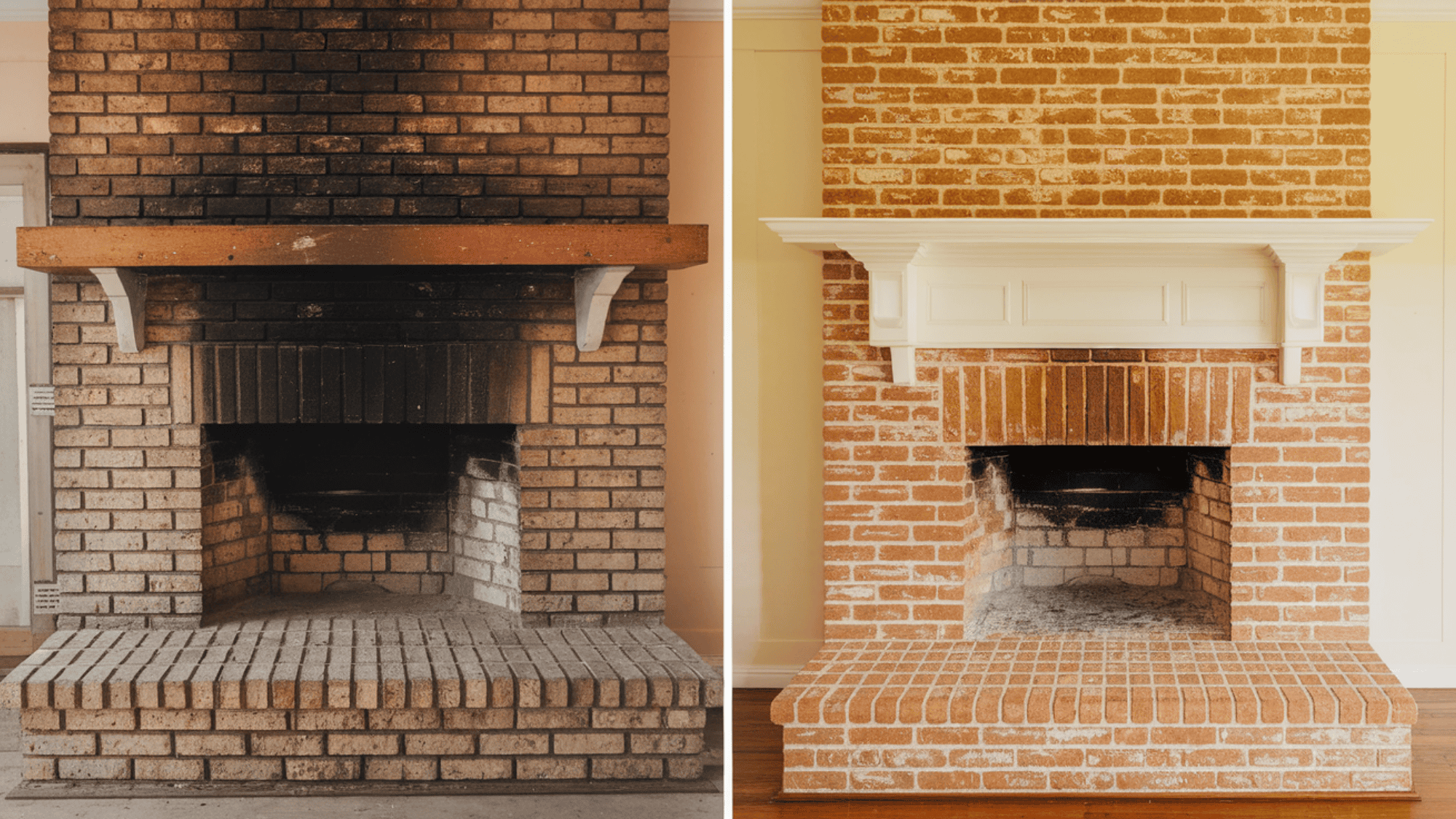
A brick fireplace can start to look outdated over time, especially when the color appears dark or worn compared to the rest of the room.
Many homeowners consider painting it to refresh the space without major work. A new paint color can quickly change the overall feel, making the room look brighter and more modern.
Before starting, it is important to know if painting brick is the right choice for your home. This guide explains, step by step and simply, how to paint brick fireplace surfaces.
I will share other options, such as whitewashing, that can update the look while keeping the natural brick texture visible.
Is Painting Brick the Right Choice?
It is important to understand the benefits and limits before deciding to paint your brick fireplace.
- Good Option for Outdated Brick: Works well if the fireplace looks dark, stained, or old. Helps improve the overall look of the room.
- Quick Way to Refresh Space: Paint can make the room feel brighter and cleaner. No major renovation work is needed.
- Gives a Modern Look: A fresh coat helps match modern home styles. Creates a neat and updated appearance.
- Permanent Change to Consider: Painted brick cannot easily return to its original form. It is important to be sure before starting.
- Alternative Options Available: Whitewashing or limewashing keep brick texture visible. These give a softer and more natural finish.
How to Paint a Brick Fireplace: Step-by-Step Process
Follow these simple steps to paint your brick fireplace the right way. Each step helps you get a clean, even, and long-lasting finish.
Tools and Materials Needed
Before you start painting, gather all the tools and materials. Having everything ready makes the process easier and helps you work without delays.
| Tool or Material | Purpose |
|---|---|
| Wire brush | Remove dirt and loose debris |
| Brick cleaner or TSP | Deep clean brick |
| Drop cloth | Protect floors |
| Painter’s tape | Protect walls and trim |
| Masonry primer | Help paint stick |
| Latex or masonry paint | Main paint coating |
| Paint roller and brush | Apply paint evenly |
Step 1: Understand the Project Scope
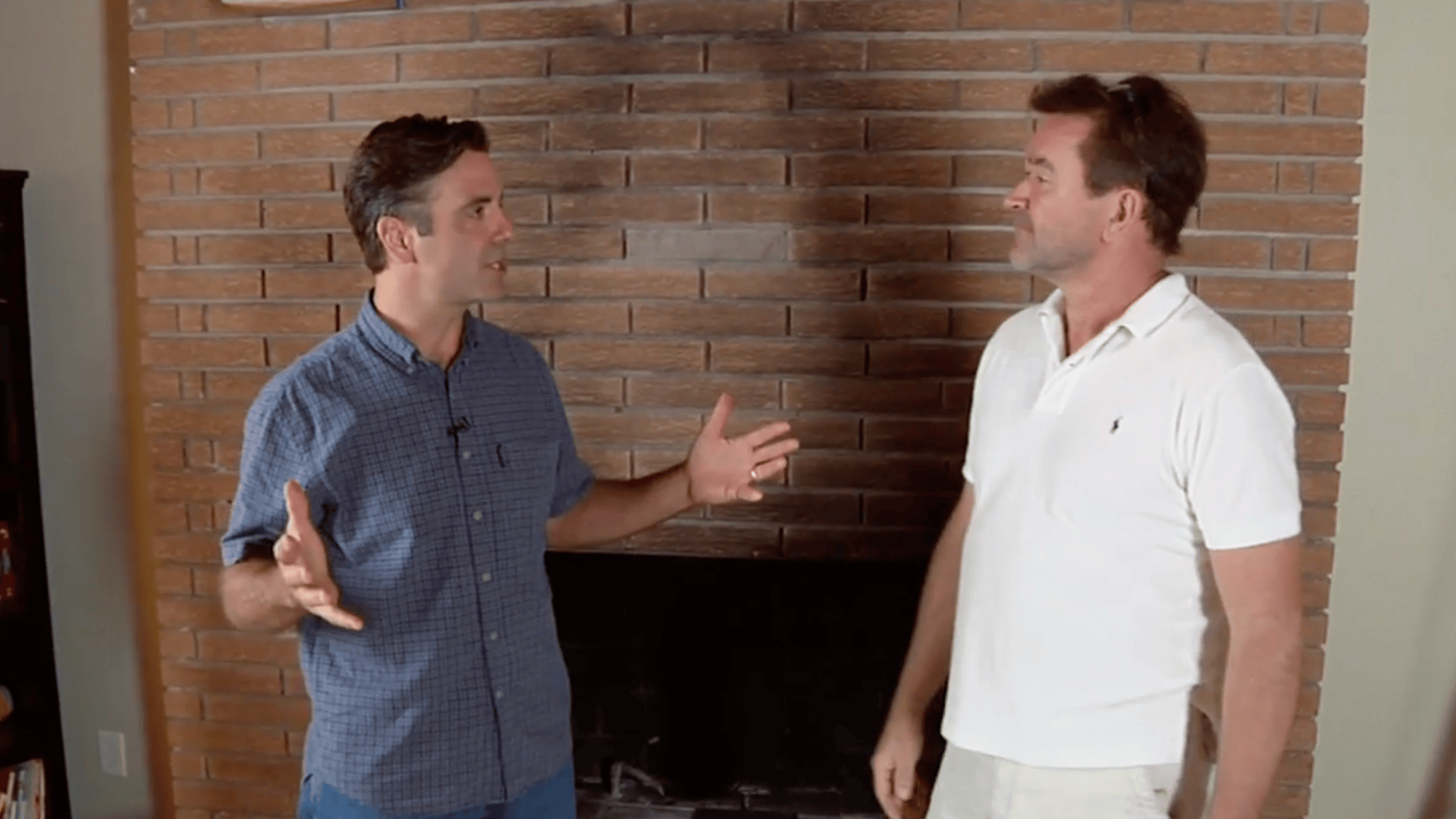
At the start, the video shows how an old brick fireplace can make a room look outdated and dull. Instead of removing the brick, painting is shown as a simple way to update the space.
This step helps you understand your goal before you begin. You are not changing the structure. You are only improving its appearance.
It also helps you decide if painting is the right choice or if options like whitewashing may work better.
Step 2: Clean the Brick Surface Properly
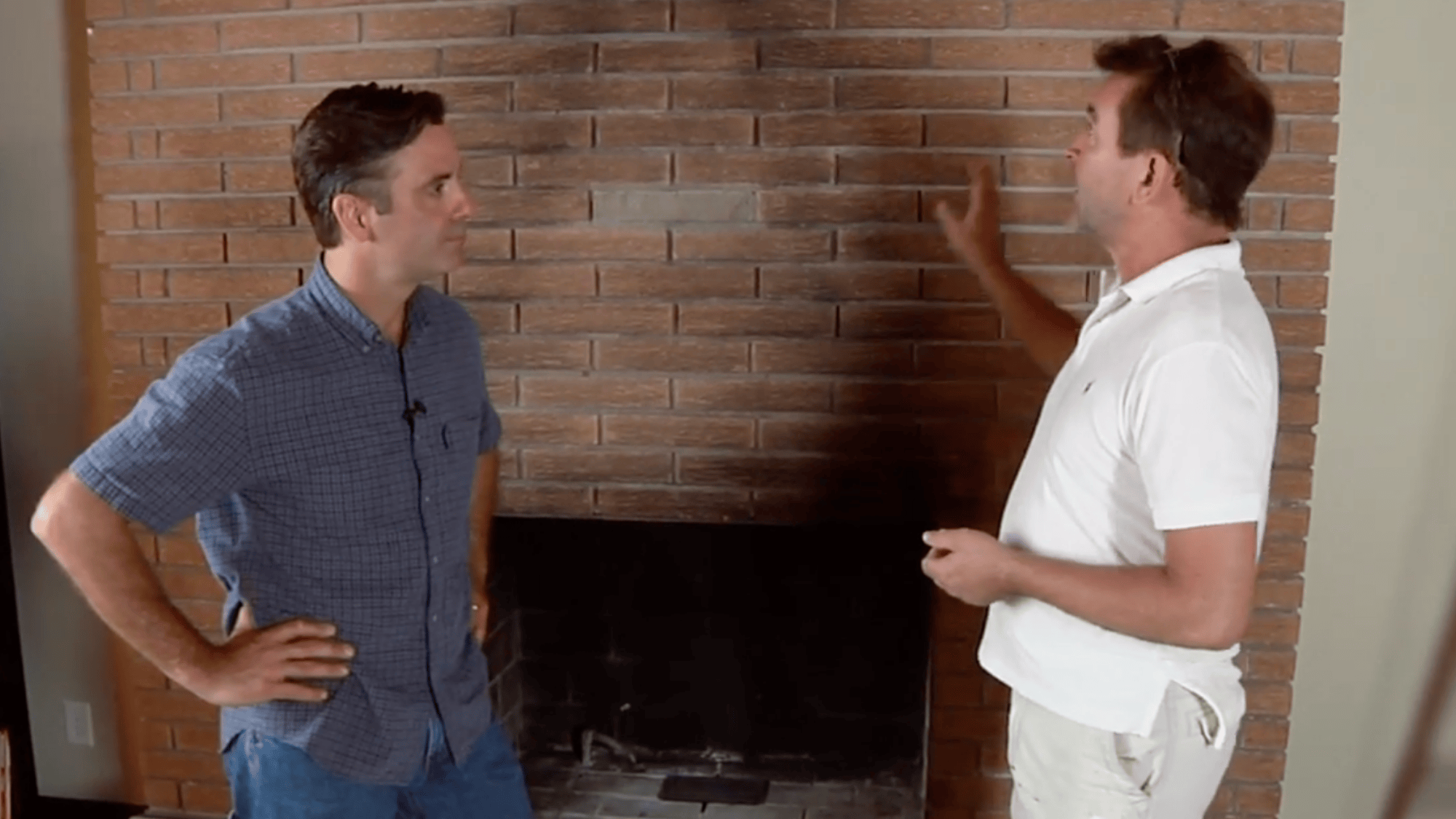
Cleaning the brick is the most important step in this process. The painter uses trisodium phosphate mixed with water to remove soot, dirt, and stains from the surface.
After scrubbing, the brick is rinsed well and left to dry completely before moving ahead. A vacuum is also used to remove loose dust from the joints and small gaps.
If you skip this step, paint may not stick properly. A clean surface helps primer and paint hold better and last longer.
Step 3: Prep and Protect the Area
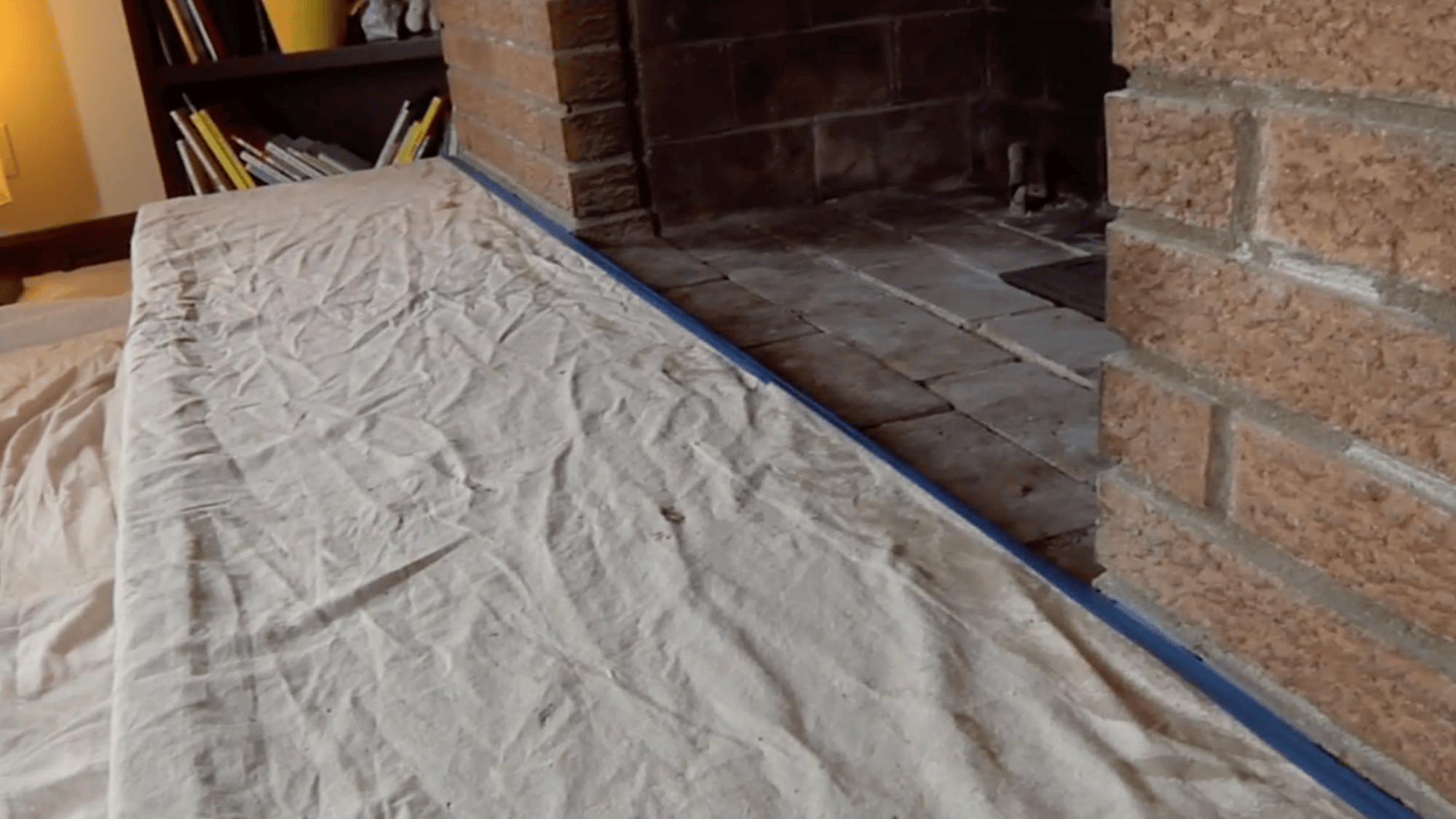
Before painting, the surrounding area needs proper protection to avoid unwanted mess. Painter’s tape is applied along edges, wood trim, and nearby surfaces to keep paint off them.
A drop cloth is spread over the floor and hearth to catch any drips or spills. This step keeps your space clean and safe from damage.
Taking time to prepare also makes the job smoother. It lets you focus fully on painting without worrying about mistakes or cleanup later.
Step 4: Choose the Right Primer and Paint
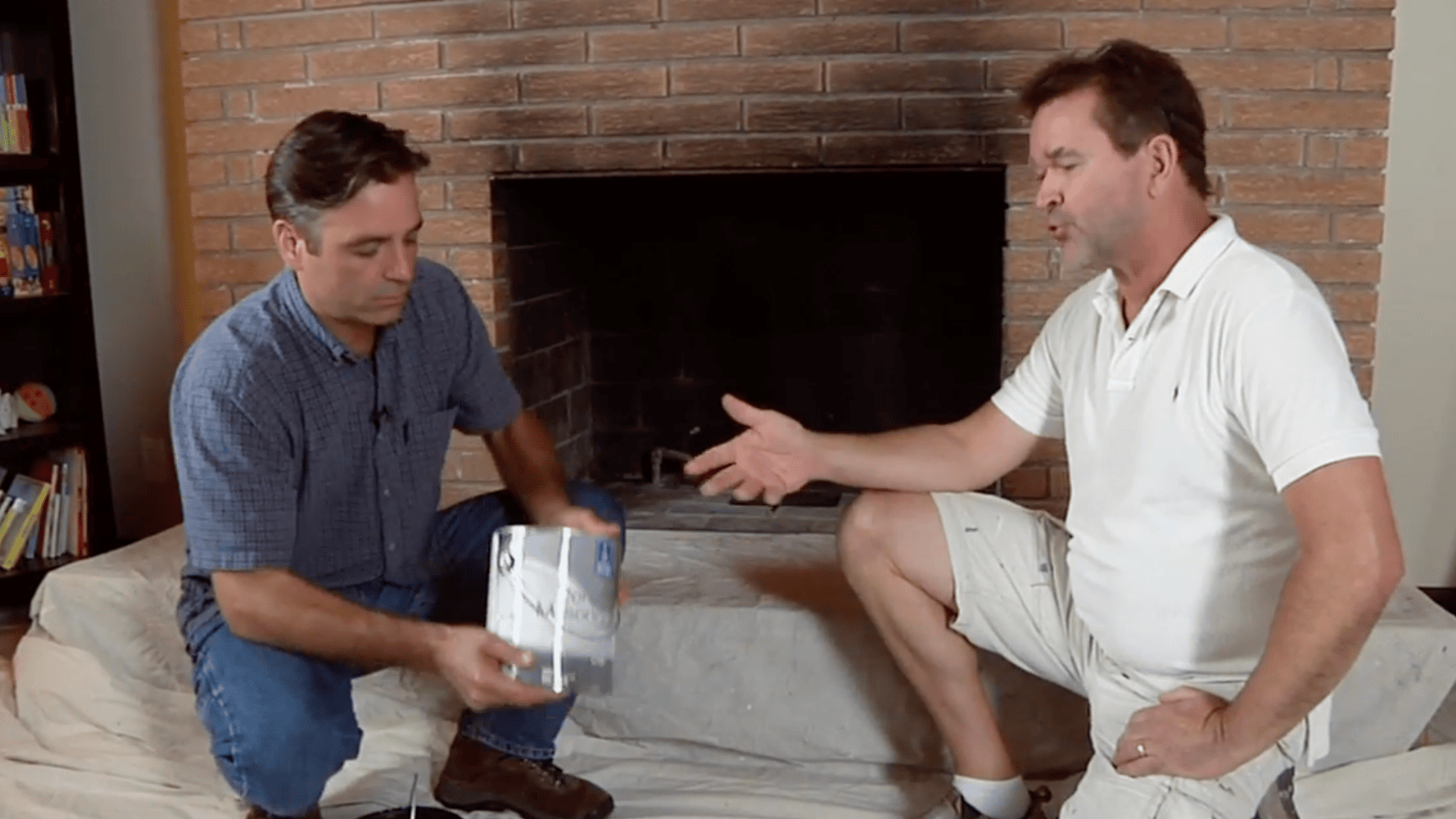
The video shows the use of a masonry primer made for brick surfaces. This primer helps seal the brick and allows the paint to stick better.
After applying the primer, a high-quality acrylic or latex paint is used as the top coat. The example uses a matte finish to reduce shine and keep the brick texture visible.
Choosing the right products matters because regular paint alone may not stick well to rough and porous brick surfaces over time.
Step 5: Use the Right Roller for Brick
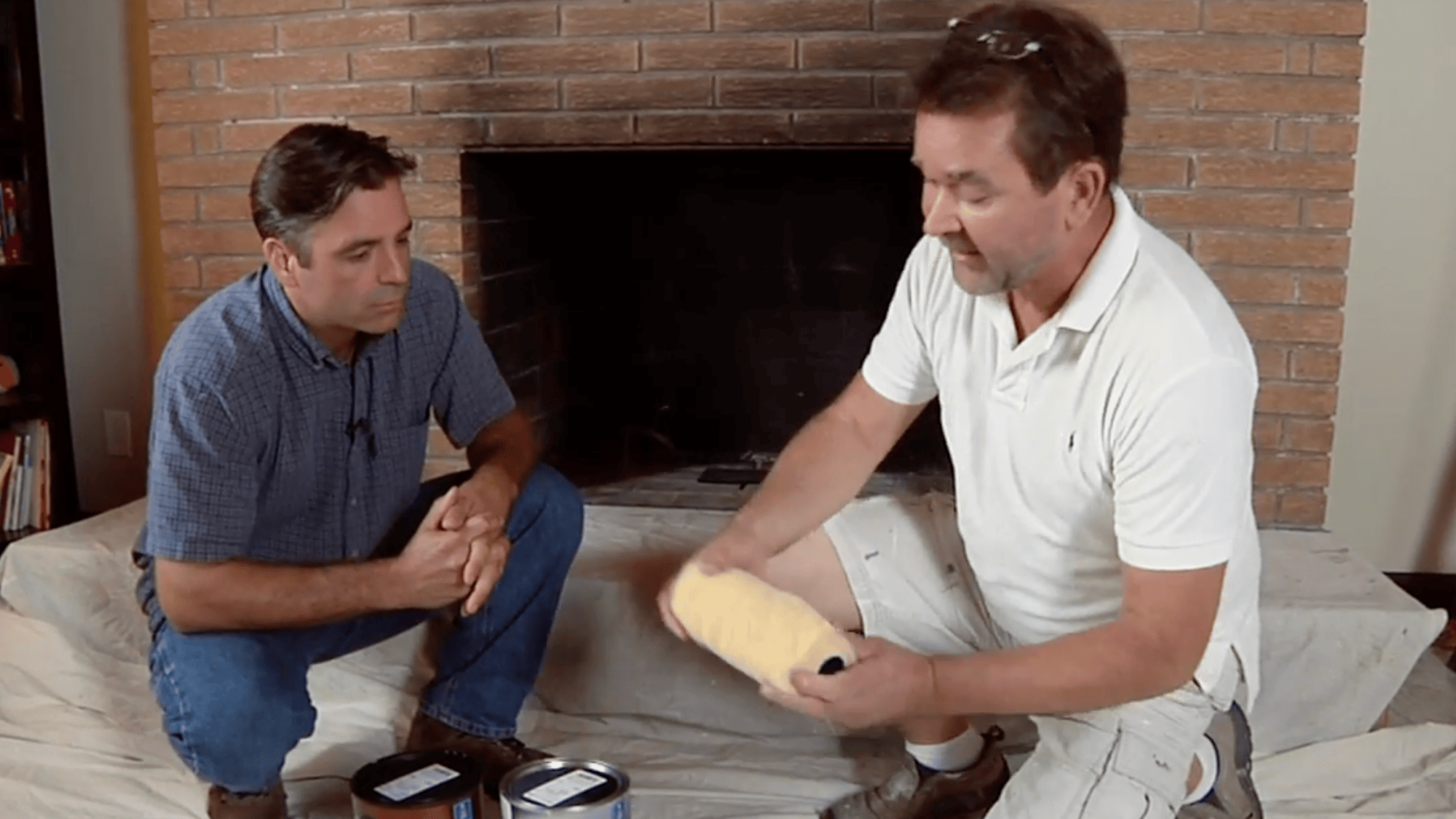
A thick nap roller is used to apply primer and paint on the brick surface. The video uses a roller with a deep nap to reach uneven areas and rough spots.
This roller holds more paint and helps push it into the brick texture. Rolling slowly helps spread the paint evenly across the surface.
This step saves time because you do not need to paint each joint by hand. It makes the process quicker and gives better coverage overall.
Step 6: Fill Gaps with a Brush
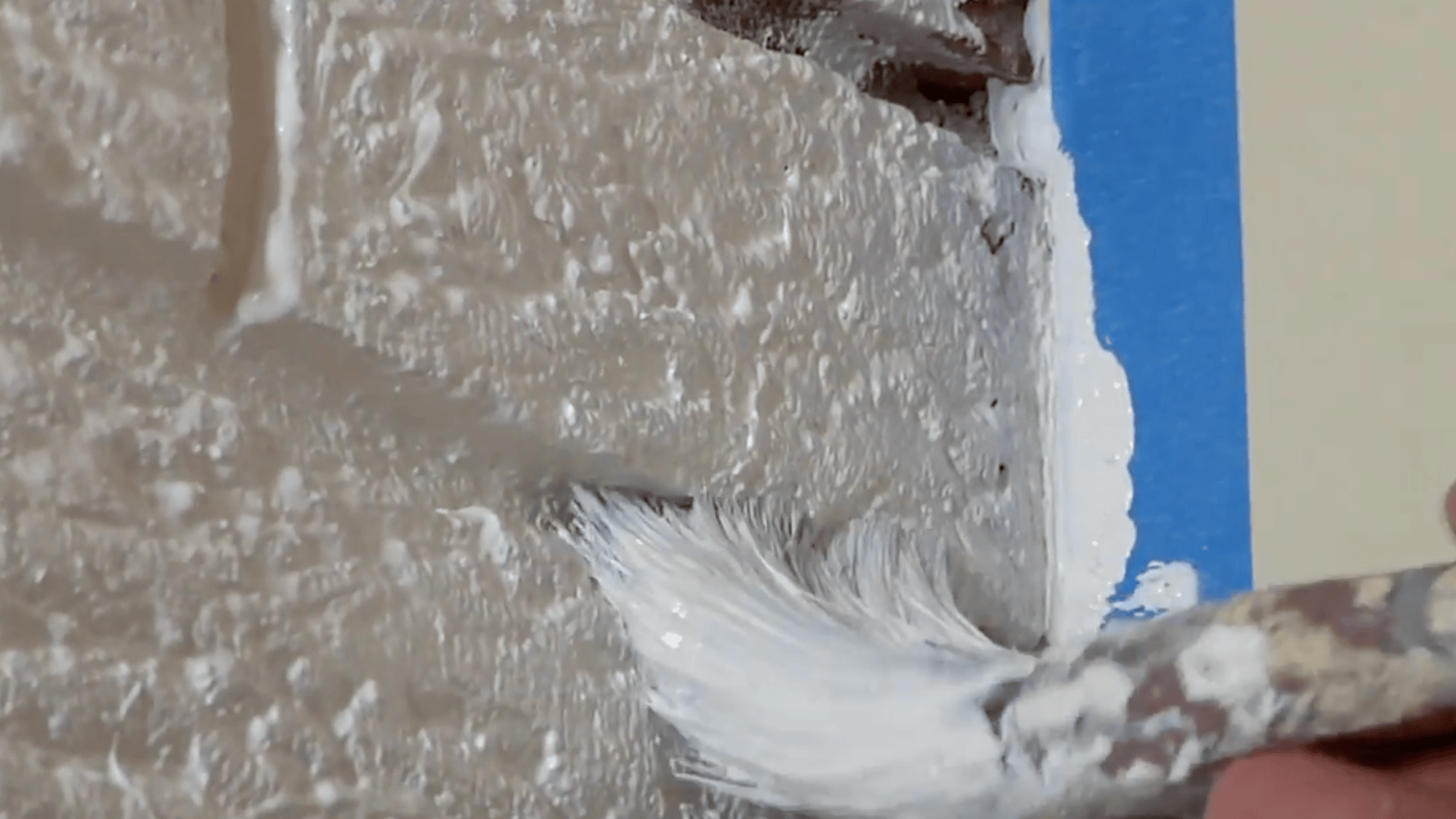
Some areas, especially deep joints, may not get full coverage with a roller. In these spots, a brush is used to apply paint properly.
This helps cover all parts of the brick evenly and avoids patchy results. If you skip this step, you may notice missed areas after the paint dries.
Using a brush for touch-ups gives a cleaner and more even finish. It also helps reach corners and small gaps where a roller cannot work well.
Step 7: Apply Primer Evenly
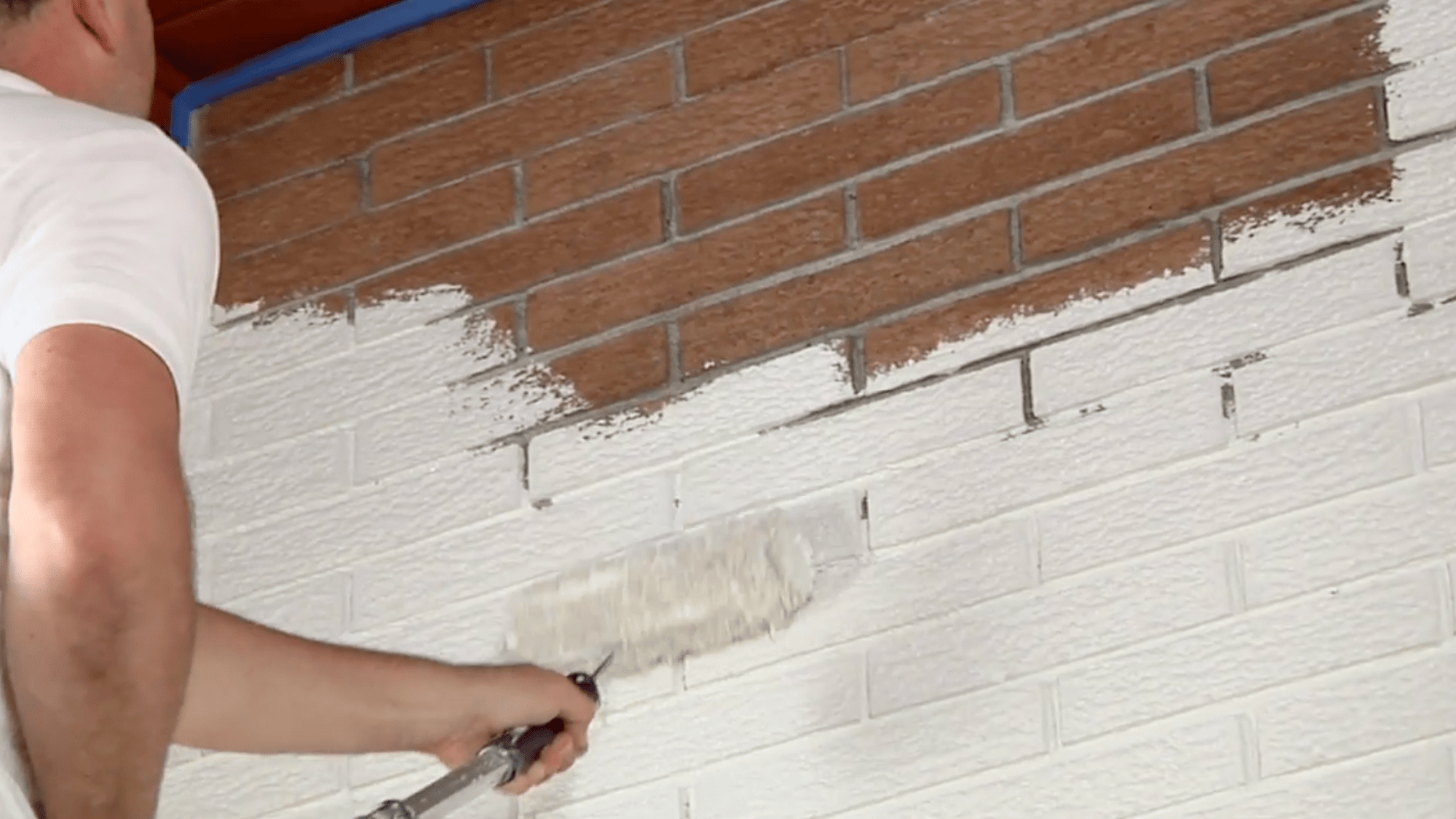
The primer is applied using the thick roller across the entire fireplace. The painter works the primer into the brick to make sure it reaches all uneven surfaces.
A brush is used again for small touch-ups where needed. Applying primer evenly is important for a smooth final result.
It also helps the paint layer stick properly. This step builds a strong base so the final paint looks even and lasts longer.
Step 8: Let Primer Dry Before Painting
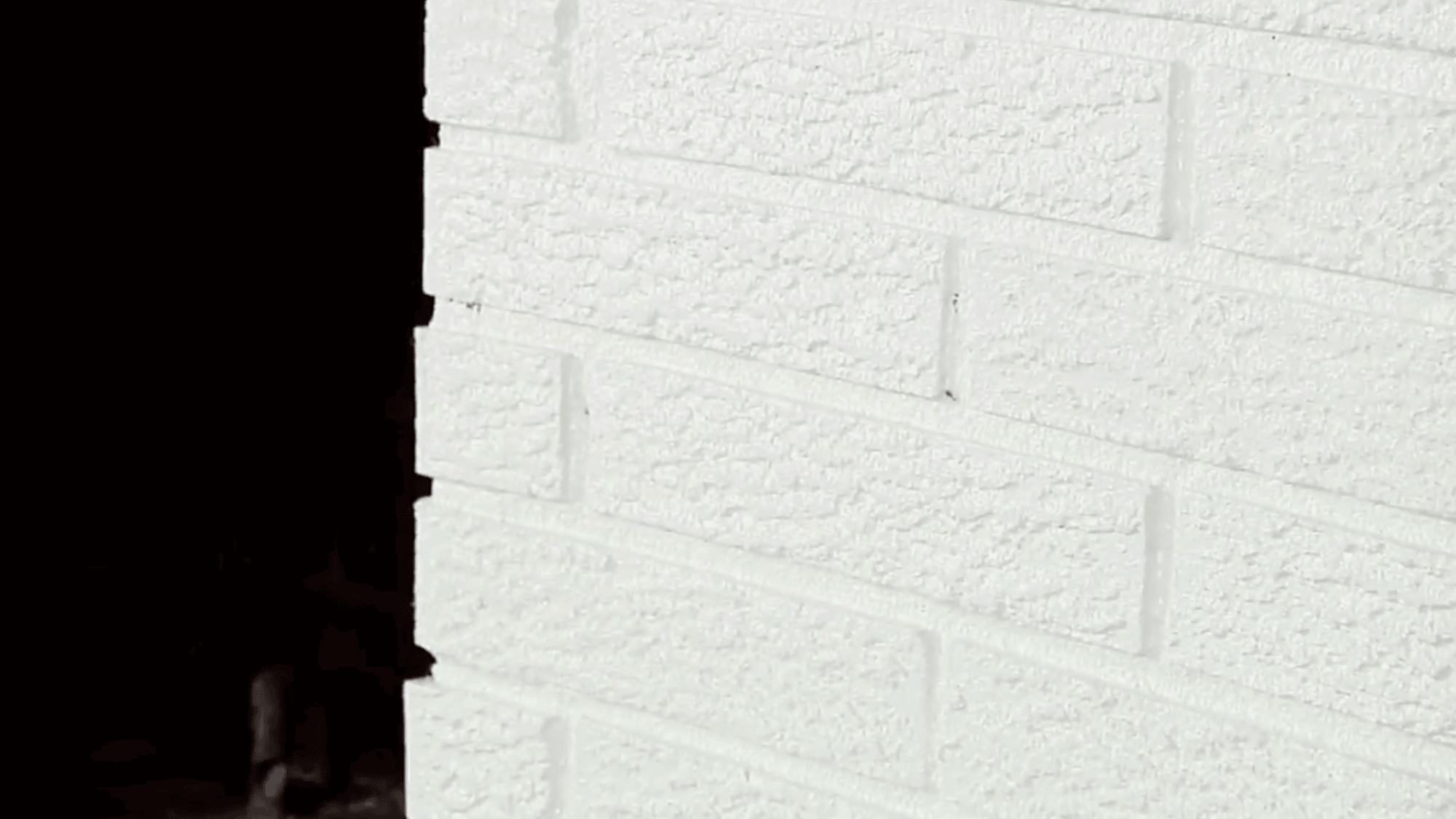
After applying the primer, it is important to let it dry fully before painting. This step may seem simple, but it plays a key role in the final result.
If you paint too soon, the layers may not bond well to the surface. This can lead to peeling or uneven coverage later.
Giving enough time for the primer to dry ensures the surface is ready. It helps create a stronger and longer-lasting finish on the brick fireplace.
Step 9: Apply the Final Paint Coat
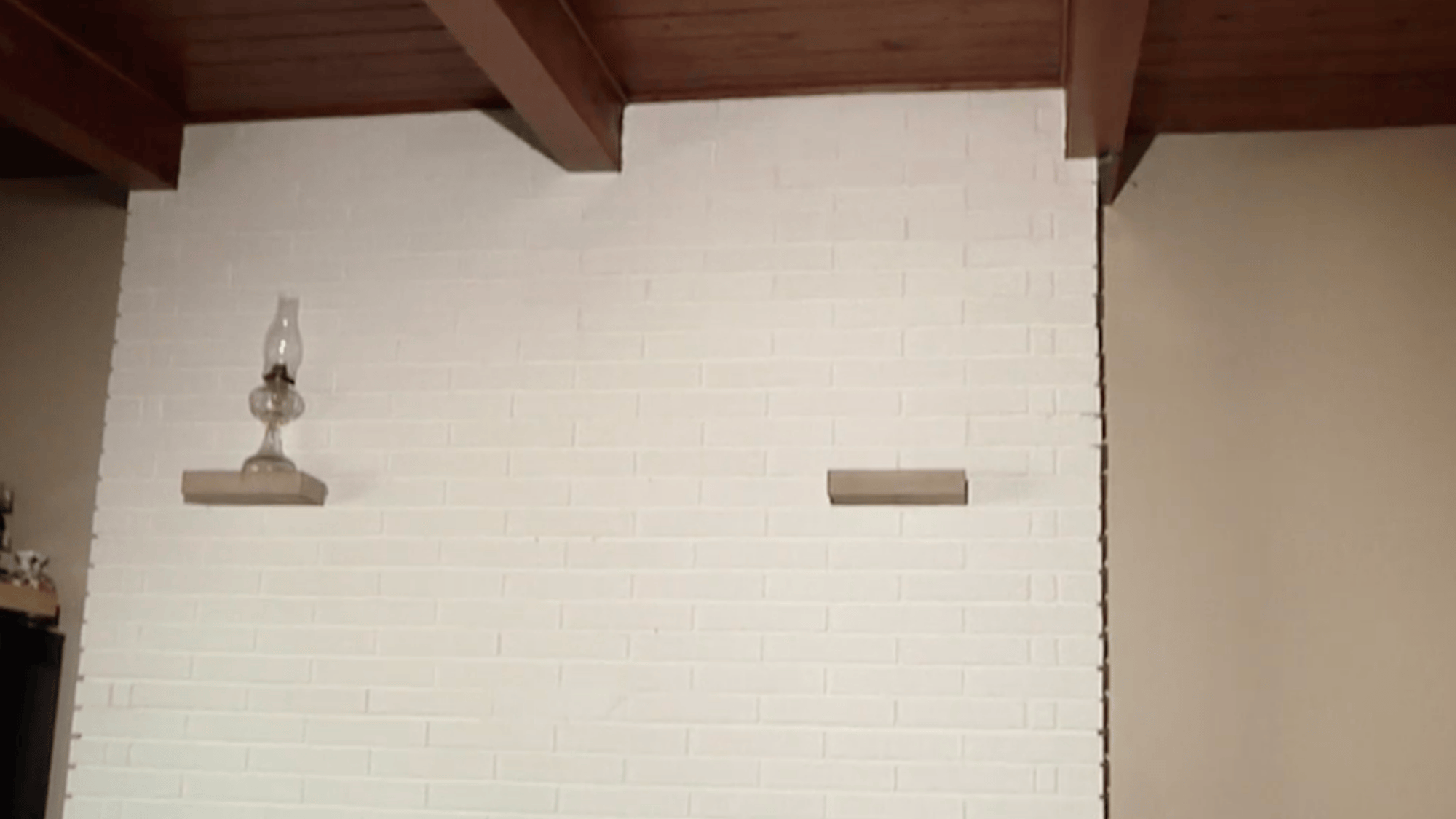
The paint is applied in the same way as the primer. A roller is used for large areas, and a brush is used for detailed spots.
Thin and even coats give the best result. The video shows a light cream color that brightens the fireplace.
You can choose any color that matches your room. Applying paint carefully helps avoid streaks and uneven patches. It also improves the overall look of the fireplace.
Step 10: Final Result
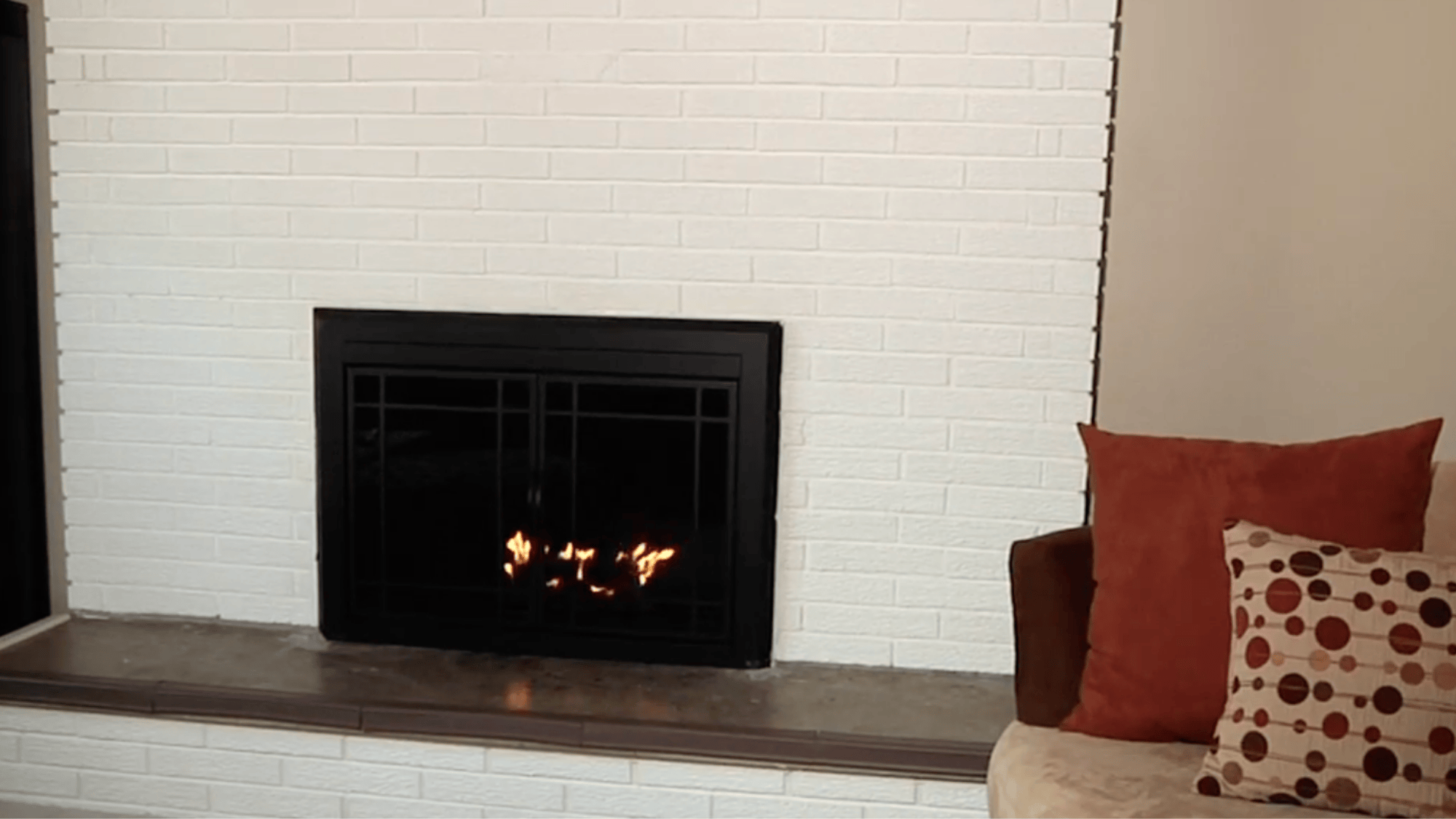
In the final step, the video shows the completed fireplace after painting. The new paint gives it a clean and fresh look that updates the whole space.
The brick texture is still visible, but the color change makes a big difference in the room. This step shows how a simple project can improve your space without major work.
It also helps you understand what results to expect when you follow the same process at home.
This tutorial is based on a helpful video by Buildipedia. You can check out the original video on their YouTube channel here or watch it below.
Is Painting a Brick Fireplace a Good Idea?
Painting brick can refresh the look of a fireplace and match modern interiors. But it also changes the natural brick surface permanently.
| Pros of Painting Brick Fireplace | Cons of Painting Brick Fireplace |
|---|---|
| Gives an old fireplace a fresh, updated look | Hard to return to natural brick once painted |
| Matches modern or specific room styles easily | Paint may chip or peel if not applied well |
| Covers stains, soot, and uneven brick color | Reduces the natural texture and character of brick |
| Creates a cleaner focal point in the room | Requires proper cleaning and preparation |
| Helps blend the fireplace with the overall décor | Poor prep can lead to uneven or short-lasting results |
When Does Painting a Brick Fireplace Make Sense?
Painting a brick fireplace makes sense in certain situations where the brick no longer looks appealing. If the brick appears dark, dull, or outdated, paint can help refresh its look.
It is also a good option when the brick has stains or uneven color that cannot be fixed with cleaning. If the fireplace does not match your room’s style, painting can help it blend better.
In these cases, painting can improve both the look and feel of the space.
Alternatives to Painting Brick Fireplace
Painting is not the only option. Some methods update color while keeping the brick texture visible.
- Whitewashing a Brick Fireplace: Thin paint is applied to lighten the brick while still showing texture. It gives a soft and natural look.
- Limewash Finish: Limewash soaks into the brick, creating a faded look. It also lets the brick breathe.
- German Smear Technique: This method adds mortar and wipes some off. It gives a partly covered, textured look.
- Cleaning and Sealing Natural Brick: Cleaning removes stains, and sealing protects the surface. This keeps the original brick look fresh.
What People Say About How To Paint a Brick Fireplace?

From what I found on Reddit, many people have mixed opinions about painting a brick fireplace. Some users strongly suggest not painting it at all, saying it can ruin the natural look and is hard to reverse later.
Others say that if you still want to paint, using a strong bonding primer like Stix or similar products is important before applying paint.
A few users also mentioned that gaps and uneven areas may stand out more after painting.
Some people recommend alternatives, such as adding a new tile or leaving the brick as is. A few shared their experience with high-quality primer and paint, saying it lasted for years.
Overall, most advice leans toward thinking carefully before painting and considering other options first.
You can also view and participate in the discussions here at Reddit.
Common Mistakes When Painting a Brick Fireplace
Avoiding simple mistakes helps you get a smooth finish. It also makes the paint last longer.
- Skipping Deep Cleaning: Dirt and dust stop paint from sticking well. This can lead to uneven coverage and early peeling
- Not Using Primer: Brick needs a base coat for better paint grip. Without it, paint may not last long
- Applying Thick Paint Coats: Thick layers dry unevenly and look patchy. They can also peel over time
- Painting on Damp Brick: Moisture gets trapped under the paint layer. This can damage the finish later
- Using the Wrong Paint Type: Regular paint may not handle heat or brick texture. This can lead to poor and short-lasting results
Best Paint Types for Brick Fireplaces
I have found that choosing the right paint type makes a big difference in how the final result looks and lasts. Each paint works differently based on heat, surface, and daily use, so picking the right one helps avoid problems later.
1. Latex Paint
Latex paint works well for indoor brick fireplaces because it is easy to use and dries quickly. It spreads smoothly and is simple to clean with water.
This type of paint is a good choice for areas that do not get too hot. It also comes in many colors and finishes, so you can match your room style easily.
Latex paint is a popular option for beginners who want a simple and clean painting process.
2. Acrylic Masonry Paint
Acrylic masonry paint is made for surfaces like brick and stone. It sticks well to rough areas and gives strong, long-lasting coverage.
This paint can handle small moisture changes, which helps prevent peeling or cracking over time. It also protects the surface while keeping the finish smooth.
Acrylic masonry paint is a great choice if you want better durability and a finish that holds up well in different indoor conditions.
3. Heat-Resistant Paint
Heat-resistant paint is used for areas close to the firebox where temperatures can get high. Regular paint may crack or peel in these spots, so this type is made to handle heat safely.
It helps protect the surface and keeps the finish looking neat over time. This paint is usually applied only to areas exposed to direct heat.
Using it in the right places helps improve safety and extends the life of your painted fireplace.
Best Colors for Painting a Brick Fireplace
Choosing the right color can change how your fireplace looks and feels in the room.
- White Painted Brick Fireplace: White paint gives a clean and bright look. It makes the room feel more open and fresh.
- Light Gray Fireplace: Light gray adds a modern touch while staying simple. It works well with most room styles.
- Black Painted Brick Fireplace: Black creates a bold and strong look. It adds contrast and stands out in lighter spaces.
- Beige or Soft Neutral Colors: Beige and soft tones give a warm and calm feel. They help the fireplace blend with the room.
Tips to Maintain a Painted Brick Fireplace
Keeping your painted brick fireplace clean and well cared for is easy with a few simple habits.
| Step | What to Do | Why It Matters |
|---|---|---|
| Regular Dusting | Dust the surface with a soft cloth or brush | Keeps the fireplace clean and fresh |
| Gentle Cleaning | Use mild soap and water for cleaning | Protects the paint from damage |
| Avoid Harsh Tools | Do not use rough scrubbing tools | Prevents scratches and paint removal |
| Inspect Surface | Check for chips or worn spots | Helps catch damage early |
| Touch-Up Paint | Fix small chipped areas when needed | Keeps the surface smooth and neat |
| Ongoing Care | Follow simple care steps regularly | Helps paint last longer and look good |
How Long Does Painted Brick Last?
Painted brick can last for many years with proper preparation and quality paint. Proper care and key factors help it stay in good condition longer.
- Quality of Primer and Paint: High-quality primer and paint last longer and resist peeling. Cheap products may wear out faster.
- Proper Cleaning Before Painting: Cleaning the brick helps paint stick better and last longer. Dirt or soot can cause peeling over time.
- Heat Exposure from the Fireplace: Too much heat can damage paint near the firebox. Heat-resistant paint helps in these areas.
- Humidity Inside the Home: High moisture levels can affect paint over time. Dry conditions help maintain a strong finish.
Wrapping Up
In the end, I see painting a brick fireplace as a choice that depends on your space and what you want to achieve. It can give your room a cleaner and more updated look without a big project.
But at the same time, I always remind myself that it is not easy to go back once the brick is painted.
If I were doing this, I would take time to plan, test a small area, and choose the right materials. Small steps like proper cleaning and priming really make a big difference in how long the paint lasts.
If you are unsure, trying options like whitewashing first can also help you decide.
If you are planning this project, take your time, choose the right method, and start with a small test area to see what works best for your space.
Frequently Asked Questions
Is it Possible to Paint a Brick Fireplace Without Primer?
Yes, but not recommended. Primer helps paint stick, lasts longer, and prevents peeling on porous brick surfaces.
Does Painting Brick Damage It?
No, painting does not harm brick. It only changes the look, but the original brick finish is hard to restore.
What Paint Finish Works Best for Brick Fireplaces?
Eggshell or satin finishes work best. They clean easily and help hide small surface flaws.
Can a Fireplace that Gets Hot Be Painted?
Yes, use heat-resistant paint near the firebox to handle high temperatures safely.